You can weigh a bird safely by placing it in a small container on a gram-accurate digital scale, taring the container's weight to zero first, then reading the number once the display stabilizes. That's the core method. Everything else, choosing the right scale, handling the bird calmly, recording the result correctly, and knowing what to do with that number, is what turns a rough guess into a reliable measurement you can actually act on.
How to Weigh a Bird Safely: Step-by-Step Guide

Marcus Hendricks
27 Apr 2026
Choosing the right scale and setup
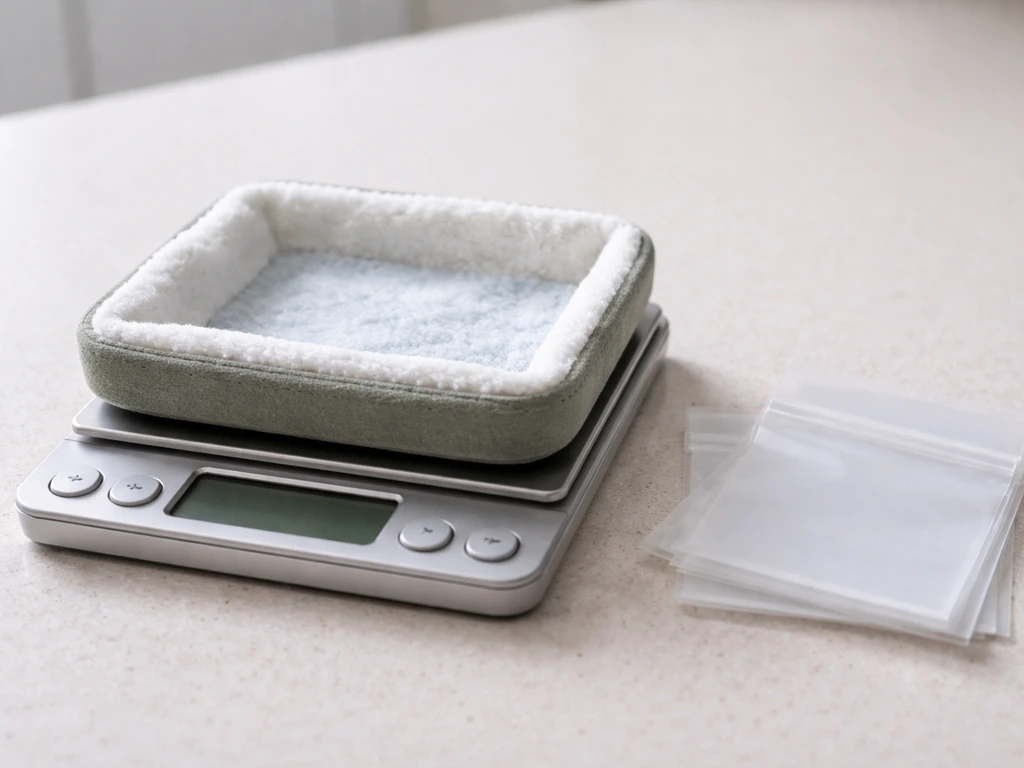
The most important thing your scale needs to do is weigh in grams. Not ounces, not pounds: grams. Small birds like finches, sparrows, and budgies can weigh anywhere from 10 to 60 grams, and a kitchen scale that only shows half-ounce increments will tell you almost nothing useful. You want a scale that reads in 1-gram increments at minimum, and 0.1-gram resolution is even better for very small birds.
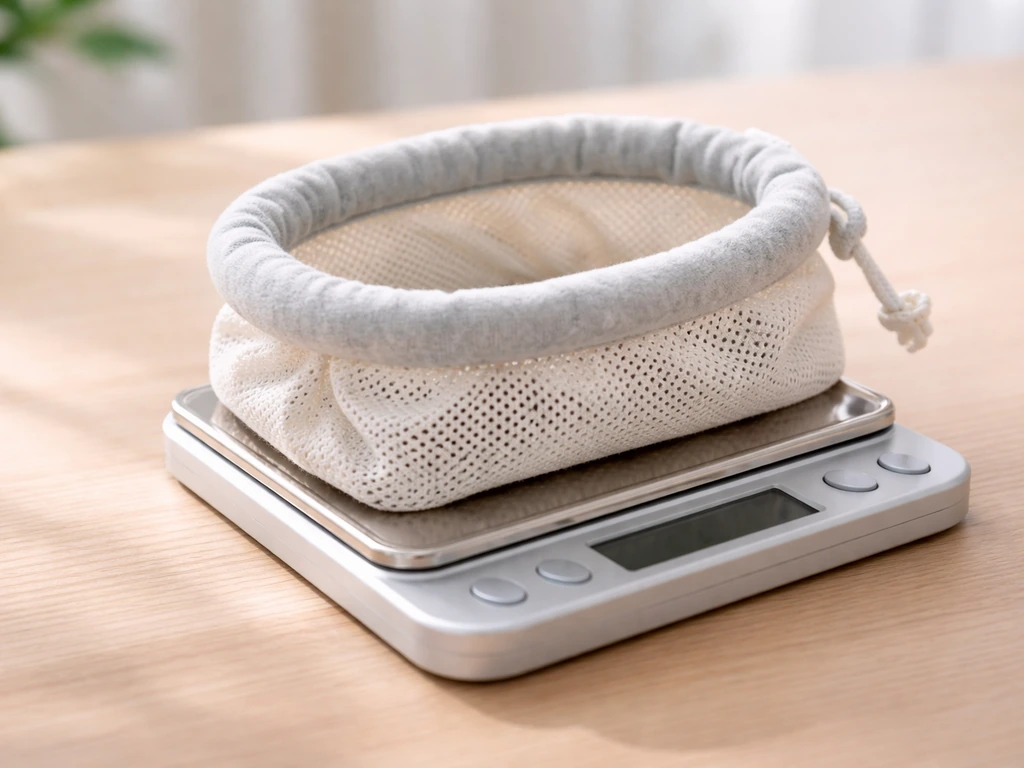
A small digital pet scale or a kitchen postal scale both work well. Some bird-specific scales come with a detachable perch built in, which is genuinely handy because it lets a calmer, trained bird just stand there while you take the reading. For wilder or fully flighted birds, though, a perch setup is often impractical, and the container method is far more reliable. Pick up a small plastic bowl, a cloth bag, or a lightweight cardboard box you can set on the scale platform.
Before you start, check that your scale is on a flat, stable surface away from drafts, fans, or vents. Even a slight breeze can throw off a reading by a gram or two on a sensitive scale. Also check that the scale's maximum capacity covers the bird's expected weight with room to spare. A kitchen scale rated to 5 kg is fine for most birds, but verify its lower-end resolution too: some high-capacity scales only display in 5-gram steps, which isn't good enough for small birds.
| Bird size | Typical weight range | Scale resolution needed | Best method |
|---|---|---|---|
| Very small (finch, canary) | 10–30 g | 0.1 g | Small container or bag |
| Small (budgie, lovebird) | 30–80 g | 1 g or better | Container or perch scale |
| Medium (cockatiel, dove) | 80–200 g | 1 g | Container or perch scale |
| Large (pigeon, small parrot) | 200–600 g | 1–2 g | Perch scale or towel wrap in container |
| Very large (hawk, large parrot) | 600 g+ | 2–5 g | Veterinary or postal scale with container |
How to weigh a bird safely (handling basics)
Here's something that doesn't get said enough: stress can genuinely kill a bird, especially one that's already sick or injured. Severely ill birds have died from the stress of being caught and restrained. That's not meant to scare you off from weighing your bird; it's meant to make you take the handling part seriously and move calmly and deliberately rather than rushing.
The goal is to minimize the time the bird is held and to make the whole experience as quiet and low-stimulation as possible. Dim the lights slightly if the bird seems very agitated. Work in a calm room without loud background noise. Have everything set up before you pick up the bird: scale on, container ready, tare already set. The less fumbling around while holding a bird, the better.
For small birds, the standard one-hand hold works well: wrap your hand gently around the bird's body with your thumb and index finger resting on either side of the head (not squeezing the neck, just preventing the head from turning and biting). The palm and remaining fingers support the body. The key rule here is to avoid encircling the chest tightly. Birds breathe using movement of their chest and air sacs, and squeezing the thorax, even briefly, can suffocate them. When restraining or taking diagnostic samples, birds can be more at risk for oxygen deprivation, so minimizing restraint time is important oxygen deprivation during restraint. Keep your grip firm but loose around the body.
For larger birds or wilder ones that are difficult to hold still, the container method removes almost all of that handling stress. Line a small box or bag with a smooth cloth or paper towel (avoid anything with frayed edges or loose threads that could catch a talon or claw). Place the bird inside, close the container loosely, and set the whole thing on the scale. The bird stays contained and relatively calm while you get your reading.
Step-by-step: weighing a bird on the scale
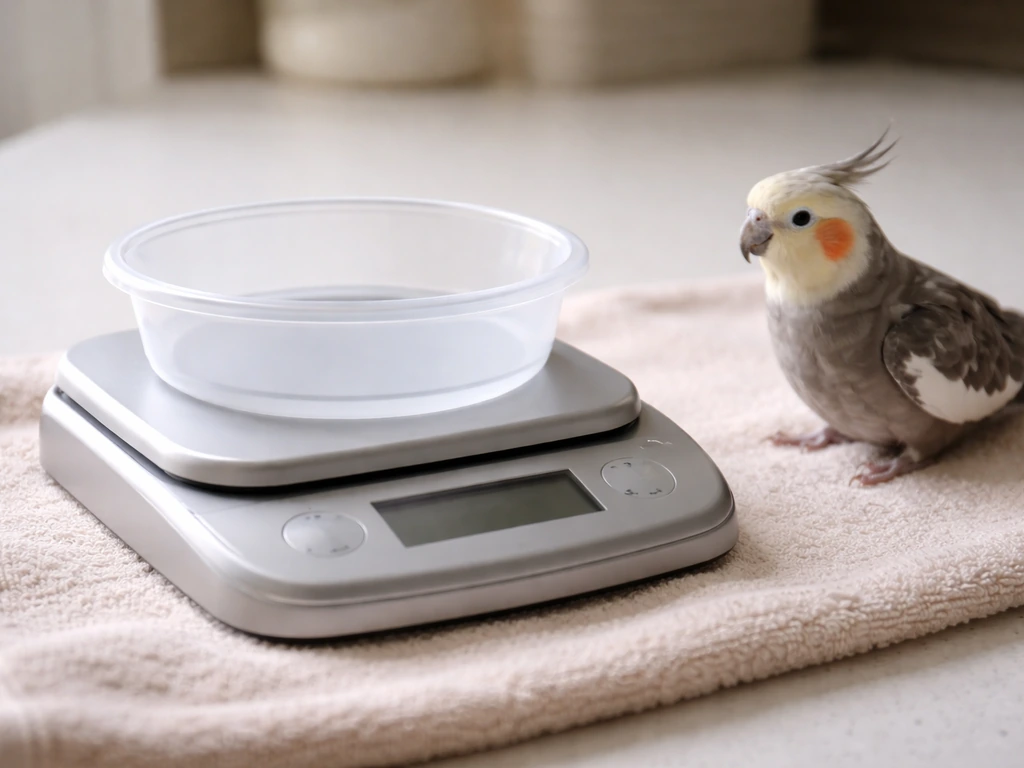
- Set up your scale on a flat, stable, draft-free surface and turn it on. Let it warm up for 30 seconds.
- Place your container, bowl, or bag on the scale platform. Wait for the reading to stabilize, then press the tare button (sometimes labeled 'zero' or 'T'). The display should return to 0.0 g with the container sitting on it. This is the tare step: it tells the scale to ignore the container's weight and only count what you add next.
- Prepare your bird. Have everything within arm's reach before you pick it up.
- Gently place the bird into the container or, if using a perch scale, guide the bird onto the perch. Do this calmly and quickly.
- Wait for the reading to stabilize. This is important: a bird shifting its weight or flapping will cause the numbers to jump around. Most digital scales display a stabilization indicator (a small symbol or the numbers stop blinking). Wait for that moment, then read the number.
- If the bird won't stay still, take three separate readings across a 30-second window and average them. Add the three numbers together and divide by three. That average is your best estimate.
- Record the weight immediately. Don't trust your memory.
- Return the bird to its enclosure or release point right away. Don't hold it any longer than necessary.
If you're using a bag instead of a rigid container, tie or fold it loosely closed after placing the bird inside. The semi-darkness inside a bag often calms birds down faster than you'd expect, which means a more stable reading. I've weighed small wild birds this way during banding practice and it genuinely works better than trying to hold a squirming bird against a scale platform.
Recording results and estimating weight changes
A single weight reading is interesting. A series of readings over time is genuinely useful. If you're monitoring a pet bird's health or tracking a bird you're rehabilitating, weigh it at the same time each day, ideally in the morning before the first feeding. Birds are lighter after fasting overnight and heavier after eating, so consistency in timing is what makes your numbers comparable.
Keep a simple log. A notebook works fine, or a phone app, or a spreadsheet: whatever you'll actually use. Record the date, the time, the weight in grams, and any notes about the bird's behavior or condition. Over a week or two, you'll start to see the bird's normal weight range, which is far more meaningful than any single number.
The number to watch out for: if a bird loses more than 10% of its body weight, that's a threshold where a vet call is warranted. So if your bird normally weighs 100 grams and drops to 89 grams, don't wait and see. That's a meaningful decline. On the flip side, a gradual, consistent gain in a recovering bird is a great sign and worth tracking carefully.
For wild birds you're observing or banding, weight data also helps you spot seasonal fluctuations, migration-related changes, and breeding condition shifts. For broader conservation work, learning how to count bird populations alongside your measurements helps you interpret changes in numbers over time conducting bird counts or population surveys. These are exactly the kinds of data points that matter if you're also conducting bird counts or population surveys alongside your weighing work.
Common mistakes and troubleshooting
The reading won't stabilize
This is usually the bird moving. Try the container or bag method if you haven't already. Also check that the scale itself isn't on an uneven surface. Place a piece of paper under one corner if the table has a slight wobble. If your scale has an auto-stabilization or averaging mode, turn it on.
The bird won't stay in the container
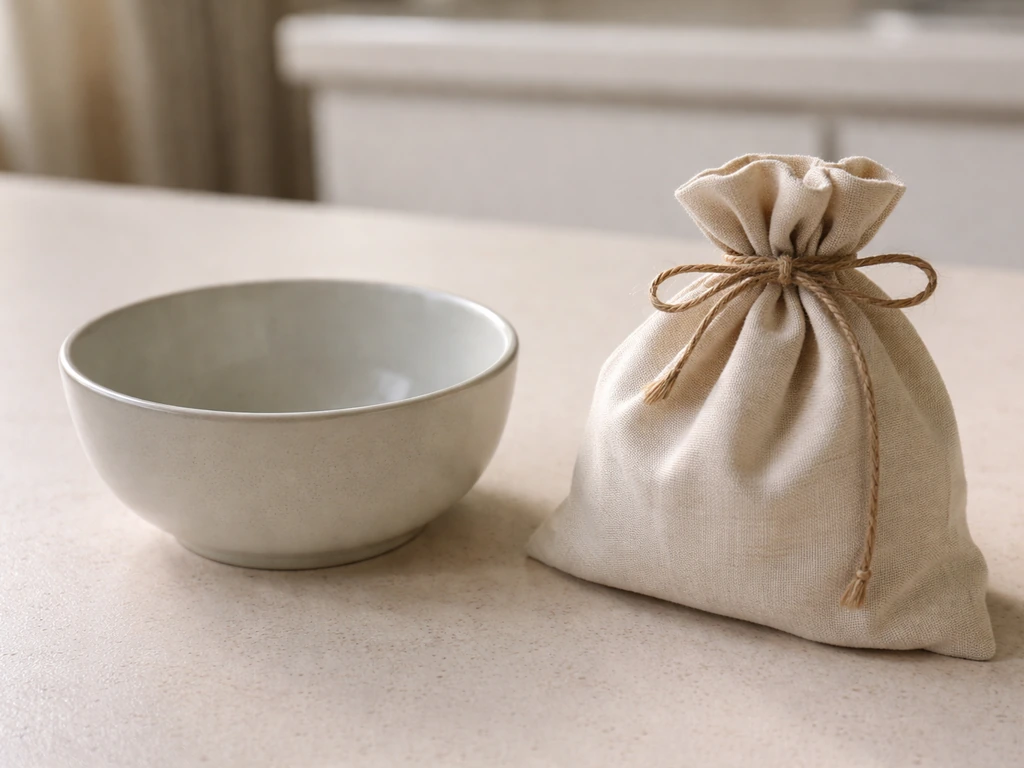
Try a smaller container that fits the bird more snugly (without being tight enough to stress it). A cloth bag with a loose tie at the top often works better than an open bowl for flighty birds. Dimming the lights in the room before you start can also reduce the bird's urge to escape.
The scale seems off or gives wildly different readings each time
Calibrate it. A Maine DHHS calibration-instructions document provides procedural guidance for checking and verifying digital scale calibration blank" rel="noopener noreferrer">Calibrate it.. Most digital scales come with a calibration weight or can be calibrated using a known object (a coin of known weight works in a pinch). If your scale is giving readings that vary by more than 2–3 grams on a stable object, it needs calibration or replacement. Budget scales sometimes drift after a few months of use.
You forgot to tare the container
This happens to everyone at some point. If you have the container's weight recorded (weigh it separately when empty), you can just subtract it from the total. Going forward, make taring the first step in your checklist before the bird is anywhere near the scale.
The bird seems extremely stressed
Stop. Place the bird back in its enclosure or a quiet, ventilated box and let it calm down for at least 20 to 30 minutes before trying again. A weight reading isn't worth a bird going into shock. If you genuinely can't weigh the bird without causing extreme distress, watch for other health indicators instead, like fecal output. Reduced droppings are a sign to call a vet even without a scale weight.
Aftercare: what to do based on the weight result
Once you have a weight, what you do next depends on why you're weighing the bird in the first place. Here's how to think through the most common situations:
- Healthy pet bird, routine check: If the weight is within 5% of the bird's established normal range, great. Return the bird to its cage, offer fresh food and water, and log the result. No further action needed.
- Pet bird with unexplained weight loss over 10%: Contact your vet today. Bring your weight log if you have one. This kind of decline can signal illness, parasites, or dietary problems.
- Injured or wild bird you're caring for: Keep it in a quiet, ventilated container in a warm area. Minimize handling. A wildlife rehabilitator or vet should be involved as soon as possible. Your weight record is genuinely useful data to hand off.
- Bird you're monitoring for rehabilitation progress: Weigh daily at the same time, log every result, and look for a consistent upward trend. A plateau or dip after initial gains is worth flagging to whoever is overseeing the bird's care.
- Bird being weighed for research or banding: Record the weight alongside band number, species, date, location, and any behavioral notes. This data feeds into population monitoring work, the same kind of documentation used in formal bird surveys and counts.
Weighing a bird is one of those skills that feels intimidating the first time and completely routine by the third. If you’re also planning fieldwork, you may want to pair this with learning how to do a bird count so your weight data and population observations both make sense over time. Once you have a reliable gram-accurate scale, a container that works for your bird, and a simple log going, the whole process takes under two minutes.
The hardest part is usually convincing yourself to start. Now you have the method, so go take that first reading. If you need an even more specialized setup, you can also learn how to use a bird wattmeter for certain monitoring tasks.
FAQ
How long should I leave the bird on the scale before I write down the weight?
Tear the “time” out of the math. Wait until the display stops changing, record that number, and avoid taking multiple readings back-to-back. If you must repeat, do it after the bird is calmer, and write down each reading plus the time so you can tell stress spikes from real weight change.
What should I do if my scale only shows ounces or in big increments?
The most common mistake is using a scale that measures in ounces or only shows large step sizes (like 5 g). Even if the number “looks” close, it will hide small but important changes. Use a gram scale with at least 1 g resolution, and 0.1 g is helpful for very small birds.
My scale reading keeps changing by a few grams. What’s the right troubleshooting order?
If your scale seems to fluctuate, put it on a truly stable surface, remove drafts, and make sure the bird container is sitting flat and not rocking. Also check that you tared with the empty container on the scale platform (tare should be after the container is in place), then recheck on a stable known object.
How can I tell if a sudden weight drop is real or just stress or timing?
Use the log to catch “false alarms.” Weigh at the same time daily, preferably before feeding, and repeat once if the bird was visibly stressed during that particular session. If you see a drop near the 10% mark but behavior looks off or timing changed, reweigh later that day after the bird has settled.
What lining should I use in a container or bag so the bird stays safe?
For container or bag weighing, line the container with a smooth, secure layer (paper towel or soft cloth) and avoid fibers that can snag claws or feathers. Loosely close the container, so the bird is contained but not compressed against the material.
What if I keep getting different weights each time I try?
If you get different results each time, stop trying to “chase” a single number. Allow 20 to 30 minutes between attempts, then take one clean reading when the display is stable. Your best target is repeatable weights across days, not perfectly identical weights within a minute.
Can I weigh my bird more than once per day?
Yes, but do it with the right cadence. If you weigh more frequently than daily, use the same schedule each time and consider averaging two stable readings taken minutes apart while the bird remains calm. Also treat short-term fluctuations as trends, not diagnoses.
What signs mean I should stop weighing and not try again?
Stop and address it immediately. If the bird is panting, struggling hard, or going limp, that indicates excessive stress. Place it back in a calm, ventilated enclosure and wait until fully settled. If you cannot obtain a safe reading, rely on other health indicators and contact a vet.
How do I make weight comparisons meaningful if my weighing time changes?
A bird that feels heavier before it is allowed to calm down is a common trap. Also, post-feeding weights can rise quickly, so compare only measurements taken at the same time relative to meals. If you switched from morning to afternoon, your log will no longer be directly comparable.
I forgot to tare or record the container weight. Can I still use the number I got?
If the empty container weight wasn’t recorded, you can still fix it, but be consistent going forward. Weigh the container empty once you have it ready for future weigh-ins, then subtract going forward. For the current number, flag it in your notes because it may be less reliable.
How do I weigh tiny birds that won’t hold still?
In very small birds, even mild movement can create scatter. Prefer the bag or snug container method, keep handling time short, and ensure the container is sized so the bird cannot thrash but is not forced into a tight posture. A dim room and quiet background can help stabilize breathing-related movement.
Next Article
How to Bird Mouth a Rafter: Step-by-Step DIY Guide
Step-by-step guide to cut the bird-mouth notch in a roof rafter, measure pitch accurately, and fit for a tight seat.