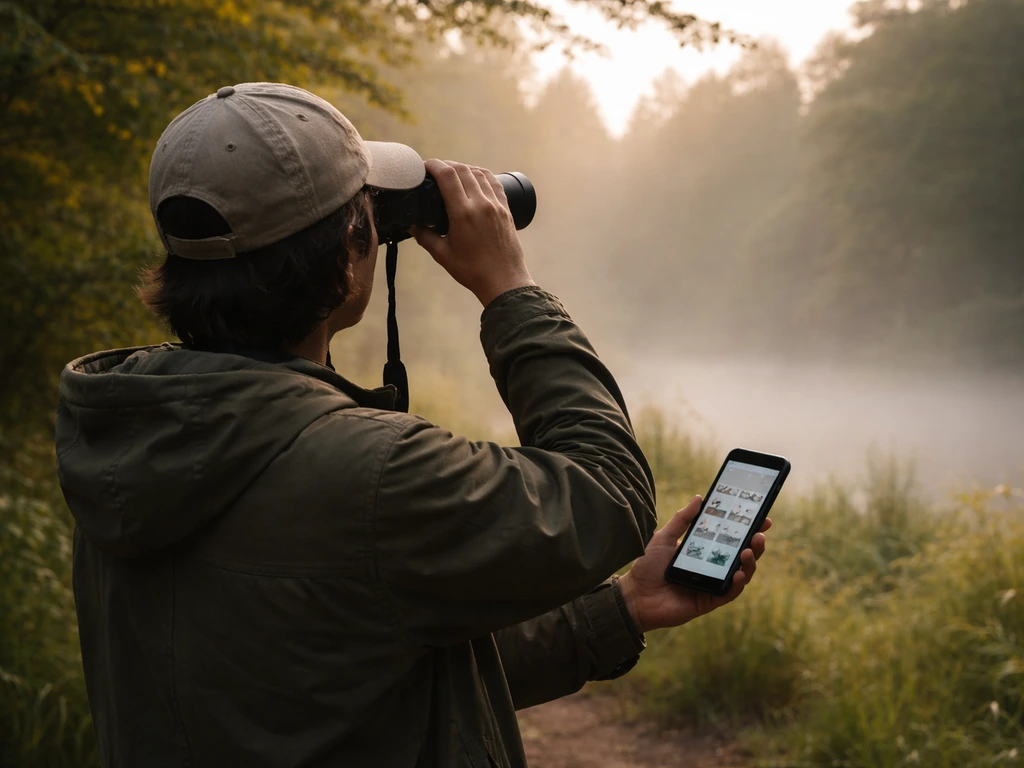
The right bird book can completely change how you experience the outdoors. The wrong one collects dust on your shelf. So here is the short answer: to find the best bird book, you first need to figure out what type you actually need, then narrow it down by region, and finally pick a format that matches how you learn. Everything below walks you through that process step by step, from defining your needs to cracking open the book on your first real birding outing.
How to Find a Bird Book: Step by Step Guide

Marcus Hendricks
10 Apr 2026

First, figure out which type of bird book you actually need
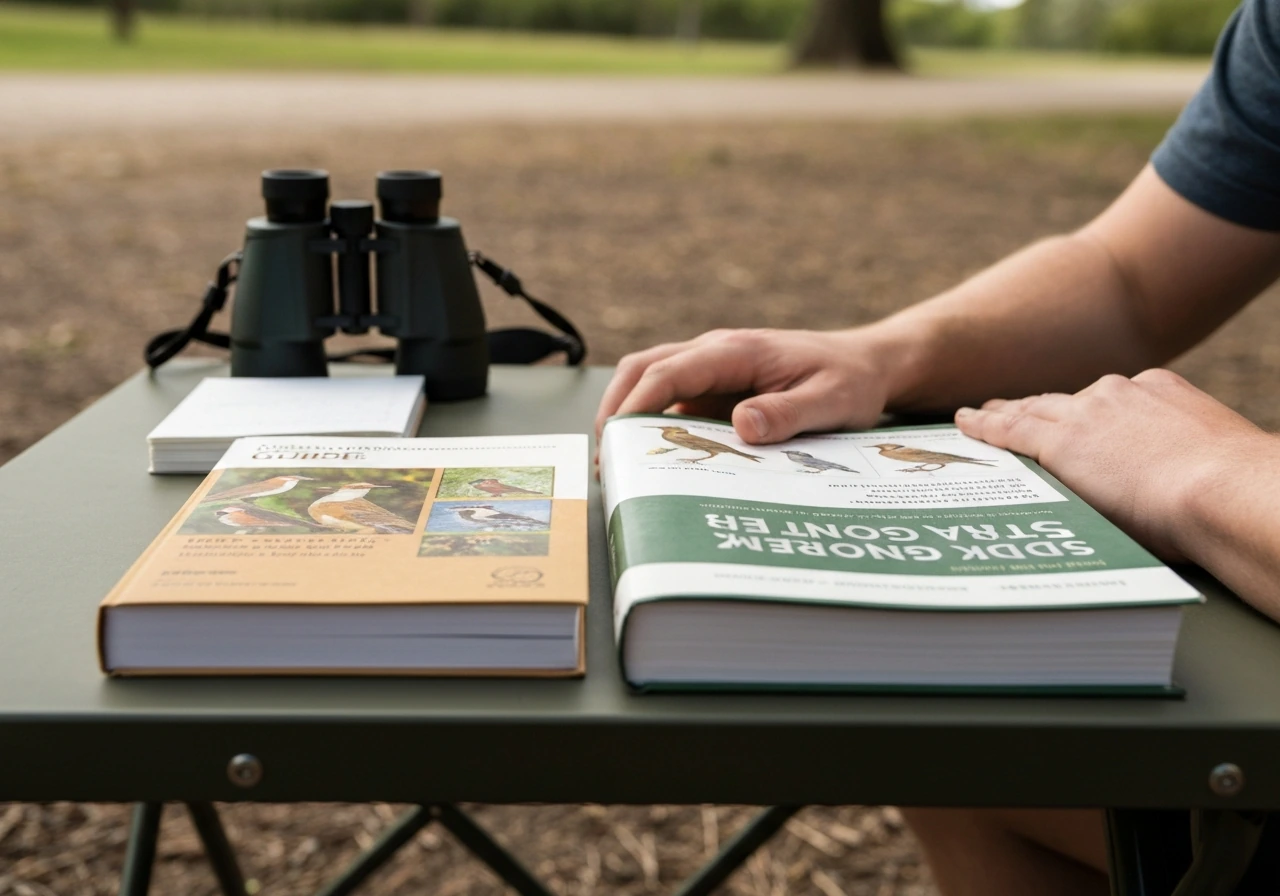
Not all bird books are the same, and buying the wrong type is the number one mistake beginners make. Before you search anywhere, spend two minutes answering this: What do you want to do with it? There are a few distinct categories, and they serve very different purposes.
- Field guide: A compact, portable reference built for use outdoors. It covers a wide range of species, includes range maps, and focuses on quick identification. Examples include the Sibley Guide to Birds and the National Geographic Field Guide to the Birds of North America. These are the workhorses most birders rely on.
- Regional or local identification guide: Covers only the birds found in a specific area (like the Pacific Northwest or the UK). Much more manageable if you are a beginner who does not need 800 species staring back at you.
- Feeder and garden guide: Focuses on common backyard birds. Perfect if your goal is identifying the birds showing up at your feeder rather than trekking into the woods.
- Beginner or kids guide: Simplified language, fewer species, and often designed around the most commonly seen birds. Great starting point if you feel overwhelmed by full field guides.
- Audio-paired guides: Books or apps that connect physical descriptions to actual recorded bird sounds, either through a companion app, QR codes, or bundled audio. Hugely helpful because many birds are heard before they are ever seen.
If you are brand new to birding, a regional beginner guide or a feeder guide is usually the best entry point. If you are ready to get serious about how to bird as a real hobby, a full field guide for your region is worth the investment. Knowing this before you search saves you a lot of time.
Where to search and buy bird books
Once you know what type you need, the good news is that bird books are easy to find. You have more options than you might think, and some of them are completely free.
Online retailers

Amazon, Barnes and Noble, and AbeBooks all carry a wide selection. Search the specific type plus your region, for example "birds of the Southeast field guide" rather than just "bird book." Read the product description carefully to confirm the geographic coverage before ordering. If you want a digital version, Amazon Kindle, Google Play Books, and Apple Books carry many major field guides as ebooks.
Your local library
This is genuinely the best first move if you are unsure which book is right for you. Most public libraries carry at least a few field guides, and borrowing one first lets you test the format and layout before spending money. Use your library's online catalog and search terms like "bird identification" or "birds of [your state/country]." Some libraries also carry audio-enhanced editions.
Used book markets
ThriftBooks, AbeBooks, eBay, and local used bookstores often have field guides at a fraction of the cover price. The main thing to watch: check the edition year. Bird taxonomy and range maps get updated, and a guide from 15 years ago may have outdated species names or missing information. I have picked up great deals this way but also ended up with a book that used old species classifications that confused me for weeks.
Local birding and nature shops

Wild bird specialty stores (like Wild Birds Unlimited locations) often have a curated selection of regional guides. The staff there are usually birders themselves and can point you to what actually gets used locally. Nature centers, state parks gift shops, and Audubon chapter offices are also worth checking. These spots tend to stock region-specific books that generic online searches might bury.
How to evaluate a bird book quickly before buying
Whether you are holding a book in a store or reading a preview online, there are a handful of things to check that will tell you almost everything you need to know about whether it fits your needs.
| What to Check | What to Look For | Red Flag |
|---|---|---|
| Geographic coverage | Covers your specific region or country, not just continent-wide | A North America guide when you only need Eastern US birds |
| Species list size | Matches your experience level (fewer = more beginner-friendly) | 800+ species when you are just starting out |
| Photos vs. illustrations | Illustrations show consistent field marks; photos show real-world variation | Only one type with no explanation of ID features |
| Range maps | Multi-season maps showing where birds appear year-round vs. seasonally | Static single maps or no maps at all |
| Identification keys | Clear field marks called out (size, color, beak shape, behavior) | Dense text paragraphs with no visual callouts |
| Audio support | Companion app, QR codes, or website with recorded songs and calls | No audio component at all for a beginner guide |
| Edition/publication date | Within the last 10 years, ideally 5 | Pre-2010 editions with outdated taxonomy |
On the photos versus illustrations debate: both have real value. Illustrations, like those in the Sibley guides, are drawn to highlight the key field marks that separate similar species. Photos show you what a bird actually looks like in varying light and angles. The best beginner books often use both. If you are learning how to find out a bird's species from scratch, illustrations with labeled field marks are usually clearer to learn from first.
Audio support is more important than many beginners realize. A large share of bird identification happens by ear, not by sight. The Sibley eGuide, for example, includes over 2,300 recorded calls and songs, which is a massive help when you are trying to match what you hear to a name. The Audubon Bird Guide app pairs more than 8 hours of audio clips with photos and multi-season range maps. Even if you start with a printed book, check whether it has a companion app or QR codes that link to audio.
Using reviews and comparisons to pick the right one
Do not just read the star rating. The most useful reviews mention the reader's experience level and location, since a five-star review from an expert birder in California tells you almost nothing if you are a beginner in the UK. When reading reviews, look specifically for comments that mention your region and whether the person is a beginner or an experienced birder.
A few reliable places to find informed comparisons: the American Birding Association website, Audubon Society chapters, birding forums like BirdForum.net, and subreddits like r/birding. These communities have extensively tested and compared the major guides. People there will tell you things like "the photos in that guide are too dark for useful ID in the field" or "the range maps in this edition are much better than the previous one," which you simply cannot get from a back-cover blurb.
When comparing two books you are genuinely torn between, look up the same species in both and compare how they handle it: How many images are shown? Are the field marks labeled? Is the range map seasonal or static? Is the written description clear and plain? That quick test on two or three species will tell you more than any review.
It also helps to know how you will be using the guide in practice. If your goal is to track a bird's movement and behavior over time, you want a book with detailed range maps and behavioral notes. If you just want to confirm what landed on your fence, a simpler feeder guide with quick visual comparisons is all you need.
Getting started with your first bird book right away
A lot of people buy a field guide, flip through it once, and then feel overwhelmed. Here is how to actually put it to use from day one.
- Read the introduction first. I know, boring, but field guides have front matter that explains how to use the organization system. Skipping this is like trying to use a map without knowing what the symbols mean.
- Learn the layout. Most field guides organize birds by taxonomic order (related species grouped together) rather than alphabetically. Know where songbirds, raptors, shorebirds, and waterfowl live in your specific book.
- Mark a few starter species. Pick 10 common birds in your area and find each one in your book. Read the field marks and look at the range map. This builds the habit of connecting what you see to what the book says.
- Keep it accessible. If it lives in a bag or by your door, you will actually use it. If it stays on the shelf, you will not.
- Use it alongside an app. Tools like Merlin Bird ID from the Cornell Lab can listen in real time and suggest species based on sound. Use the app in the field, then cross-reference with your book to deepen what you learn. This combination builds real identification skills faster than either tool alone.
- Practice indoors first. Go out into your yard or look out a window and try to identify whatever shows up. Low stakes, no hiking required. This is how I personally got comfortable with a new guide before taking it anywhere serious.
If you eventually want to go beyond your book and learn how to find a bird in the field more reliably, the combination of a good field guide and a sound ID app is hard to beat. The book builds your knowledge base; the app gives you a quick check in the moment.
Mistakes to avoid when choosing a bird book
I have made most of these mistakes personally, so consider this a shortcut past the frustrating parts.
- Wrong region: This is the biggest one. Buying a guide to Birds of North America when you live in the UK, or a Western birds guide when you are in the Eastern US, means most of what you are looking at simply will not show up in your area. Always confirm geographic coverage first.
- Too technical for your level: Some guides are written for experienced birders and assume you already know what a supercilium or a malar stripe is. If you are just starting out, pick up a beginner-friendly guide even if a more advanced one has better photos. You can upgrade later.
- Outdated edition: Bird taxonomy changes regularly. Species get split, merged, or renamed. A book from 15 years ago might list species under names that no longer match modern databases, which creates confusion when you try to cross-reference with apps.
- No audio component: For a beginner especially, a book with no connection to actual bird sounds is only half the tool you need. Even if the book itself is excellent, make sure you have some way to hear the birds it describes.
- Ignoring format and size: A hardcover coffee table book is not a field guide. It is too heavy and fragile to bring outside. Conversely, a pocket guide so small the text is unreadable is frustrating in the field. Hold it (or check dimensions online) before committing.
- Skipping regional specialization: A general guide covering 800 species sounds impressive, but if 600 of those species never appear near you, it is not the most practical tool. A regional guide covering 200 locally relevant species often gets more use.
One thing worth mentioning: if you are dealing with a specific situation, like trying to find a missing bird that has escaped or gone out of sight, a standard field guide is not the tool for that. And if you are curious about animal behavior basics like how a bird finds a worm, look for natural history books or behavioral guides, which are a separate category from identification field guides.
Also, if you have come across a reference to "the bird in unwanted experiment" as some kind of puzzle or challenge, that is a completely different type of search. You can check out how to find the bird in the unwanted experiment if that is what you are actually after. It is unrelated to bird watching guides.
Your next step is simpler than you think
Start at your library. Borrow one regional field guide and one beginner guide if they have both. Spend a week with each and see which format clicks for you. Then buy the one you actually liked using. This approach costs nothing upfront and removes all the guesswork. If your library catalog is bare, use the free Merlin Bird ID app while you wait for a book to arrive, since it will get you identifying birds today with no investment required.
The best bird book is not the most comprehensive one on the market. It is the one that matches your region, your experience level, and the way you actually learn. Get that right first, and everything else follows naturally.
FAQ
Can I use a bird book from a neighboring state or country if mine is out of print?
Yes, but only if you confirm the scope before buying. Look for the exact country, state, province, or ecoregion the book covers, and check whether it includes nearby “vagrant” species that might appear in your area. A book labeled for a region can still omit parts of that region, especially if you live near a border.
What if I do not know whether I will be a feeder birder or a field birder?
A good rule is to match the book to your viewing style, not your aspiration. If you usually bird from feeders, trails with a short sight window, or backyards, a feeder or quick ID guide with simplified comparisons will help more than a heavy atlas-style field guide. If you spend time scanning habitats and want deeper context, choose a full field guide.
How do I know if an older used bird book is still accurate enough?
Go by edition year and by whether the taxonomy section explains changes. After major updates, the same species may be split, renamed, or moved, which can make an older book contradict what apps show. If the book is older, test it on a few species you commonly see locally, and check whether the names match what you hear and see today.
Is a bigger, more comprehensive field guide always better for beginners?
Do not rely on “comprehensive” as a buying metric. A book can include many species but still be hard to use if images are unclear, field marks are not labeled, or the key relies on details you cannot see in real time. When previewing, check how quickly you can get to a positive ID for 2 or 3 birds you actually expect to see.
Which matters more for identification, photos or audio, and how can I choose correctly?
If you hear birds more than you see them, prioritize audio support. Even if the book is printed, look for a companion app, downloadable audio, or QR codes that link to call recordings. Also check whether the book indicates the kind of sounds described (contact calls versus songs), because that affects how you match what you hear.
How can I tell if a bird guide is beginner-friendly before I buy it?
Start with the book’s “how to use” section and the identification approach it expects. Some guides assume you already understand basics like age and sex differences, while others walk you through a beginner-friendly sequence. If the guide includes a key, practice it indoors on birds you are sure of, then retest in the field before committing to the full guide.
How should I read star ratings and customer reviews for bird books?
Use reviews as a filter, not as proof. Focus on reviews that mention the reviewer’s location and what they were able to identify, and treat complaints about photo darkness, crowded plates, or unclear keys as real warning signs. Ignore reviews that only say “easy” or “great,” especially if they do not describe the region and use case.
How do I evaluate whether a book’s illustrations or photos will actually help me identify tricky look-alikes?
When a bird book includes both photos and illustrations, check whether they serve different purposes. For example, illustrations with labeled field marks should clarify similar species separation, while photos should show variation across lighting and angles. If the book has only one type, consider whether your main problem is spotting field marks or confirming a look-alike.
If I want to learn behavior, should I still buy an identification field guide?
Do not confuse an identification field guide with natural history or behavior books. If your goal is to understand feeding, nesting, migration timing, or habitat use, choose a natural history guide instead. Identification books focus on distinguishing species, and they usually will not give you the depth of behavior you are looking for.
Can I combine a book with an ID app, and if so, how should I use them together?
Yes, especially for quick checks, but do not treat apps as a replacement for learning. A common setup is using the book to build your mental library, then using an app for confirmation in the moment. If you go this route, make sure the app’s region settings match your current location, otherwise it may bias suggestions.
What is the best way to decide between two bird books I am torn between?
Yes, but with a caveat. The best approach is to borrow one regional field guide and one beginner guide from the library, then spend time comparing them on the same species set. If both feel too advanced, downgrade to a feeder guide for your early months, then upgrade when you can reliably use the guide’s key or field marks.
What should I do if my library does not have the exact bird book I want?
If your library has limited copies, try a short-term strategy. Reserve the book online if your system supports holds, and ask staff for additional interlibrary loan options for out-of-region guides if you are planning travel. While you wait, use a reliable ID app to get practice with names and then come back to the book once it arrives.
Next Article
How to Find a Bird Today: Step-by-Step for Beginners
Step-by-step guide to find and identify birds today using habitats, timing, calls, feeders, binoculars, and apps.