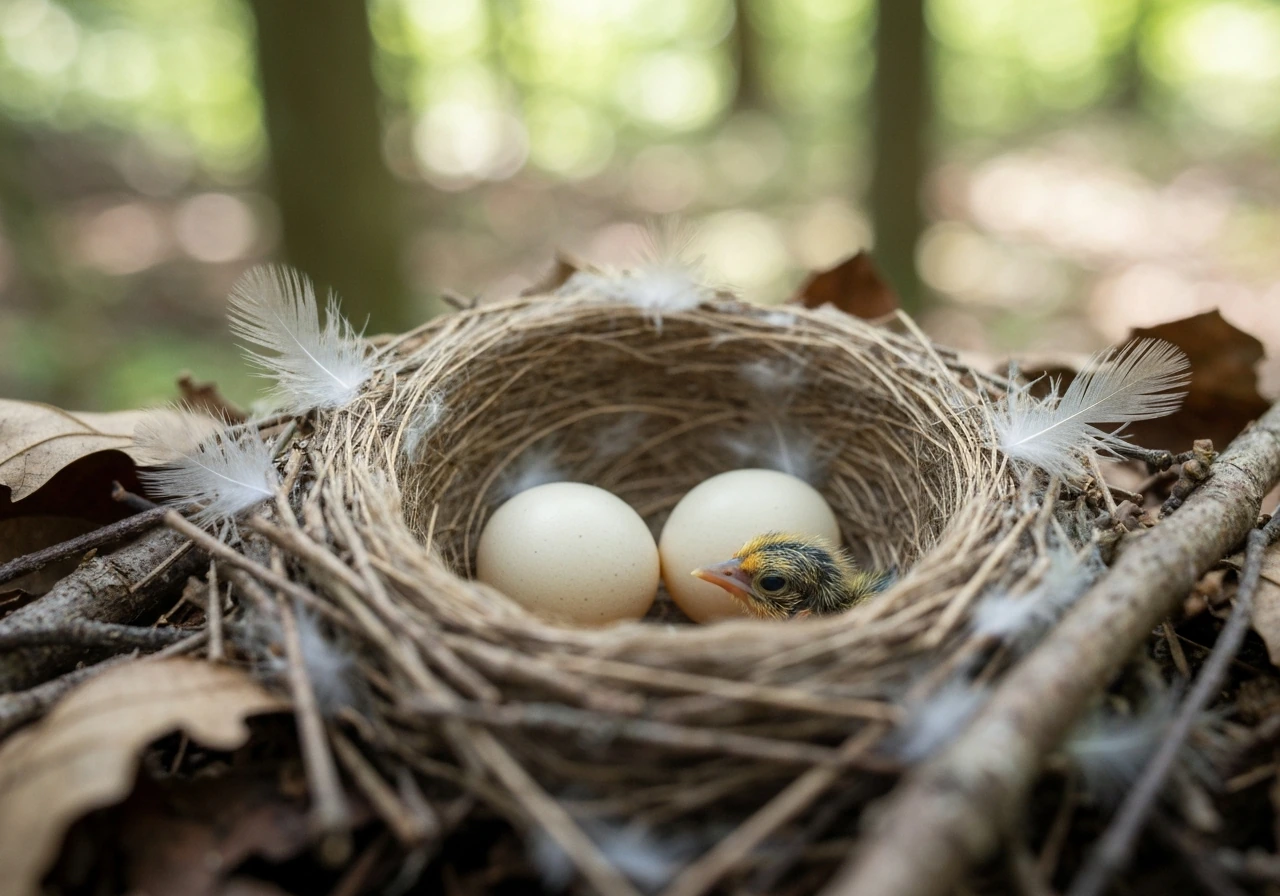
You can measure a bird's wingspan accurately with a flexible tape measure, a flat surface, and a basic understanding of where to start and stop the measurement. The trickiest part isn't the math or the tools. It's handling the bird correctly, finding the right reference points on the wing, and knowing what to do when the wings won't fully open. This guide walks you through all of it, step by step.
How to Measure Wingspan of a Bird Safely and Accurately

Marcus Hendricks
18 Apr 2026
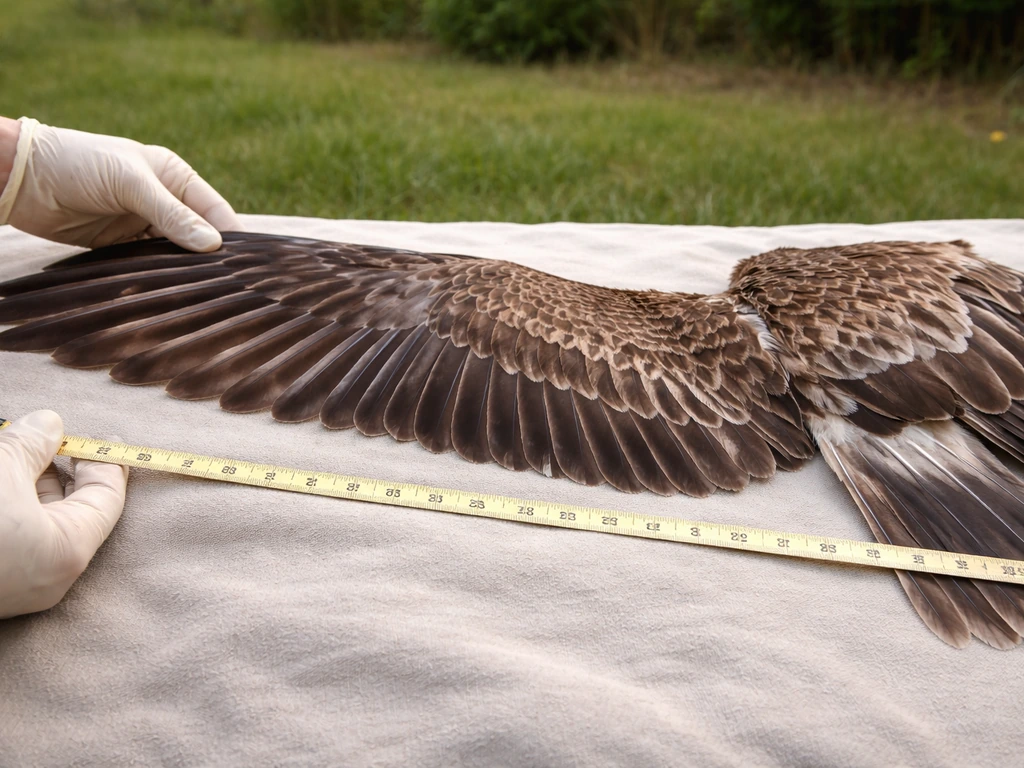
Tools and setup before you start
Getting the right tools together before you touch a bird makes everything faster and less stressful, for you and for the bird. Here's what you actually need:
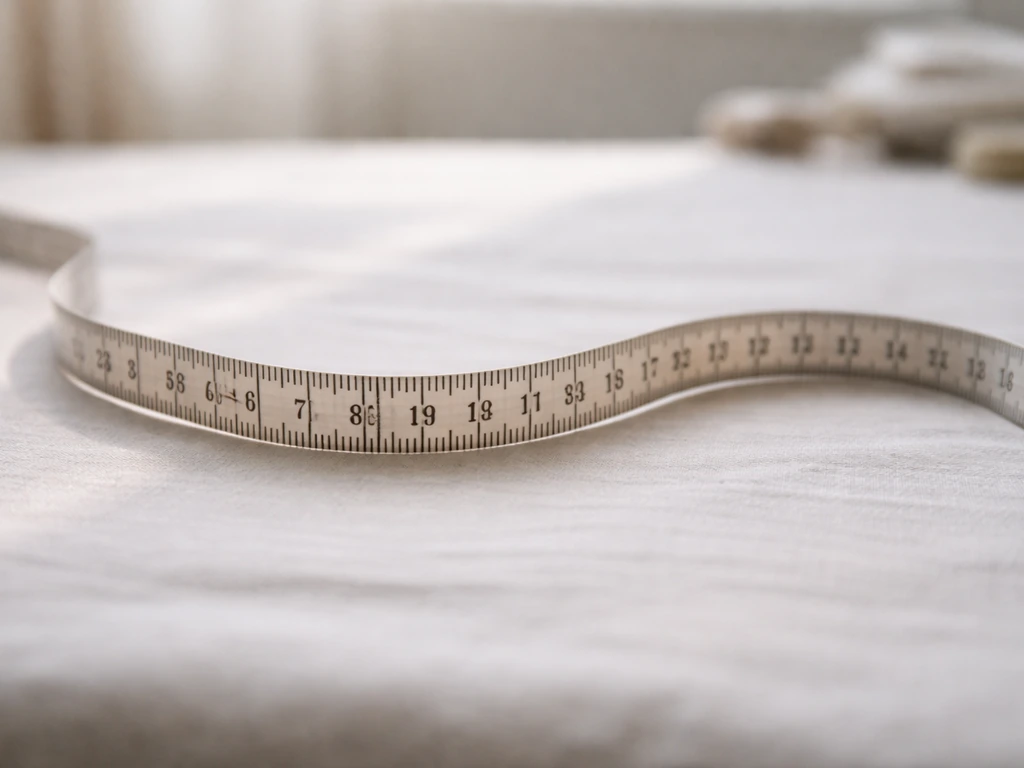
- A flexible fabric or plastic tape measure (the kind used in sewing works perfectly, since it bends along the wing surface without slipping)
- A flat, firm surface at least as wide as the bird's expected span (a folding table or clean piece of plywood is ideal)
- A rigid ruler or wing ruler with a raised stop at one end (used by banders to measure half-wingspan from the carpal joint to the wingtip)
- A notepad or phone for recording measurements immediately
- A helper if possible, especially for larger birds
- Thin cotton or latex gloves if you're handling a wild bird under permit
The flat surface matters more than most beginners expect. I tried measuring a sparrow on a slightly curved countertop once and got a reading about 8mm longer than the real value because the tape bowed upward. Use something genuinely flat. If you're measuring a live bird in the field, a firm clipboard held level works in a pinch.
One quick note on units: decide whether you're working in millimeters or inches before you start, and stick to it throughout. Ornithologists almost universally use millimeters because small measurement errors compound badly when you're comparing birds across species. Millimeters are worth getting used to.
How to measure wingspan safely, step by step
Before we get into the steps, a quick clarification on terminology. "Wingspan" means the full tip-to-tip distance across both wings when the wings are fully extended. "Wing length" (what banders usually measure) is the distance from the carpal joint, which is the bend or "wrist" of the wing, to the tip of the longest primary feather. Full wingspan is roughly double the wing length plus the width of the body across the shoulders. We'll cover how to calculate full wingspan from wing length in the next section.
- Restrain the bird calmly and safely. If you're working with a banded or handled bird under a permit, hold the bird gently in your non-dominant hand with the body supported. Keep the head covered or in a quiet dark environment to reduce stress. Never grip the keel (the breastbone ridge) tightly. For a wild bird you found grounded or injured, wrap loosely in a cloth to control the wings before measuring.
- Lay the bird on the flat surface with its back facing up (dorsal side up). This is the standard position for wing measurement.
- Locate the carpal joint. This is the obvious bend in the middle of the wing, sometimes called the "wrist." It's where the wing angles sharply before the primary feathers fan out. This is your primary reference point for all measurements.
- Extend one wing gently to its natural full extension. Don't force it past the point of natural resistance. A fully extended wing should lie flat without tension. If you feel the joint stiffening or the bird struggling, ease off.
- Place the stop of your wing ruler or the zero end of your tape measure snugly against the carpal joint, with the ruler running parallel to the leading edge of the wing.
- Measure from the carpal joint to the tip of the longest primary feather. The longest primary is usually the outermost or second-outermost feather, depending on species. Look for the feather that extends furthest when the wing is flat and extended. Write this number down immediately.
- Repeat on the other wing. Both sides should match closely. If they differ by more than a few millimeters, remeasure the shorter side. Asymmetry often means the wing wasn't fully extended.
- Measure the body width across the shoulders (from one carpal joint to the other, across the bird's back, with both wings folded). This is used to calculate full wingspan when needed.
Keep each measurement session as short as possible. Merck Veterinary Manual recommends keeping restraint time minimal and using quiet, slow handling to help reduce stress in birds. For small songbirds, aim to complete handling in under two minutes. Stress hormones in birds rise quickly, and a calm, quick measurement is always better than a prolonged, "perfect" one.
Which wing measurement method to use
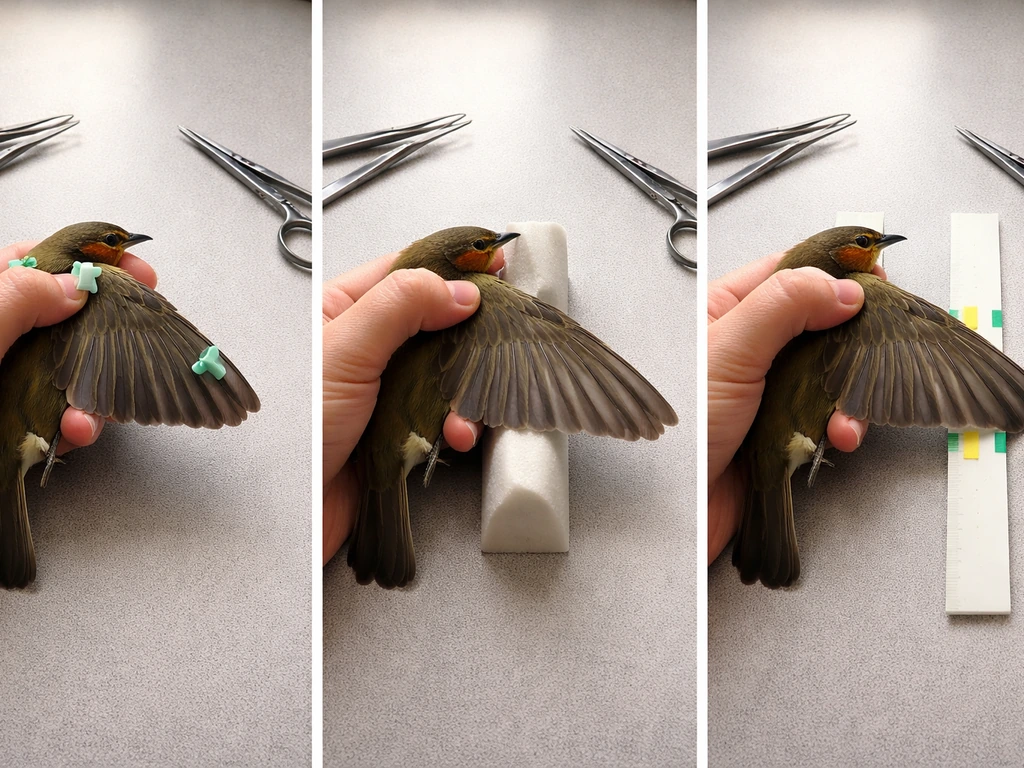
Ornithology recognizes three distinct measurement methods, and they give slightly different results. Bird reproduction involves mating and successful breeding behaviors, incubation, and raising young, which can affect how researchers plan observations and measurements measurement methods. Knowing which one you're using matters when comparing your numbers to published data.
| Method | Wing position | What it measures | Best used for |
|---|---|---|---|
| Classic (folded) wing | Wing folded naturally, primaries closed | Carpal joint to tip of longest primary with natural curve | Quick field measurements, most common in banding literature |
| Flattened wing | Wing extended and pressed flat, not stretched | Carpal joint to wingtip with feathers flat but not pulled | More repeatable; preferred in research studies |
| Flattened and stretched wing | Wing extended, flattened, and gently stretched to maximum | Maximum possible carpal-to-tip length | Comparative morphology studies; produces longest values |
For most hobbyists and beginner birders, the flattened wing method is the best balance of accuracy and repeatability. Just be consistent: if you use the same method every time, your measurements will be comparable to each other even if they differ slightly from published averages using a different method.
How to calculate full wingspan from partial measurements
Sometimes you can't get a full bilateral stretch. The bird is stressed, injured, or you just have one good wing measurement and a body-width number. Here's how to work with what you have.
The basic formula for estimating full wingspan is straightforward: Wingspan = (Wing length left + Wing length right) + Body width across shoulders. If you only have one wing measurement and the bird appears symmetrical, you can estimate: Wingspan = (Wing length x 2) + Body width. This works well for healthy, uninjured birds where wing symmetry is expected.
For example, say you measured a red-tailed hawk's left wing at 355mm from carpal joint to primary tip, and the body width across the shoulders is 90mm. Your estimated wingspan would be (355 x 2) + 90 = 800mm, or about 80cm. Published averages for red-tailed hawks run roughly 105 to 141cm for full wingspan, which tells you immediately something was off, either the wing wasn't fully extended or this is a juvenile with shorter primaries. That kind of cross-check is really useful.
If you're measuring from a photo or video rather than a live bird, you can use the same logic with pixel measurements, then apply a known scale reference in the image (like a banding band of known size or a ruler placed in frame). Measure the reference object in pixels, calculate pixels-per-millimeter, then measure the wing in pixels and convert. It's less precise than direct measurement but often the only option for wild birds you can't handle.
Mistakes that mess up your measurements
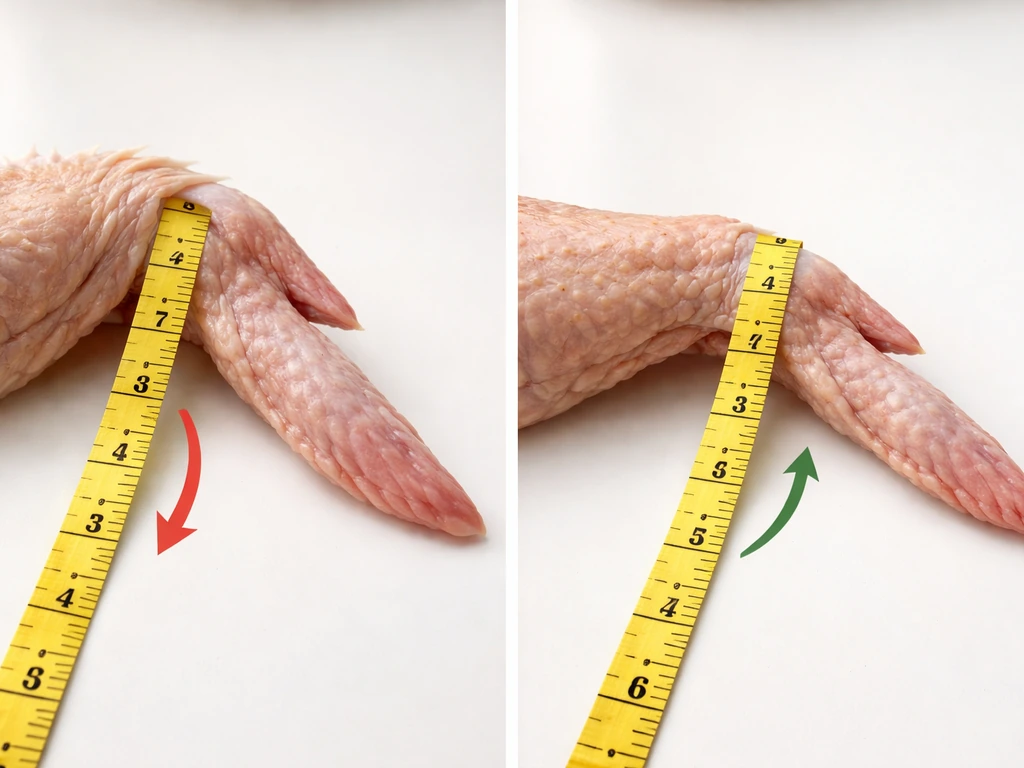
Most measurement errors are predictable. Here are the ones I see most often and how to fix them.
- Measuring from the wrong starting point: Don't start from the shoulder joint or the base of the feathers. Always start from the carpal joint (the wrist bend). Starting from the wrong point can add 20 to 40mm of error instantly.
- Inconsistent wing extension: If one wing is more extended than the other when you compare measurements, your numbers won't be useful. The wing should lie flat on the surface with the leading edge straight and the primaries fanned naturally, not bunched or overlapping.
- Pressing the tape against the feather surface instead of along the bone line: Feathers curve. The tape should follow the bone-to-tip line, not hug the feather surface. For the classic method specifically, follow the curvature of the closed wing, but for flattened measurements, keep the tape straight from carpal joint to longest primary tip.
- Measuring in mixed units: Switching between inches and centimeters mid-session is a surprisingly common mistake that creates comparison headaches. Pick one unit and write it at the top of your notes.
- Not recording which method you used: A flattened-wing measurement and a classic-wing measurement of the same bird can differ by 5 to 15mm. Always note the method so future-you can make sense of the data.
- Rushing and getting an incomplete extension: A wing that looks extended but is actually 80% open will give you a shorter reading than reality. Take a breath, ensure the wing is genuinely flat and full before measuring.
Recording results and comparing across birds and species
A measurement you don't record properly is almost as useful as no measurement at all. At minimum, log the date, location, species (or your best ID), the wing measurement method used, left and right wing lengths, body width, calculated full wingspan, age class if known (juvenile, adult), and sex if known. A simple spreadsheet works great for this.
When comparing your measurements to published species averages, look up the same method. The Handbook of Field Methods for Monitoring Landbirds and the North American Banding Council's study guides publish wing length averages using standardized methods. If your sparrow's wing length comes in at 65mm using the flattened method and the reference shows 63 to 68mm for that species, you're right in range. That kind of validation is satisfying and also tells you your technique is solid.
If you're measuring multiple birds over time, for example tracking growth in nestlings or comparing seasonal variation, build a simple table with one row per bird and consistent columns. Even a phone's notes app works if you're consistent. The goal is to be able to spot patterns, and patterns only show up when your data is organized the same way every time. This pairs nicely with tracking other physical measurements, and if you're already recording bird length (tip of bill to tip of tail), wingspan adds a meaningful second data point for your records.
Safety, ethics, and when not to handle a bird at all
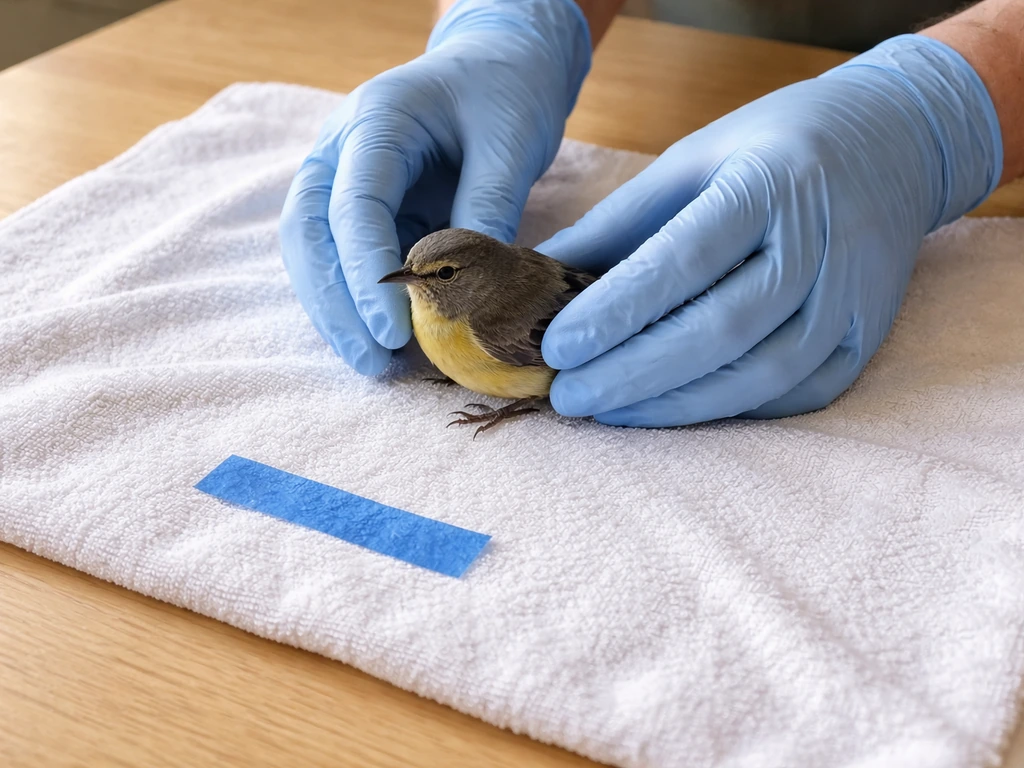
In most countries, handling wild birds without a permit is illegal, even with good intentions. In the United States, the Migratory Bird Treaty Act covers most native species. If you find an injured or grounded bird, you can briefly stabilize it and contact a licensed wildlife rehabilitator, but extended handling to take measurements is not something a hobbyist should do without permits and training.
If you're working with captive birds, birds at a licensed banding station as a volunteer, or domesticated species, the ethics and legality are different. Banding station volunteers often assist with measurements under the supervision of a licensed bander, and that's one of the best ways to get hands-on experience with wing measurement technique in a controlled, ethical environment.
For wild birds you can't or shouldn't handle, photo-based estimation is your best option. Set up a camera with a scale reference in frame, photograph the bird at rest with wings partially visible, and use the pixel conversion method described earlier. It won't be as precise as a direct measurement, but it's honest data that doesn't put the bird at risk.
Signs that a bird is too stressed to continue handling include rapid panting, limpness, eyes closing, or complete stillness (which can mean shock, not calm). If you see any of these, stop immediately, place the bird in a quiet, dark, ventilated box, and contact a rehabilitator. No measurement is worth a bird's life.
If you're exploring broader bird biology alongside these measurements, topics like bird reproduction and breeding behavior add useful context for understanding why wingspan varies between juveniles and adults of the same species. If you raise domesticated birds and want to connect this measurement work to results, pairing it with bird breeding tips can help you think about growth and readiness more strategically. Adult birds often show longer, more fully developed primaries than juveniles of the same sex, which directly affects wing length readings.
Your next steps
Start simple. Pick one bird you have legitimate access to, set up your flat surface and tape measure, and practice locating the carpal joint before you try to measure anything. That single reference point is the foundation of every wing measurement technique, and once you can find it quickly and confidently, the rest of the process moves fast. Log your first measurement, compare it to a published species average, and you'll immediately know whether your technique is on track. From there, it just gets easier. If you want to celebrate National Bird Day, you can also share what you learn about local species and conservation ways to help them thrive.
FAQ
What’s the safest way to measure wingspan of a live bird when it keeps folding its wings?
Stop trying to force a full bilateral stretch. If wings won’t extend, use wing length measurements and estimate wingspan with Wingspan = (Wing length left + Wing length right) + body width across shoulders (or wing length x 2 plus body width if you can assume symmetry). If the bird shows stress signs, switch to photo-based estimation or contact a rehabilitator.
Where exactly should I measure wing length from, if I’m using wingspan calculations?
Use the carpal joint as the start point (the bend at the wing “wrist”). For the end point, measure to the tip of the longest primary feather, not to the longest feather you can see, and don’t include tail feathers or coverts.
Should I measure wingspan with the bird standing, lying, or being held in a specific posture?
For live birds on a flat surface, aim to keep the shoulder line level and measure with the bird supported so the shoulders are as straight as possible. Avoid letting the bird curl or slump, because body width across the shoulders then changes, which directly alters the wingspan estimate.
How do I handle left and right wings that don’t look perfectly symmetrical?
Record both wing lengths separately and use the full formula with left and right (Wingspan = left wing length + right wing length + body width). If one side is injured or noticeably drooping, flag that measurement in your notes and consider using it only for internal tracking, not for comparing to published averages.
If my measured wingspan is way lower than the species averages, what should I check first?
First verify you’re using millimeters or inches consistently, then confirm the tape is straight and the surface is truly flat. Next, check that the wings reached full extension for the method you chose, and confirm you logged the correct reference points (carpal to primary tip for wing length, tip-to-tip for flattened wingspan).
Can I estimate wingspan from a single wing if the bird’s wingspan seems asymmetric?
Only with caution. If the bird is uninjured and the wings appear symmetrical, Wingspan = (wing length x 2) + body width can work. If there’s visible droop, injury, or inconsistent feather spread, measure both sides or use photo-based pixel estimation instead of doubling a single wing.
How should I measure body width across the shoulders for the formula?
Measure across the shoulder line at the widest point of the shoulders, using the same units as your wing measurements. Keep the bird positioned so the shoulders are not compressed together, because squeezing will underestimate shoulder width and reduce the final wingspan number.
What’s a practical target for how consistent my measurements should be over repeated tries?
For small songbirds, repeatability is more important than “perfect.” Try to keep sessions short and re-measure if you see obvious issues like a bowed tape or incomplete extension. If repeated measurements differ noticeably more than expected for the species, treat it as a technique or positioning problem and adjust the setup.
How do I measure wingspan accurately from photos or video if the bird isn’t side-on?
Use the pixel conversion method only when the wing tips and shoulder line are in the same plane as much as possible. If the bird is angled toward or away from the camera, your pixel scale will not match real distances well. Try to capture the bird in a straight side view with a clear scale reference in the same frame.
What should I record so my wingspan data is actually useful later?
Beyond the measurements, log the measurement method (flattened wing method vs wing length plus body width), left and right wing lengths, shoulder width, calculated wingspan, age class if known, and sex if known. Also record handling context (live bird with extension, live bird without full extension, or photo-based) because method differences can explain “outliers.”
Is it legal to measure wingspan of wild birds just for personal curiosity?
In many places it is not. In the United States, handling most native species can fall under the Migratory Bird Treaty Act without the right permits or training. If you find an injured bird, brief stabilization and contacting a licensed rehabilitator is the safer route, extended measurement handling generally should be avoided.
When should I stop immediately during a measurement?
Stop if you see rapid panting, limpness, eyes closing, or complete stillness that could indicate shock rather than calm. Then move the bird to a quiet, dark, ventilated container and contact a rehabilitator if needed.
What’s the fastest way to practice locating the carpal joint correctly?
Practice on a bird or specimen you’re allowed to handle (or on images) and time yourself until you can identify the bend point consistently. The carpal joint location is the foundation of wing length, so if you can’t find it quickly and repeatedly, your wingspan calculations will stay inconsistent.
Next Article
Bird Reproduction Method: A Step-by-Step Breeding Guide
Step-by-step bird reproduction method guide: breeding timing, courtship, nest, eggs, incubation, chicks, fledging, and s