Using a bird call is straightforward once you know what type you have, how to hold it, and what patterns actually work in the field. The short answer: pick a call that matches the birds in your area, learn two or three simple patterns, get your placement and timing right, and listen more than you call. That's it. Everything below fills in the details so you can head out today and get real results.
How to Use a Bird Call: Beginner Guide and Field Routine

Marcus Hendricks
9 Apr 2026
Choose the Right Type of Bird Call
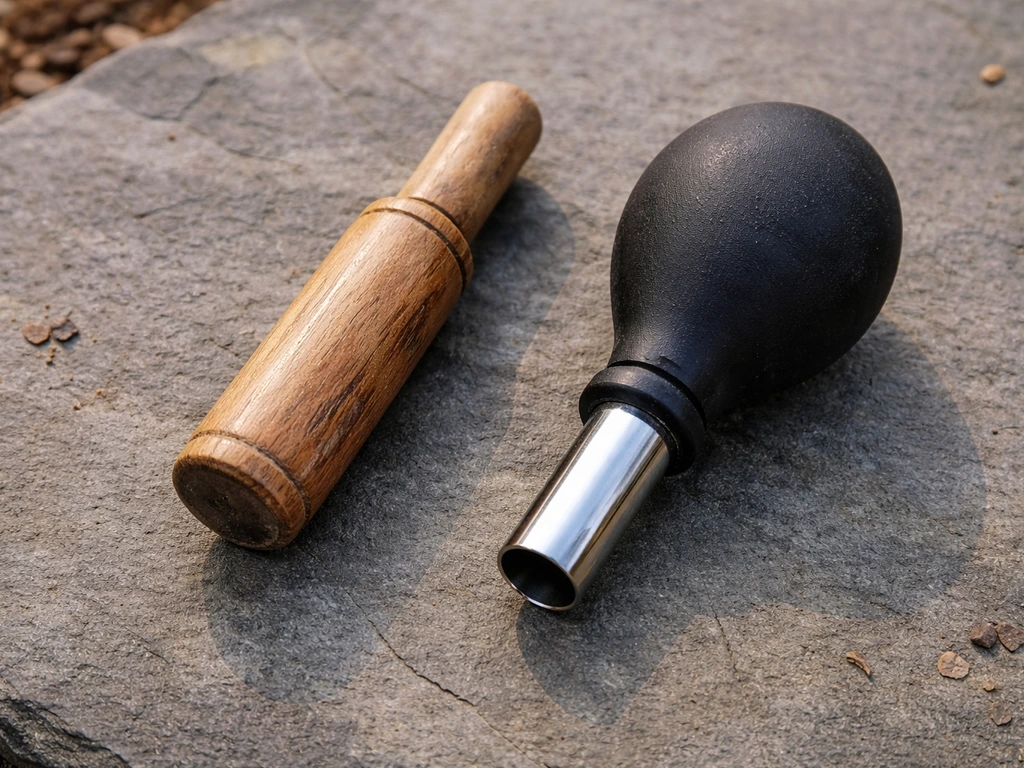
Before you can use a bird call well, you need to know which kind you're holding. They work very differently from each other, and the wrong choice for your situation will waste a lot of time. Here are the four most common types you'll encounter:
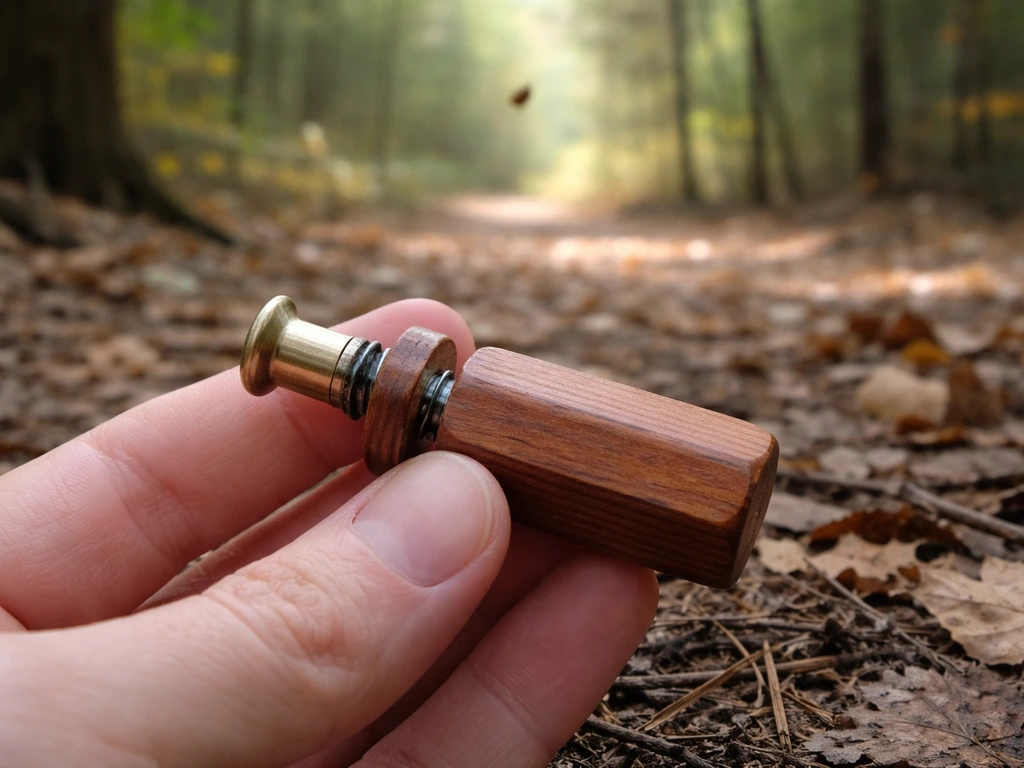
- Wooden friction calls: A small wooden peg or dowel that you twist or rub against a wooden cylinder or cup. The friction creates chirps and trills. These are classics, super portable, and great for attracting songbirds. The Audubon bird call is a well-known example of this style.
- Squeeze or bulb-style calls: A rubber bulb attached to a reed or tube. Squeeze it to push air through and produce a sound. Common in novelty and toy bird call kits, and easy for kids and beginners to pick up fast.
- Electronic players or apps: A speaker device or smartphone app that plays pre-recorded bird sounds. These are the most powerful and species-specific option, but they also come with the most ethical and legal considerations.
- Mouth-blown calls: Small devices you blow into, like a duck call or owl hooter. These take more practice to control but allow for real-time pitch and rhythm variation.
For most beginners, a wooden friction call or a squeeze-style call is the best starting point. They're inexpensive, durable, and don't require batteries or charging. If you picked up a squeeze-style toy call at a gift shop or nature center, check out the toysmith bird call instructions for a model-specific breakdown. If you have a wooden friction call, the technique differs a bit and I'll cover that below.
Set Up Your Gear Before You Step Outside
How to hold a friction call
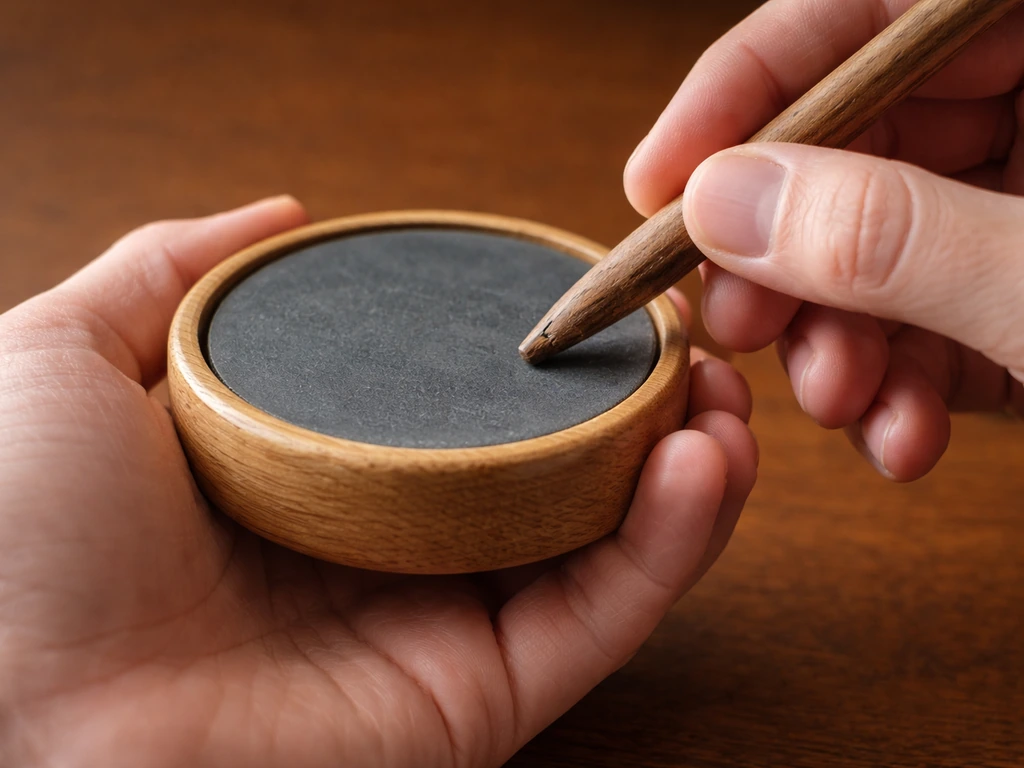
Hold the wooden cylinder loosely in one hand, cradling it without gripping tightly. Tight gripping muffles the sound and kills the resonance. Place the tip of the peg against the top of the cylinder and apply light downward pressure as you twist. Think of it like writing with a pen, not driving a screw. A little rosin or beeswax on the tip helps the peg grip the wood just enough to produce a clean tone instead of a scratchy squeak. If you're working with an Audubon-style call specifically, the full setup process is covered in detail in the Audubon bird call instructions.
How to hold a squeeze or bulb call
Wrap your fingers around the bulb and point the reed or nozzle away from your body, slightly upward toward the canopy or open space where you want sound to travel. A single gentle squeeze produces one chirp. Practice squeezing with different pressure levels at home first. Soft, quick squeezes make high-pitched contact notes. Slower, firmer squeezes produce lower, fuller tones. You want control before you're in the field.
Protecting your call from moisture and dirt
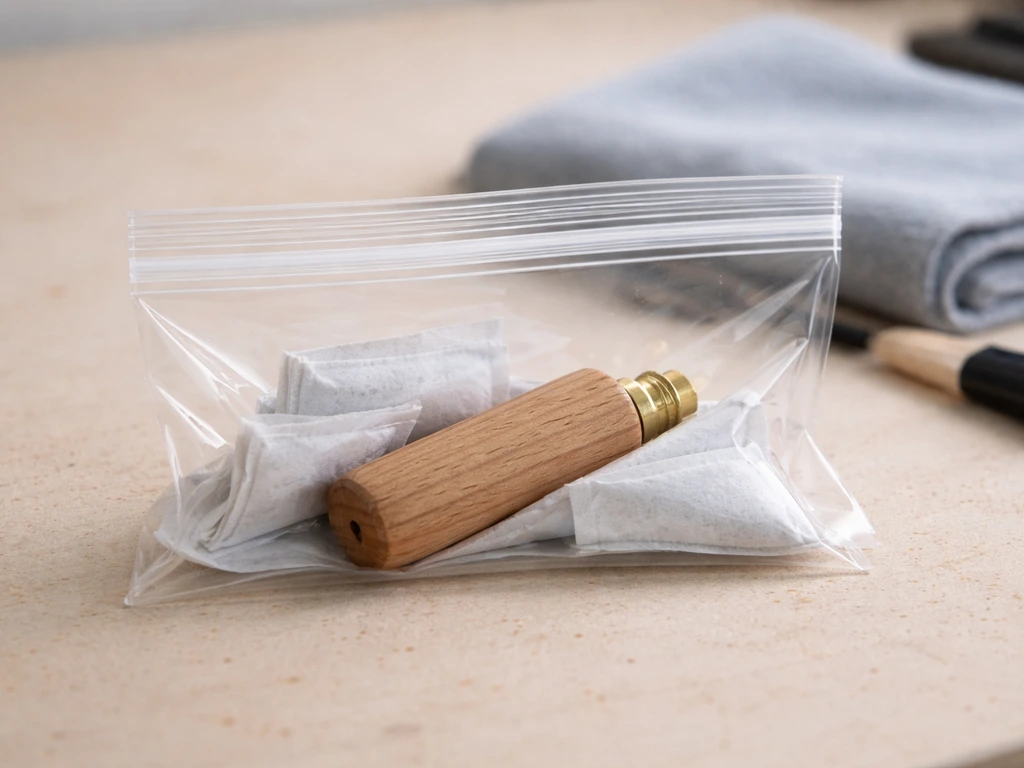
Wooden calls are sensitive to moisture. If the wood swells from humidity or rain, the peg won't slide cleanly and your sound will be inconsistent. Store your call in a small zip-lock bag or a hard case when not in use. Dry it off after sessions in wet conditions. For rosin-dependent calls, reapply rosin if the sound becomes scratchy or stops resonating well. This is one of those things I learned the hard way after a rainy morning session produced nothing but embarrassing squeaks.
Step-by-Step: How to Use a Bird Call in the Field
- Pick your target species before you go. Look up what birds are currently active in your region and season. Don't go out calling generically. Know whether you're trying to attract chickadees, nuthatches, or warblers, and learn what their contact call sounds like.
- Arrive at your spot at least 10 minutes early and stand still. Birds in your immediate area need to settle before you start calling. If you crash through the brush and immediately start calling, you'll have nothing to attract.
- Start with a soft, short sequence. Two or three chirps, then stop. Don't launch into a long rapid-fire session. Real birds make short contact calls and then wait. Mimic that rhythm.
- Wait 30 to 60 seconds and listen carefully after each sequence. You're listening for a response call, wing beats, or rustling in nearby vegetation. Birds often move toward a call before they become visible.
- Repeat the sequence two or three more times with 30-60 second pauses if you get no response. Vary the timing slightly on each repetition.
- If a bird responds, stop calling or reduce to single soft notes. Once you've made contact, calling aggressively can actually push the bird away or cause stress. Let curiosity do the work.
- After 5 to 10 minutes with no response, move on. Don't stand in one spot calling for 30 minutes. Relocate 50 to 100 meters away and try again.
If you're using a wooden friction call and want to go deeper on the specific technique for producing clean, convincing tones, the guide on how to use a wooden bird call walks through it in detail, including how to vary pressure and speed to replicate different species sounds.
Timing, Placement, and Technique That Actually Get Birds to Respond
Best times of day
The golden hours are real. The first two hours after sunrise and the last hour before sunset are peak activity windows for most songbirds. Birds are actively feeding, communicating, and defending territory during these windows, so they're far more likely to respond to a call. Midday calling in summer is mostly a waste of time. Birds go quiet and still in the heat.
Where to position yourself
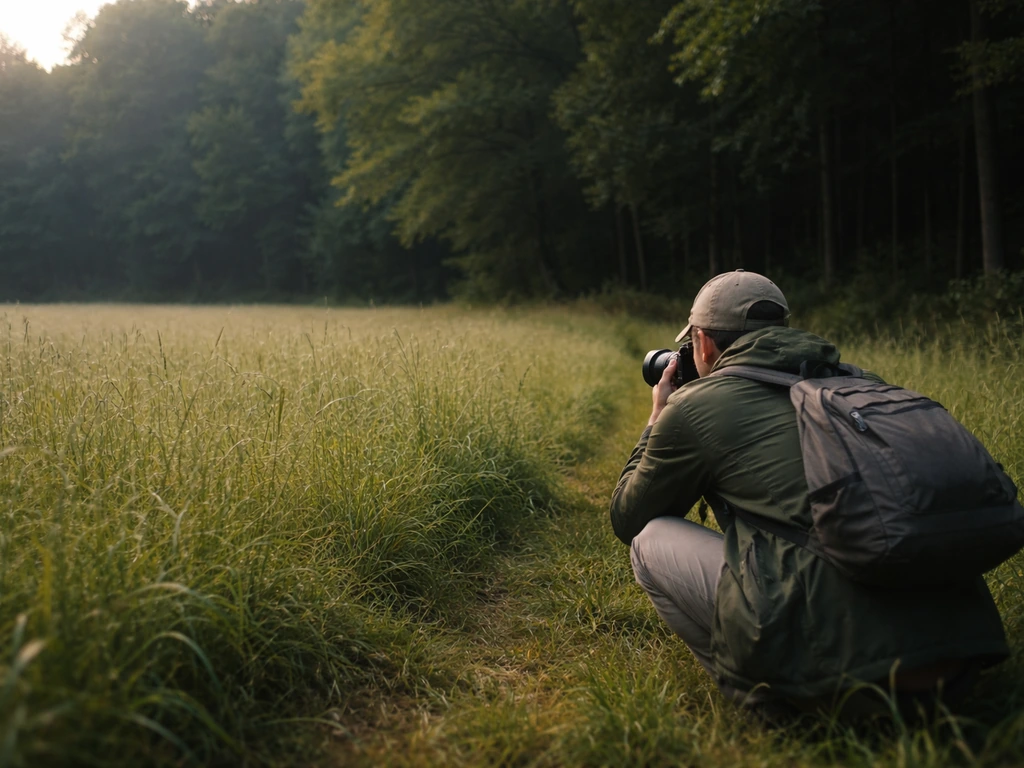
Position yourself near the edge between two habitat types, a treeline bordering a meadow, a shrubby thicket next to open water, or a forest edge along a trail. These transition zones (called ecotones) hold more bird activity than the middle of any single habitat. Stand with your back to dense cover so birds fly toward you into the open, where you can actually see them. Keep the sun behind you or to your side so you're not squinting into glare when a bird appears.
Call patterns that match real bird behavior
Real birds don't call in perfectly metered, machine-like bursts. They vary their rhythm slightly and pause to listen. A good pattern for a contact call on a friction call is: two quick chirps, one slow chirp, then silence for 45 seconds. Repeat it three times, then go quiet for two full minutes before trying again. For electronic calls or apps, use the shortest clips available rather than playing a full song loop. A 5 to 10 second clip followed by silence is far more realistic than 60 seconds of continuous playback.
Wind and ambient noise
Wind above about 10 mph makes bird calling largely ineffective. The sound doesn't carry, birds hunker down, and even if they hear something they often won't move toward it. If it's windy, position yourself so the wind is at your back. This projects your call forward and keeps your sound from getting swallowed. Avoid calling near roads, construction, or running water if possible. The background noise creates confusion and your call gets lost.
Why Birds Aren't Responding (And How to Fix It)
| Problem | Likely Cause | Fix |
|---|---|---|
| No response at all | Wrong species for the habitat or season | Check a local eBird hotspot to confirm what species are present right now |
| Birds flew in but immediately left | Over-calling or calling too loudly once they appeared | Go silent or use just one soft note once a bird responds |
| Scratchy or inconsistent sound from friction call | Moisture, worn rosin, or too much grip pressure | Dry the call, re-apply rosin, and loosen your grip |
| Birds are present but ignoring the call | Call pattern doesn't match the species vocalization | Switch to a different call type or pattern; try a pishing sound instead |
| Got one response on day one, nothing since | Same spot was over-called in a short time | Wait a few days before returning to the same location |
| Bulb call produces no sound | Reed is clogged or the bulb isn't sealing | Check the reed for debris, clean it, and ensure the bulb is fully sealed at the base |
One of the most common frustrations I hear from beginners is that they got great results the first time and nothing after that. The usual culprit is over-calling the same spot. Birds learn quickly. If the same fake chirp keeps coming from the same bush at 7 a.m. every morning, they stop treating it as a real signal. Rotate your spots and your patterns.
If you have an Audubon friction call and it's producing inconsistent results, the how to use Audubon bird call guide covers specific troubleshooting for that model, including how to condition the wood and what rosin to use.
Stay Safe, Legal, and Ethical Out There
Bird calling is genuinely useful and enjoyable, but it comes with real responsibilities. The birds on the other end of your call are living animals responding to what they believe is a real social or territorial signal. The U.S. Fish and Wildlife Service Birding Code of Ethics includes principles for avoiding disturbance during bird observation. Abusing that response harms them, and the birding community takes this seriously.
Ethics and bird welfare
The American Birding Association recommends limiting audio attractants, especially in heavily birded areas. They explicitly state that you should never use playback or other audio methods for species that are Threatened, Endangered, or of Special Concern, or that are rare in your local area. Audubon's own ethical guidelines go further and advise against using playback at all during nesting season, noting that it can be detrimental to birds and their chicks. A local Audubon chapter's playback guidelines also note that playback can cause agitation and recommend using it sparingly or not at all in heavily frequented areas advise against using playback at all during nesting season. These aren't just suggestions. Repeated calling during breeding season causes stress, disrupts nesting behavior, and can lead to nest abandonment. If you're in a popular birding spot or it's late spring into summer, keep electronic playback off the table entirely. Stick to manual calls and use them sparingly.
Legal considerations
In the United States, using bird calls on National Wildlife Refuges may be restricted or require permission. The U.S. Fish and Wildlife Service notes that audio recording and playback activities on refuges are subject to local unit rules, and you should check with the specific refuge before using any sound-attracting device. State and local parks may have their own rules too. A quick call to the ranger station before your visit can save you a fine and some embarrassment. When in doubt, ask.
Practical safety rules to build into your routine
- Never call for species listed as Threatened, Endangered, or locally rare.
- Keep sessions short: no more than 5 to 10 minutes of active calling per location.
- Stop calling immediately once a bird responds and moves toward you.
- Avoid calling during active nesting periods (roughly April through July for most North American songbirds).
- Check local regulations before using any sound device in a protected area.
- If a bird shows signs of agitation (alarm calls, aggressive flight, distress behavior), stop and move away.
Bird calling is one of the most rewarding skills you can develop as a birder. Done right, it opens up encounters you'd never get by just walking and watching. Start with a simple friction or squeeze call, practice your technique before you go out, pay attention to timing and placement, and always keep the bird's wellbeing at the center of your decisions. Get those basics solid and you'll be surprised how quickly birds start responding.
FAQ
What should I do if I cannot identify the species I’m calling to?
Use the call type you already have, but tailor the notes to behavior. If your bird call model only makes chirps, stick to short contact notes and pauses, especially when you are not sure what species is present. For many beginners, calling too much sounds like aggression or feeding attempts, so start with one pattern run, then listen longer than you call to confirm you are matching the situation.
If a bird answers but doesn’t come closer, how do I adjust my calling?
Wait until you have at least a few minutes of quiet listening before the first call, then do short runs (example: three pattern cycles) and stop. If you hear a response but it does not approach, do not immediately repeat the same pattern. Change to a softer, less frequent sequence (one or two chirps, then silence) so you are not “pushing” the bird away.
How close should I stand, and where should I aim the call to get replies?
Keep the speaker or call direction consistent. For manual calls, aim slightly upward into open space so the sound projects, and avoid pointing straight at dense cover where the sound reflects back on you. For electronic calls, hold the device about chest height and angled toward likely movement corridors (trails, edges, open water), then pause to let birds reposition.
My bird call sounds scratchy or inconsistent, what’s the fastest way to fix it?
If the call sounds too scratchy or weak, check the physical causes first. For friction calls, reapply rosin lightly and make sure the peg tip is making full contact without heavy pressure. For squeeze-style calls, verify the reed or nozzle is fully seated and dry, and practice with very gentle squeezes at home until you can produce a clean single chirp every time.
What’s the best strategy when the weather is windy or slightly rainy?
Do not call through heavy wind or rain. If conditions are marginal, only do very brief test bursts (one or two chirps) and then stop. If you cannot hear your own call clearly after a few seconds, assume birds will not either and relocate to a sheltered edge with wind at your back before continuing.
Can I switch between manual and electronic bird calls in the same session?
Yes, but do it carefully. If you use electronic calls, keep clips short (a few seconds) and separate them with longer silence intervals, rather than looping. If you switch patterns, do it after a full pause and only once per approach attempt, because rapid changes can read as repeated intrusions and trigger hesitation.
How do I avoid over-calling a spot when I’m getting no results?
Over-calling often comes from repeating the same pattern without listening. Use a “call then verify” loop: call for a short window, then stop and listen for at least a minute. If you see no movement or you hear no response, change location before changing intensity or length of calls.
How long should I stay in one spot before moving on?
If birds seem to stop responding, you likely taught them the sound is not worth investigating. Move 100 to 300 feet (30 to 100 meters) and switch to a different ecotone if possible, then wait longer before calling again. Also reduce call frequency, because too many repeats in a short time window can shut things down quickly.
What if my rhythm sounds wrong compared with what I hear in the field?
Aim for patterns that include natural variation, then reduce your volume or speed rather than trying to match exact notes. A good beginner approach is to practice two or three simple sequences and use the one that fits the bird’s mood you hear (quick contact notes versus slower, spaced notes). If you can’t match the rhythm, silence is better than forcing it.
Is longer audio playback better than short calls for attracting birds?
Yes, but do not assume “more speaker time” equals more success. Use the shortest clips that still resemble a real interaction, and keep your overall calling sessions brief. In areas with lots of birders, frequent playback can also increase disturbance, so manual calling with longer listening breaks is often the safer choice.
What should I do about bird calls if I might be near a nest?
If you suspect you’re in a nesting area, switch to minimal, non-invasive behavior: fewer calls, shorter clips, and more distance. The safest default is to avoid aggressive or frequent calling during peak breeding months and rely on passive listening and observation until you are sure nesting activity is not occurring nearby.
What rules should I check before using a bird call in parks or refuges?
Calling may be restricted in some protected areas, and enforcement varies by unit. Before you go, check the specific site rules (refuge, state park, managed land) and confirm whether attractants, playback, or even audio recording are limited. When you’re unsure, ask the ranger station, and plan an alternative route that relies only on observation and manual calling if allowed.
Next Article
Audubon Bird Call Instructions: How to Use and Practice Responsibly
Step-by-step audubon bird call instructions for realistic, ethical birding: choose the right call, practice timing, and