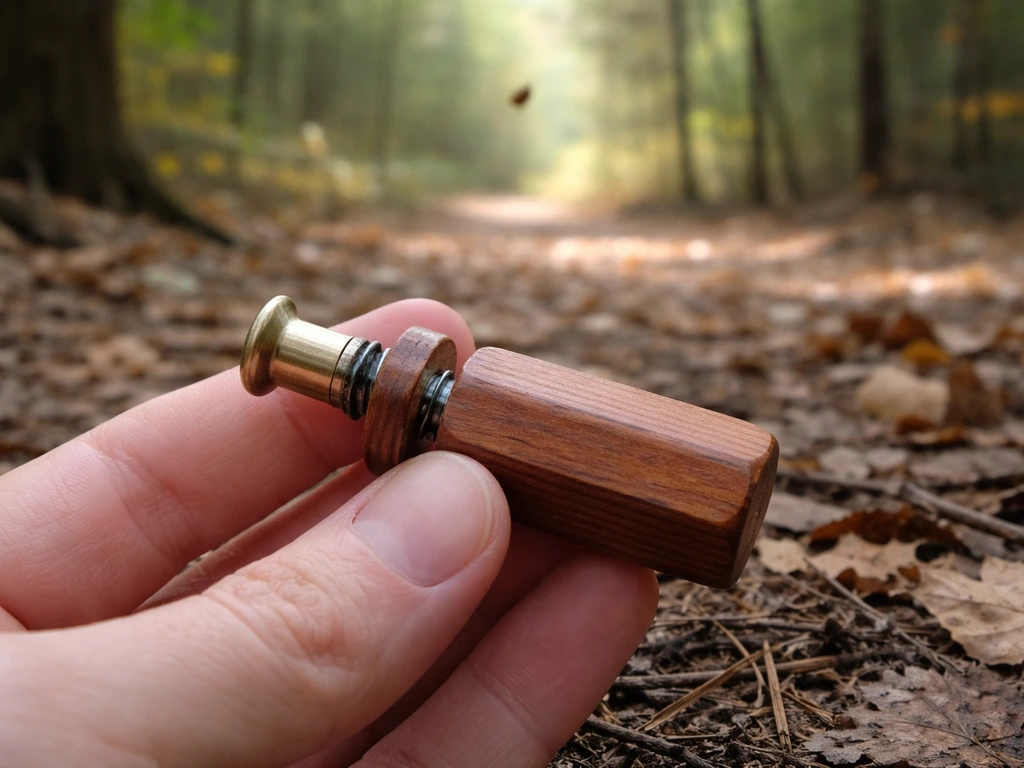
An Audubon bird call is a small, handheld mechanical device, not a digital app or recording. It makes real bird-like sounds through friction, and when you use it correctly, it can pull curious birds right out of the brush and into clear view. The specific product most people are searching for is made by American Bird Products, handmade in the USA, and sells for around $12. It consists of a red birchwood barrel and a metal ring. You twist the two pieces against each other to generate squeaky, chirpy sounds that mimic distress or contact calls. Every unit is tested before it ships, so if yours isn't working, it almost certainly needs rosin (more on that below).
Audubon Bird Call Instructions: How to Use and Practice Responsibly

Marcus Hendricks
9 Apr 2026
This guide walks you through everything: what this tool actually does, how to pick the right call for your goal, step-by-step operating instructions, how to sound convincingly like a bird, why birds sometimes ignore you, and the ethical and legal lines you need to know before heading out.
What an Audubon bird call is (and what you'll actually use it for)
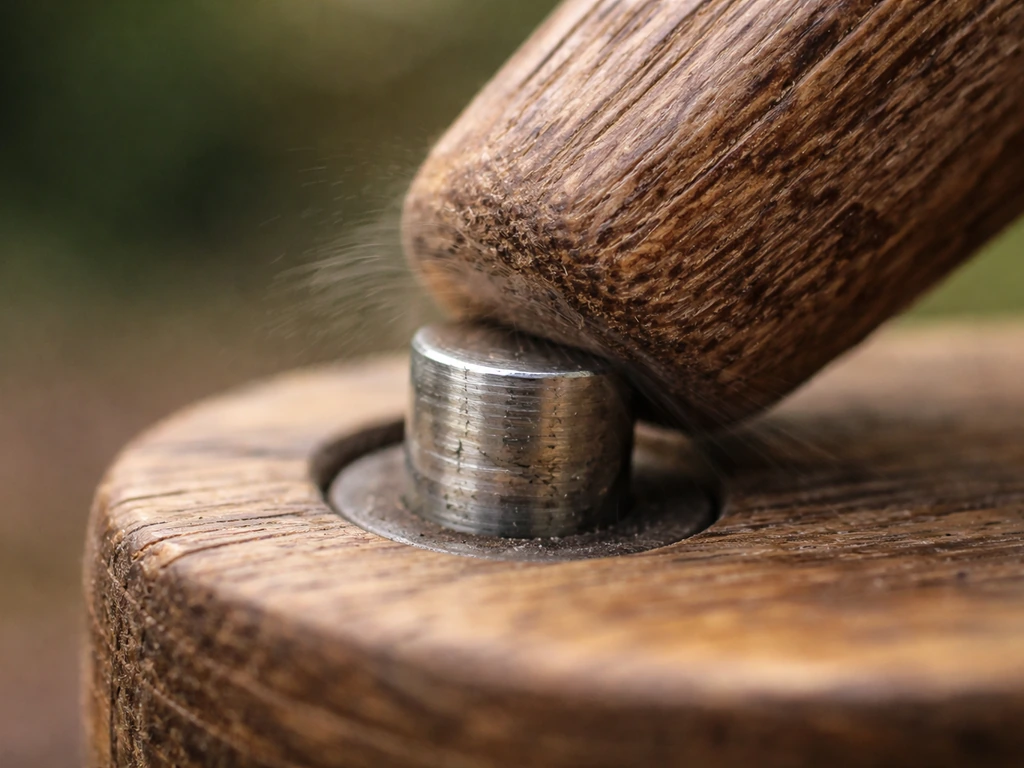
The Audubon bird call is a friction-based call, meaning it produces sound through physical contact between wood and metal rather than batteries, speakers, or recordings. When you twist the metal ring against the birchwood barrel, the friction creates a high-pitched squeaky chirp that resembles the alarm or contact calls of small songbirds. That sound triggers curiosity or a territorial response in nearby birds, causing them to move closer to investigate.
Birders use this kind of call primarily for two things: drawing secretive birds out of dense cover so you can actually see and identify them, and attracting mixed flocks of small birds during a technique called "pishing." It is not a species-specific lure in the way a duck call or turkey call is. Think of it more as a general alert sound that tells nearby birds "something interesting is happening over here." It works especially well on chickadees, nuthatches, warblers, and wrens, though plenty of other species respond too.
It is worth being honest upfront: no bird call guarantees results. Birds are wild animals with their own priorities. Some days you'll have a dozen birds mobbing you within two minutes. Other days nothing shows up. That's birding. If you want a broader sense of how these devices fit into fieldwork, how to use a bird call as a general practice is a great place to build that foundation.
Choosing the right call for your species or goal
The Audubon friction call is a generalist tool. It doesn't imitate one specific bird, which is both its strength and its limitation. Here's how to think about whether it's the right choice for your situation:
- Songbird watching in woods or shrubby areas: This is where the Audubon call shines. Small forest birds respond well to the squeaky distress-like sounds it produces.
- Locating hidden birds in dense vegetation: A few twists can coax a bird to pop up onto an exposed branch, making it identifiable.
- Attracting mixed flocks: During fall migration especially, a friction call can pull in a whole wave of warblers, vireos, and sparrows all at once.
- Large birds, waterfowl, or raptors: Don't expect this tool to work for ducks, geese, or hawks. Those birds require species-specific calls with very different sound profiles.
- Open habitat like grasslands or marshes: Results are less reliable because sound disperses quickly and birds there tend to respond to visual cues more than audio.
If you are specifically targeting one species and want a more focused approach, how to use Audubon bird call for species-specific strategies goes deeper on that. For a classic wooden option with a slightly different feel and sound character, checking out how to use a wooden bird call is worth your time.
Step-by-step instructions: how to use it
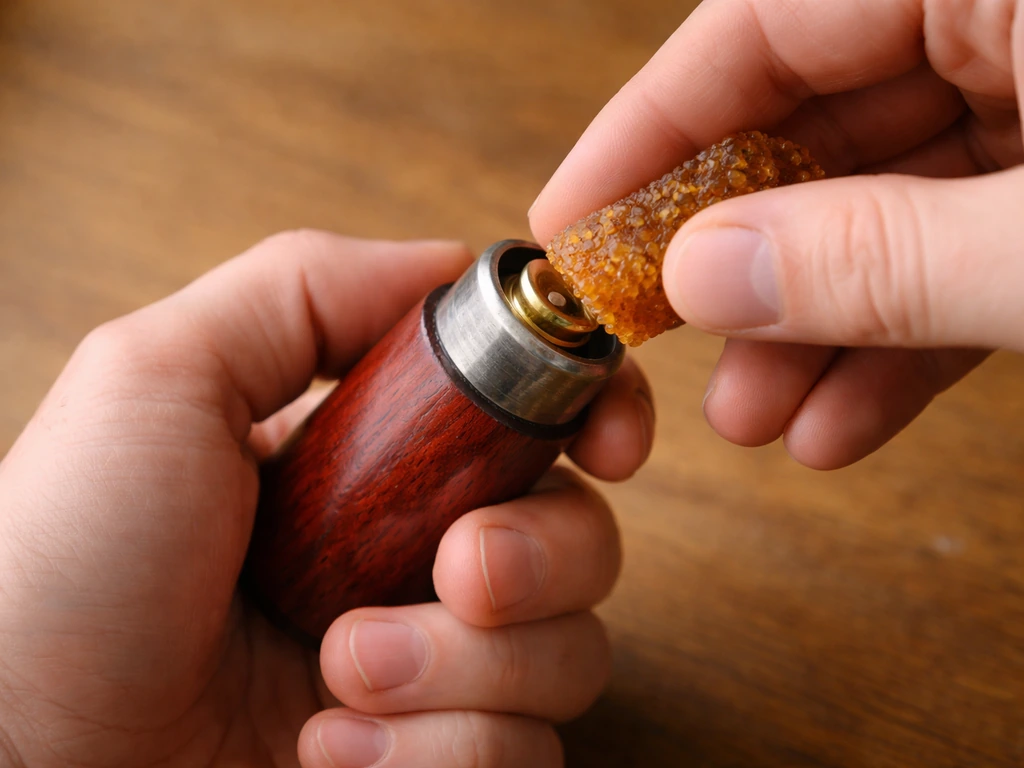
Before you even think about technique, make sure your call is ready to produce sound. The contact point between the wood and metal requires pine rosin to generate friction. New calls come pre-rosined and tested, but if yours has been sitting in a drawer or got wet, it may have gone quiet. Apply a small amount of pine rosin powder to the metal cylinder just above the red birchwood barrel, then wipe off the excess. That's usually all it takes to bring it back to life.
- Hold the red birchwood barrel lightly in one hand, between your thumb and two or three fingers. Don't grip it tightly, as that dampens the vibration and kills the sound.
- Hold the metal ring with the thumb and forefinger of your other hand.
- Twist the metal ring against the birchwood barrel using a back-and-forth rotating motion. The contact between the two surfaces creates the chirping sound.
- For short, sharp chips (the most bird-like sound), use quick, short twisting bursts rather than long continuous strokes.
- For a slightly different pitch or a longer drawn-out note, try moving the barrel up and down slightly while twisting. This changes the contact point and the sound quality.
- Pause after every two to four twists. Real birds don't call continuously. The pause is part of the call.
- Listen. If a bird answers or you hear rustling, stop calling and wait. You've already done your job.
That's genuinely it. The mechanical operation is simple. The skill is in the rhythm and restraint, not in any complicated grip or finger position. I got decent responses on my first real outing once I figured out that less is more.
How to sound like an actual bird: timing, volume, repetition, and pauses
This is where most beginners go wrong, and I say that from personal experience. The temptation is to keep calling harder and louder when nothing shows up. That almost always makes things worse. Here's what actually works:
| Element | What birds do | What you should do |
|---|---|---|
| Volume | Vary between soft and moderate; rarely loud | Start soft, increase only slightly if no response after two rounds |
| Repetition pattern | Short bursts with natural variation | Two to four twists, pause, repeat two or three times, then stop |
| Timing between sequences | Natural irregular gaps | Wait fifteen to thirty seconds between call sequences |
| Total session length | Calls taper off naturally | Keep the whole session under five minutes; don't barrage |
| Response to an answer | Often quiets down or calls once more | Stop calling immediately and watch and listen |
Early morning is the best time, roughly thirty minutes after sunrise when birds are most actively vocalizing and feeding. Late afternoon is the second-best window. Midday in hot weather is the worst, as birds go quiet and seek shade. Wind above about ten miles per hour also kills your effectiveness because the sound gets scattered before it reaches bird ears.
One thing I've found useful: position yourself near a shrubby edge, a hedgerow, or a woodland margin rather than deep inside a dense forest or in the open. Birds investigating a sound need somewhere to land and look around. Give them structure to move through.
When birds don't respond: common mistakes and fixes
If you're getting no response at all, work through this checklist before blaming the location or the birds:
- The call has no sound: Almost always a rosin issue. Apply fresh pine rosin powder to the metal cylinder, let it sit a minute, and try again. American Bird Products sells a replacement rosin kit specifically for this.
- Wrong habitat for the species you're hoping to attract: If you want warblers, you need trees. If you want sparrows, work the brushy edges. The call can't do the habitat matching for you.
- Wrong time of year: During breeding season, territorial responses can be strong. During winter, birds are less reactive. During peak migration, almost anything can work. Adjust expectations by season.
- Overcalling: If you've been calling steadily for more than five minutes, birds that are present may have already decided you're not a real bird or may feel harassed and moved away. Take a long break and try again from a slightly different spot.
- Wind or ambient noise: Wind carries your sound away and also makes it hard for birds to locate the source. Wait for a calmer moment or move to a more sheltered spot.
- Birds are present but already disturbed: Loud conversation, nearby dogs, or other human activity before you arrived may have put birds on alert. Give the area fifteen or twenty minutes to settle.
- Unrealistic expectations: Some species simply don't respond to this type of call. If your target bird communicates in a completely different register or uses different social cues, no amount of good technique will work.
If you've tried a friction-based Audubon call and aren't having luck, it's worth knowing that other beginner-oriented tools work differently. The Toysmith bird call instructions cover a similar style of device that some beginners find slightly easier to get consistent sound from. Comparing tools early on is a smart move.
The ethics and legal basics you need to know
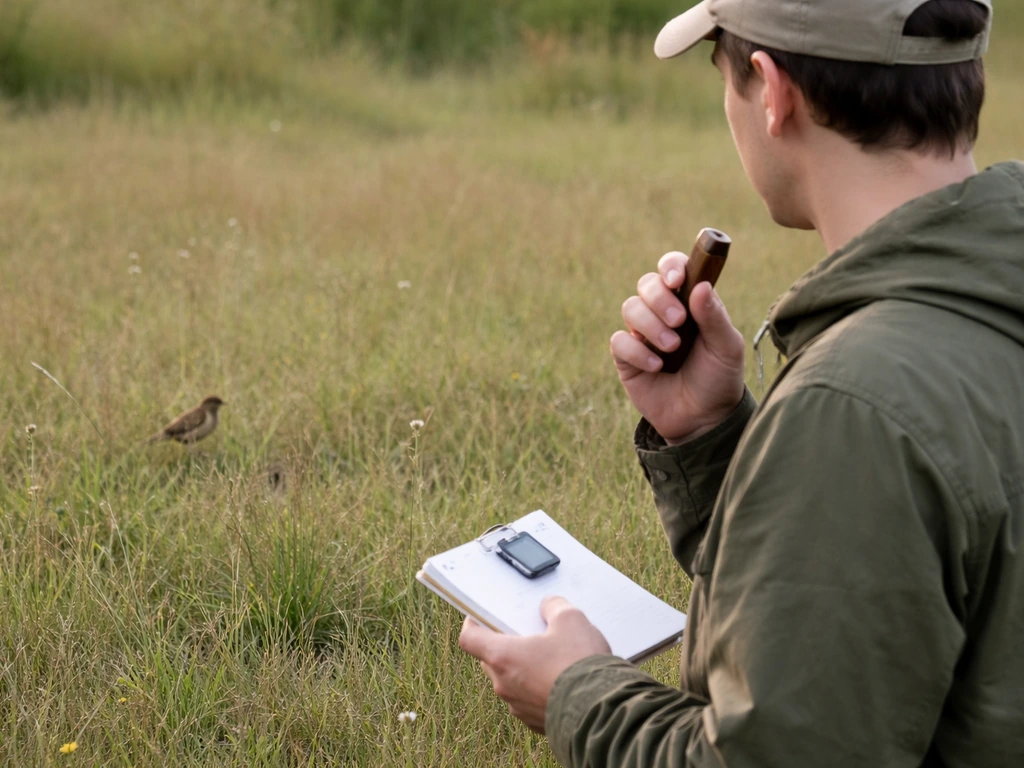
Using a bird call responsibly matters, and this isn't just an abstract principle. blank" rel="noopener noreferrer">Overuse of any call can genuinely harm birds by causing unnecessary stress, disrupting feeding and nesting behavior, and making birds less responsive over time in heavily visited areas. In the National Wildlife Refuge System, blank" rel="noopener noreferrer">50 CFR § 27.71 includes prohibitions on using audio devices in ways that cause unreasonable disturbance to nearby wildlife, so keep any bird-calling as brief and restrained as possible. Here's the short version of what responsible use looks like:
- Keep sessions short: No single calling session should run longer than about five minutes. Prolonged or repeated loud calling crosses into harassment territory.
- Avoid nesting season in sensitive areas: Spring nesting is when birds are most vulnerable. Attracting a bird away from a nest at the wrong moment can have real consequences. In heavily birded areas, skip the call entirely during breeding season.
- Don't end on a barrage: Finishing with a prolonged loud burst of calling is considered bad etiquette and can leave a bird agitated with no resolution. Taper off and let the bird settle.
- Stop if a bird shows stress: Repeated alarm calls, aggressive diving behavior, or a bird that won't leave the area all signal that it's distressed. Put the call away.
- Know where you are: National Wildlife Refuges prohibit the use of audio recordings and calls entirely. This is a federal rule, not a suggestion. Many state parks and preserves have their own restrictions too.
- Follow the ABA Code of Birding Ethics: The American Birding Association's ethical guidelines serve as the community standard for responsible behavior in the field, and using calls sparingly is explicitly part of that framework.
- In national parks and refuges, check with site-specific rules before you even take the call out of your pocket.
The ethical stance from organizations like the Audubon Society is firm: playback and call tools can be detrimental, especially for photography where there's a temptation to pull birds in close for a shot. The friction call is more subtle than a speaker blasting a recording, but the same principles apply. Use it thoughtfully, use it briefly, and always put the bird's welfare ahead of the experience you're hoping for.
What to practice and how to get better
The best feedback loop for improving your bird call technique is real field experience. Go out at the same time to the same location for a few sessions and take note of which call rhythms produce responses and which don't. Listen carefully to how chickadees and wrens actually sound in the wild, then try to match that rhythm and spacing with your call. You'll start to notice patterns quickly.
Practice producing consistent sound at home first. You want a clean chirp, not a scratchy grind. If the sound is rough or inconsistent, check the rosin first. Hold the barrel more loosely. Make sure your twisting motion is smooth rather than jerky. Once you can produce a reliable sound indoors, the field stuff becomes much easier to focus on.
Pay attention to bird behavior after each calling sequence, not just whether a bird appears immediately. Sometimes a bird will quietly slip closer over the course of two or three minutes without making a sound. Movement in nearby shrubs, a branch dipping, soft contact calls just below the threshold of easy hearing: these are all signs the call is working. Patience is the actual skill here, and it's one you build by watching closely rather than calling more.
FAQ
How long should I use the Audubon bird call before stopping if nothing shows up?
Run short calling bursts (for example 20 to 40 seconds), then stop and watch and listen for at least a full minute. If birds never react during the silent window, continuing louder usually lowers your odds and can increase stress.
Do I need to use pine rosin every time, or only when the call gets quiet?
Only when performance drops. Over-rosining can make the chirp scratchy. If your sound turns gritty or irregular, apply a very small pinch, wipe off excess, then test with a couple of gentle twists before going back outside.
What rosin should I use, and can I use any powder instead?
Use pine rosin powder intended for friction calls. Generic powders may not create the right friction behavior and can damage the wood surface or produce unpleasant, unnatural noise.
How do I avoid making the sound too harsh or unnatural?
Aim for a light, quick twist that produces a clean chirp, not a prolonged grind. If you hear a harsh squeal or a rough rasp, reduce pressure, slow the twist slightly, and confirm you wiped away extra rosin.
Can I use audubon bird call instructions late at night or in the middle of the day?
Night use is usually a poor match, many songbirds are not vocalizing then, and the sound can be more disruptive. Midday in hot weather is also typically less effective because birds seek shade and call less.
Does wind always mean I should skip calling entirely?
Not necessarily. Light wind is manageable if you position yourself where sound is less disrupted, such as near a hedge or tree line that can help channel sound. If gusts are consistently strong, pause calling and rely on quiet observation.
How close should I stand to the cover edge where I am calling?
Stay close enough that the sound carries into the shrubs but far enough to avoid crowding the bird’s route to land. Practically, position at the edge of your chosen habitat (hedgerow, woodland margin) rather than deep inside it.
Should I call continuously or pause between chirps?
Pause. Birds interpret rhythm and spacing, and continuous calling can sound like escalating distress. Use brief chirp sequences, then stop to let birds approach and to hear any soft contact calls you might otherwise miss.
What if I see birds reacting but they do not come out into clear view?
Let them work the area. After a reaction, stop calling and watch for gradual movement over a couple of minutes. Many birds approach silently, then only reveal themselves when they feel safe and have a clear spot to land.
Is the Audubon friction call the right choice if I’m trying to photograph a specific species?
It’s not a precise, species-specific lure, and that makes it easier to trigger general investigation but harder to control where and how a bird approaches. For photography, responsible use is especially important because the temptation to call longer can increase stress and reduce cooperation.
Can calling make birds less likely to respond in the future?
Yes, especially in heavily visited areas. Frequent or prolonged calling can disrupt feeding and nesting behavior and can condition birds to associate the sound with disturbance. Rotate locations, keep sessions brief, and avoid repeated overcalling at the same spot.
Should I pish or use the Audubon call together?
If you’re using both, don’t stack them back-to-back without breaks. Give birds silent time to reposition, and prioritize one technique per session so you can tell which stimulus is actually getting the response you want.
What are signs my technique is failing even if I hear sound from the call?
If the chirp is inconsistent, scratchy, or you find yourself needing extra force to get results, your output is likely not matching what birds pick up. Re-check rosin amount, twist smoothness, and keep sessions short so you can correct before spending too long calling outside.
Next Article
How to Bird Mouth a Rafter: Step-by-Step DIY Guide
Step-by-step guide to cut the bird-mouth notch in a roof rafter, measure pitch accurately, and fit for a tight seat.