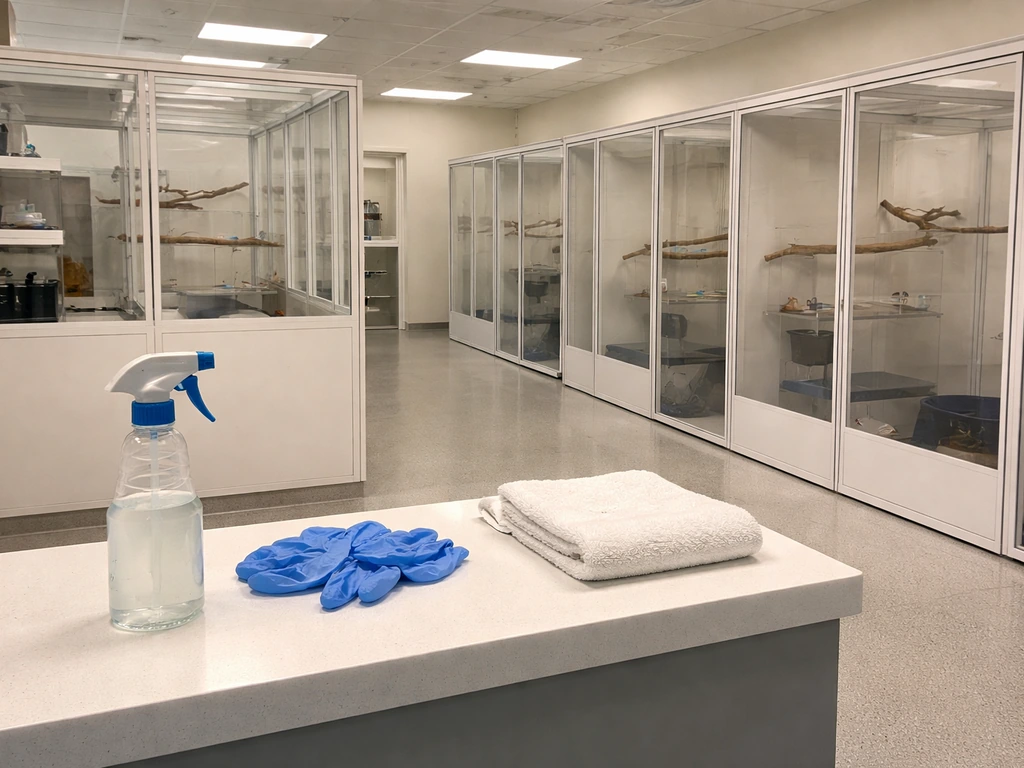
Becoming a registered bird breeder is absolutely doable, but the path looks different depending on where you live, what species you want to breed, and which authority you need to answer to. There is no single universal "bird breeder license" that covers everyone. What you need is a clear picture of your specific situation first, and then a step-by-step plan to get there. That is exactly what this guide gives you.
How to Become a Registered Bird Breeder: Step by Step

Marcus Hendricks
17 Apr 2026
What 'Registered' and 'Certified' Actually Mean Where You Live
These two words get used interchangeably all the time, but they mean very different things. Getting clear on the difference will save you a lot of confusion and wasted effort early on.
Registration is a government process. You are registering your operation with a federal, state, or local authority so that you are legally recognized as a breeder. In the United States, this can mean registering with the USDA Animal and Plant Health Inspection Service (APHIS) under the Animal Welfare Act (AWA), or obtaining a Captive-Bred Wildlife Registration (CBW) from the U. S.
Fish and Wildlife Service (USFWS) if you are breeding species listed under the Endangered Species Act. The AWA now includes birds not bred for research, following a federal rule [published on February 21, 2023](https://www. aphis. usda.
gov/awa/bird-standards). If you are running an AWA-regulated bird business, you must be licensed or registered with APHIS. APHIS even has a [self-service "Licensing and Registration Assistant" tool](https://www. aphis.
usda. gov/awa/apply) on their website to help you figure out which applies to you.
Certification, on the other hand, is usually voluntary and comes from a breeder association or inspection program. Think of it as a stamp of credibility from an industry body rather than a legal requirement from the government. Organizations like the American Federation of Aviculture or similar regional associations may offer certification programs with their own standards, inspections, and renewals. Certification tells buyers you meet a recognized standard of care, even if the law does not require it.
Outside the U.S., the picture shifts again. In Australia, you need a state-issued wildlife keeper or bird dealer license. In the UK, you may need a license from the Animal and Plant Health Agency. In Canada, requirements vary by province. And if you plan to trade internationally, CITES (the Convention on International Trade in Endangered Species) adds another layer. CITES maintains a Register of captive-breeding operations specifically for operations breeding Appendix-I taxa, which are the most endangered species. This is a separate international compliance pathway on top of whatever your domestic government requires. The bottom line: look up your country, then your state or province, then your municipality. All three levels may have requirements.
Pick Your Species and Learn the Husbandry Basics
Your species choice drives almost every decision that follows: the permits you need, the facility you build, the diet you source, and the market you sell into. Do not skip this step or treat it as obvious.
Common starting points for new breeders include budgerigars, cockatiels, lovebirds, canaries, finches, and conures. These species are well-documented, have established breeding communities, and generally face fewer regulatory hurdles than rarer parrots or protected wild species. If you are dreaming of breeding macaws, African greys, or hyacinth macaws, be prepared for significantly more paperwork, more expensive setups, and stricter oversight, including potential USFWS and CITES involvement.
Once you have chosen a species, immerse yourself in its husbandry. Husbandry means the day-to-day science of keeping and breeding birds: nutrition, housing dimensions, lighting cycles, temperature ranges, breeding triggers, egg incubation, chick development, weaning, and disease prevention. Inspectors and licensing authorities want to see that you know this stuff before they hand you a registration. The good news is there is no shortage of resources: aviculture books, species-specific Facebook groups, YouTube channels, and mentorship from established breeders.
One thing that helped me early on was understanding what birds actually eat in the wild versus what people assume they eat. For example, many breeders supplement with bird peppers, which are a natural food source rich in capsaicin that birds tolerate well and that can support immune health during breeding season. Little practical details like that come from doing the research, not skipping it.
Building Experience and Pulling Together Your Documentation
Most registration and certification programs want proof that you have real experience, not just good intentions. Here is what that looks like in practice and what you should be documenting from day one.
Get hands-on experience first
Volunteer at an aviary, apprentice under an established breeder, or start with a small personal flock before scaling up. Many experienced breeders are happy to take on a helper in exchange for labor. This phase is not just about ticking a box for regulators. It is where you find out that breeding birds is messier, harder, and more rewarding than any book tells you. I learned more in three months helping at a small lovebird aviary than in a year of reading.
Documents you will likely need

- Proof of identity and legal residency or business registration
- A written description of your proposed breeding operation, including species, number of birds, and purpose (pet trade, conservation, research, etc.)
- Facility plans or photos showing cage dimensions, ventilation, lighting, and sanitation setup
- Records of any birds you currently own, including acquisition documentation (receipts, banding records, CITES certificates if applicable)
- Veterinary relationship confirmation: many authorities want to know you have an avian vet you work with
- Training certificates, completed courses, or a letter of reference from an experienced breeder
- A biosecurity and disease management plan
- Proof of legal acquisition for any breeding stock, especially for species that require import permits or captive-bred documentation
Start a dedicated folder, physical or digital, and drop everything into it from the moment you decide to pursue registration. Inspectors and licensing officers have seen every excuse for missing paperwork. Being organized signals professionalism before you say a word.
How to Actually Apply: Step by Step
The application process varies by authority, but the general sequence below applies to most registration and licensing systems. Fill in the specifics from your local authority once you have identified the correct one.
- Identify your governing authority. Use the APHIS Licensing and Registration Assistant if you are in the U.S. For state-level or international requirements, contact your state fish and wildlife agency, department of agriculture, or equivalent body directly.
- Download or request the correct application form. Do not assume one form covers everything. The USFWS CBW application (Form 3-200-41) is specific to ESA-listed species and is different from the APHIS AWA license or registration application.
- Complete every section of the application thoroughly. Incomplete applications are returned and delay the process. If a section does not apply to you, write 'N/A' with a brief explanation rather than leaving it blank.
- Prepare your supporting documents as listed in the previous section. Attach everything the form requests plus anything that adds credibility to your application.
- Pay the required application fee. Fees vary widely by authority and operation size. Be aware that if you fail a pre-licensing inspection under the APHIS AWA system, you can lose your fee and face a waiting period before reapplying, so do not apply before your facility is genuinely ready.
- Schedule or await your pre-licensing inspection. An inspector will visit your facility to verify it meets the required standards. Prepare as if your most thorough friend is coming to check everything.
- Respond promptly to any deficiencies. If the inspector flags issues, you will receive a written notice. Fix the problems within the specified timeframe and document what you did.
- Receive your registration, license, or certification and begin operations. Under APHIS's current structure, AWA licenses are issued for three years. The USFWS CBW registration is valid for five years and can be renewed once for a total of ten years, after which a new registration is required rather than a simple renewal.
If you are planning to eventually grow into something larger, like a sanctuary or a full commercial aviary, it is worth reading up on how to start a bird business so your registration plan aligns with your long-term structure from the beginning. Getting that right early avoids having to restructure later.
Setting Up Your Facility and Meeting Biosecurity Standards
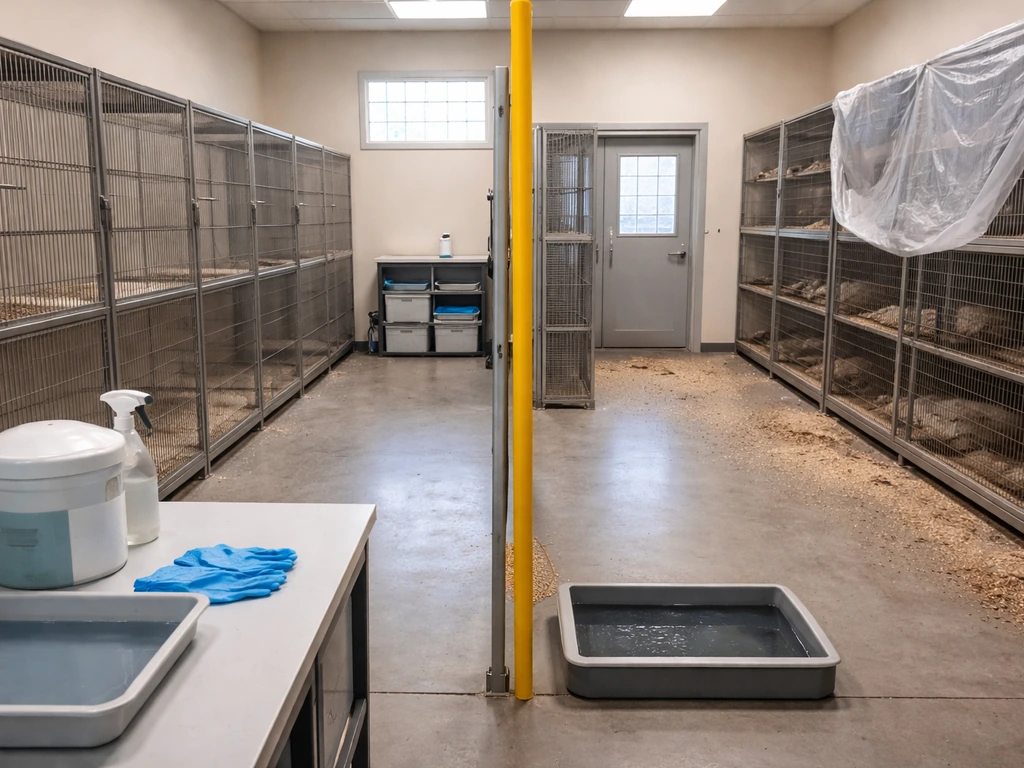
Your facility is where you will either impress or fail an inspector. The good news is that the requirements are predictable. Here is what authorities commonly look for and what you should build toward.
Space and housing requirements
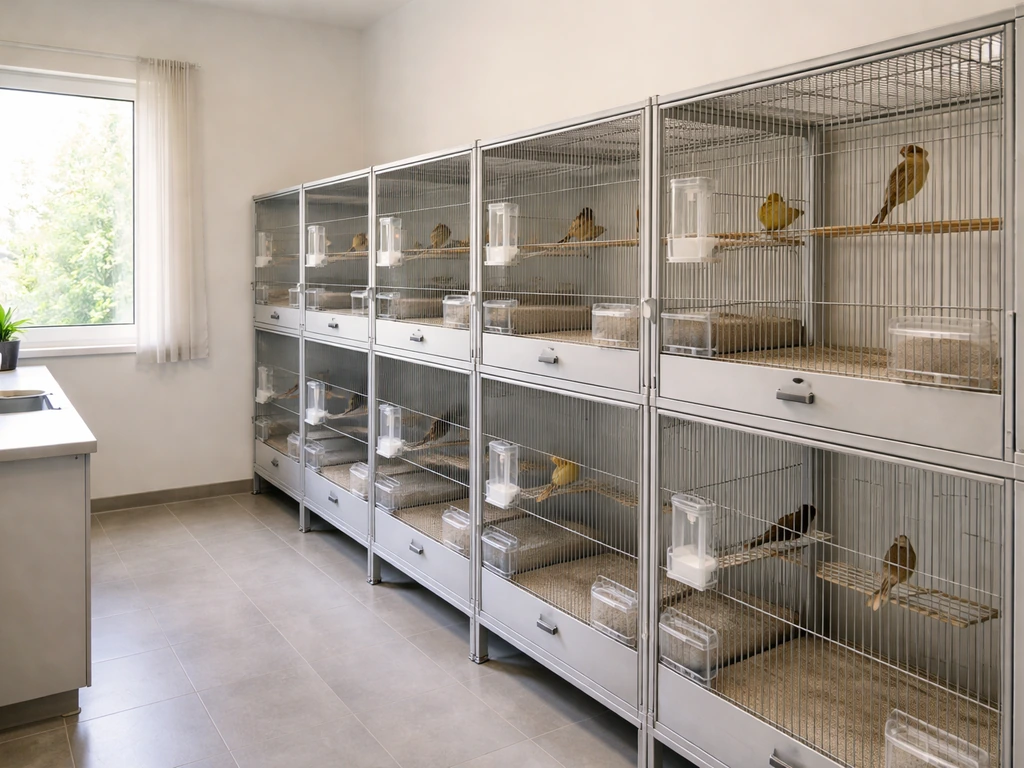
Cage dimensions must meet minimum standards for each species, and those standards are species-specific. A budgerigar does not need the same space as a macaw. Under AWA standards, enclosures must allow birds to make normal postural movements, have access to perches, and be constructed of materials that can be cleaned and sanitized. Check the specific AWA regulations for your species or the equivalent standard in your country. When in doubt, go bigger than the minimum. Inspectors appreciate breeders who clearly prioritize animal welfare over cramming in more birds.
Ventilation, lighting, and temperature
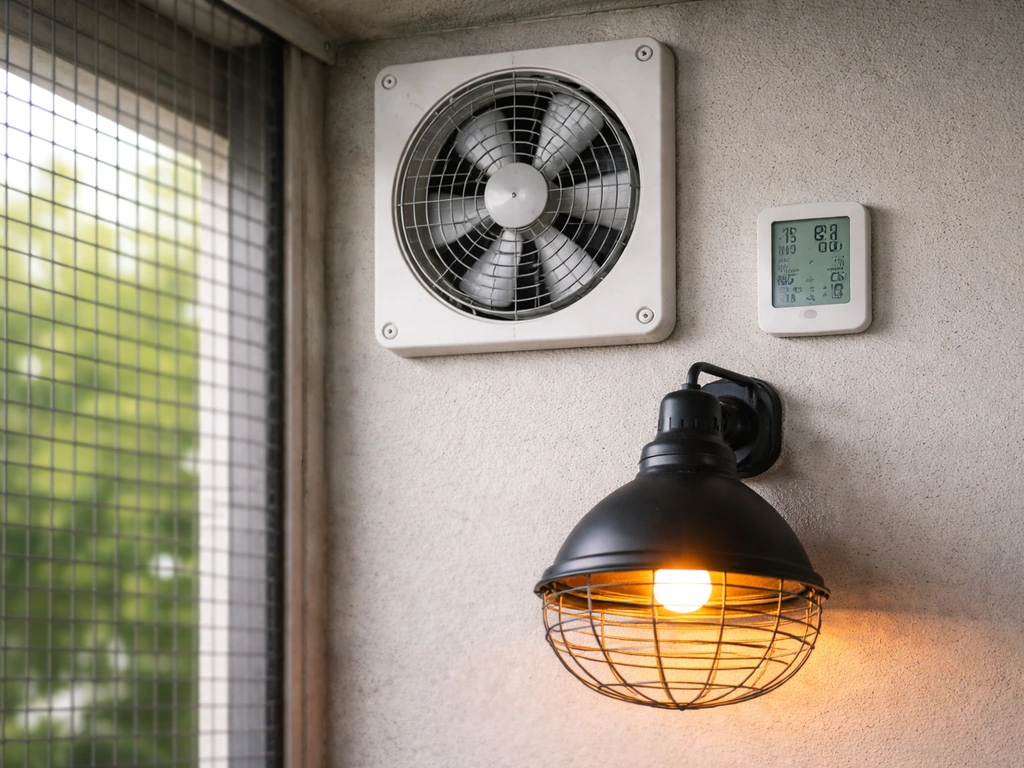
Adequate ventilation prevents the buildup of ammonia from droppings, which is one of the most common health problems in indoor aviaries. Fresh air exchange without cold drafts is the goal. Lighting should support natural photoperiod cycles, especially if you are trying to trigger breeding behavior. Temperature requirements vary by species, but most commonly bred birds do well between 65 and 85 degrees Fahrenheit. Extremes in either direction cause stress, suppress breeding, and increase disease susceptibility.
Biosecurity and sanitation
Biosecurity is the set of practices that keeps disease from entering or spreading through your flock. Inspectors take this seriously, and you should too. A single outbreak of Psittacosis, Avian Influenza, or Pacheco's disease can wipe out years of work. Your biosecurity plan should cover the following at a minimum:
- Quarantine protocols for all new birds (typically 30 to 45 days in a physically separate area)
- Daily cleaning schedules for food and water dishes, perches, and cage floors
- Weekly or biweekly deep-cleaning and disinfection routines with avian-safe disinfectants
- Pest control measures (rodents and wild birds can introduce disease)
- Visitor restrictions and footwear/clothing hygiene protocols
- A written disease response plan, including which avian vet to contact and how to isolate sick birds
Write your biosecurity plan down. A plan that lives only in your head does not exist as far as an inspector is concerned. Having it printed and posted in your aviary also shows that this is a real operating procedure, not something you threw together for the application.
What Happens After You Get Registered
Getting your registration is not the finish line. It is the starting gun. Ongoing compliance is where a lot of new breeders slip up, and it is where your registration can be revoked if you are not paying attention.
Record-keeping
You are required to maintain records of your birds, and those records need to be accurate, current, and available for inspection at any time. At minimum, track: the number of birds in your facility at any given time, births, deaths, sales, acquisitions, veterinary treatments, and any band or microchip numbers. For ESA-listed or CITES Appendix-I species, your records also need to include the lineage and captive-bred documentation for each bird, because proving captive origin is what separates legal breeding from wildlife trafficking in the eyes of the law.
Inspections and renewals
Expect routine inspections during your registration period. Under the APHIS AWA system, inspectors can conduct unannounced visits. Treat every day in your aviary as if an inspector might show up, because on any given day, they might. When renewal time comes, you will need to demonstrate continued compliance, updated records, and an operation that still meets current standards. Standards can change, so staying connected to your authority and relevant breeder associations keeps you ahead of any regulatory updates.
Responsible breeding practices
Registration gives you legal permission to breed. Responsible breeding is what gives you a reputation worth having. That means not overbreeding pairs, screening buyers, avoiding inbreeding, and being honest about the health history of birds you sell. If you ever find yourself producing more birds than you can place responsibly, scale back. The bird breeding community is small and word travels fast about breeders who cut corners.
Some registered breeders eventually expand their operation to take in rescued or surrendered birds alongside their breeding program, effectively evolving into something closer to a sanctuary model. If that direction interests you, understanding how to become a bird sanctuary is a natural next step once your breeding operation is stable.
A Quick Comparison: Registration vs Certification vs CITES

Since these three pathways overlap in confusing ways, here is a side-by-side look at what each one involves.
| Pathway | Who Requires It | What It Covers | How Long It Lasts | Who It Applies To |
|---|---|---|---|---|
| APHIS AWA License/Registration | U.S. Federal Government (USDA) | Animal welfare standards for bird operations | 3-year license cycle | U.S.-based breeders with regulated bird businesses |
| USFWS CBW Registration | U.S. Federal Government (USFWS) | Captive breeding of ESA-listed species | 5 years, renewable once for 10 total | U.S. breeders working with ESA Appendix species |
| CITES Captive-Breeding Register | International (CITES Secretariat) | International trade of Appendix-I species | Ongoing, subject to review | Breeders exporting or internationally trading Appendix-I birds |
| Association Certification | Voluntary (breeder organizations) | Credibility and best-practice standards | Varies by organization | Any breeder seeking industry recognition |
My recommendation: if you are in the U.S. and just starting out with common species like cockatiels or canaries, focus on determining whether you need an APHIS registration first. That is your most immediate legal requirement. If you are working with rarer species or plan to sell birds interstate or internationally, layer in USFWS and CITES compliance from the beginning rather than retrofitting it later.
Your Next Steps, Starting Today
The biggest mistake new breeders make is waiting until everything is perfect before they start. You do not need a finished aviary to begin researching permits. You do not need birds in hand to start your documentation folder. Here is what you can do right now:
- Search your country and state wildlife agency websites for bird breeder licensing requirements. Look specifically for terms like 'aviculture permit,' 'captive bird registration,' and 'bird dealer license.'
- Use the APHIS Licensing and Registration Assistant to determine if you need a federal license or registration in the U.S.
- Choose your target species and spend the next 30 days deep in the husbandry literature for that bird.
- Reach out to an established local breeder or aviculture club and ask if you can volunteer or shadow them.
- Open a dedicated folder for your application documents and start collecting what you already have.
- Contact an avian vet in your area and introduce yourself. Establishing that relationship early is something inspectors genuinely look for.
Beyond registration, there is a whole world of ways to build a sustainable life around birds. Whether you are curious about making money with bird photography, want to explore other ways to earn income with birds, or are dreaming about eventually starting a bird sanctuary, getting your breeder registration is a foundational step that opens a lot of doors. And if you ever get the chance to visit a world-class bird park for inspiration, checking out how to plan a bird park visit or even dreaming about places like Bird Island in the Seychelles can remind you why you got into this in the first place. The paperwork is worth it.
FAQ
Do I need both registration and certification to become a registered bird breeder?
Usually you only need government registration for legal permission, certification is optional and comes from industry groups. You can also be legally registered but choose not to pursue certification, or vice versa, certification alone is not a substitute for the government requirement.
What activities count as “breeding” for registration purposes, even if I am not selling birds?
In many jurisdictions, breeding for barter, rehoming, or even repeated production in a facility can trigger the same oversight as selling. If you raise chicks from your own birds and redistribute them, check whether your local authority treats that as part of a regulated operation.
How do I tell whether I need USDA APHIS registration or only a state/local license?
Start by using the species and intended activity, selling interstate, buying for resale, and maintaining a commercial scale operation are common triggers. The same bird can still fall under different rules based on your business model, the cleanest path is to confirm through APHIS guidance for your exact setup.
If I plan to sell birds only locally, do CITES or USFWS rules still matter?
They can, especially if your species is listed under the Endangered Species Act, is a CITES-listed taxon, or if any part of the transaction crosses borders. Even “local” buyers may require documentation if you supply birds that originated from legally captive-bred stock.
What documentation should I prepare before I even submit an application?
Have a written biosecurity plan, a facility layout with sanitation workflow, and a day-one records system that tracks acquisitions and birds by identifier. Many denials or delays happen because applicants cannot produce traceable records immediately, even if they have the right intent.
Do inspectors require a certain standard of enclosure materials or cleaning methods?
They typically look for materials that can be fully cleaned and sanitized and for designs that support normal movement, not just “bird-friendly” comfort. If your plan relies on porous surfaces or hard-to-clean construction, expect pushback and be ready to modify before approval.
Can I start the registration process before I have birds or a fully built aviary?
Often yes, research and documentation can begin immediately, but some authorities may require an inspection or proof of an operational setup before granting final registration. Ask whether you can apply with a planned facility and what the earliest inspection trigger is.
How strict is recordkeeping day-to-day, and what happens if I make mistakes?
Mistakes that break traceability, like missing acquisition dates or incorrect identifiers, can be treated as noncompliance. Fixes should be documented with corrections and dates, and you should align your record format with what inspectors expect, not just what is convenient.
What are the most common biosecurity gaps that cause compliance problems?
New breeders often underestimate movement control (who can enter, when, and with what protective steps), disinfection timing, and quarantine for incoming birds. A written quarantine procedure with entry/exit rules is usually more effective than general “we keep birds separated” statements.
Do I need microchips, bands, or both for every bird?
It depends on your species, your authority, and whether the bird is under enhanced tracking requirements. For CITES or ESA-listed birds, you usually need proof of captive origin and specific identifiers, confirm the acceptable documentation types before you start breeding.
If I breed multiple species in one facility, can I use one combined plan or do I need separate setups?
You can often use one overall biosecurity framework, but enclosure requirements and breeding management are species-specific. Inspectors may still expect clear separation for housing, sanitation routines, and recordkeeping by species, especially if there are different disease risks.
How does scaling up affect registration, do I need to update my documents?
Yes, scaling typically changes your enclosure count, housing layout, staffing, and sometimes your regulatory tier. Plan to submit updates when you add rooms, change cage densities, or move from hobby-scale to a higher-throughput operation.
What should I do if I want to keep birds as a sanctuary after I become a breeder?
Treat it as a business model change, not a simple add-on. You may need new policies for intake, health screening, recordkeeping categories, and potentially different regulatory permissions depending on where the “rescue” workflow overlaps with breeding activity.
Next Article
How to Start a Bird Sanctuary Legally and Safely
Step-by-step checklist to start a legal, safe nonprofit bird sanctuary: permits, governance, intake, housing, SOPs, and