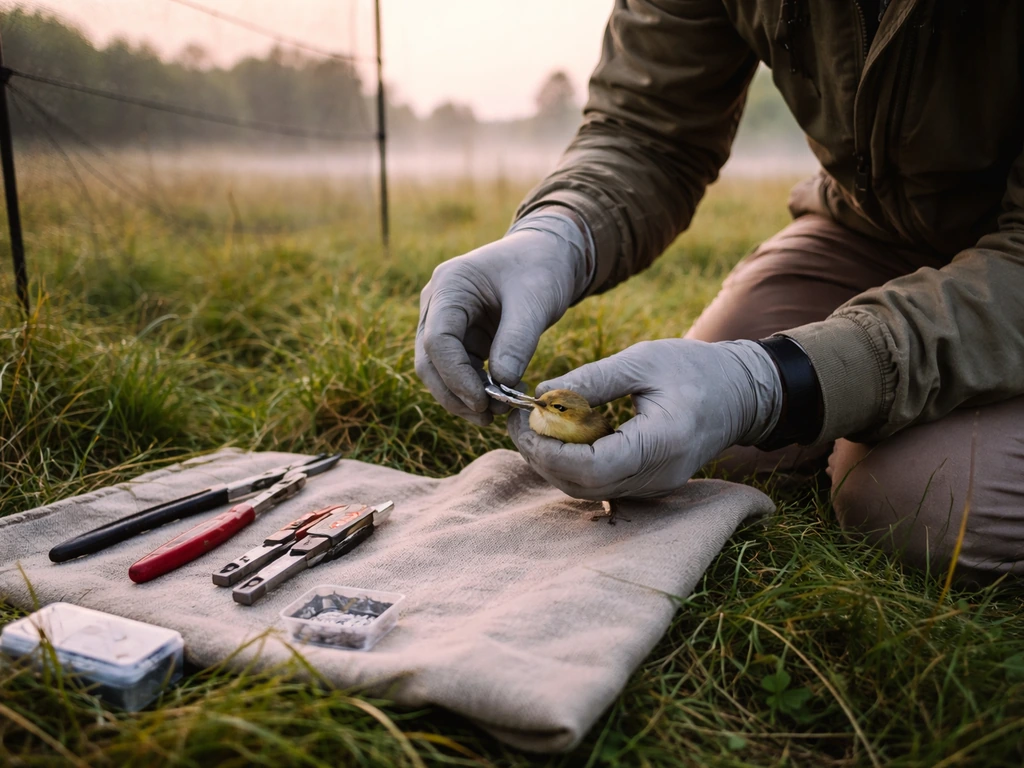
Getting a bird breeder license is not a single, universal process. The exact permit you need depends entirely on where you live, what species you plan to breed, and whether you are selling birds commercially or just breeding as a hobby. That said, the overall path is predictable once you know which authority to contact, and most people can get through the application process in a few weeks to a few months if they prepare properly. Here is everything you need to know to start today.
How to Get a Bird Breeder License: Step by Step Guide

Marcus Hendricks
16 Apr 2026

What 'bird breeder license' actually means where you live
There is no single global document called a 'bird breeder license.' What you are really looking for is the specific permit or registration that your jurisdiction requires before you can legally keep and breed birds, especially if you plan to sell them. The name varies: it might be called an aviculture permit, a captive-bred wildlife registration, an animal activities licence, a commercial breeder permit, or a state-level wildlife possession permit. The correct term depends on your country, and sometimes your state, province, or even your city.
Before you fill out a single form, you need to answer three questions: (1) What country and region am I in? (2) What species am I breeding? (3) Am I selling birds, or is this purely a hobby? Those three answers determine which authority you report to and which permit applies. Skipping this step is the most common mistake beginners make, and it can lead to applying for the wrong license entirely. If you are still figuring out the basics of bird ownership before committing to breeding, it helps to first understand what you need to own a bird at the most basic level.
Country-level snapshots
In Canada, captive breeding of wildlife is handled at the federal level through what is officially called an Aviculture permit, submitted to the Canadian Wildlife Service (CWS) office in the region where your breeding activity will take place. In the United States, if you are breeding endangered or protected species for sale, you will likely need a Captive Bred Wildlife Registration (CBW) from the U. S. Fish and Wildlife Service under 50 CFR 17.
21(g). If you run a business that falls under the Animal Welfare Act (AWA), you also need a USDA APHIS license or registration, and the APHIS system has its own eligibility checker to determine whether you need a license versus a simple registration. In the UK, animal activity licensing for selling animals as pets is handled by local authorities, meaning your town or county council is the body you apply to.
In Australia, each state issues its own wildlife keeper or bird keeper licences.
The bottom line: start at your national wildlife or agriculture agency website, then drill down to your state or provincial wildlife division, and finally check your local council or municipality rules. All three levels may have requirements that stack on top of each other.
Choose the right type of license for your situation
Not every bird breeder needs the same permit. The type you need depends on a few key variables. Getting this right early saves you a lot of wasted effort. A broad overview of the most common permit categories looks like this:
| Situation | Likely Permit Type | Issuing Authority (examples) |
|---|---|---|
| Breeding common domestic species (budgies, canaries) for sale | Commercial breeder or animal dealer permit | State/provincial agriculture dept or local council |
| Breeding CITES-listed or protected native species | Aviculture permit or captive-bred wildlife registration | Canadian Wildlife Service (CA), USFWS (US), state wildlife agency |
| Running a business with employees handling regulated animals | USDA APHIS Animal Welfare Act license | USDA APHIS (US) |
| Selling pet birds from a shop or market stall | Animal activities licence (selling animals as pets) | Local authority (UK), state ag dept (US/AU) |
| Hobby breeding only, no sales | Wildlife possession or keeper permit (may be required) | State/provincial wildlife agency |
A few things to keep in mind. Selling birds, even casually, almost always triggers licensing requirements that hobby breeding does not. Species matter enormously: breeding a parakeet is treated very differently from breeding a macaw or a native songbird. If you are planning to breed birds that require a more formal wildlife handling credential, it is worth reading up on how to become a bird bander, since some of the same agencies and application pathways overlap.
If you are unsure whether your birds are regulated at the federal level, call or email the relevant wildlife agency directly and describe the species. They will tell you. Do not guess on this one.
Step-by-step application process and required documents
Once you know which permit you need, the application process follows a fairly consistent pattern. Here is the general workflow, though the exact steps will vary by jurisdiction.
- Identify the issuing authority: Find the exact government body (national wildlife service, state agriculture department, or local council) that issues the permit for your species and location.
- Download or request the application form: Most agencies post forms online. Some, like the Canadian Wildlife Service, require you to contact your regional CWS office directly for the current version of the Aviculture permit application.
- Check eligibility requirements: Many permits require you to be of a certain age (usually 18+), have no prior wildlife violation convictions, and in some cases demonstrate experience with the species you intend to breed.
- Prepare your facility before applying: A number of licensing bodies require photos, diagrams, or a site inspection of your bird housing before they will approve the application. Do not wait until after you apply to set this up.
- Gather required documents and submit: Assemble everything listed below, then submit the completed application with the correct fee.
- Respond to any follow-up requests: Agencies may ask for clarification, additional photos, or a scheduled inspection. Respond quickly to avoid delays.
- Wait for approval before breeding or selling: In the UK, for example, applicants may need to stop trading if their application has not been approved or processed. The same principle applies in most jurisdictions.
Documents you will typically need
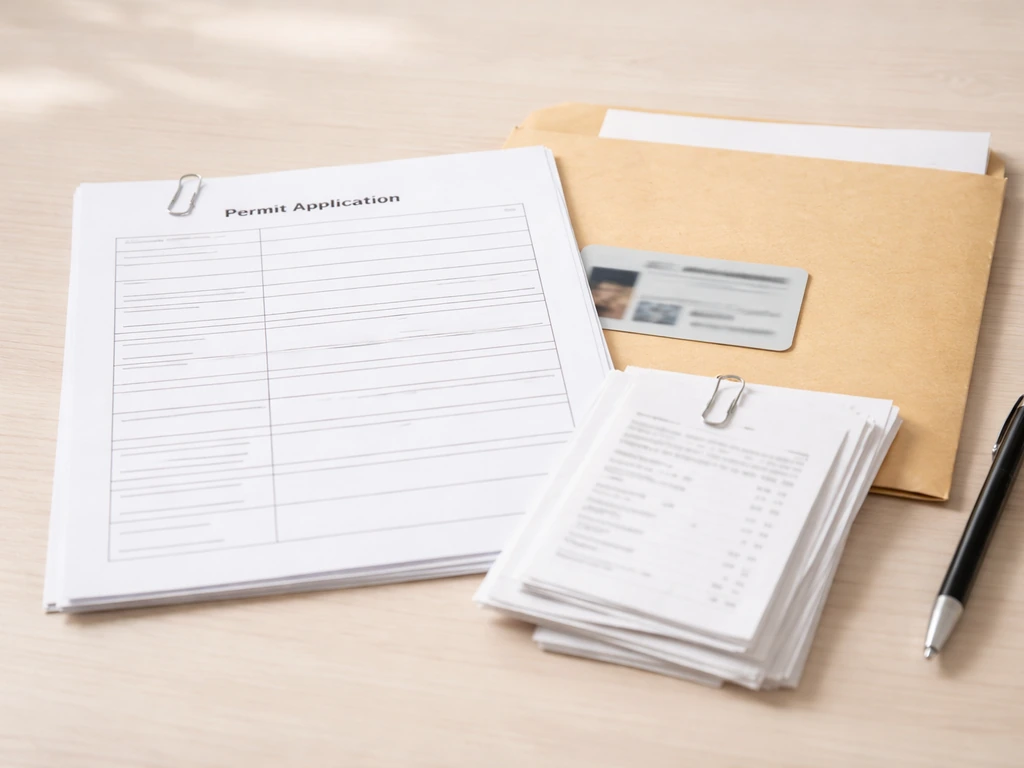
- Completed application form (specific to the permit type and issuing authority)
- Government-issued photo ID (passport, driver's license)
- Proof of address (utility bill, lease agreement)
- Species list: the common name, scientific name, and number of birds you intend to keep and breed
- Facility description or floor plan showing cage dimensions, ventilation, and biosecurity measures
- Photographs of your bird housing setup
- Proof of business registration or ABN/EIN if applying as a commercial breeder
- Completed sanitation and animal welfare self-assessment (some agencies provide a checklist)
- Payment for the application fee
- References or proof of experience (required by some US state wildlife agencies and some APHIS applications)
Some jurisdictions also ask for proof that birds were legally acquired, such as purchase receipts or transfer documents. If your birds are registered with a breed registry or avicultural society, include that paperwork too. It signals that you are already operating responsibly, which matters to reviewers. Speaking of registration, how to register a bird officially is a separate process from licensing but is sometimes required as a prerequisite or strongly recommended alongside it.
Facility, animal welfare, and recordkeeping requirements
This is the section most first-time applicants underestimate. Getting the paperwork right is only half the job. The physical setup of your bird breeding operation has to meet specific standards, and those standards are tied directly to your permit approval. The Canadian Aviculture permit framework, for example, explicitly includes facility requirements as part of the permit conditions. USDA APHIS has detailed facility standards in the Animal Welfare Act regulations that cover cage size, ventilation, lighting, temperature ranges, and access to food and water.
Facility basics most agencies look for
- Enclosures large enough for the species to express natural behaviors (flight cages for larger parrots, for example)
- Solid, escape-proof construction with no sharp edges or toxic materials
- Adequate ventilation to prevent respiratory illness and reduce disease transmission
- Separate quarantine space for new or sick birds
- Pest and predator exclusion measures
- Easy-to-clean surfaces (concrete, sealed wood, or coated wire) with documented sanitation schedules
- Access to clean water and species-appropriate food at all times
- Outdoor shelters with shade and weather protection if birds are kept outside
Recordkeeping: the part people skip (and regret)
Recordkeeping is not optional, and it is one of the areas where breeders get into trouble during renewals or inspections. Under the U.S. Fish and Wildlife Service's Captive Bred Wildlife Registration, for example, registrants must submit an annual report of facility activities and maintain a current inventory of all species covered under the registration. That means you need a live log of your flock at all times: every bird hatched, sold, transferred, or that died, with dates. Keep records for at least three to five years, and check your specific permit conditions because some require longer retention.
- Bird acquisition log: date acquired, source, species, band/microchip number
- Breeding log: pair involved, clutch dates, number of eggs, hatch rate
- Sales and transfer log: date, buyer contact info, species, price (where required by law)
- Mortality log: date, cause of death if known, disposal method
- Veterinary records: all treatments, vaccinations, and health checks
- Sanitation schedule and completed cleaning records
A simple spreadsheet works fine when you are starting out. As your operation grows, dedicated avicultural software or even a banded leg ring numbering system that matches your spreadsheet entries keeps things tidy.
Zoning, inspections, and compliance basics
Even if you have every wildlife and animal welfare permit sorted, you can still be stopped by a completely separate layer of regulation: zoning. Local zoning ordinances determine what activities are allowed on your property. Many residential zones prohibit or restrict keeping large numbers of birds or running a home-based business that involves animals. Before you invest in cages, check with your local planning or zoning office. Ask specifically whether keeping and selling birds from your address is permitted, and whether you need a home occupation permit or business license on top of your wildlife and breeding permits.
Inspections are a normal part of the process, not a gotcha. In the UK, local authorities visit premises as part of the animal activities licensing process. USDA APHIS inspectors conduct unannounced visits for AWA-licensed facilities. The Canadian Wildlife Service may inspect aviculture permit holders. The best way to pass any inspection is to run your operation exactly the way your permit conditions describe, every single day, not just when you know someone is coming. Inspectors look for consistency.
A few practical compliance tips that are easy to overlook: make sure your birds are visibly identified (leg bands or microchips) in the way your permit requires, keep your records somewhere an inspector can actually access them (a binder in the bird room works better than a file buried on your laptop), and if you breed species that could be confused with wild-caught birds, have documentation proving your birds are captive-bred from day one.
Costs, timelines, and common reasons for denial
Costs vary widely. UK local authority licence fees for animal activities (including selling pets) are set individually by each council and typically range from a few hundred to over a thousand pounds depending on the scope of the operation. USDA APHIS license fees in the US are based on the type of license and business size. State wildlife permits in the US commonly run between $25 and $150 per year. Canadian federal aviculture permits have their own fee schedules available through regional CWS offices. Budget for the permit fee, any required vet certifications, facility upgrades, and the time cost of assembling your application documents.
Timelines are equally variable. A straightforward state-level breeder permit in a US state with an online system can take two to six weeks. A USDA APHIS AWA license application, which involves a pre-license inspection, typically takes four to eight weeks from submission to approval. UK animal activity licences can take several weeks to several months depending on local authority workload. The Canadian CWS process timeline depends on the regional office. Applying well before you intend to start breeding (ideally three to six months out) is the safest approach.
Why applications get denied
- Incomplete application or missing documents (the single most common reason)
- Facility does not meet minimum standards at the time of inspection
- Property is not zoned for the proposed activity
- Applicant has prior wildlife or animal welfare violations on record
- Species applied for are not permitted for private breeding in that jurisdiction
- No proof that existing birds were legally acquired
- Application submitted to the wrong agency or for the wrong permit type
Most denials are fixable. If you are denied, read the denial letter carefully, because it will tell you exactly what was missing or non-compliant. Fix the specific issues, then reapply. Do not assume a denial is permanent unless the agency explicitly says so.
What happens after you're approved: staying licensed and compliant
Approval is not the finish line. It is the starting gun for a set of ongoing obligations. The U.S. Fish and Wildlife Service's Captive Bred Wildlife Registration is valid for five years and may be renewed once (for up to ten years total), after which you must obtain a new registration. Most state-level breeder permits renew annually. UK animal activities licences also have defined validity periods set by the issuing local authority. Missing a renewal deadline can mean you are operating illegally even if you were fully compliant right up until the expiry date.
Set a calendar reminder at least 60 days before your permit expiry date. Renewal applications often require updated facility photos, a current bird inventory, and the renewal fee. Some jurisdictions also require a compliance inspection before renewal is granted, so you need lead time.
Your ongoing obligations as a licensed breeder
- Maintain up-to-date records of all birds: acquisitions, sales, hatches, deaths, and transfers
- Submit any required annual reports or inventory updates to the issuing authority (mandatory for US CBW registrants, for example)
- Notify the issuing authority if you change address, change species, or significantly expand your operation
- Comply with any new regulations that come into effect during your permit period
- Keep facilities in continuous compliance with the conditions listed in your permit
- Cooperate with unannounced inspections and produce records on request
- Renew before your current permit expires, not after
One thing worth noting: the licensing requirements for breeders are related to but separate from the general rules around keeping birds as a pet owner. If people you sell birds to ask you about what documentation they need as new owners, you can point them toward resources that explain how to get a bird licence for regular ownership, since that is a different and usually simpler process than what you went through.
If you ever need to close your breeding operation or deregister with an agency, that process is also handled formally. Some platforms and registries have their own deregistration steps, and it is worth knowing upfront that how to delete your bird account from any digital registry or avicultural membership system you joined along the way is a separate administrative step from surrendering your government permit.
Your practical next steps checklist
If you want to move on this today, here is exactly what to do in order. Do not try to do all of it at once. Work through it step by step.
- Write down your country, state or province, city, the species you plan to breed, and whether you intend to sell birds commercially.
- Search for your national wildlife agency and your state or provincial agriculture or wildlife department. Find the contact page and the permits section.
- Call or email both agencies and ask: 'I want to breed [species] and sell them. What permit do I need, and who issues it?' Get the answer in writing if possible.
- Check your local council or municipality for zoning rules and home-based business requirements.
- Download the correct application form and read it fully before touching your facility.
- Audit your current bird housing against the facility requirements listed in the application or the agency's published standards. Fix what needs fixing.
- Gather every document on the required list before you start filling out the form.
- Submit the completed application with the correct fee and keep a copy of everything you sent.
- Set a calendar reminder for your expected inspection or approval date, and another 60 days before your permit's expiry.
- Start your recordkeeping system the day you submit the application, not the day you get approved.
That is the full picture. It is more paperwork than most people expect, but none of it is genuinely complicated once you know which door to knock on. The agencies involved deal with these applications regularly and most have helpful staff who will walk you through the process if you just ask. Start with step one today, and you will be further along than the majority of aspiring breeders who never get past the research phase.
FAQ
Can I start breeding before my application is approved, as long as I submit the paperwork first?
In many places, no. Most permits are “before you begin” requirements, especially when selling birds. If you breed during the gap, you can be treated as operating without authorization. Ask the issuing agency whether they allow pre-approval activity, and if so, what limitations apply (for example, no sales until approval).
What if I breed birds that are legal pets in my area, but I am not selling them? Do I still need a breeder permit?
Possibly. Some jurisdictions regulate breeding activity regardless of sales, while others trigger licensing only when you sell, broker, or exchange birds for profit. The safest approach is to tell the agency both your species and your exact intent (gift only, rehoming among friends, small-scale resale, or online sales).
How do I know whether my birds must be “captive-bred” from day one?
Look for permit conditions that require proof of origin, such as hatch dates, leg band or microchip identifiers, and records showing parentage. If you bought adult birds, some agencies may require transfer documentation and may still classify offspring differently depending on the species. Ask specifically whether any offspring from purchased stock are treated as captive-bred for permitting purposes.
Do I need both a wildlife or breeder permit and an animal welfare permit?
Often yes, but it depends on your country and the legal category of your operation. For example, one permit may cover wildlife possession and breeding, while another (under animal welfare rules) covers facility standards and inspections. Confirm with the agency whether you need a separate welfare license, and whether one approval satisfies the other.
What documentation should I prepare if the agency asks for proof of legal acquisition?
Commonly accepted items include purchase receipts, transfer or bill of sale forms, breeder registry records, and any government-issued identifiers that already exist for your birds. Keep documents that tie each bird to you, including dates and seller details, and be ready to match them to your inventory list by ID number (band, ring, or microchip).
How long should I keep bird breeding records, especially for deaths and transfers?
Minimum retention periods vary by permit, but many agencies expect multi-year records, not just for the current flock cycle. Maintain a live inventory log that includes hatches, sales or transfers, and mortality with dates, and store supporting documents so they remain accessible during inspections and renewals.
What is the easiest way to avoid inspection problems related to facility compliance?
Design the setup to meet the written permit standards from day one, not “when you think you’ll be inspected.” Keep cages, ventilation, temperature, lighting, and food and water access consistent with the requirements. Also, arrange your records so an inspector can find inventory and documentation quickly without having to search your computer.
Are leg bands or microchips required, and do they need to follow a specific numbering system?
Often yes, and the acceptable methods and numbering standards are usually spelled out in permit conditions. If you use a numbering or banding system, make sure it aligns with your inventory records exactly (one-to-one). If the species requires a specific type of band, using a different band format can create identification gaps.
If I breed multiple bird species, do I apply for separate permits or can one permit cover everything?
Sometimes one permit covers multiple species, but sometimes each species (or category such as native versus exotic, or protected versus non-protected) triggers separate authorization. Before you apply, list all intended species and whether they are for sale. Ask the agency how it will be categorized so you avoid submitting an incomplete application.
What happens if I move to a new address or change my operation after getting licensed?
Many permits require prior notice or amendment when you change location, expand the number of birds, or alter the business structure. Update the agency promptly and ask whether you need a new inspection or amended facility photos. Keep proof of the change date so your renewal and compliance timeline stays accurate.
Can I renew after the deadline, or will I be considered operating illegally?
Renewal deadlines are frequently strict, and operating after expiry can trigger enforcement even if you were compliant the day before. If your renewal requires updated inventory and photos, start gathering them early and set reminders well ahead of the expiry date.
If my application is denied, can I just submit missing documents, or do I have to start over?
Many denials specify what is missing or non-compliant, and you can often fix those issues and reapply. However, some jurisdictions treat certain failures as grounds for restarting the process or re-scheduling an inspection. Ask whether a “correction submission” is allowed, and whether the denial affects the validity of prior inspections or fees.
Do I need a separate business license or home occupation permit to sell birds?
In many areas, yes, zoning and business licensing can apply even if you have wildlife and animal welfare permits. Confirm whether your address is allowed for animal sales, and ask whether a home occupation permit, signage rules, or customer pickup restrictions apply.
How do I handle deregistration if I stop breeding or need to surrender birds?
Deregistration is usually a formal process, and surrender routes can be species- and jurisdiction-specific. Ask the agency what paperwork is required to close out your permit or update status, and whether there are rules about transferring birds to another licensed breeder or organization.
Next Article
How to Become a Bird Bander: Training, Permits, and Safety
Step-by-step path to become a bird bander: permits, training, equipment, safe handling, banding ethics, and reporting.