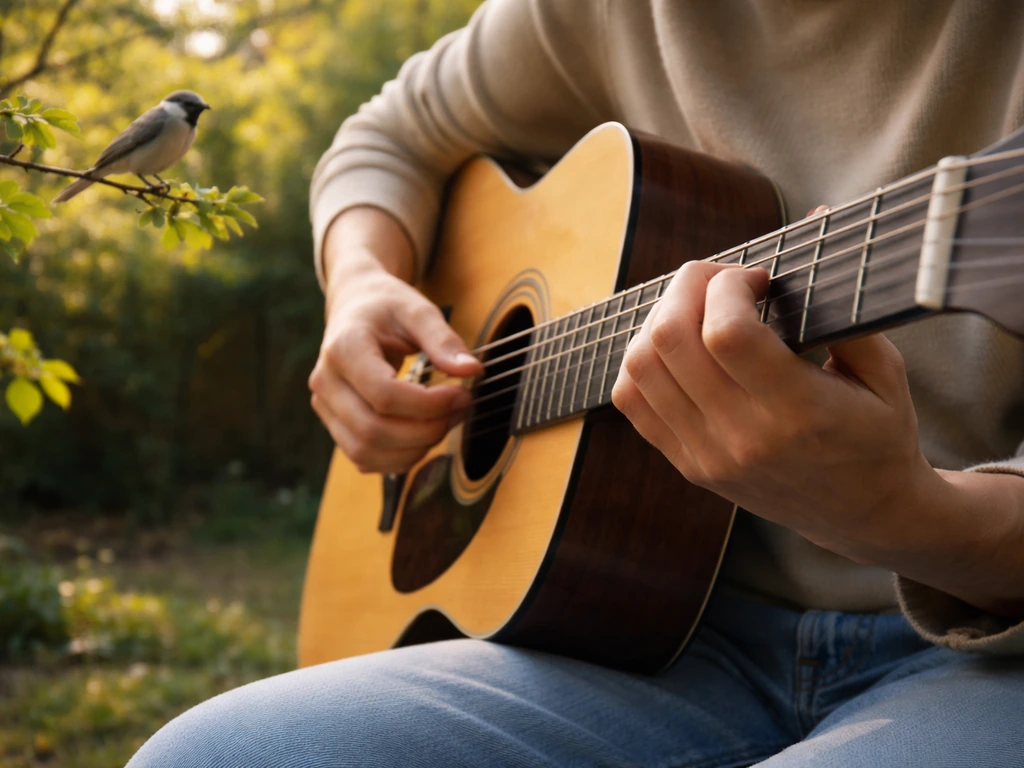
Yes, you can absolutely play a real bird song on guitar, and it sounds incredible when you get it right. The trick is treating it like any other transcription project: find a clean recording, isolate the melody, figure out which notes match on your fretboard, and practice it slowly until it flows. Birds don't follow music theory rules, which makes this a little tricky at first, but also genuinely fun once you get the hang of it. Here's exactly how to do it from start to finish.
How to Play Bird Song on Guitar: Step-by-Step Guide

Marcus Hendricks
17 Apr 2026
Picking bird songs to learn (and finding the right recording)
Not every bird song translates well to guitar. Short, melodic songs with clear pitch changes are the easiest starting points. The Wood Thrush, the Canyon Wren, and the White-throated Sparrow all have songs with distinct, singable phrases. Long warbling songs or ultra-fast chip notes are much harder to work with. Start with something that sounds almost like a short tune you could hum, and you'll have a much better time.
For recordings, two sources are your best friends. Xeno-canto (xeno-canto.org) lets you search by species and download audio files directly from each recording's page, which also shows licensing info under Creative Commons so you know you're using it legally. The Macaulay Library from Cornell Lab of Ornithology is another excellent archive: individual specimen pages like ML166607 for the Song Sparrow give you clean, high-quality recordings where the bird's voice shows up as well-defined, dark streaks on the spectrogram, meaning less background noise to confuse you. Go for recordings where the bird is loud, close, and alone. Avoid anything with heavy wind, overlapping bird calls, or a lot of ambient noise.
Once you've picked your recording, listen to it at least ten times before you even touch your guitar. You want the melody stuck in your head. Seriously. If you can't hum it back, you're not ready to play it yet.
Choosing a guitar approach (chords vs single-note melody)
You've got two main paths here, and which one you choose depends on your skill level and what you want the result to sound like.
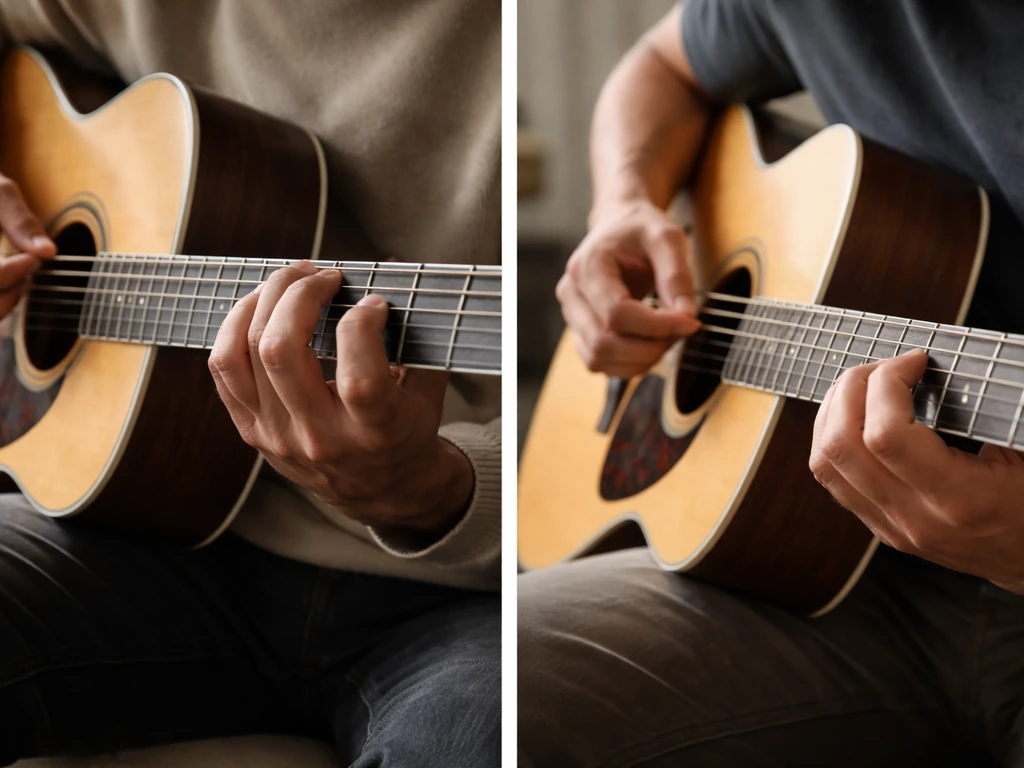
The single-note melody approach means playing the actual bird's pitch sequence, note for note, on one string at a time. This is the most accurate representation of the bird song, and it's where most people should start. It's closer to playing a riff than a chord progression. You'll be picking individual notes, often on the higher strings (B and high-E), and your job is to match the bird's pitch as closely as possible.
The chord/harmony approach means building chords underneath the melody or interpreting the bird song as a harmonic idea. This is more compositional and works better if you already know some music theory. Some guitarists have used the pentatonic or modal structure of a bird's call to inspire entire chord progressions. Think of it as being inspired by the bird rather than transcribing it literally. It's more creative but less accurate.
For beginners: stick with the single-note melody. It teaches your ear, your fretboard knowledge, and your technique all at once. You can always add harmony later. If you enjoy playing other bird-inspired songs this way, check out this guide on how to play Free as a Bird on guitar, which uses a similar single-note approach for a melodic, bird-themed tune.
Ear-training essentials to match the melody by ear
Ear training is the real skill here. If your ear isn't in the game, no amount of tab-reading will help you capture what the bird is actually doing. The goal is to hear a pitch and immediately know where it lives on your guitar.
Start simple: listen to one phrase of the bird song (most bird songs repeat in short bursts of 2 to 5 notes), then try to sing or hum it. Then find the starting note on your guitar by testing frets until one matches what you're hearing. This process of "seek and confirm" is the foundation of playing by ear. Don't rush it. You're training your brain to connect sounds to physical locations on the fretboard, and that connection takes repetition.
A useful drill: play a note on the guitar, then sing it back. Then flip it: sing a note from the recording, then find it on the guitar. Doing this for just 10 minutes a day speeds up your ear dramatically. Birds often move in intervals that don't follow standard Western scales, so you might land on notes in between frets (microtones). In that case, get as close as you can and use string bends to nudge the pitch slightly if needed.
Transcription options: from recording to notes/tab
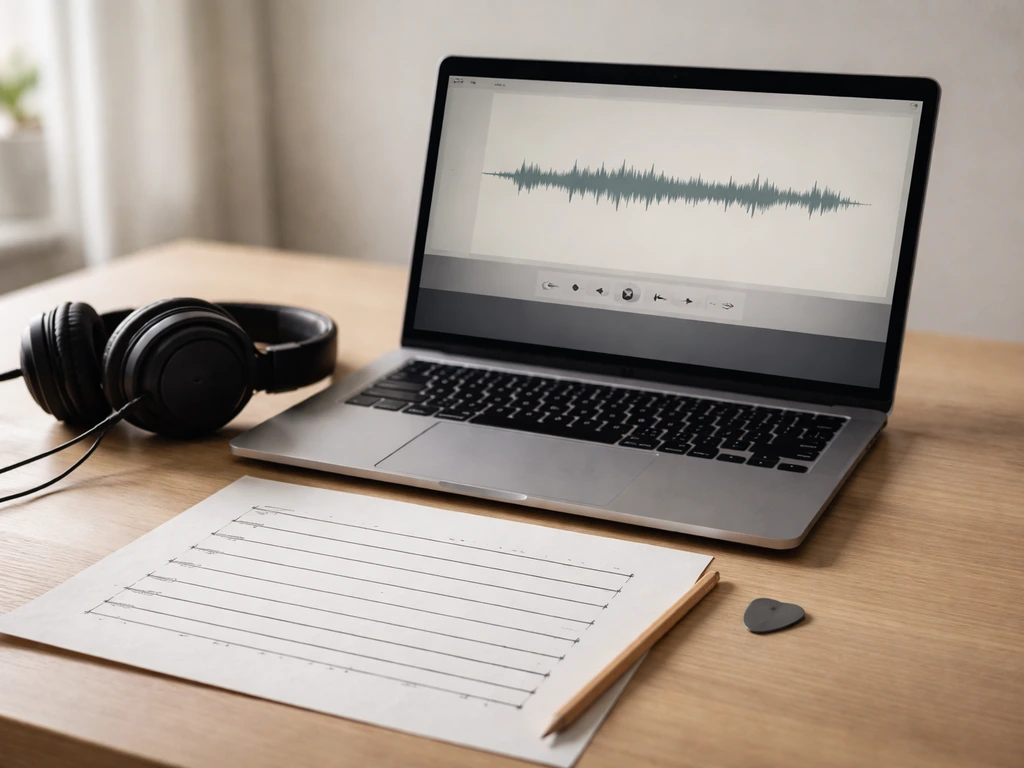
Transcription just means turning what you hear into written notes or guitar tab. You don't need to read music to do this. Guitar tab (a simple diagram of which fret to press on which string) is totally sufficient.
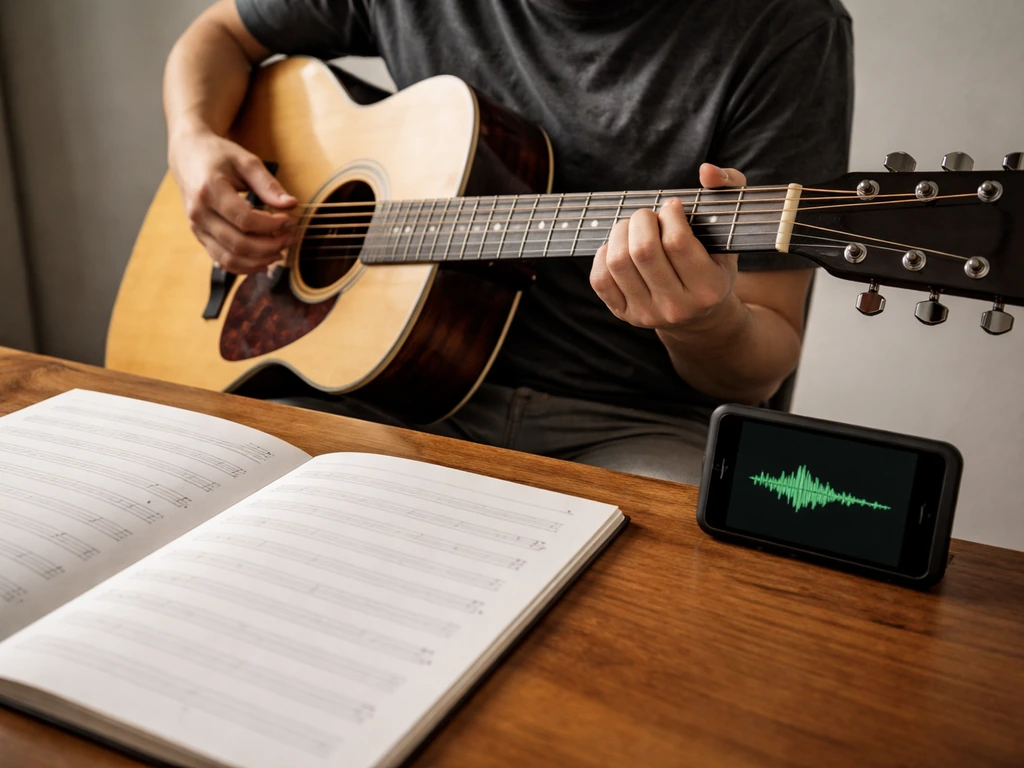
The two best software tools for this are Amazing Slow Downer and Transcribe! by Seventh String Software. Amazing Slow Downer lets you slow the recording down without changing the pitch, loop specific sections, and even shift the pitch of the recording up or down so it fits the guitar's range better. The loop feature is a game-changer: you can set a loop around just one bird phrase and have it repeat endlessly while you figure out the notes. Transcribe! goes a step further by showing you a spectrum graph that displays pitch strength over a piano keyboard layout, and it can even make note and chord guesses based on what it detects in the audio. That's incredibly useful when a bird phrase is moving too fast to catch in real time.
Here's a practical workflow: load your recording into Amazing Slow Downer, set the speed to about 50%, loop the first phrase, and listen until you can sing it clearly. Then move to Transcribe! and use the spectrum view to see which pitches are strongest. Cross-reference what you see with what you hear, find those notes on your guitar, and write them down as tab. Don't try to transcribe the whole song at once. Do one phrase, master it, then move to the next.
Step-by-step practice routine (slow → loop → tempo)
Once you have a phrase transcribed into tab, follow this routine every practice session:
- Play the phrase very slowly, focusing only on hitting the right notes cleanly. No rushing. If you make an error, stop, correct it, and repeat that spot three times in a row before moving forward.
- Loop that phrase with Amazing Slow Downer playing in the background at a reduced speed, and match your guitar to it in real time. This keeps your ears engaged instead of just reading tab mechanically.
- Once you can play it cleanly at the slow speed, increase the speed by 10% increments. Don't jump straight to full speed.
- When you're comfortable at around 80-90% of the original tempo, try it at full speed with the original recording playing. See how close you are.
- Work on smooth transitions between phrases. The gap between two phrases is often where things fall apart, so practice the last note of phrase one into the first note of phrase two as a mini-drill.
- Run the full song from start to finish at least three times in a row without stopping, even if you make small mistakes. This builds muscle memory and stamina.
Spending 15 to 20 focused minutes on this each day will get you a clean result faster than one long unfocused session per week. Consistency matters more than duration here.
Common hurdles and how to fix them (timing, tuning, range)
Timing feels off
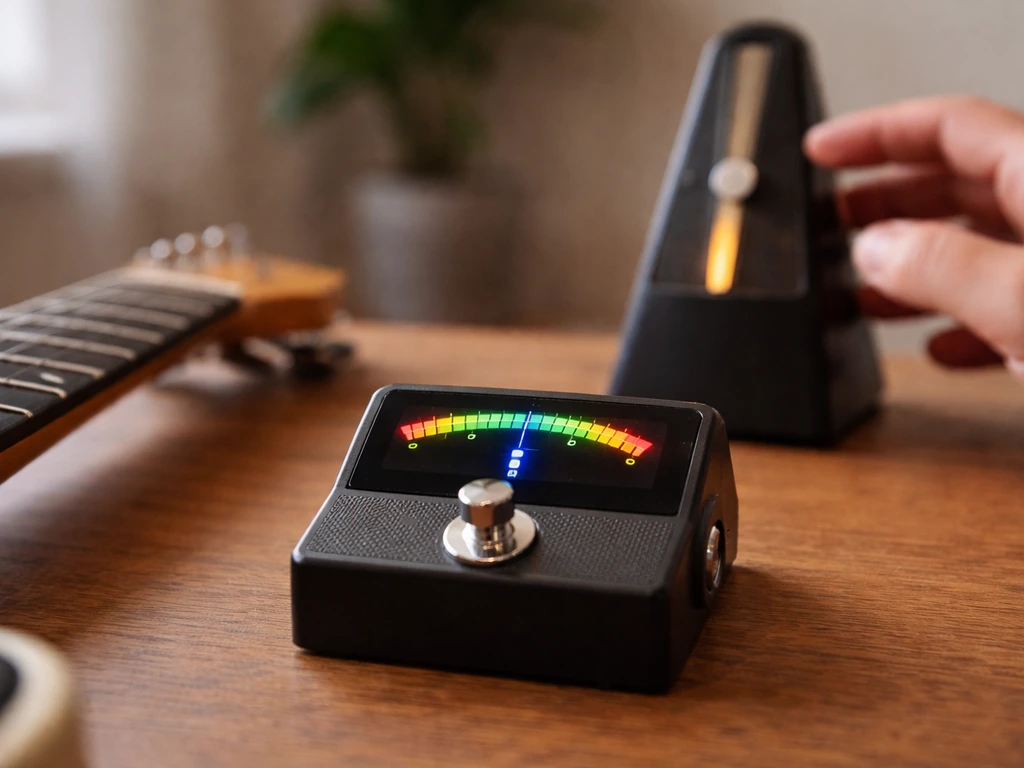
Birds don't sing in 4/4 time. Their rhythms are free-flowing and unpredictable. The fix is to stop trying to force the bird's rhythm into a strict beat. Play rubato, which just means playing with flexible timing that follows the natural rise and fall of the phrase rather than a fixed pulse. Record yourself playing along with the bird and listen back. If it sounds "wrong," you'll hear it immediately and can adjust.
The notes are out of the guitar's range
Some bird songs go very high, well above what a standard guitar can produce. If you're running out of frets, shift the phrase down an octave. It'll still sound recognizable, just deeper. Alternatively, use Amazing Slow Downer's pitch-shift feature to bring the recording down by a few semitones before you transcribe it. This is not cheating; it's just adapting the source material for your instrument.
Pitch doesn't quite match
Birds sometimes sing in pitches that fall between standard guitar frets (those microtones mentioned earlier). A subtle string bend of a quarter step or half step can bridge that gap. On electric guitar, this is easy. On acoustic, it takes a bit more finger pressure but is still doable. If a phrase consistently sounds slightly flat or sharp against the recording, try bending up slightly from the fret below or use a capo to shift your whole guitar's tuning up and then re-approach the phrase.
The song sounds like notes, not a bird
This is a technique issue. Birds glide between pitches with smooth, continuous movement. Guitar notes are typically hard attacks with clean starts. To close this gap, use hammer-ons, pull-offs, and slides instead of picking every note. Sliding from one fret to the next mimics the bird's gliding pitch, and it makes a huge difference in how natural the result sounds.
Gear and setup tips (guitar tuning, metronome, apps)
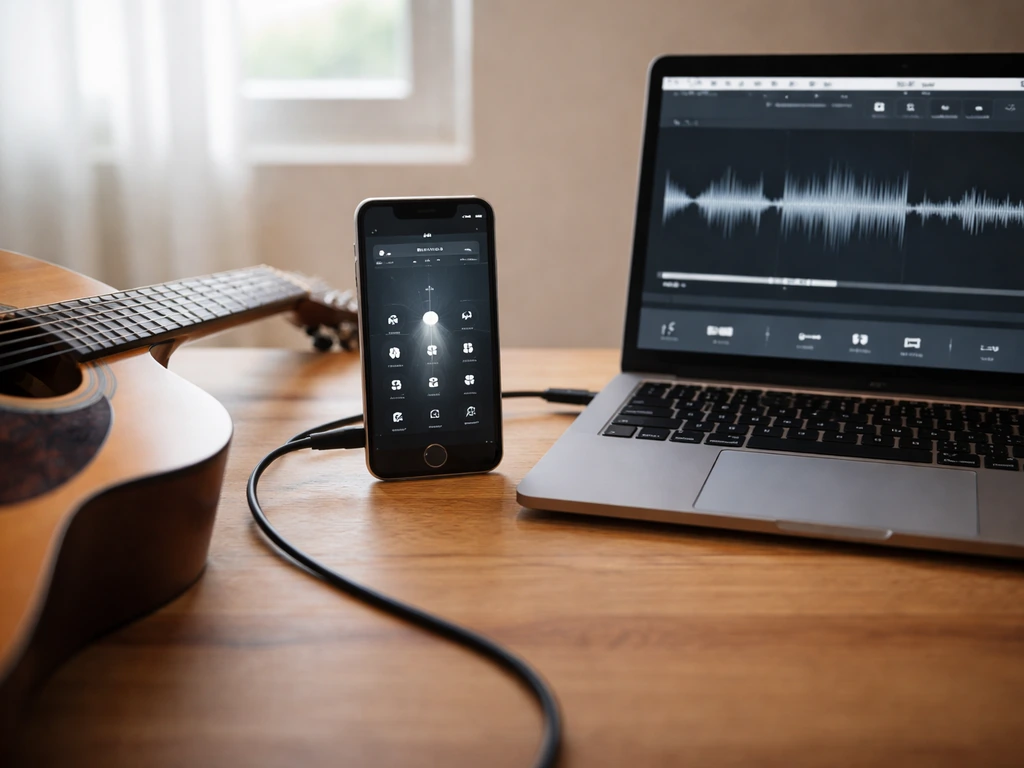
You don't need special gear, but a few things will make the process noticeably smoother.
| Tool | What it does | Why it helps for bird songs |
|---|---|---|
| Amazing Slow Downer | Slows audio, loops sections, shifts pitch | Lets you isolate and repeat short bird phrases at learnable speeds |
| Transcribe! (Seventh String) | Spectrum view, note/chord guessing, looping | Visually shows you which pitches are in the recording |
| GuitarTuna or similar tuner app | Keeps your guitar in standard tune | Bird song pitches only make sense if your guitar is accurate |
| Metronome app | Provides a reference beat | Useful for phrase timing even in rubato playing |
| Macaulay Library / Xeno-canto | High-quality bird audio archives | Clean, close-up recordings with minimal background noise |
Make sure your guitar is in tune before every session, full stop. Even a slightly out-of-tune guitar will make it impossible to match a bird's pitch accurately, and you'll waste time chasing notes that don't exist. A free tuner app does the job perfectly. For the metronome, you won't always use it while playing along with the bird (because of the free rhythm issue), but it's great for drilling your finger transitions and keeping your internal clock sharp.
If you're playing on a recorder instead of guitar, the process is similar but the instrument's fixed holes limit your pitch flexibility. There's a related guide on how to play Blue Bird on recorder that walks through adapting a bird-themed melody for a woodwind instrument, and some of the pitch-matching techniques there transfer well.
Where to go next (more bird songs, builds, and song packs)
Once you've nailed one bird song on guitar, the workflow becomes second nature. You'll start hearing bird songs outdoors and immediately thinking about which phrases would make great guitar licks. That's a good sign: your ear is developing.
The natural next step is to learn bird-themed songs that composers and songwriters have already adapted for guitar. These are great for building technique while keeping the bird-music connection alive. For example, how to play Blue Bird on guitar is a popular bird-themed track with a clear, learnable melody that reinforces single-note technique. You can also explore how to play And Your Bird Can Sing on guitar, a Beatles classic with a fast, bird-like riff that's excellent for developing picking speed and accuracy.
If you want something more relaxed and fingerpicking-friendly, how to play Bird on a Wire on guitar is a beautiful option. Leonard Cohen's song uses open chords and a gentle picking pattern that's beginner-friendly but deeply musical.
Beyond individual songs, keep building your library of real bird recordings. The more bird calls you've listened to carefully, the faster your ear gets at identifying pitches and intervals. Some birders turn this into a full hobby, cataloging songs from their local area and gradually transcribing them. It's a surprisingly deep rabbit hole, and it makes you a better guitarist and a better listener at the same time. Start with one song, get it clean, and then pick the next one that catches your ear.
FAQ
Can I play a bird song on guitar if the recording has multiple birds at once?
Yes, but only if you treat it like a transcription target. Start by identifying just the clearest 2 to 5 note phrase, then match the pitch sequence on one string. If the calls overlap, pick moments where the target bird is alone, otherwise you will end up transcribing the wrong melody line and the phrase will never feel right.
What should I do if the bird song rhythm never matches what I play when I follow the recording?
Avoid trying to “exactly” match the bird’s start times. Instead, capture the note order and intervals first, then refine phrasing using rubato. A practical method is to practice the phrase at a steady tempo slowly, then switch to flexible timing only after you can sing it back accurately.
How do I handle bird songs that are outside my guitar’s comfortable range?
Use the phrase transcribed in tab as your reference, not the song’s original key. If the bird sits too high or too low, shift the phrase down an octave on guitar, or pitch-shift the recording before you transcribe. Keep the interval relationships the same, so the melody remains recognizable even when transposed.
What if the bird pitch lands between frets, and my note sounds noticeably off?
Microtones are common, and you do not need perfect “in-between” accuracy to sound natural. Aim for the closest fret position, then use a small bend or a slide to land closer to the bird’s perceived pitch center. If it consistently sounds flat or sharp, adjust by bending slightly from the neighboring fret and recheck against the recording’s peak notes.
My melody is close, but it still sounds off. How can I troubleshoot quickly?
If you are hearing “wrongness,” it is often tuning plus intonation, not your transcription. Re-tune, then confirm your guitar’s intonation at the first practice session notes (especially frets you will reuse). After that, reduce picking harshness by using hammer-ons, pull-offs, and slides so the sound transitions match the bird’s glide.
Do I have to play bird songs on the B and high E strings?
String choice matters. Many birdsong lines sit nicely on the B and high E strings, but if a note jumps awkwardly, switch strings while keeping the same pitch and phrasing. The goal is smooth transitions for the bird-like effect, not forcing every note onto one string at the expense of awkward movement.
Should I write tab immediately, or is it better to solve it in my head first?
When you are learning by ear, it is normal to write down “almost right” notes at first. The fix is to loop a phrase and re-solve it in small passes, for example first just the starting note, then the next interval, then the full 2 to 5 note chunk. This reduces the chance of committing an incorrect tab before your ear locks in the right pitch centers.
When is it better to use a capo versus using pitch shifting or bends?
Capo is useful when a consistent pitch shift helps the whole phrase land on easier shapes. Use it when transposition by a few semitones makes multiple notes more playable, not just one note. If you only need a tiny adjustment, a bend or slide is often more natural than moving the whole guitar.
How can I practice transitions without wrecking the bird’s free timing?
You do not need to follow Western meter, but you do need a steady practice scaffold. Drill transitions with a metronome slowly on isolated note-to-note movements, then remove the metronome when you play along with the bird using rubato. This keeps finger timing clean without forcing the bird’s phrasing into a strict grid.
Can I add chords right away, or should I master the melody first?
Usually no. A single real bird recording can be your reference for pitch, but it will not automatically give you chord choices that match the bird’s “feel.” If you want harmony, start after the melody is clean, then build minimal chord movement that supports the phrase, using your ear to choose chord tones rather than assuming the bird implies a specific progression.
Next Article
How to Play Guitar So Your Bird Can Sing: Beginner Guide
Step-by-step beginner guitar guide to play bird-call melodies, tune up, master timing, practice plans, and fix buzzing a