Registering a bird means at least three completely different things depending on your situation, and that's exactly why so many people end up confused after searching for it. You might need to register with a government authority as a bird keeper, microchip and ID your pet bird for lost-bird recovery, or sign up with a club, breeding program, or citizen-science platform to log sightings or show birds. None of these processes overlap much, so the first thing to do is figure out which one actually applies to you.
How to Register a Bird: Legal, Microchip, and Club Steps

Marcus Hendricks
18 Apr 2026
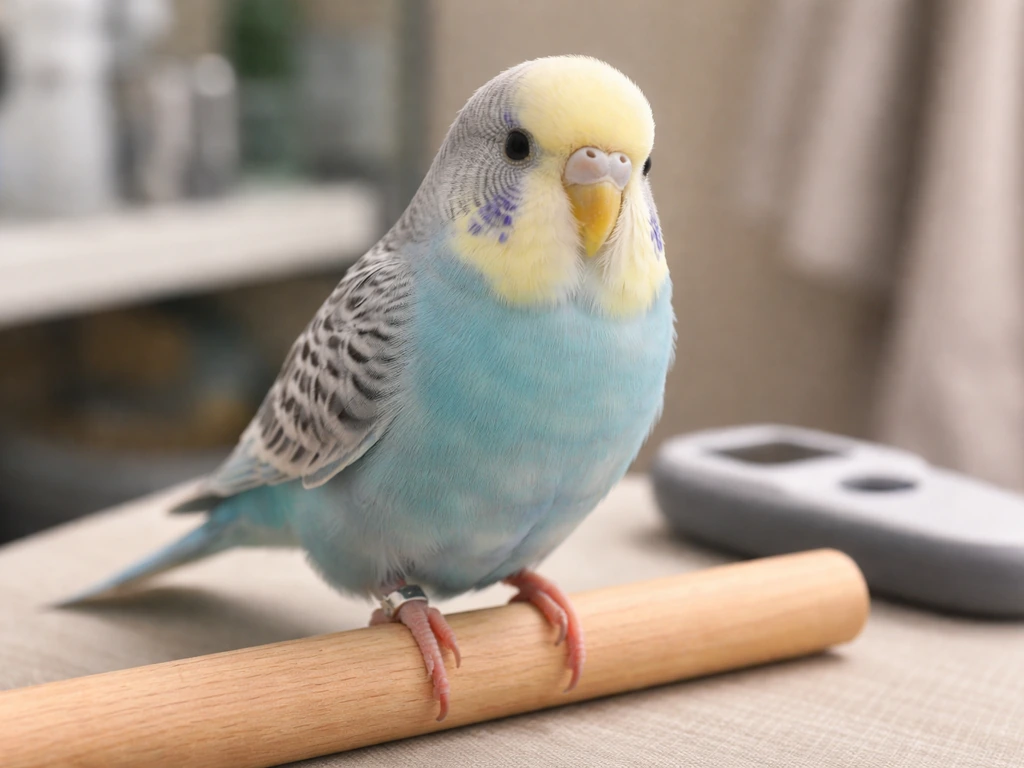
Figure out what 'register' actually means for your bird
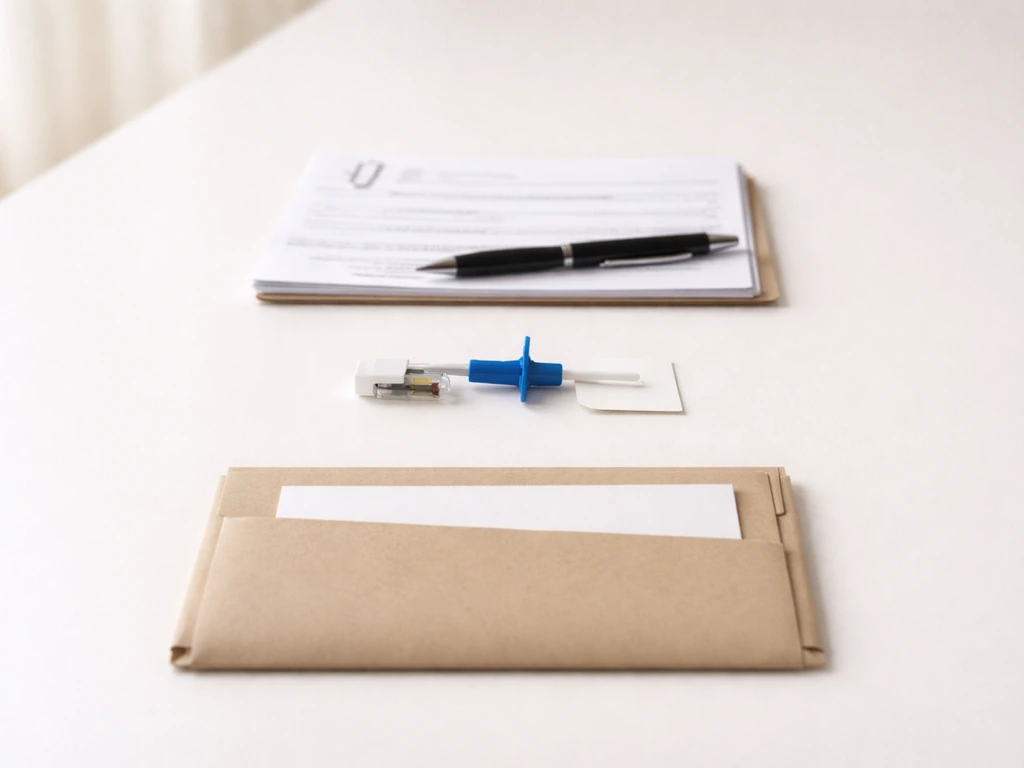
Before you fill out a single form, nail down your situation. There are three main registration types, and they serve completely different purposes.
| Registration Type | Who It's For | Main Purpose | Who Runs It |
|---|---|---|---|
| Legal keeper registration | Anyone keeping captive birds (pets, poultry, birds of prey) | Government compliance, disease outbreak tracking | Government agencies (e.g., APHA in UK, state/federal agencies in US) |
| Microchip or ID registration | Pet bird owners wanting lost-bird recovery | Reuniting lost birds with owners | Microchip registries, vets, bird clubs |
| Club, show, or citizen-science registration | Hobbyists, breeders, birdwatchers | Competition eligibility, breeding records, sighting data | Bird clubs, breed associations, platforms like eBird |
If you have a pet parrot, budgie, or similar companion bird, you're likely dealing with legal keeper registration (depending on your country) plus optional microchip ID registration. If you're showing birds or logging wild sightings, skip to the club/citizen-science section. If you have a bird of prey, you're almost certainly dealing with mandatory legal registration and microchipping together. Keep reading through whatever sections apply to you.
Check local legal requirements before anything else
This is the step most people skip, and it's the one that can actually get you into trouble. Legal requirements vary dramatically by country, region, and species. Here's a quick breakdown of where things stand in major regions as of 2026.
UK (England, Wales, Scotland)
In England and Wales, keeper registration with the Animal and Plant Health Agency (APHA) has been mandatory since 1 October 2024. If you keep fewer than 50 captive birds, you must register within one month of starting to keep them. Scotland had a slightly different window (1 September to 1 December 2024) but the same principle applies. The registration ties into biosecurity and disease outbreak response, so it's not optional.
If you keep a captive bird of prey specifically, the rules go further: your bird must be correctly ringed or microchipped and registered with APHA. Non-compliance can mean fines of up to £5,000 per bird. Some birds kept entirely indoors may be exempt, so check the GOV. UK guidance for your exact species and setup.
United States
There's no single national pet bird registration requirement in the US, but state-level rules do apply. Colorado, for example, requires psittacine birds (parrots and related species) sold or transferred to a new owner to carry traceable leg band identification, with a Psittacine Bird Sales Record provided by the dealer. That regulation took effect 15 July 2025. For importing pet birds, USDA APHIS requires that the microchip, tattoo, or leg band on your bird matches the US-origin health certificate, and you must arrange an inspection at least three business days in advance. Check your specific state's agriculture department for local rules.
Canada
Captive bird banding in Canada is a regulated scientific activity. If you mean becoming a trained bird bander for scientific work, you’ll need to pursue the proper permits and reporting requirements in your country bird banding. The Canadian Bird Banding Office issues permits and banders report birds through the Bandit system or the Web Reporting Page. If you're just a pet bird owner, formal government registration requirements are not as standardized nationally, but provincial rules may apply, so always check with your provincial wildlife or agriculture authority.
European Union
Under the EU's Animal Health Law (Article 84), establishments keeping captive birds must register with the relevant competent authority and obtain a unique registration number. The European Commission also explains that under the Animal Health Law framework, blank" rel="noopener noreferrer">operators must register establishments with the competent authorities to keep an up-to-date view of establishments and related animal health risk and records. This applies whether you're moving captive birds within the EU or simply keeping them. If you're in an EU member state, contact your national veterinary or agriculture authority to find your registration portal.
The honest takeaway: legal requirements are a moving target, and they depend heavily on your species and location. If your bird falls under CITES (Convention on International Trade in Endangered Species) protection (think macaws, cockatoos, many parrots), you may also need permits beyond basic keeper registration. That's a separate process worth looking into alongside your registration steps.
Gather what you'll need before you start any form
Nothing slows down registration like sitting down to fill out a form and realizing you're missing half the information. Get this together first.
- Species name: both the common name and the scientific name if possible (e.g., African Grey Parrot, Psittacus erithacus). If you're not sure, your vet or a local bird club can help identify it.
- Proof of ownership or source: a receipt, adoption certificate, breeder invoice, or transfer document showing how you acquired the bird.
- Leg band or ring number: check the bird's leg for a closed or split ring with an engraved code. Write down every character exactly as it appears.
- Microchip number: if your bird has already been microchipped, get the ISO-standard chip number from your vet's records or by having it scanned.
- Your contact details: name, address, phone number, and email. Make sure these are current because this is how someone contacts you if the bird is lost.
- Premises details (for keeper registration): the address where the birds are kept, and an estimate of how many birds you have.
- Any existing paperwork: previous registration documents, CITES permits, health certificates, or import paperwork.
If your bird arrived without any documentation, don't panic yet. That's a common situation and there are workarounds, which I cover in the troubleshooting section below.
Register for identification or ownership (microchip, band, and paperwork steps)
This section covers registering your bird's physical identity, which is the step most relevant to recovering a lost bird or proving ownership.
Step 1: Get your bird microchipped (if not already done)
Microchipping is the gold standard for permanent bird identification. A vet or trained professional implants a small chip (about the size of a grain of rice) that carries a unique number. For pet birds, always ask for an ISO-standard chip (ISO 11784/11785), which is the internationally recognized format that most scanners can read. The one-off cost typically covers both implantation and the initial registration fee, though prices vary by vet and location. The procedure is quick but does require the bird to be safely restrained, so let your vet handle that part.
Step 2: Register the microchip number with a registry
A chip that isn't registered is almost useless. Once your bird is chipped, the number needs to be entered into a searchable database linked to your contact information. In New Zealand, the NZCAR (Companion Animal Register) handles this and allows approved users like vets and shelters to scan a chip and contact the owner. In the UK, DEFRA-linked registries are used, and the paperwork is returned to the owner. In the US, several microchip registries exist (including national databases), and some vets register the chip automatically while others leave that step to you. Always confirm registration happened and that your details are correct.
Step 3: Register a leg band or ring number
If your bird has a leg band but no microchip, the band number is still valuable. For birds of prey in the UK, the ring and microchip must both match the APHA registration document. For psittacine birds in states like Colorado, the leg band is the legally required traceable identifier for transfers. Write down the band number and keep it with your ownership documents. Many breed associations and bird clubs also maintain band registries, so contact the relevant organization for your species.
Step 4: Complete government keeper registration (where required)
In England and Wales, you register directly with APHA. The process is online, and you can update your kept bird record at any time via the APHA portal or by emailing [email protected]. For birds of prey specifically, you must pay the registration fee at the time of submission because APHA will not process your registration without the correct fee. The registration document is returned to you and must be returned to APHA when the bird dies or is released. In the EU, contact your national competent authority to get your unique establishment registration number. In the US, contact your state's department of agriculture or fish and wildlife agency for state-specific permit requirements.
Register with clubs, shows, breeding programs, or citizen-science platforms
This type of registration has nothing to do with government compliance. It's about being part of a community, competing in shows, recording your breeding stock, or contributing to bird science.
Bird clubs and show registration
Most national and regional bird associations (budgerigar societies, canary clubs, parrot organizations, pigeon racing clubs like the RPRA) have their own membership and bird registration processes. The RPRA, for instance, actively communicates with its members about APHA keeper registration requirements because pigeon keepers are directly affected. To register a bird for showing, you typically join the relevant club, pay a membership fee, and register individual birds with their band numbers. Show eligibility rules vary, so check with the specific association for your species.
Breeding records and stud books
If you're breeding birds and want to maintain verifiable lineage records, many breed associations maintain stud books or breeding registers. You'll need the parent birds' band or microchip numbers, hatch dates, and your contact details. This kind of registration is voluntary but incredibly useful if you plan to sell or transfer birds, since buyers increasingly want traceable provenance.
Citizen-science sighting platforms
If you've spotted a wild bird with a band or color marker and want to 'register' that sighting, that's a completely different process. In the US, you report banded bird encounters at reportband. gov, which is run by the USGS Bird Banding Laboratory. This system handles around 80,000 encounter records every year, and if your report checks out, you may receive a [Certificate of Appreciation with confirmed banding details](https://www.
usgs. gov/bbl). If you're unsure of the species or type of band, you can contact USGS directly at bandreports@usgs. gov.
In Canada, reports go through the Canadian Bird Banding Office's web reporting page. For color band programs (like those used for pelicans or certain shorebirds), report using the program-specific form rather than the general USGS system. [eBird, run by the Cornell Lab of Ornithology, is the go-to platform for logging general sightings without band reporting. ](https://ebird.
org/content/ebird/)
After you register: keeping records, updating info, and what to do if your bird goes missing
Registration isn't a one-and-done task. Think of it as opening a file that you need to keep current. If you need to remove your profile or stop using a bird account, look for the account deletion option in your account settings and follow the deletion steps delete my bird account.
- Keep a physical and digital copy of every registration document, including your APHA registration document (UK), microchip certificate, band number records, and any permits. Store them somewhere you can find in a hurry.
- Update your contact information any time you move, change your phone number, or change your email. An outdated registry entry is as useless as no entry at all. In the UK, APHA lets you update your kept bird record online or via email. Microchip registries typically have an online portal for this.
- Update the registry if your bird situation changes: if you acquire more birds, lose a bird, or transfer ownership, the records need to reflect that. APHA's guidance makes clear that keeping records accurate is part of ongoing compliance, not just a one-time task.
- If your bird goes missing: contact your microchip registry immediately and flag the bird as lost. Alert local vets, bird clubs, and rescue organizations with your bird's description, microchip number, and band number. Post in local social media groups for bird owners. If your bird is a species covered by CITES or a bird of prey, notify the relevant authority because these birds have stricter reporting requirements.
- If someone finds your bird: they can take it to a vet or shelter to be scanned, and if your microchip registration is current, they can contact you directly. This is exactly why the registry step matters.
Common problems and how to fix them quickly
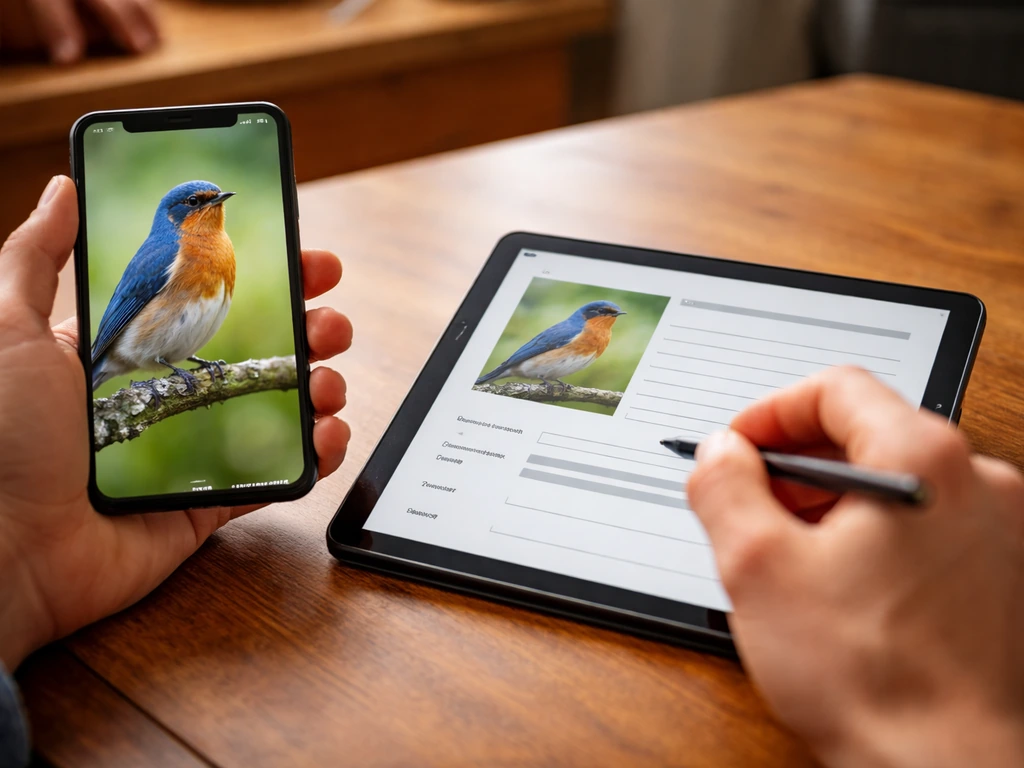
You don't know the species
Most registration forms ask for species information. If you genuinely don't know what species your bird is, take a clear photo and post it in a reputable bird identification group, or take the bird to an avian vet. Many common pet birds (budgies, cockatiels, lovebirds) are easy to identify with a quick look. For more unusual species, a vet can often help identify the bird and may know whether it requires specific permits.
The bird arrived without any paperwork
This is more common than people admit. If you received a bird as a gift, bought it from a private seller, or rescued it, you may have no documentation at all. Start by getting the bird microchipped and registered in your name now, which establishes a new ownership record going forward. To learn more about the supplies and steps involved, see our guide on what you need to own a bird what do you need to own a bird.
For government keeper registration, you can still register as the current keeper even without a paper trail tracing back to the breeder. If the bird is a protected or CITES-listed species and lacks documentation, consult a wildlife solicitor or your national wildlife authority before doing anything else, because the situation can have legal implications you need to understand upfront.
The bird has no band or ring
Many pet birds, especially older ones or those from informal sources, never had a leg band. That's okay for basic keeper registration. For situations where a band or microchip is legally required (UK birds of prey, for example), you'll need to get one applied through the appropriate channel. In the UK, contact APHA for guidance on what identification your bird needs before registering. For psittacine birds in states like Colorado that require traceable ID for transfers, work with a licensed dealer or vet to get an approved band applied before completing any transfer paperwork.
The ID number on the bird doesn't match the paperwork
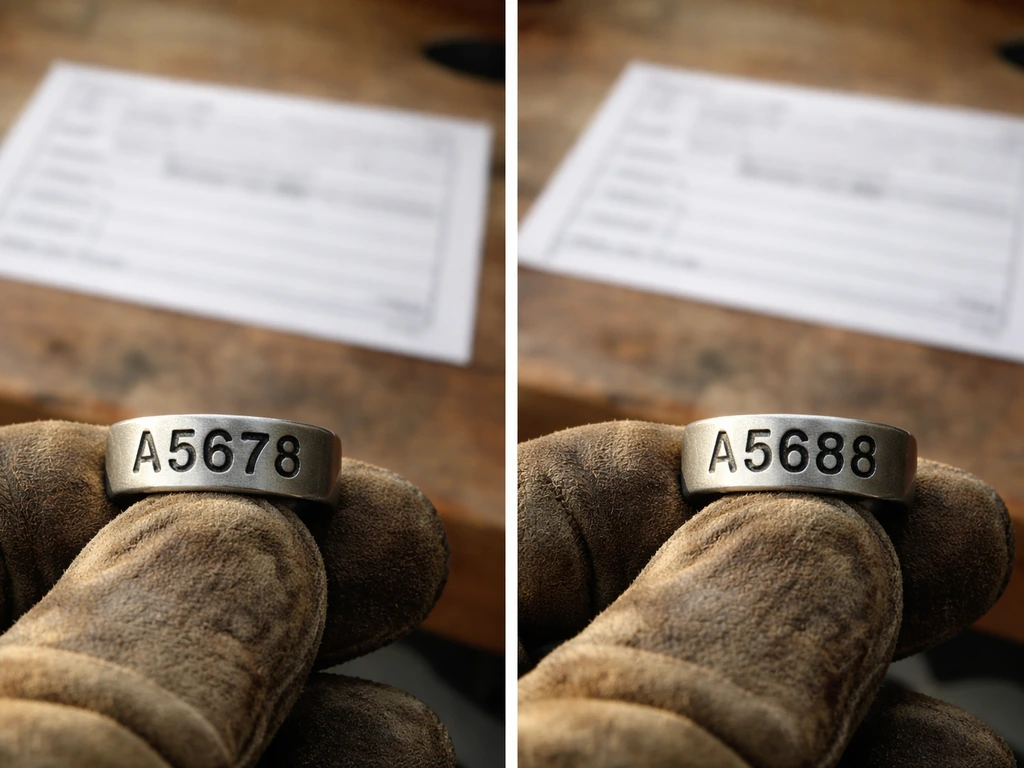
This is a real problem and one that can get UK bird-of-prey keepers into serious trouble with APHA. If the ring or microchip number on your bird doesn't match the registration document, don't ignore it. Contact APHA directly to explain the discrepancy and get guidance on how to correct the record. Trying to fudge the numbers is not worth a potential £5,000 fine per bird.
You're trying to register a wild bird sighting, not a pet
If you spotted a banded wild bird and want to report it rather than register a pet, head straight to reportband.gov (US) or your country's equivalent. You don't need an account to submit a basic encounter report. If you have a photo of the band but couldn't read all the characters, submit what you have and note any color markers or unusual features. USGS and equivalent agencies deal with partial data regularly.
One last thing worth flagging: if you're looking into licensing requirements beyond basic registration, or you want to breed birds commercially, those are related but separate processes. Getting a bird breeders license or a general bird licence involves additional steps on top of everything covered here, and the requirements vary significantly by country and species. It's worth understanding the full picture before you scale up your involvement with birds.
FAQ
I think I need to register my bird, but I am not sure whether it is legal, microchip, or club registration, what should I do first?
Start by identifying which of the three registration types you actually need (keeper/government, microchip ID, or club/sightings/breeding). If you are unsure, treat it as a safety-first decision: get your pet bird microchipped and ensure the chip number is registered before you do anything else, then separately check local legal keeper rules for your location and species. This prevents a “wrong form” delay if legal requirements later turn out to apply.
How can I tell if my bird’s microchip is truly registered, not just implanted?
For microchipping, you should confirm the chip was entered into a database using your details, do not assume the vet automatically completed registration. Ask the clinic to give you a printed or emailed confirmation (chip number, database name, and what contact info is on file), then test it by having a different scanner read the chip number if possible. A chipped bird without a database match can still be difficult to reunite with you.
What if I do not know my bird’s exact species for the registration forms?
A lot of forms require “species” to match the bird exactly, but identification is sometimes uncertain. If you cannot identify the species reliably, use a photo and get an avian vet or reputable identification service to confirm before submitting keeper or CITES-related forms, because the wrong species can invalidate permits or registration categories. In urgent cases, you can still complete microchip registration in your name while you verify species for compliance paperwork.
My bird has a leg band but no microchip, is that enough for registration?
If your bird has only a leg band, you may still be able to complete some registration steps, especially for ownership continuity, but you must follow the legal rule for your region and species. In places where microchip is required (such as certain bird-of-prey rules), a band alone typically is not sufficient. Keep the band number written with your ownership documents, and ask your vet or the authority whether a specific band type or number format is acceptable as an interim identifier.
What should I do if the microchip number on my bird does not match the registration document?
If you have a microchip but the number does not match the paperwork, do not try to “update by guess.” Contact the issuing database or the vet who implanted the chip (ask for the implantation record) and ask how to correct a mismatch with the authority. For high-stakes situations, like certain UK bird-of-prey records, corrected discrepancies should be handled through APHA guidance to avoid enforcement risk.
I rescued or bought a bird with no papers, how do I register it if I cannot prove its origin?
If your bird arrived with no documentation, you can often establish a clean record going forward by microchipping and registering in your name, but you should also check whether your bird could be CITES-protected. Do not attempt transfers or breed for sale until you understand whether permits or proof of origin are required in your country. If the bird is suspected protected, consult your national wildlife authority or a wildlife solicitor before taking irreversible steps.
What if I move, or someone else becomes the new keeper, do I need to re-register?
If you have to register a bird keeper account, plan for a “change of keeper” scenario if you move or if someone else takes over care. Most systems want you to update the kept-bird record promptly so the ownership and responsibility match the current keeper. Check whether your portal allows real-time updates or if you must email the authority for amendments, and keep confirmation screenshots or emails.
Are there common “process mistakes” that delay registration in the UK?
For UK England and Wales keeper registration, fee handling matters: for certain species (notably birds of prey), submission may require the correct fee at the time of application, and missing or incorrect fee payments can stall processing. Also, some documents need to be returned when the bird dies or is released. Keep track of deadlines and document-return requirements so your record stays compliant.
If my club registration uses band numbers but I add a microchip later, do I need to update the club records?
For club or breeding registrations, you usually need the identifier that the club uses (commonly band numbers, sometimes microchip numbers). If your bird’s identifier changes (for example, you later chip a bird that previously had only a band), contact the club and ask whether they allow updates and what evidence they require. Do not assume one ID type will automatically carry over to another program.
I found a banded wild bird, is that the same as registering a pet bird, and what if I cannot read the full band code?
For reporting a wild banded bird, your goal is correct encounter submission, not ownership registration. If you cannot read the whole band code, submit the partial information you have and note visible colors or distinct features, because partial data is handled routinely. Reporting generally should be done through the encounter reporting system used in your country rather than via pet registration steps.
Next Article
How to Get a Bird Breeder License: Step by Step Guide
Step-by-step guide to getting a bird breeder license, including permits, paperwork, inspections, zoning, and ongoing com