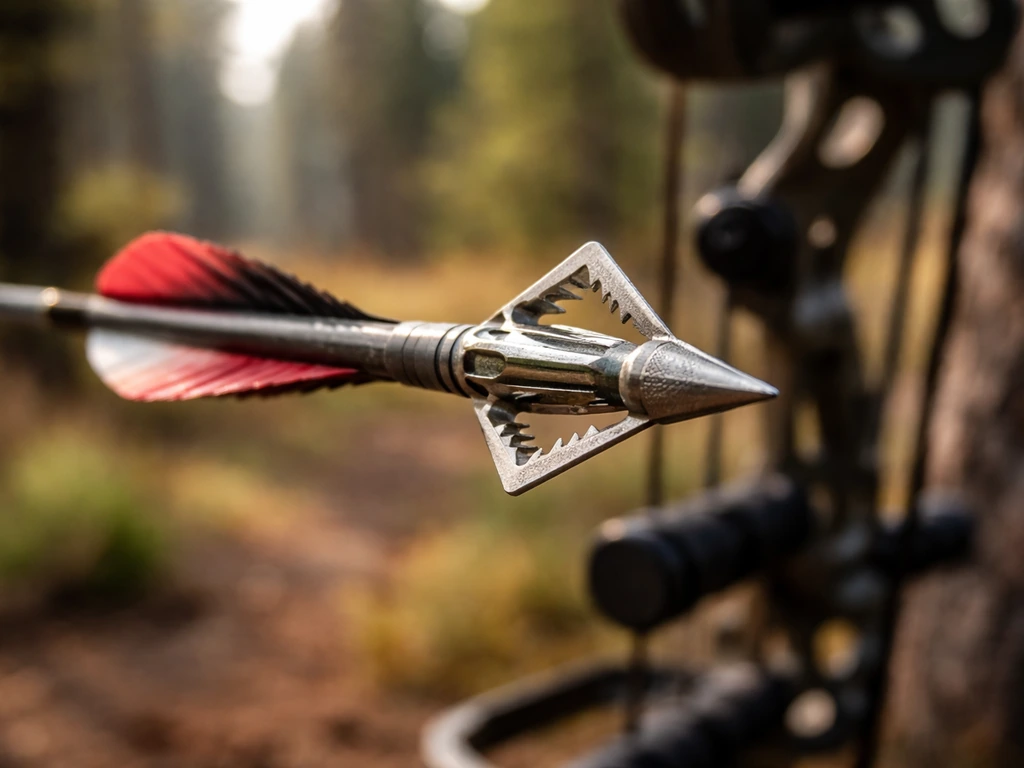
If you want practical tips for bird hunting that actually work in the field, here they are: know your bird, know your location, show up at the right time, and don't skip the basics of safety and legal prep. If you need bird shooting tips beyond the basics, use the species and setup guidance below as a practical comparison point. That sounds simple, but most beginners struggle because they skip one of those four things.
Tips for Bird Hunting: Field Guide for Beginners to Success
Marcus Hendricks
22 Apr 2026
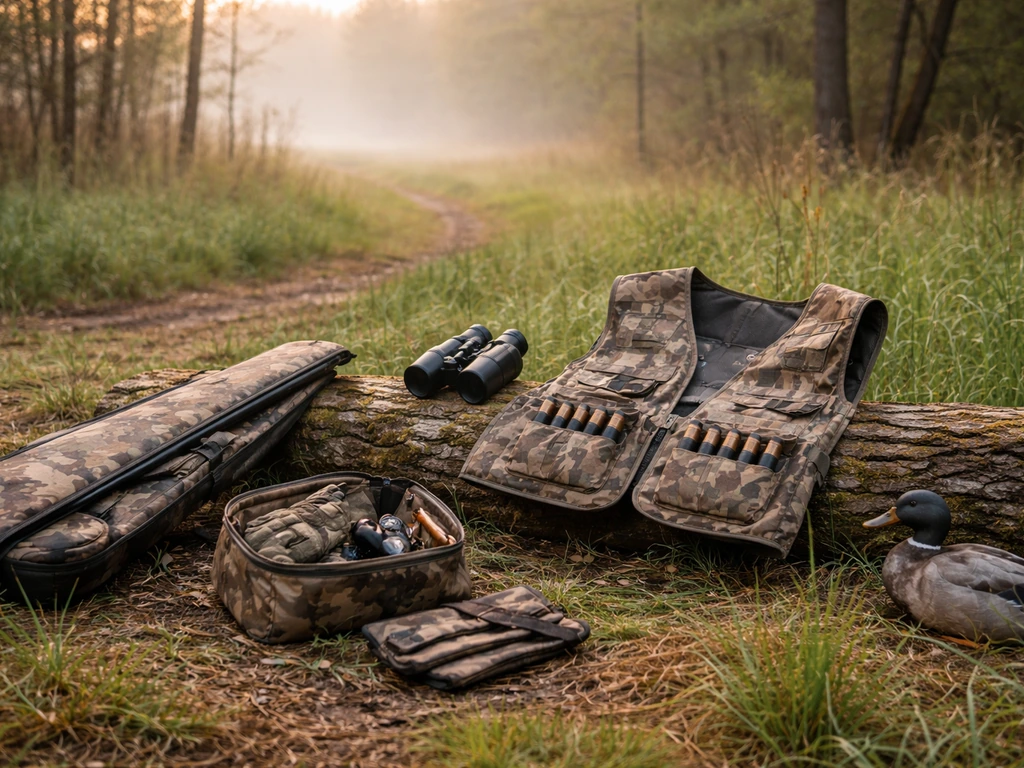
This guide walks through all of it, from picking your first spot to taking your first ethical shot, so you can head out with real confidence instead of guesswork. If you are still building your plan, review this how to bird hunt guide next for a step by step checklist.
Choosing the right bird-hunting setup and location
The single biggest factor in a successful bird hunt is being in the right place. You can have perfect gear and a great call, but if the birds aren't there, none of it matters. Start by identifying which bird species you're hunting, because that determines everything else: habitat type, time of day, and how you'll set up.
Upland birds like pheasant, quail, ruffed grouse, and gray partridge tend to favor edge habitat, which means the transition zones between open fields and dense brush or timber. These edges give birds food, cover, and escape routes. Look for overgrown fence lines, brushy draws, food plots next to woodlots, and creek bottoms with thick vegetation nearby. Waterfowl hunting is a completely different setup, where you're focused on wetlands, ponds, flooded fields, and river backwaters. Pick your species first, then find the habitat that fits.
Public land is a solid starting point for beginners. State wildlife management areas (WMAs), national forests with designated hunting zones, and walk-in hunting access programs all give you legal access without needing to knock on doors. Private land can be even better if you get permission, and most landowners appreciate polite, direct requests especially if you offer to share your harvest. I learned early that a quick, honest conversation beats trespassing every single time.
Once you're in the right habitat type, think about your setup direction. Wind matters a lot. Birds use their nose and ears as much as their eyes, so position yourself so the wind is in your favor, meaning you're downwind of where you expect birds to be. For upland hunting with dogs, work into the wind so the dog can scent birds ahead of you. For waterfowl or turkey setups, you generally want to be downwind of your decoys so incoming birds approach from the front.
Gear checklist and what matters most
You don't need a ton of gear to start, but you do need the right gear. Here's what actually matters and what you can skip for now.
The non-negotiables are your firearm or bow (properly fitted and patterned for the game you're hunting), appropriate ammunition or arrows, a hunting license and any required stamps, and blaze orange clothing. If you want your bow to work smoothly, learn archery bird tips like range estimation and how to hold for the shot. On that last point: many states require it by law.
Iowa, for example, requires upland bird hunters to wear at least one item that is at least 50% blaze orange. Nevada's upland game hunting guidelines specifically call out an orange vest and orange hat as essential. Even in states where it isn't required, wear it anyway. It keeps you visible to other hunters in dense cover and it has saved lives.
- Hunting license and any required stamps or tags (printed or digital, always on your person)
- Shotgun or legal archery setup appropriate for your target species
- Appropriate shot size and load (No. 6 or No. 7.5 for quail and grouse, No. 4 or No. 5 for pheasant, larger steel shot for waterfowl)
- Blaze orange vest and hat (required by law in many states, smart everywhere else)
- Comfortable, waterproof boots broken in before opening day
- Layered clothing matched to the forecast
- A good bird vest or game bag with a water pouch
- First aid kit and a charged phone or GPS
- Water and snacks for a half-day minimum
What you can skip early on: expensive electronic callers, specialty camouflage patterns for specific terrain, and high-end decoy spreads. Get the fundamentals dialed in first. A $30 mouth call and two basic decoys will teach you more in your first season than a $400 electronic unit will. Spend money on boots before anything else. Wet, blistered feet end hunts fast.
If you're hunting with a dog, add a collar with a bell or GPS tracker, water bowl, and basic first aid supplies for the dog. A dog that isn't in condition for the terrain will tire out and make your hunt harder, not easier. Run your dog regularly in the months leading up to the season.
Reading weather, timing, and bird behavior
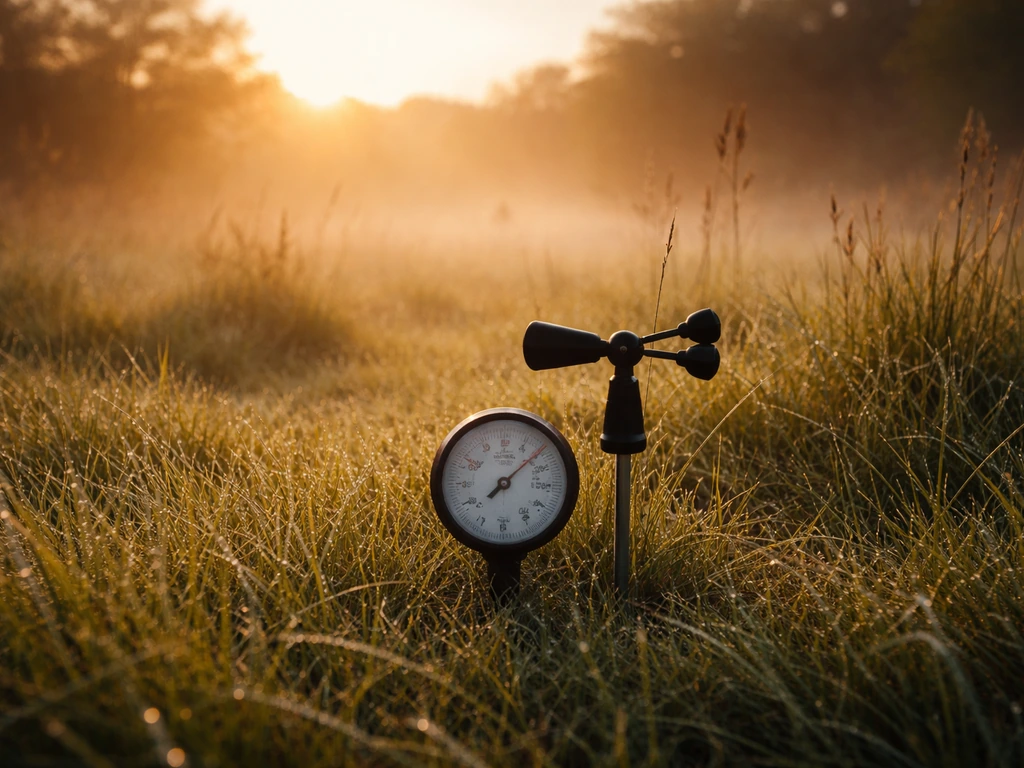
Timing is everything in bird hunting. Show up at the wrong time on the wrong day and you'll wonder if there are any birds at all. Show up right after a weather change on a morning with light wind, and you'll wonder why you didn't start hunting years ago.
Most upland birds are most active in the early morning and late afternoon, which mirrors their feeding schedule. Midday they tend to loaf in dense cover and are much harder to flush. Plan your hunts to start at legal shooting light and work through the first two to three hours of morning, take a break, then return for the last couple of hours before dark. Waterfowl follow similar patterns, with peak flight activity at first light and again in the late afternoon before roosting.
Weather has a huge effect on bird movement. A light overcast with mild temperatures and low wind is often ideal for upland hunting because birds are comfortable moving and feeding. Hard rain and high winds push birds into heavy cover and shut down movement. Cold snaps right after warm stretches can be productive because birds need to feed aggressively to compensate. I've had some of my best pheasant hunts the morning after a light frost cleared up. The birds were out and moving early.
Wind speed matters a lot for waterfowl. Ducks and geese decoy much better into a headwind, and they tend to move more on overcast, windy days than on bluebird sunny ones. For turkey hunting, rainy cold mornings generally slow gobbling activity, while clear mild mornings after a rainy stretch are often dynamite.
Read the birds themselves too. Watch where they fly to roost at dusk and where they feed in the morning. If you see pheasants flying into a particular corn strip every evening, set up nearby the next morning before they arrive. Pattern behavior over a few observation trips before you hunt a spot, and you'll dramatically improve your odds.
Calls, decoys, and how to use them responsibly
Calls and decoys work, but they work best when used with restraint. The most common beginner mistake is overcalling. Ducks Unlimited also notes that in certain hunting and weather situations, blank" rel="noopener noreferrer">overcalling can send warning flags, so let birds dictate how much you call, and stop calling or call sparingly when they show uncertainty or flare. Overplaying bird calls can make birds overly excited and cause them to fly back and forth, according to Audubon (citing Cornell and eBird leader Chris Wood) blank" rel="noopener noreferrer">overcalling. Birds that have heard a lot of pressure learn to avoid aggressive or unnatural calling. Less is almost always more.
For turkey hunting, start with soft yelps and clucks on a basic slate or mouth call. Call, then wait. If a gobbler answers and is moving toward you, stop calling and let him come. Only call again if he stalls or moves away. Aggressive calling works on pressured birds occasionally, but it spooks them far more often than it helps. Practice your calls at home well before the season. A realistic call makes a big difference and a poor imitation often does more harm than silence.
For waterfowl, a basic mallard hen call (five-note greeting call and feeding chuckle) handles most situations. Watch how real ducks and geese behave as birds approach your decoys. If birds are committed and coming in, stop calling. If they're circling and starting to veer off, hit them with a hail call or feeding chuckle to bring their attention back. Overcalling at committed birds is one of the fastest ways to flare a flock.
Decoy setups should look natural. For ducks, a J or U-shaped spread with a landing zone opening into the wind is a proven starting layout. Six to twelve decoys is plenty for most early-season or smaller water situations. For turkeys, a hen decoy with or without a submissive jake decoy works well in open areas where birds can see it from a distance. Place decoys so that an incoming bird has to walk past or near your shooting position to reach them.
One responsibility note: make sure you're not using calls or decoys in ways that draw protected species into shooting range. Know what you're calling and know what's legal to harvest. Using electronic calls is prohibited for many game species including turkeys and most upland birds in most states, though it's legal for some predators and certain waterfowl situations. Check your regulations before you set up any electronic device.
Field skills: shots, safety, and ethical handling
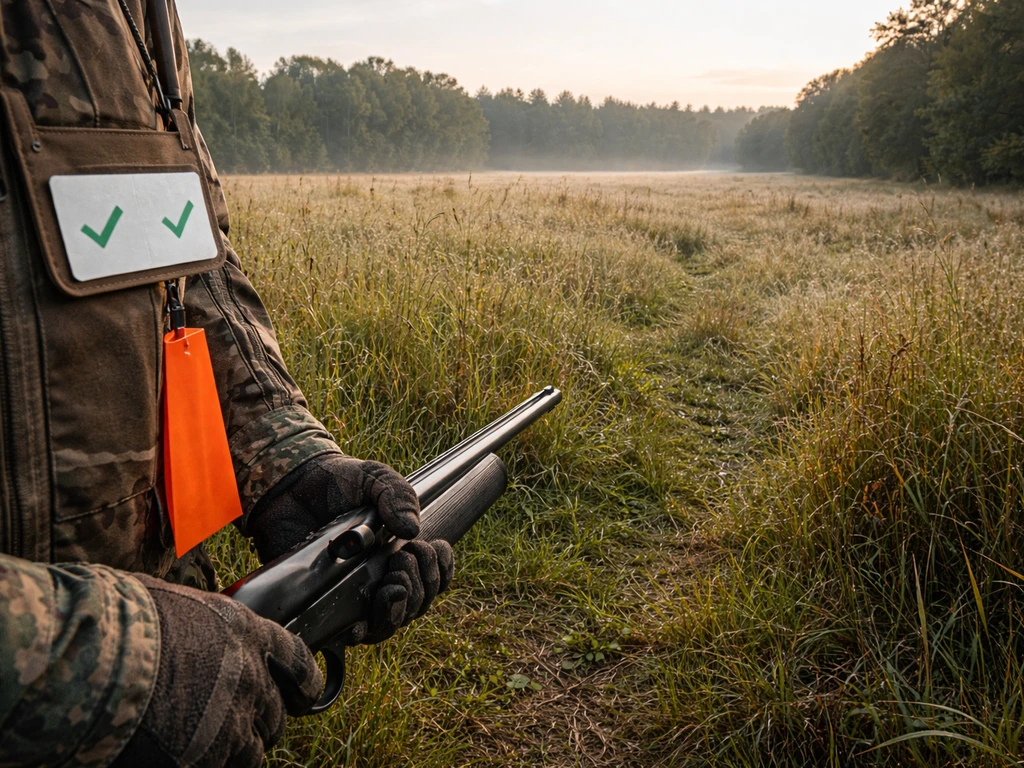
Safe field conduct is not optional and it's not just about following rules. It's about making sure everyone, including you, goes home at the end of the day. Treat every firearm as if it's loaded at all times. Keep your finger off the trigger until you're on target and ready to shoot. Always be sure of your target and what's beyond it before pulling the trigger. These aren't clichés, they're habits that prevent tragedies.
For shot selection, resist the urge to shoot at any bird that flushes. Pick a specific bird, track it cleanly, and shoot when you have a clear lane with a safe backstop. Skybusting, which means shooting at birds that are out of effective range, is one of the most common and damaging habits in waterfowl hunting. Know your effective range and your choke pattern. A 12-gauge with a modified choke and standard field loads is effective on most upland birds inside 40 yards. Don't try to stretch that to 60.
When hunting in a group, establish shooting zones before you start. Each hunter should know their designated zone and never swing through another hunter's position to follow a bird. This is how accidents happen. Walk in a line, keep spacing, and communicate clearly when a bird flushes.
Ethical handling after the shot matters too. Retrieve every bird you shoot, even if it takes extra time. A clean, humane kill is always the goal, and a wounded bird that you've put effort into recovering shows respect for the animal and for the hunt. Field dress birds promptly in warm weather to preserve the meat. Letting a pheasant sit in a hot vest pocket for three hours is a waste of a good bird and a good hunt.
Scouting, practice drills, and first-season game plan
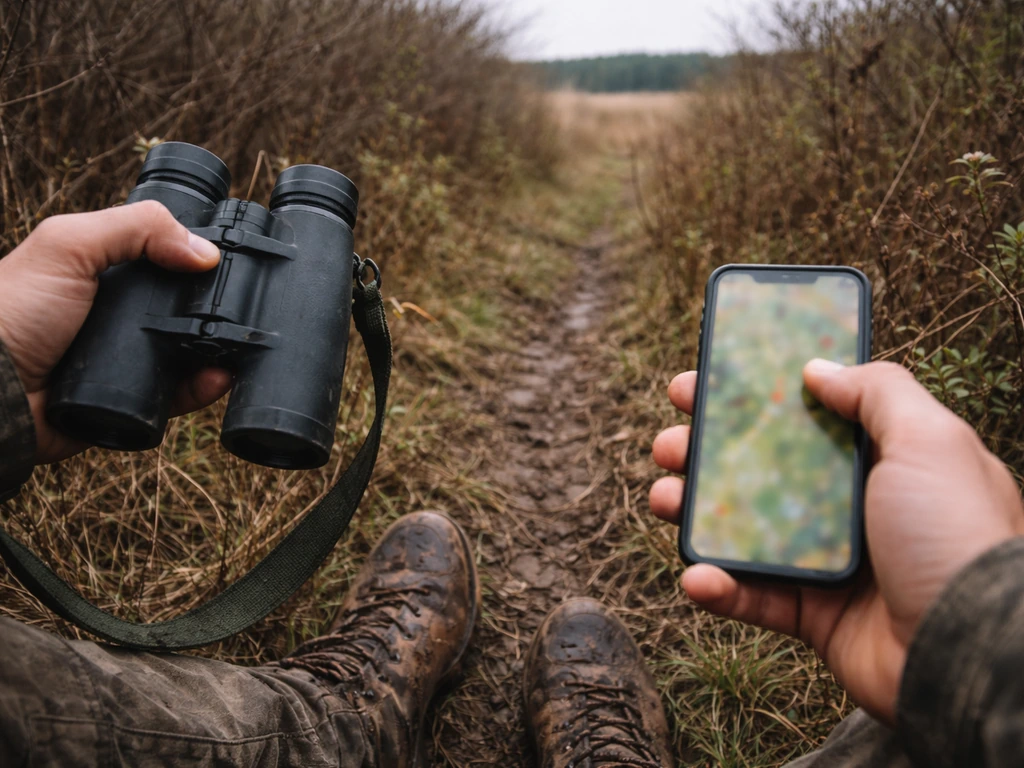
Scouting before the season opens is one of the highest-return investments you can make. Drive or walk your hunting areas in the weeks before the season, ideally at dawn and dusk. Look for birds feeding, dusting, or moving between cover and food sources. Note locations on a map or phone app. The more you understand where birds are living and moving before opening day, the less time you waste on day one.
Practice is just as important as scouting and most beginners skip it entirely. Shoot clay targets at a sporting clays course or trap range before the season. Sporting clays is especially useful because it simulates real flushing and crossing shots. Go at least twice before your first hunt. If you're using a mouth call for turkey or a duck call, practice until it sounds natural, not in the field on opening morning.
Here's a simple first-season game plan you can follow right now:
- Pick one target species and learn its habitat, behavior, and season dates in your state before anything else.
- Identify two or three accessible locations (public WMAs, walk-in access areas, or land you have permission to use) and scout them at least once before opening day.
- Get your license, stamps, and any required permits sorted at least a week early. Don't wait until the night before.
- Visit a sporting clays or trap range twice in the month before the season opens.
- Assemble your gear checklist, confirm your blaze orange is ready, and break in your boots on a few hikes before the season.
- Plan your first hunt as a low-pressure learning day. Focus on observing bird behavior, testing your calls, and getting comfortable in the field rather than fixating on a harvest.
- After your first outing, write down what you observed and what you'd do differently. That habit will improve your hunting faster than any gear purchase.
If you're interested in archery-style bird hunting, the approach to scouting and practice shifts in some useful ways. The related topics of bird tips for arrows, archery bird tips, and arrow tips for bird hunting all go deeper on that specific setup if you want to explore that route. If you want more depth, archery bird tips can help you dial in your draw, aim, and in-field practice for the species you’re targeting.
Legal requirements, seasons, and wildlife ethics
This is the part beginners most often assume they can figure out on the fly. Don't. Getting the legal side wrong can mean fines, loss of your hunting license, or worse. It also undermines the entire conservation system that keeps healthy bird populations around for future seasons.
Every state sets its own season dates, bag limits, and legal shooting hours for each species. These change year to year based on population surveys. Look them up on your state's fish and wildlife agency website before every season, even if you hunted the same area last year. Download or print the current regulation booklet and keep it with your gear.
Most states require a base hunting license plus a state habitat stamp or upland bird stamp, and if you're hunting migratory birds like doves, ducks, or geese, you'll also need a federal duck stamp (required for waterfowl hunters age 16 and older) along with any state migratory game bird licenses. Some states also require completing a certified hunter education course before you can buy your first license. Check what your state requires and don't assume you're covered.
Beyond the legal minimum, hunting ethics matter. Stay within your bag limit even when birds are plentiful. Don't shoot protected species. Leave gates the way you found them on private land. Pack out your trash, spent shells included. Share hunting areas respectfully with other users. These habits protect your access and protect the resource. The Frank Bird safety pyramid is a useful framework for thinking about layered safety obligations in the field if you want a structured way to approach that side of things.
| Legal Requirement | Who It Applies To | Where to Get It |
|---|---|---|
| State hunting license | All hunters | State fish and wildlife agency website or licensed vendor |
| Hunter education certificate | First-time hunters in most states | State agency online or in-person course |
| Federal duck stamp | Waterfowl hunters age 16 and older | USPS, license vendors, or online at fws.gov |
| State migratory bird license or stamp | Dove, duck, and goose hunters in many states | State fish and wildlife agency |
| Upland bird or habitat stamp | Upland bird hunters in many states | State fish and wildlife agency |
| Blaze orange clothing | Upland hunters (legally required in many states) | Sporting goods store before the season |
Start with your state's regulations, get your paperwork in order early, and treat every hunt as an opportunity to leave the land and the wildlife better than you found it. That mindset, more than any piece of gear or fancy technique, is what separates hunters who last a lifetime from those who give it up after a frustrating first season.
FAQ
How do I choose between upland hunting and waterfowl hunting if I’m new?
Pick based on habitat access and your tolerance for cold and retrieval logistics. Upland often means edge cover, walking, and dog work, while waterfowl centers on wetlands, decoy placement, and usually longer sits plus higher wading and cold-water considerations. If you do not have permission or nearby wetlands, start with upland on accessible WMAs, then add waterfowl once you can reliably get gear and practice with safe shot discipline.
What’s a beginner-friendly way to estimate how far I can shoot birds?
Use your patterned firearm or bow plus a practical limit you test at the range. For shotguns, pattern at likely distances and note where your pattern stays dense enough for clean kills, then set a conservative field ceiling (especially for moving targets). If you cannot consistently hit clay or moving targets at that distance, shorten your effective range in the field rather than relying on guesses.
Should I bring a dog on my first upland season?
A dog helps, but it is not automatically required, and a poor match between dog and terrain can make hunts harder. If you have a puppy or an unseasoned dog, consider training time and basic field manners first, then hunt short sessions in manageable cover. If you hunt without a dog, plan for slower recovery and carry extra time for retrieving and field dressing.
Is it okay to hunt right after rain or in heavy overcast?
Often yes, but adjust your expectations. After rain, upland birds may move and feed, yet cover can be thick and movement harder to track, increasing the chance of poor shot lanes. For waterfowl, wind and visibility changes matter more than rain itself, so focus on wind direction and maintain proper decoy spacing rather than assuming rainfall alone improves turnout.
What should I do if I’m seeing birds but they won’t come close enough to shoot?
First, reduce pressure and check setup alignment. Overcalling and incorrect wind position are two common causes, even with good habitat. Watch where birds land and how they approach, then shift your direction downwind of expected movement and consider fewer calls with more waiting. Also verify your decoy and shooting zone plan so you are not forcing a long sidestep or approach lane for incoming birds.
How do I avoid spooking birds when I’m moving to a new spot?
Minimize loud gear movement and plan your route to avoid skyline silhouettes. Approach with the wind in your favor so birds do not catch scent, and pause to let the area settle after any repositioning. If you hear or see birds alarm, give them time rather than immediately making another call or closing distance.
Do I really need blaze orange in states where it is not required?
Yes, it is strongly recommended, even when not mandated. Dense cover makes visual identification hard for other hunters, especially in dawn light and when shooting starts. The field rule of thumb is to be the easiest person to see, so choose a high-visibility jacket or vest and consider orange headwear if you will be in brush.
What’s the safest way to coordinate with other hunters in a group?
Assign fixed shooting lanes and set clear rules for communication before anyone starts hunting. Use a stop-and-hold approach when a bird flushes, then call out direction and keep people from swinging across each other’s lanes. If you cannot maintain spacing during walking routes, switch to a buddy system with visible intervals and agree on who takes which likely targets.
How should I handle ethics when birds keep flushing but I am not sure I have a clean shot?
Do not chase fleeting shots. Pick a specific target, wait for a clear lane and safe backstop, then take only when you can track and shoot responsibly. If you are unsure about range or what is beyond the bird, the ethical choice is to hold fire and keep hunting the next opportunity.
What’s the correct way to field dress game in warm weather?
Plan for speed and cooling. Bring appropriate bags or containers, dress promptly after retrieval, and avoid leaving meat in direct sun or closed pockets that trap heat. If it is very warm, prioritize quick cooling (shade, transport, and proper storage) so you do not compromise meat quality.
How do I stay legal when using calls, decoys, or electronics?
Confirm the rules specific to both the species you are targeting and the state you are hunting. Some electronic devices are prohibited for certain game, and legality can change by species and even by year. Keep your gear list with the regulations in your vehicle, and do not assume that something legal for one predator or waterfowl context is allowed for upland birds or turkeys.
What common beginner mistake causes missed shots or poor recovery?
Inconsistent shot discipline. Many beginners shoot at the first flush, fail to track the bird cleanly, or fire without a definite backstop and effective range confirmation. Another frequent issue is under-practicing at targets that simulate crossing and varying angles, which leads to rushed, off-balance shots and more wounded birds.
How often should I scout, and what should I record?
Scout multiple times before opening day, especially at dawn and dusk when birds commit to feeding and roosting patterns. Record repeat locations for feeding and movement routes, note wind direction on observation days, and mark entry points into cover near food sources. Even two or three short observation trips can reveal routines that day-one scouting cannot.
Do I need to wear eye protection and hearing protection even when I think I’m careful?
Yes. Bird hunting often includes close-quarters shooting, quick follow-up shots, and group movement, all of which increase the risk of accidental injury. Use hearing protection designed for firearms, and carry safety glasses or similar protection to reduce eye risk from branches, decoy gear, and spent-shell handling.
Next Article
Arrow Tips for Bird Hunting: How to Choose and Set Up
Choose arrow tips for bird hunting: pick tip type, install correctly, align and sight in for accurate, legal shots.