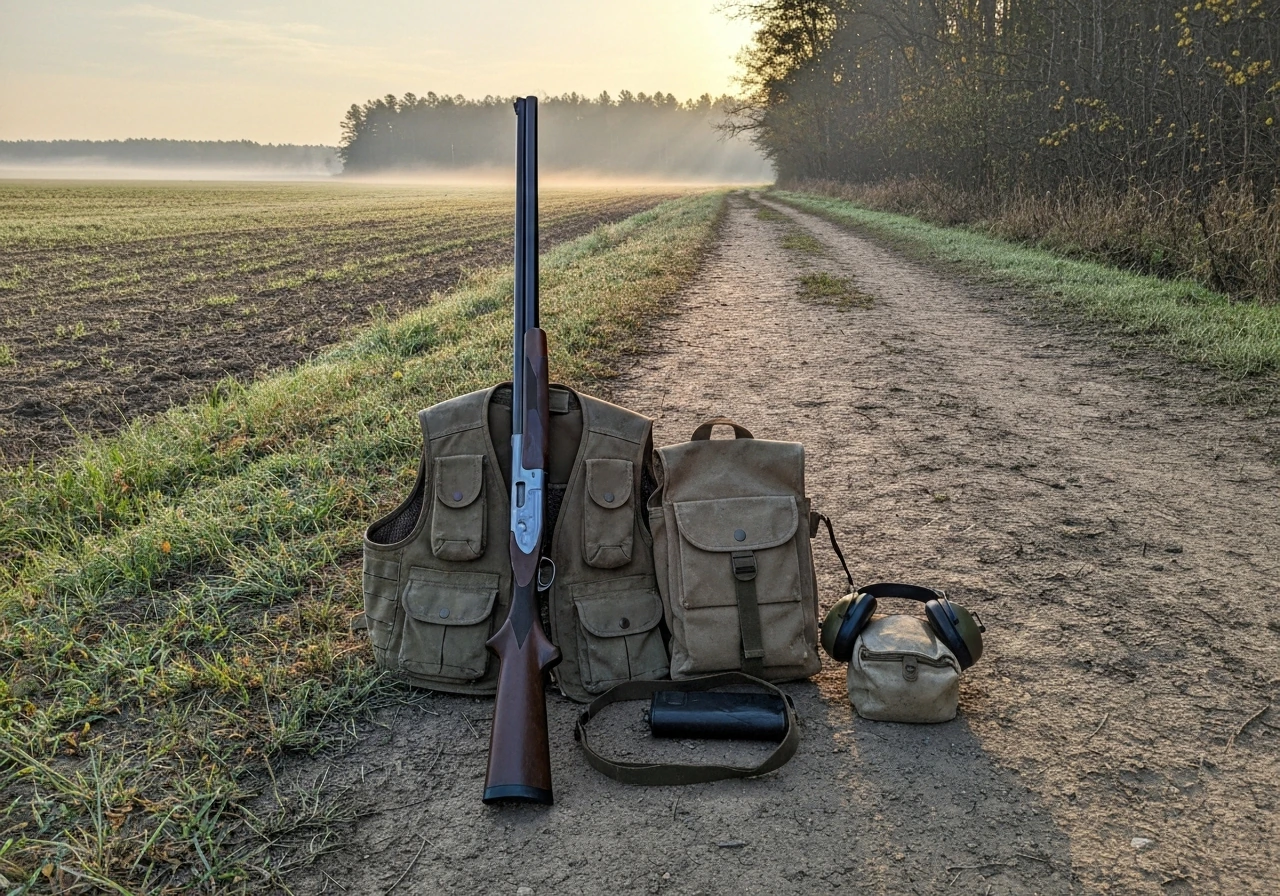
The right arrow tip for bird hunting depends on the species you're after, how far you're shooting, and what your state or province actually allows. For most upland birds and waterfowl hunted with archery, a dedicated judo point or blunt tip is the go-to for close-range shots. For turkeys, a fixed-blade broadhead with a minimum cutting diameter set by your local regulations is usually required. That's the short answer. But there's a lot more nuance once you get into setup, tuning, and making sure your shots are ethical and legal, so let's walk through all of it.
Arrow Tips for Bird Hunting: How to Choose and Set Up

Marcus Hendricks
11 Apr 2026
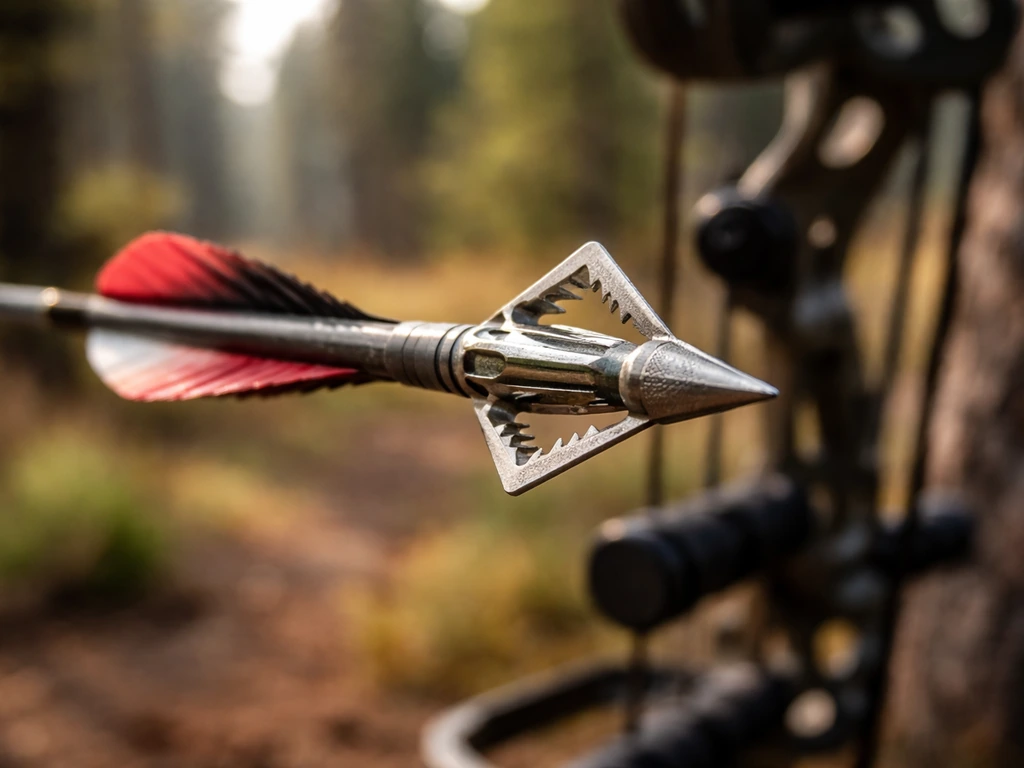
Arrow tip types for bird hunting
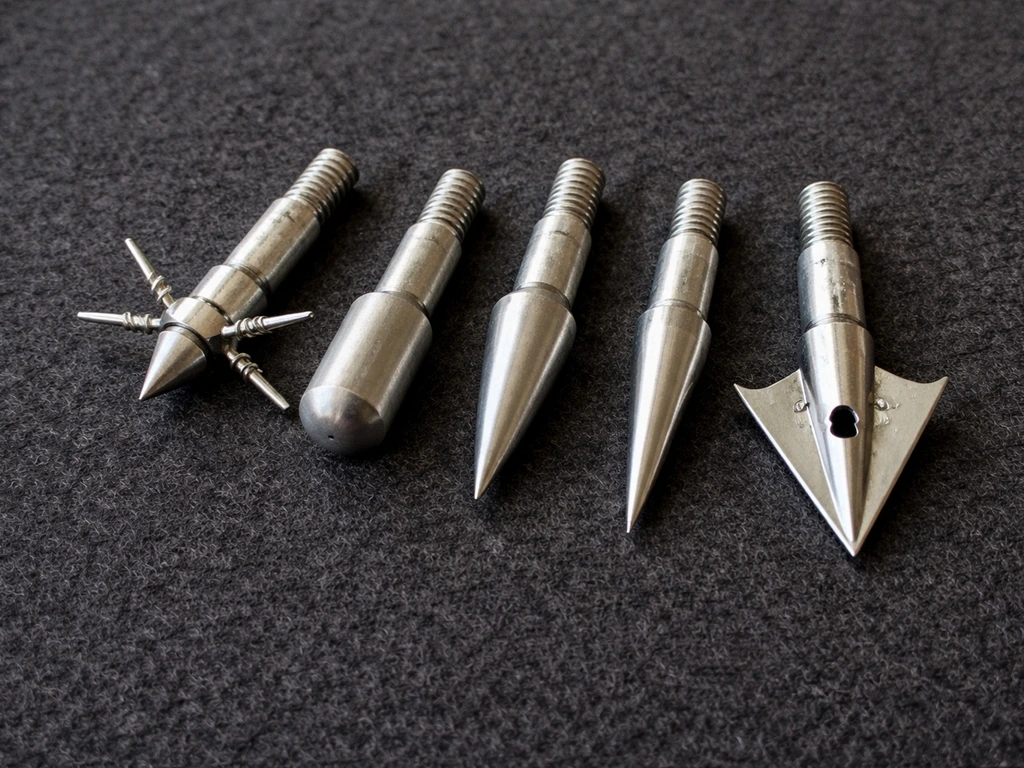
There are more arrow tip options out there than most beginners expect, and not all of them make sense for birds. Here are the main types you'll encounter and what they're actually designed to do.
- Blunt points: Flat or rounded tips that kill through impact trauma rather than penetration. Best for small upland birds like grouse and pheasant at close range. They prevent the arrow from burying into the ground and getting lost.
- Judo points: A blunt-style tip with spring-loaded wire arms that catch grass and debris so the arrow stops on the ground rather than skidding away. Extremely popular for roving and small-game bird hunting.
- Flu-flu arrows with blunts or judos: Not a tip type on their own, but flu-flu fletching (oversized, spiral feathers) limits arrow range to about 30 yards. Paired with a blunt or judo, they're the classic setup for flushing bird shots.
- Fixed-blade broadheads: Multi-blade heads with a fixed cutting edge. Required in many states for turkey hunting, and some require a minimum blade diameter (often 7/8 inch). Very reliable and do not depend on impact to deploy.
- Mechanical (expandable) broadheads: Blades fold back during flight and open on impact. They fly more like field points but require enough kinetic energy to deploy reliably. IHEA-USA recommends using them only with bows pulling at least 50 lb draw weight.
- Field points: Standard practice tips. Not legal for hunting in most states, but useful for tuning and sighting in before switching to your hunting tip.
- Specialized bird broadheads: Heads like the Zwickey Judo or specialized turkey broadheads that combine elements of blunts and broadheads for specific bird applications.
If you want a deeper look at how these tips attach to arrow shafts and which designs work best for different bird setups, the bird tips for arrows guide covers the hardware side in a lot more detail. It's worth reading before you buy anything.
Choosing the right tip by game and range
Matching your tip to the bird and your expected shot distance is honestly more important than the brand you buy. Here's how to think about it.
Small upland birds and roving
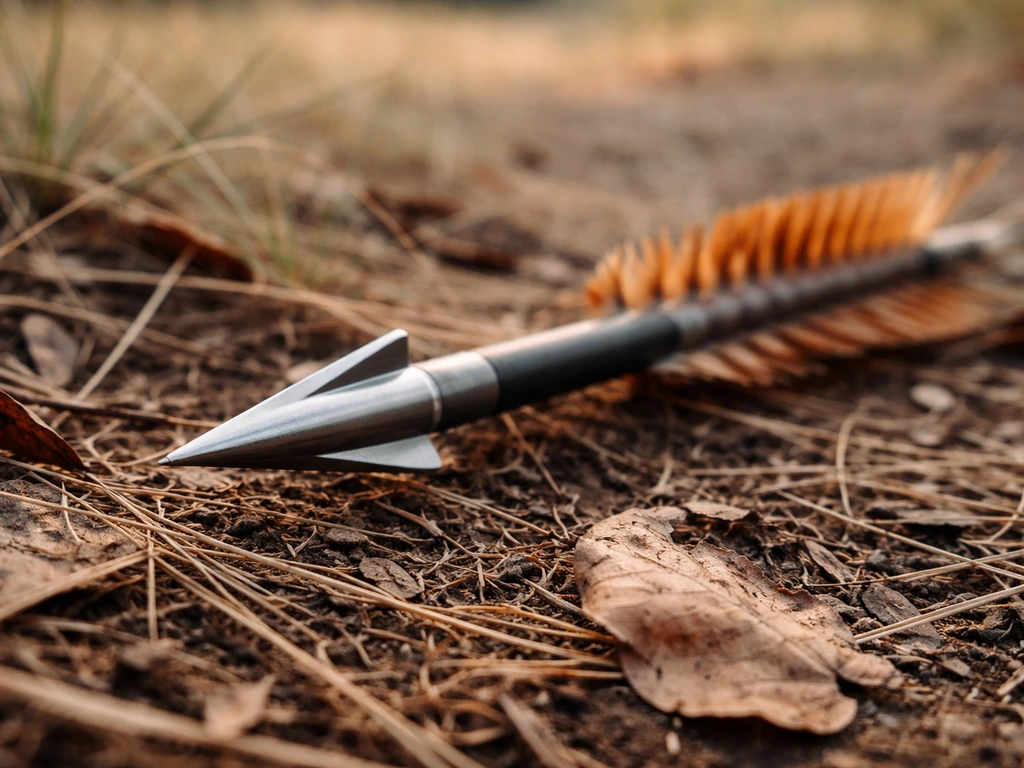
For grouse, pheasant, quail, or any small bird you're walking up and shooting at ground level or low flushes, a judo point or blunt on a flu-flu arrow is the practical standard. You're usually shooting under 20 yards. The wire arms on a judo point are specifically designed to stop the arrow in tall grass, which saves you a ton of time hunting for lost arrows. I've lost more blunt-tipped arrows than I care to admit before I switched to judos.
Turkey hunting
Turkey hunting with a bow is a different situation entirely. Turkeys are tough birds with dense bone structure, and a blunt point is not going to do the job ethically. You need a broadhead, and most states specifically require one. Michigan's 2026 spring turkey regulations, for example, include minimum broadhead width requirements for legal equipment. Most turkey hunters shoot fixed-blade or mechanical broadheads in the 100-125 grain range at ranges of 20-40 yards. Shot placement is everything here, which we'll cover in the tuning section below.
Waterfowl (where legal)
Bowfishing-style setups are sometimes used for waterfowl where local laws permit, but this is a niche and highly regulated area. Always check your state regulations before even considering it. In most cases, standard broadheads used for turkey are the closest equivalent.
| Target Bird | Recommended Tip | Typical Range | Notes |
|---|---|---|---|
| Grouse, quail, pheasant | Judo point or blunt | Under 20 yards | Use flu-flu fletching to limit range and recover arrows |
| Turkey | Fixed-blade or mechanical broadhead (min. 7/8" cut) | 20-40 yards | Check state-specific broadhead width minimums |
| Larger upland birds (sage grouse, etc.) | Judo point or light broadhead | Under 25 yards | Confirm local rules; some states restrict tip types |
| Practice/tuning (any bird) | Field point | Any | Never legal for harvest; for sighting in only |
Broadhead vs field point vs specialized bird tips
Understanding how these three categories behave differently in flight is something a lot of beginners skip over, and it causes a lot of frustration on the range. Field points are the most forgiving. They have a small, aerodynamic profile and fly very predictably. Broadheads, especially fixed-blade designs, act like little rudders in the air. Any imperfection in your arrow's flight gets amplified. Mechanical heads fly more like field points because the blades are tucked in during flight, but they carry a catch: they need enough energy to deploy on impact, which is why bows under 50 lb draw weight can struggle with them.
Specialized bird tips like judo points and blunts have their own flight characteristics. Because they're heavier up front than a standard field point and have a blunt face or wire arms, they tend to fly well at close range but are not designed for precision at 40+ yards. The Ashby Bowhunting Foundation's research on penetration efficiency actually argues that mechanical heads are less kinetically efficient overall because energy is consumed deploying the blades, which is worth keeping in mind if your bow is on the lighter side.
For turkey hunting specifically, my honest recommendation is fixed-blade broadheads unless your bow is definitely pulling 50+ lb and you've confirmed the mechanical head deploys consistently at your draw weight. Fixed blades are simpler, don't depend on a retention system, and are harder to mess up. One broadhead testing observation from the National Wild Turkey Federation's 2019 evaluation found that a mechanical head's retention system became loose after manual blade opening during testing, which is a real-world durability concern worth thinking about.
If you're newer to hunting birds with a bow and want to get a broader picture of the hunt itself before zeroing in on gear, the how to bird hunt guide is a great place to start building your overall strategy.
Fitting and setup: threading, adapters, and alignment
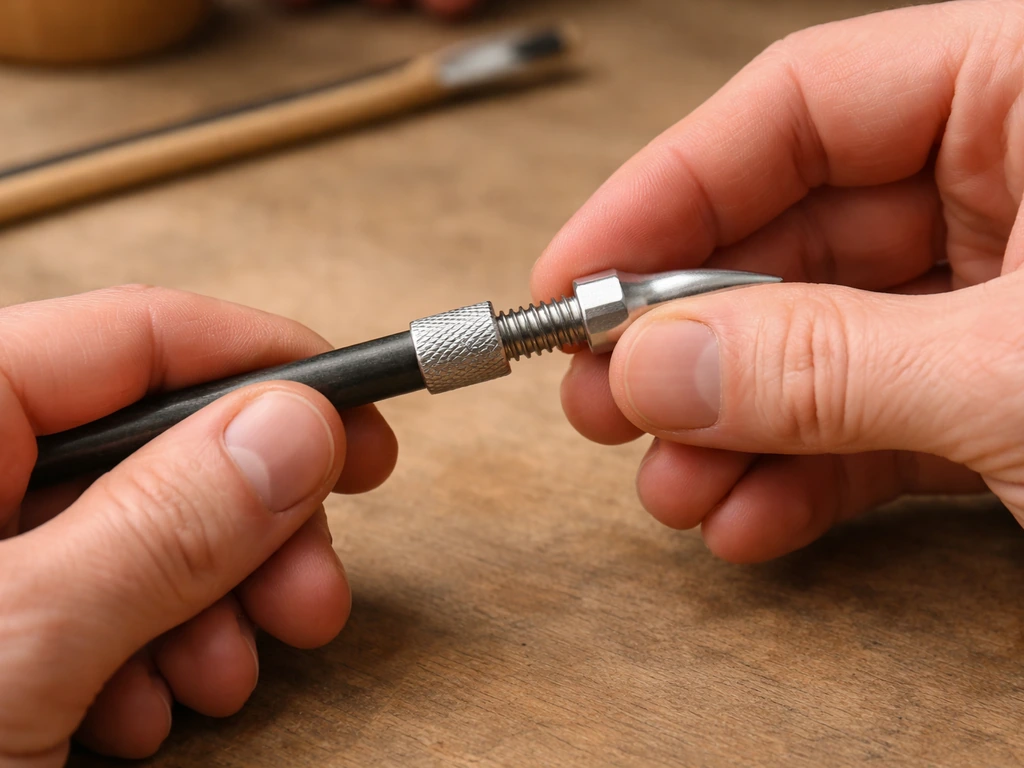
This is where a lot of first-timers get tripped up, and honestly, it's not complicated once you understand the standard. The vast majority of arrow tips, whether field points, broadheads, blunts, or judo points, use an 8-32 screw thread. That's the diameter and thread-per-inch standard that the archery industry has basically agreed on. Easton's 6.5mm HIT brass insert, for example, explicitly uses the 8-32 thread design. As long as your insert and your tip both follow the 8-32 standard, they'll thread together.
Inserts and adapters
The insert is the threaded collar that gets glued into the front of your arrow shaft. Most aluminum and carbon arrows come with inserts already installed or included in the package. If you're building arrows from scratch, Easton's installation procedure for their HIT brass insert system specifies that inserts are installed as part of the arrow-build process using heat and adhesive, not just pressed in. Don't skip the adhesive step. I've had inserts back out mid-shot, which is both embarrassing and dangerous.
If you're running a non-standard shaft diameter or want to use a tip that doesn't match your shaft's native insert, point adapters bridge the gap. Fender Archery's adapters, for instance, are designed to let you use standard 8-32 screw-in points and broadheads on shafts that wouldn't otherwise accept them directly. Check the adapter's stated sliding fit dimensions carefully to make sure it seats fully in your specific shaft before buying.
Alignment and tightening
A misaligned broadhead will steer the arrow off course. Spin-test every arrow after installing a broadhead by rolling it on a flat surface or holding it up and spinning it by the nock. Any wobble in the tip means the broadhead isn't seated true. Re-thread it and try again, sometimes it just needs another snug turn.
For tightening, hand-tight isn't always enough. G5's Torkee torque wrench is specifically designed to tighten broadheads to 6-7 lb-ft of torque, which the manufacturer says is about three times what most people achieve by hand. You don't necessarily need a torque wrench as a beginner, but if your broadheads keep loosening during flight or when pulled from a target, it's worth the investment. Always tighten broadheads in the direction that keeps them snug during forward arrow flight (clockwise when viewed from the tip end).
Hunting accuracy tuning: sighting, grouping, and shot placement
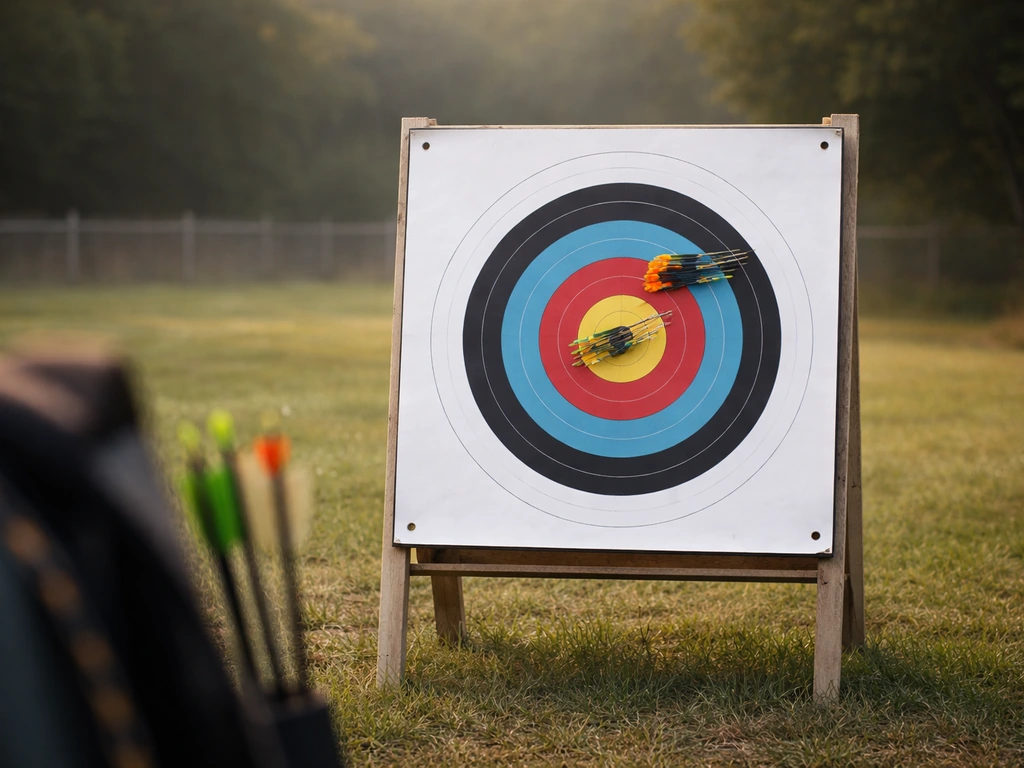
The single most important thing I can tell you here is this: your broadheads will not hit where your field points hit until you tune your bow and arrows properly. This surprises a lot of new bowhunters. They sight in with field points, switch to broadheads the week before season, and wonder why their groups fell apart.
The right order is: paper tune first, then group with field points, then verify broadhead point of impact (POI). Paper tuning means shooting through a sheet of paper at about 6 feet to see the tear your arrow makes. A bullet hole or near-bullet hole means the arrow is flying straight. Bowhunter.com frames this clearly: a straight launch is a prerequisite for broadhead accuracy, not something you compensate for later.
Once your arrow flight is clean, shoot field-point groups at your intended hunting distances (20, 30, and 40 yards are standard checkpoints). Then swap in your broadheads and shoot the same distances. If your broadhead POI is off from your field-point POI, you need to make incremental adjustments. Bowhunting.
com describes this as a tuning process of small setup tweaks until the POI difference is minimized. Bowhunting. com describes broadhead tuning as addressing the issue where broadheads do not impact the same spot as field points, and it explains how tuning adjustments like rest position can shift broadhead groups [tuning process of small setup tweaks](https://www. bowhunting.
com/bowhunt101/broadhead-tuning/). Sometimes it's a rest micro-adjustment, sometimes it's a different arrow spine, sometimes it's just that your broadheads need a different sight setting. New Jersey's archery education materials specifically highlight this point-of-impact difference between field points and broadheads as something hunters must account for before going afield.
For birds, shot placement depends entirely on the species. For turkeys, the two most lethal shots with archery are the broadside double-lung shot (aim just behind the wing butt at mid-body) and the facing-toward-you head/neck shot with a wide-cutting head. Texas Parks and Wildlife's hunter education materials emphasize that shot placement is critical for broadhead hunting and that careful handling is required. For small birds with blunts and judos, you're aiming for center-of-mass and relying on impact trauma, so precision at short range is the main variable.
For more targeted pointers on improving your accuracy in the field, the bird shooting tips guide goes into range estimation and shooting-form habits that directly translate to bow hunting accuracy.
Legal and safety considerations for arrow tips used on birds
This section is not optional reading. Arrow tip regulations for bird hunting vary significantly by state, province, and even by species within the same state. Getting this wrong can mean a citation, a lost license, or worse, an unethical and wasteful shot.
Broadhead minimums and mechanical head rules
Many states that allow archery turkey hunting specify a minimum broadhead cutting diameter, often 7/8 inch or 1 inch. Some states restrict mechanical broadheads entirely or set separate draw-weight minimums for mechanicals versus fixed blades. Wyoming, for example, requires that fixed or expanding broadheads, when fully expanded, cannot pass through a 7/8-inch solid ring, meaning the blade must meet a minimum width. Gearhead Archery's regulations overview illustrates how these mechanical vs. fixed-blade draw-weight minimums can differ even within the same state's big-game rules, and similar logic applies to bird hunting regs. Always check your specific state or provincial regulations for the current season before buying tips.
Safe handling of broadheads
Broadheads are razor sharp and they will cut you if you're careless. Always use a broadhead wrench to tighten or remove them, never your bare fingers. When carrying a quiver with broadheads, make sure the heads are covered. Never nock a broadhead-tipped arrow unless you intend to shoot. The frank bird safety pyramid is a useful framework for thinking about layered safety habits in hunting contexts, and the principles translate directly to bowhunting.
Draw weight requirements
Beyond the mechanical broadhead threshold of 50 lb mentioned by IHEA-USA, many states set minimum draw weights for legal archery hunting overall, often in the 35-45 lb range. If your bow doesn't meet the minimum, you're not legally hunting regardless of your tip. Check this before the season, not during it.
If you want a comprehensive checklist for getting legal and ready before your first bird hunting season with a bow, the tips for bird hunting guide covers the full preparation process from licensing to scouting.
Maintenance and storage for broadheads and points
Taking care of your tips isn't glamorous, but it's what separates a hunter who shows up to the field with sharp, reliable equipment from one who doesn't. The main enemies of broadheads are rust, dullness, and mechanical failure.
Preventing rust
Steel blades rust faster than most people expect, especially if they've been in contact with moisture, blood, or even humid air over a long storage period. Slick Trick recommends applying a light coat of oil or rust-preventative solution before extended storage. Iron Will's broadhead care guidance notes that some blade steels are less corrosion-resistant than others and can develop rust spots even from being stored wet for a short time. Tooth of the Arrow suggests putting a thin layer of oil on blades before putting them in your quiver. I do this at the start and end of every season and haven't had a rust problem since.
Sharpening fixed blades
If your fixed-blade broadheads are resharpable (not all are), do it systematically. G5's re-sharpening instructions for the Montec describe rotating the broadhead 120 degrees to the next blade surface and repeating the sharpening steps, which ensures you work each blade face evenly. Use a quality sharpening stone designed for broadheads and work in consistent strokes. A dull broadhead doesn't just reduce lethality, it can deflect off feathers and bone in a way a sharp edge won't.
Replacing mechanical blades
Most mechanical broadheads use replaceable blade inserts. After any shot that contacts an animal or hard surface, replace the blades. Bent or nicked mechanical blades won't deploy cleanly. Keep a pack of replacement blades in your kit. Nomad Broadheads' care materials emphasize cleaning and corrosion prevention specifically because residue left on mechanical parts can interfere with blade deployment over time.
Storage between seasons
Store broadheads in a dry location, ideally in their original plastic case or a covered quiver section. Don't leave them loose in a bag where they can contact each other, chip edges, or get moisture trapped against the blades. A light wipe with a dry cloth followed by a thin oil coat before sealing them away will get them through an offseason in good shape.
If you're building out your full archery setup for birds and want to understand how the tip choices here connect to the rest of your arrow build, the archery bird tips guide covers the broader equipment picture including shaft selection and fletching choices that affect how any tip performs.
FAQ
Can I use the same arrow tips for both upland birds and turkeys?
You can, but it is often a poor match. Judo points and blunts are designed for close-range small-game reliability and easier recovery, while turkeys usually require an approved broadhead type and cutting width. If you switch tips in season, re-tune and re-check point of impact, because even “light” changes to tip weight and flight behavior can shift groups.
How do I know whether my broadheads are legal for bird hunting in my area?
Start by checking rules for both the tip and your overall draw weight. Many places regulate cutting diameter or blade width on expanded mechanicals and also restrict mechanical broadheads entirely or allow them only above certain draw weights. Also confirm any species-specific limits, since turkey rules can differ from general game archery rules even within the same state.
What draw weight issues come up most with mechanical broadheads?
The most common problem is insufficient energy to deploy blades consistently. Even if your bow meets a legal minimum, deployment can still be inconsistent at real-world shot setups if your tune is off or the blades are not functioning cleanly. Test deployment on multiple arrows and angles, and replace any blades that show bent, nicked, or sticky behavior.
Do I need to paper tune and group-test even if my arrows already fly well with field points?
Yes, because “good with field points” does not guarantee “true with broadheads.” Paper tuning verifies arrow launch alignment, then field-point grouping confirms sight settings with your normal tip. Finally, you must verify broadhead point of impact at hunting distances, since broadheads can behave like rudders and amplify small inconsistencies.
How many arrows should I shoot to confirm my broadhead point of impact before season?
Shoot enough to filter out one-off problems, typically at least 3 arrows per distance and repeat at two distances that match your likely shot opportunities. If your first arrows show wide spread, stop and re-check seating, then spin-test, because inconsistent broadhead seating is a frequent cause of group failures.
What causes broadheads to loosen after I tighten them?
Most loosening problems come from improper seating, thread mismatch, or not reaching a consistent torque level. Make sure the insert and tip follow the same thread standard, tighten with the correct tool, and spin-test for wobble. If they still loosen, check for damaged threads or an insert that was not glued securely into the shaft.
Is an arrow tip replacement after practice mandatory?
It is not usually required for field points, but it is smart for broadheads and especially mechanicals. If a tip contacts a hard surface, show signs of impact damage, or has blades that no longer move smoothly, treat it as suspect and replace parts as needed. For mechanical heads, replacing blades after hard impact is the safer default.
How do I transport and carry broadhead-tipped arrows safely?
Do not rely on just the quiver strap. Cover the heads, keep broadhead tips from contacting each other inside the bag, and avoid nocking a broadhead arrow unless you are prepared to shoot. Many hunters also carry a broadhead wrench so tightening or removal happens with the proper tool, not by hand.
What should I do if my broadheads hit low or high compared to field points?
Treat it as a tuning problem, not a “just adjust the sight” problem. First, verify correct broadhead seating and do a spin-test to confirm true alignment. Then re-check arrow rest settings or micro-adjustments and repeat field and broadhead verification. Also consider that different arrow spines can change broadhead behavior even with the same sight changes.
Are flu-flu arrows with blunts or judos legal for birds where I hunt?
It depends on your regulations and the species you are targeting. Some areas allow them for small-game but restrict specific tip types or require broadheads for certain birds like turkeys. If you plan to hunt multiple species, confirm legality before the season because “small bird setup” rules and turkey rules can conflict.
How should I handle rust and dullness when storing arrow tips between hunts?
Dry storage matters, but the bigger difference is consistent maintenance. Before long storage, apply a thin rust-preventive coating to metal blades, keep them in a dry case or covered quiver section, and wipe off residue after use. If your broadheads are resharpenable, sharpen systematically and keep blade faces even, since uneven edges can contribute to deflection.
Next Article
How to Bird Hunt: Beginner Steps, Safety, and Gear
Beginner guide to how to bird hunt safely: gear, scouting basics, lawful rules, and a week-by-week start plan.