Bird hunting is one of the most accessible ways to get into hunting as a hobby. You don't need expensive gear, a massive truck, or a hunting cabin in the mountains. What you do need is a clear starting point, the right legal groundwork, and a basic understanding of how to read the land and the birds on it. This guide walks you through all of that, from scratch, so you can start planning your first hunt this week.
How to Bird Hunt: Beginner Steps, Safety, and Gear
Marcus Hendricks
8 Apr 2026
What bird hunting actually is (and why it matters to get the basics right first)
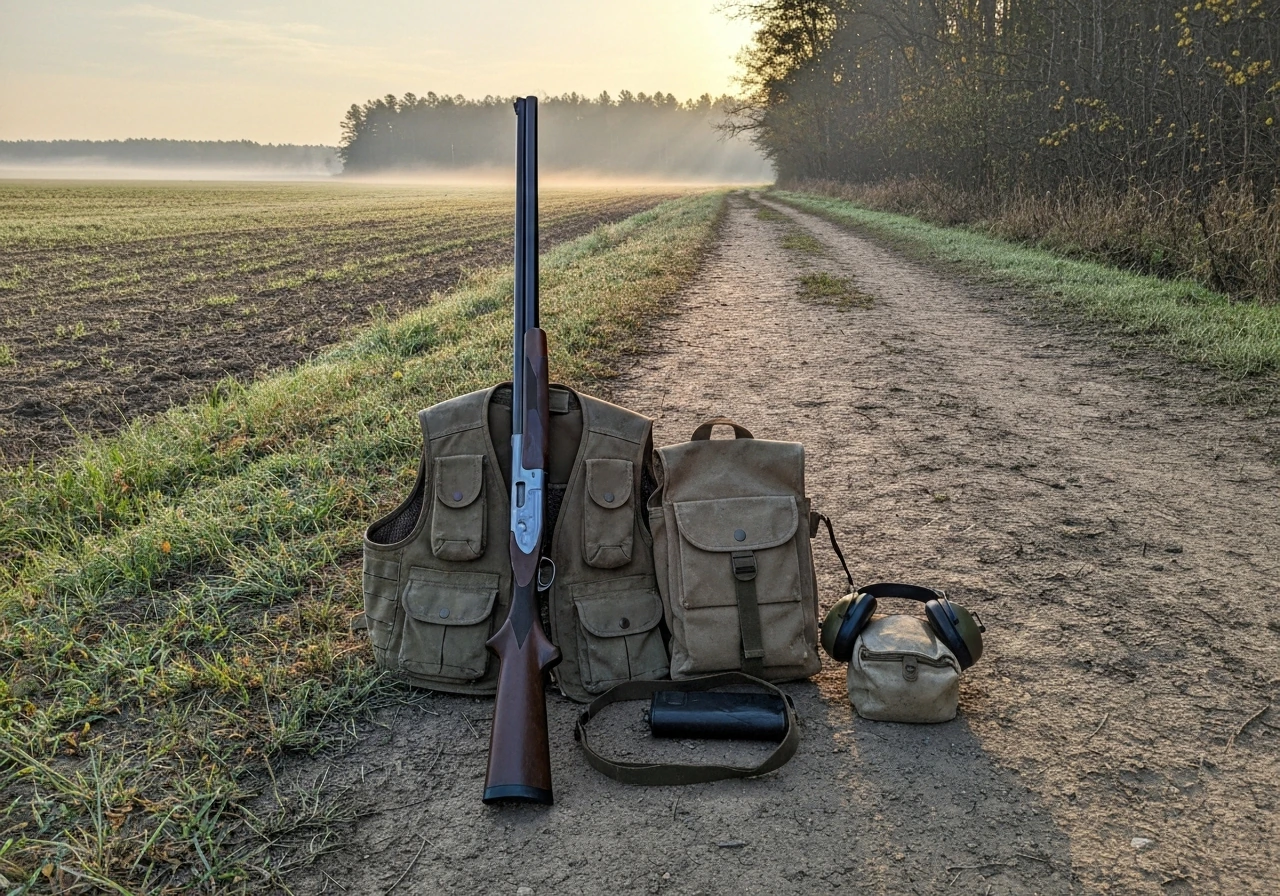
Bird hunting, at its core, is pursuing wild birds for sport and food using a firearm, bow, or in some cases falconry. The most common forms for beginners are upland bird hunting (think pheasant, quail, grouse, and dove) and waterfowl hunting (ducks and geese). Upland hunting is generally more beginner-friendly because it typically requires less specialized gear and fewer permits than waterfowl hunting. That said, both are rewarding and both are very doable for a first-timer who does their homework.
Here's why the basics matter: bird hunting is regulated at both the state and federal level, and the rules change depending on the species you're pursuing. Migratory birds like ducks and doves fall under federal jurisdiction in addition to state rules. Non-migratory upland birds are generally covered by your state alone. Getting this distinction clear early saves you from accidentally breaking a rule you didn't know existed. It also shapes every decision you make, from which license to buy to when and where you can legally hunt.
One more thing worth naming upfront: bird hunting is a skill. It takes practice to identify birds in the field, read their behavior, and make clean, ethical shots. The good news is that the learning curve is fun, and every outing teaches you something. If you go in expecting to be imperfect at first, you'll actually enjoy the process a lot more.
Legal and safety checklist before you go anywhere near a field
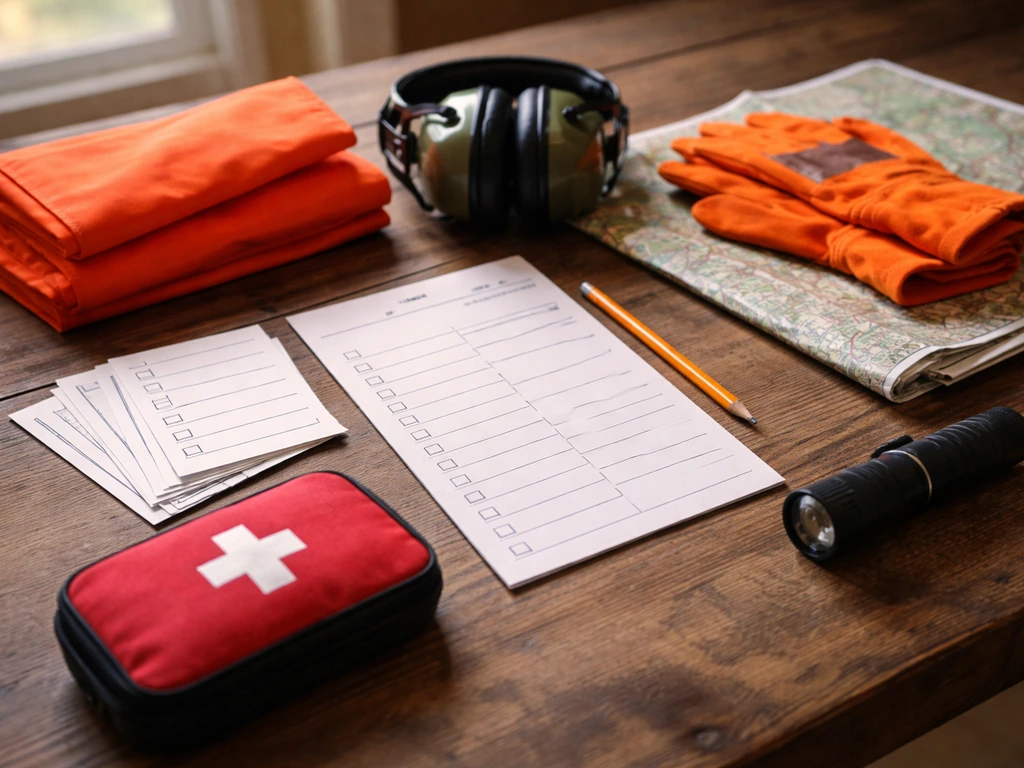
This section isn't optional. Skipping it is the fastest way to ruin your first experience, and potentially someone else's day. Here's what you need to check off before your first hunt.
Licensing and permits
Every state requires a hunting license. Most states also require you to pass a hunter education course before issuing your first license. Beyond that, specific validations or stamps may be required depending on the species. Waterfowl hunters aged 16 and older are required by federal law to purchase a Federal Migratory Bird Hunting and Conservation Stamp, commonly called the Duck Stamp, before they can legally take migratory waterfowl. Massachusetts also notes that the Federal Duck Stamp is valid from July 1 through June 30 and is valid in any state. That's a federal rule on top of whatever your state requires. You can buy it at most post offices or online through the U.S. Fish & Wildlife Service.
The simplest way to find your state's exact requirements is to go directly to your state's fish and wildlife agency website. Search for "[your state] hunting license requirements" and look for the official .gov or .state domain. If you're going after doves, ducks, or geese, you'll also need to check the federal migratory bird regulations, which set season dates, bag limits, and shooting hours based on annual bird population surveys. These change year to year, so always confirm them before the season opens.
The safety non-negotiables
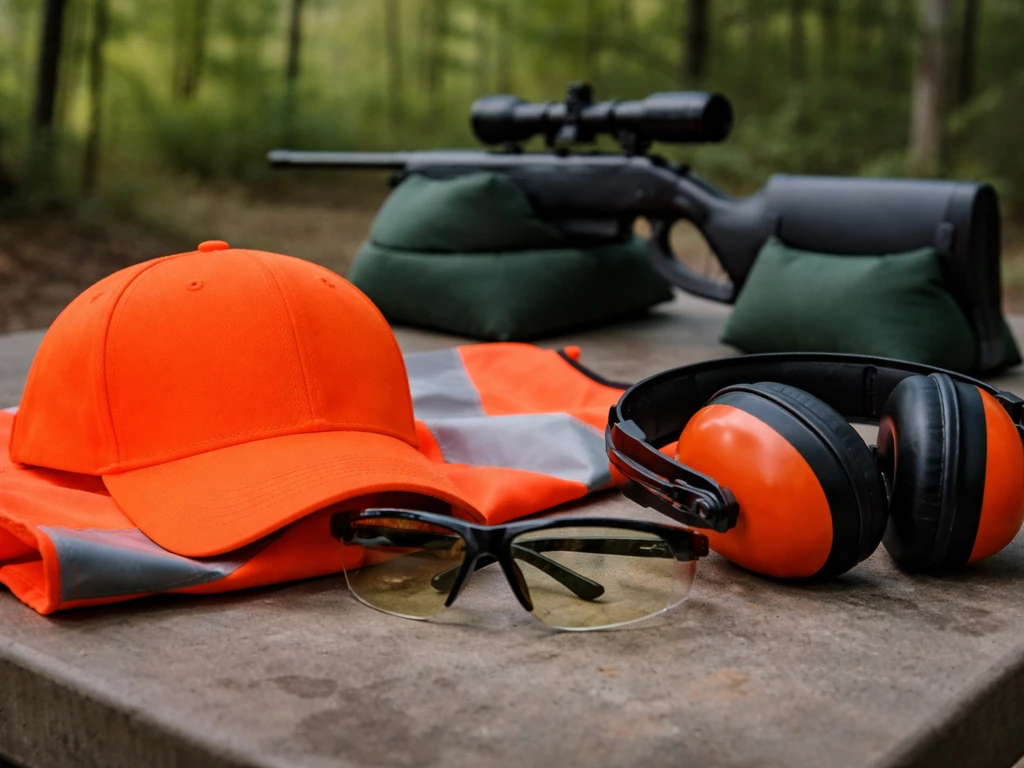
Hunter education courses cover firearm safety in detail, and I can't recommend them enough even if your state doesn't require one. The core concept you'll hear over and over is the zone of fire. Your zone of fire is the area, roughly 45 degrees directly in front of you, where you can safely take a shot without endangering other hunters in your group. This is a standard taught by the International Hunter Education Association and reinforced by state agencies across the country, including Texas Parks and Wildlife, which ties safe zone-of-fire discipline directly to muzzle control and safe carries. Never swing your firearm outside that zone, no matter how tempting a shot looks.
Visibility gear is another legal and safety requirement that trips up beginners. In many states and during certain seasons, fluorescent orange is mandatory. blank" rel="noopener noreferrer">Pennsylvania, for example, requires 250 square inches of fluorescent orange visible from 360 degrees, covering the head, chest, and back. A hunter orange hat and vest together generally satisfy this. Even when orange isn't legally required, wearing it during mixed-use seasons is smart. If you want a detailed breakdown of layering safety and shooting considerations together, reviewing bird shooting tips can help you connect those concepts before you head out.
A useful mental model for staying safe around other hunters is sometimes called the safety pyramid. It stacks your priorities from the ground up: treating every firearm as if it's loaded, keeping the muzzle pointed in a safe direction, keeping your finger off the trigger until you're ready to shoot, and knowing your target and what's beyond it. The frank bird safety pyramid is a great reference for internalizing this hierarchy before your first day in the field.
- Get your state hunting license (and complete a hunter education course if required or even if not)
- Buy a Federal Duck Stamp if you're hunting any migratory waterfowl and you're 16 or older
- Check current federal migratory bird season dates, bag limits, and shooting hours for your target species
- Confirm state-specific rules for the exact species and land you're planning to hunt
- Purchase fluorescent orange gear (hat + vest) to meet or exceed your state's requirements
- Review zone-of-fire and four rules of firearm safety before going out with a group
Picking where and when to hunt
The species you target determines almost everything else: your habitat, your season, your gear, and your tactics. Here's a quick overview of the most common beginner-friendly options.
| Species | Habitat Type | Season Window (General) | Beginner Difficulty | Key Permits |
|---|---|---|---|---|
| Dove | Agricultural fields, open country | Early fall (Sept in most states) | Low | State license, some states require migratory bird stamp |
| Pheasant | Grasslands, cropland edges, brushy cover | Fall/winter | Low-Medium | State license, upland stamp in some states |
| Quail | Brushy open country, scrubland | Fall/winter | Low-Medium | State license |
| Grouse | Forested areas, mixed woodland edges | Fall/winter | Medium | State license |
| Duck/Geese | Wetlands, rivers, coastal areas | Fall/winter | Medium-High | State license + Federal Duck Stamp + federal regs |
Dove season is often the best entry point for brand-new hunters. It opens early in the fall when weather is mild, the shooting is fast and fun, and the social atmosphere at a good dove field is relaxed and forgiving. Pheasant is another fantastic beginner species, especially if you can hunt with a dog (yours or a friend's). The birds hold well in cover and give you time to work the habitat methodically.
For land access, start by looking at public land options in your area. Most states have Wildlife Management Areas (WMAs) that are open to licensed hunters. The National Wildlife Refuge system also opens certain refuges to hunting during specific seasons. Private land can offer better hunting, but it requires building relationships with landowners over time. State-run hunter access programs are also worth checking because they connect hunters with landowners who've enrolled their properties.
Timing within a season matters too. Early season birds are often less pressured and more predictable. Mid-season can be excellent after cold fronts push migratory birds through. Pay attention to weather patterns because birds move and feed differently depending on temperature, wind, and barometric pressure changes.
The gear you actually need to start (and what to ignore for now)
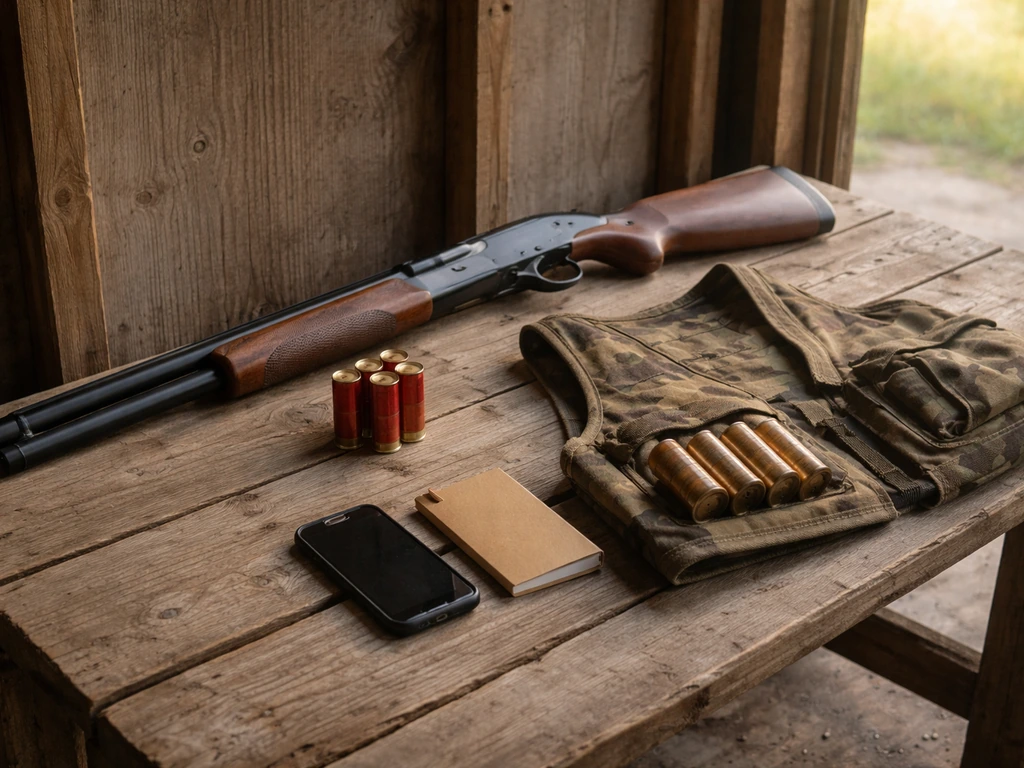
The hunting industry will try to sell you a lot of stuff. Resist most of it at first. Here's what actually matters when you're starting out.
Buy first
- A shotgun in 12 or 20 gauge (12 is the most versatile; 20 gauge is lighter and great for smaller upland birds and youth hunters)
- Appropriate ammunition for your target species (lead shot for non-migratory upland birds; steel or other non-toxic shot is federally required for waterfowl)
- A hunter orange hat and vest
- Comfortable, broken-in boots with ankle support
- A basic blaze orange or camo vest with a game pouch
- Your licenses and stamps, printed or digitally available
Consider later, once you know what you like
- Camo clothing layers (useful but not essential for most upland birds)
- A dog or access to one (dramatically improves pheasant and quail success, but not required to start)
- Decoys (for waterfowl, adds cost and complexity)
- Electronic calls (regulated or banned for many species; check before buying)
- Specialty waders, layout blinds, or boats (waterfowl-specific; invest once you know you love it)
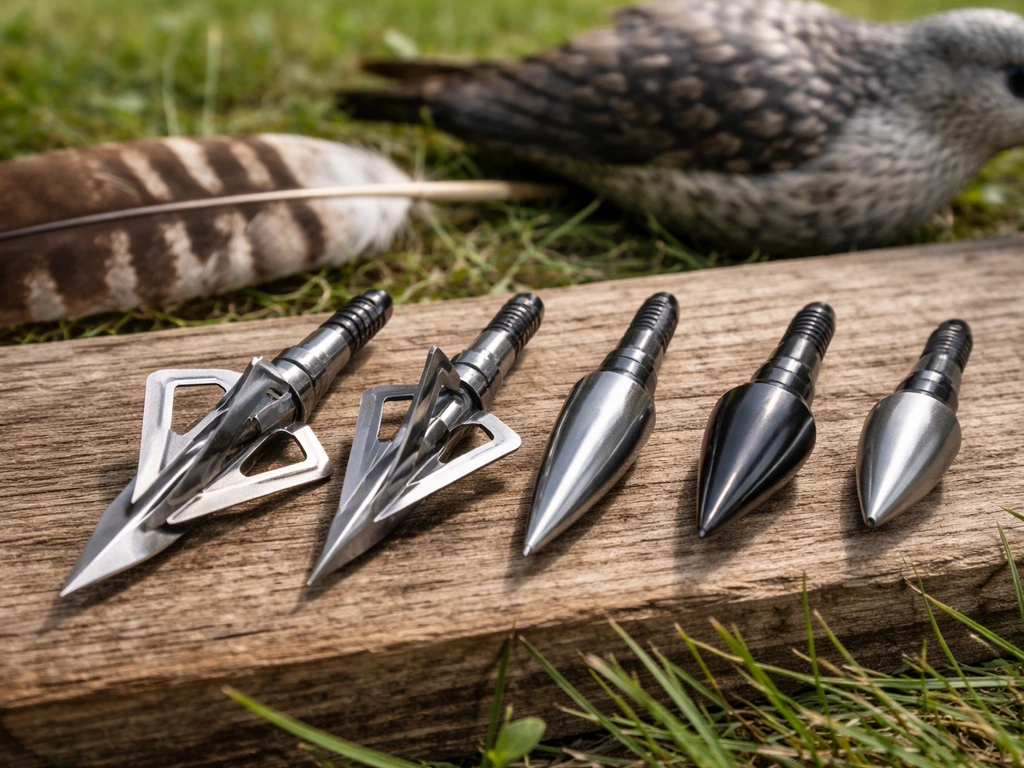
If you're interested in bowhunting birds, the equipment choices shift significantly. Bow-specific bird hunting gear, including specialized arrow tips designed to maximize effectiveness in the field, deserves its own attention. If that's the direction you're heading, get familiar with arrow tips for bird hunting so you understand what you're choosing between before making a purchase. The right tip makes a real difference in both accuracy and ethical harvesting.
One thing I learned the hard way: don't cheap out on boots. I showed up to my first pheasant hunt in old sneakers and spent the whole day with wet, cold feet stumbling through cut cornfields. A decent pair of waterproof upland boots is worth every dollar. Everything else can be figured out as you go.
How to put your first hunt plan together, step by step
- Pick one target species and one local hunting area. Don't try to plan for multiple species on your first outing. Dove or pheasant on a nearby WMA is a perfect start.
- Check the exact season dates, shooting hours, and bag limits for that species in your state this year. Write them down and keep them with your license.
- Get your license, any required stamps, and your hunter orange gear sorted at least a week before you want to go out. Last-minute rushing leads to missed steps.
- Scout the area before opening day if possible. Drive or walk the area and look for bird sign (feathers, droppings, dusting areas, food sources). Google Earth or onX Hunt maps help you read terrain from home first.
- Plan your entry and exit routes. Know where you'll park, where you'll walk, and where you'll set up. Have a backup spot in case your first choice is crowded.
- If you're going with others, agree on your zones of fire before you step out of the truck. Talk through communication signals and what happens when a bird flushes.
- Bring water, a snack, and a basic first aid kit. Bird hunting involves a lot of walking and often warm early-season weather. Dehydration is a real issue.
- Tell someone who isn't going where you'll be and when you expect to be back.
For more targeted guidance once you've locked in a species and location, the tips for bird hunting resource is a solid companion to this plan. It gets into the tactical detail that complements the broader framework here.
Building real field skills: scouting, reading birds, and approach basics
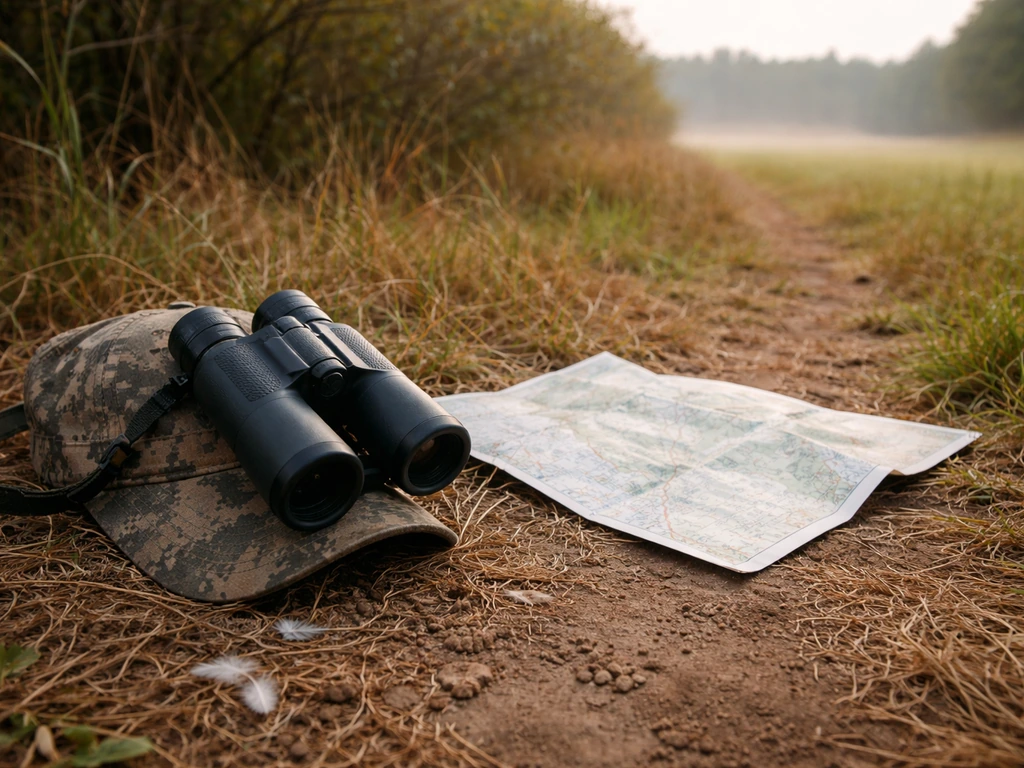
Scouting is honestly where most of your success gets determined before you ever pull a trigger. Spend time in your area a few days before the season opens. You're looking for signs of birds: tracks, feathers, feeding activity near grain fields or berry-producing shrubs, and loafing areas where birds rest during midday. For waterfowl, you're watching where birds land and roost at dawn and dusk. That information tells you where to set up.
Learning to identify your target species confidently is a skill that takes time but matters a lot. Bag limits and legal shooting requirements are species-specific. Shooting the wrong bird because you misidentified it is a real problem that beginners run into. Study field marks before the season using a good bird identification app or field guide. Focus on silhouette, wingbeat pattern, and flight behavior since those are what you're working with in real time, not a still photo.
Approach fundamentals vary by species. For upland birds like pheasant and quail, you're generally walking slowly through cover, letting a dog work if you have one, and being ready for a fast flush. Move into the wind when possible so birds don't detect your scent and run ahead of you. For dove, you're usually stationary at a field edge or water source, intercepting birds as they fly past. For waterfowl, decoys and calling are used to bring birds to you rather than moving toward them.
The arc and approach of your shot matters too. If you're using a bow, the mechanics and angle of your shot are completely different from a firearm setup. Understanding the geometry of bird tips for arrows can help you think through shot placement and arrow selection if you're incorporating archery into your bird hunting practice.
One habit worth building early: after each hunt, spend five minutes mentally reviewing what happened. Where did you see birds? What were they doing? What worked and what didn't? This kind of low-tech debrief accelerates your learning faster than any gadget. I started doing this after my third hunt and it changed how quickly I improved.
Beginner mistakes to avoid (and what to do when things go sideways)
Every beginner makes these mistakes. I made most of them. Knowing them in advance doesn't guarantee you'll avoid them, but it helps.
- Going out without confirming the exact regulations for that day's hunt. Rules change seasonally and annually. Always verify the current year's regs.
- Wearing too much or too little clothing. Early dove season is hot. Late pheasant season is cold. Layer appropriately and bring options.
- Skipping the pre-hunt safety conversation with your group. Even experienced hunters should talk through zones of fire before stepping out.
- Shooting at birds that are too far away. Shotgun patterns degrade quickly beyond 40 yards for most loads. Learn your effective range before the season and stick to it.
- Not patterning your shotgun before the season. Patterning means shooting at a paper target to see where your shot actually lands. Do this every season.
- Getting frustrated and moving too fast through cover. Slow, methodical walking flushes more birds than rushing. Patience is the skill.
- Neglecting to retrieve downed birds properly. Every bird you harvest deserves a thorough retrieval effort. Mark the bird carefully before moving toward it.
When things aren't working, troubleshoot systematically. Not seeing birds? Your scouting was off or the birds have moved. Missing a lot of shots? You might be rushing your mount or stopping your swing through the target. Feeling unsafe with group dynamics? Stop and have a conversation. No bird is worth a safety compromise.
When to get coached: if after three or four outings you're consistently struggling to connect on shots, a single session with a wing-shooting instructor is worth it. Most sporting clays facilities offer lessons, and the improvement is immediate and measurable. Think of it like a golf lesson. You wouldn't grind for years on a bad swing when one instructor session could fix the fundamental issue. The same logic applies here.
Archery bird hunters face a steeper technique curve and should seriously consider working with an archery coach early. The specialized techniques for bird hunting with a bow, including the right archery bird tips that experienced hunters rely on, are much easier to learn with hands-on guidance than purely from reading.
Your practice schedule and how to keep leveling up
The off-season is when hunters get better. Here's a realistic schedule for someone who's just getting started.
This week (before your first hunt)
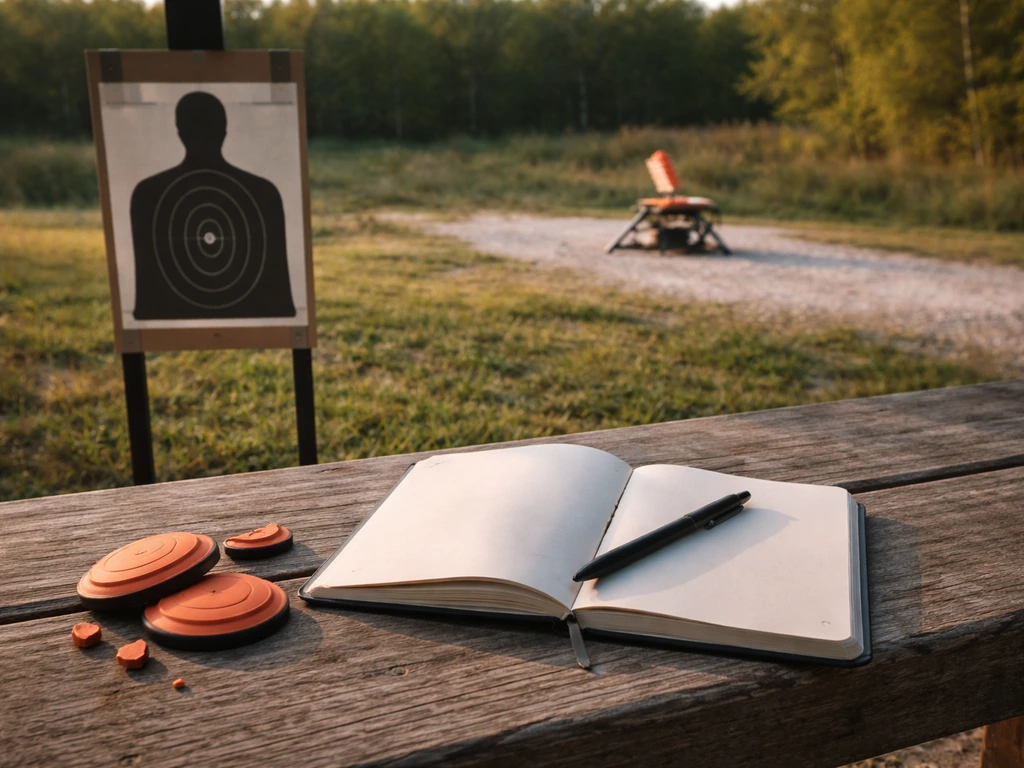
- Complete your hunter education course or register for one if not yet done
- Visit your state fish and wildlife agency website and read the current regulations for your target species
- Purchase your license, Duck Stamp if needed, and orange vest and hat
- Pattern your shotgun at a local range with the loads you plan to use
- Use a bird ID app to study your target species in flight mode
Between now and opening day
- Visit your planned hunting area at least once to scout bird activity
- Shoot sporting clays or skeet at least twice to practice moving target shooting
- Connect with one experienced hunter who can mentor you through your first outing
During and after your first season
- Keep a simple hunt journal: date, location, weather, birds seen, birds harvested, what worked
- Debrief after each hunt for five minutes, mentally or written
- Book one wing-shooting lesson if you're struggling with shots by mid-season
- Start researching a new species or area for next season while this one is fresh
The hunters who improve fastest aren't the ones with the most expensive gear. They're the ones who treat every outing as a learning opportunity and actually reflect on what they observed. A season of consistent, intentional hunting beats a decade of going through the motions. Build that habit now and you'll be a genuinely skilled bird hunter within a few seasons, not just someone who shows up and hopes for the best.
Start simple, stay legal, stay safe, and get out there. The birds won't wait forever.
FAQ
Do I need both state and federal rules for bird hunting?
If you plan to hunt migratory birds (like doves, ducks, and geese), you cannot rely on state rules alone. You need to confirm the federal season dates, daily bag limits, and legal shooting hours for that species each year, then match those limits with your state license and any required stamps or validations.
How do I make sure public land is actually open for the specific birds I want to hunt?
Start with a legal check in your exact hunting unit and species, not just a broad “public land” label. Wildlife Management Areas and refuges often have different species, season, and method restrictions, and some zones may be closed for habitat protection even while other areas are open.
When is fluorescent orange required, and should I wear it even if my season does not require it?
Yes, and it changes what you should wear and carry. In many places orange is required only during certain seasons or on certain public-land days (for example, when other hunters are present), but the safest habit is to wear visibility gear whenever you might be in mixed-use areas, including early morning and late afternoon.
What shotgun gauge or bow setup should I buy first for learning to shoot birds?
For new hunters, the “right” starting gauge is the one that fits your shooting comfort and your intended species range. If you miss often or struggle with recoil control, prioritize a firearm setup you can mount consistently and practice with regularly, because accuracy and ethical harvesting matter more than chasing a popular caliber.
What are the most common rule mistakes that get beginners in trouble?
Even if you have a license, you can still be breaking rules if you hunt the wrong species or wrong time window. Before you go, verify (1) season open status, (2) allowed hunting methods (firearm, bow, falconry), (3) legal shooting hours, and (4) daily and possession bag limits for that exact species.
How should I transport and store my firearm or bow before and during a hunt?
Yes, but you need to practice safe, controlled storage and transport habits. Many hunters get tripped up by leaving a firearm assembled in a vehicle or carrying it outside the proper case, and rules vary by state. Before loading or moving gear, confirm how your state requires firearms to be transported, unloaded, and secured.
What safety steps should I set up with my hunting group before the first shot?
For many beginners, the simplest way to reduce safety risk is to hunt in a small group and assign clear roles. Decide who calls out bird direction, establish a “stop shooting and regroup” plan if safety concerns come up, and make sure everyone can communicate without moving muzzles between positions.
What should I troubleshoot first if I’m missing birds consistently?
If you frequently miss, don’t jump straight to “better gear.” First slow down your sequence: confirm the bird ID quickly, mount consistently, follow through, and avoid stopping the swing. If you are still missing after several outings, get one structured lesson at a clays facility or with a wing-shooting instructor.
What’s the best way to avoid shooting the wrong bird?
Field identification is the big one. Use your observations, not photos, and commit to recognizable field marks like wingbeat style, silhouette, and flight behavior. If identification is uncertain, treat it as non-legal, pass on the shot, and spend time pre-season studying the birds you are most likely to encounter.
How can I get better at identifying birds in real time (not in a book)?
You can use a phone app or field guide, but also build a “call and silhouette” shortcut for the birds you expect to see. For example, focus on where doves and quail typically flush from, how waterfowl present when landing, and what their typical flight paths look like, so your decisions in the moment are faster and safer.
What should I adjust for gear and tactics in different weather conditions?
Cold weather, rain, and dawn conditions can change how birds move and how your gear performs. Plan for wet footing, eye protection, and gloves you can still shoot or load with, then adjust your scouting focus, for example roosting areas at first light for waterfowl or feed cover edges for upland.
Do I need a dog for upland bird hunting, and what if I don’t have one?
Yes. If you have access to a dog, upland hunting often becomes much more efficient for finding flushed birds and retrieving, but you still need to practice controlled handling and obedience around shot and birds. If you do not have a dog, partner with someone who does, or start on simpler terrain where you can recover birds safely without long tracking.
Next Article
Bird Tips for Arrows: Types, Fit, Install, and Tuning
Guide to bird themed arrow tips: types, fit, safe installs, compatibility checks, and tuning for accurate flight.