The best way to learn bird song is to pick one common species in your area, break its song into phrases (not random notes), and listen to multiple recordings of it daily until those phrases feel automatic. That's the whole method. Everything else, the apps, the spectrograms, the practice routines, is just scaffolding to make that core loop faster and stickier.
How to Learn Bird Song: Step-by-Step Practice Routine

Marcus Hendricks
25 Apr 2026
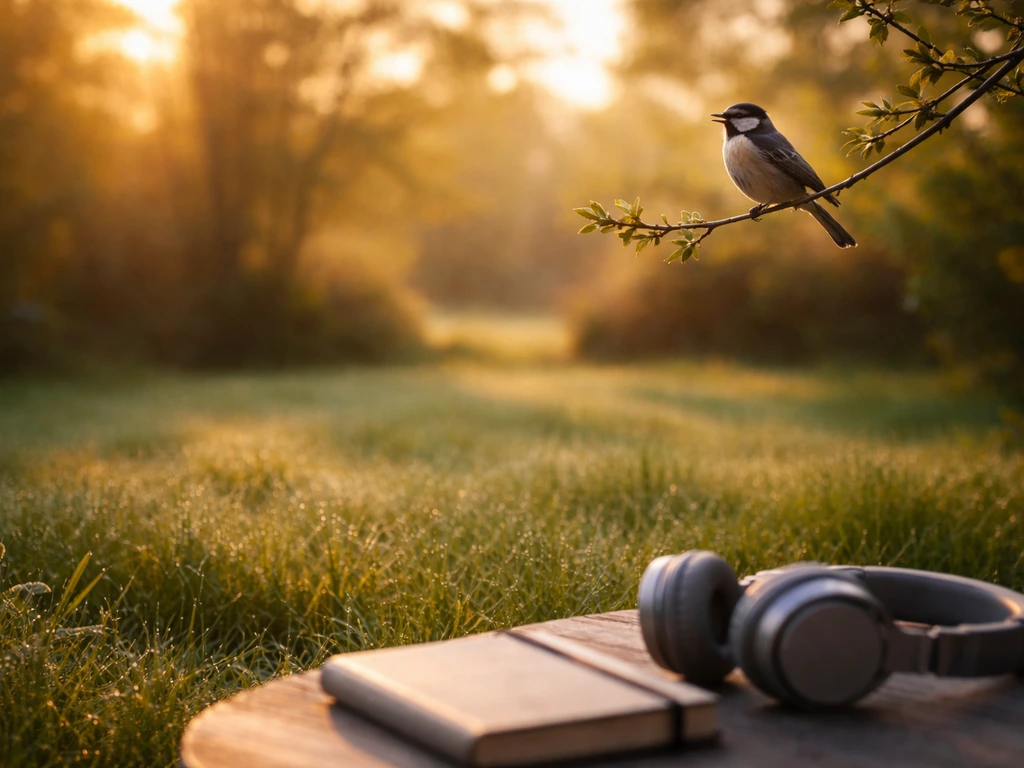
I know because I tried the wrong approach first. I opened an app, hit play on fifty different birds in one sitting, and retained exactly nothing. The moment I slowed down, picked one bird, and really drilled its song structure, things clicked fast. This guide is the method I wish I'd had on day one.
Getting started: pick the right species and goal

Resist the urge to learn everything at once. Your first goal should be simple: build a reliable mental library of five to ten birds you'll actually hear near your home, your local park, or wherever you do most of your birding. That constraint is what makes progress feel real instead of endless.
When choosing your starter species, use three filters. First, the bird should be genuinely common in your region (you'll hear it regularly, which means free practice). Second, its song should repeat often, meaning it sings the same phrase over and over rather than improvising constantly. Third, it should be distinctive enough that you won't confuse it easily with similar species right away. Audubon points out that some bird sounds are instantly recognizable while others are just too similar for beginners to use confidently for field ID. Start with the instantly recognizable ones.
Good beginner targets in North America include the American Robin, Northern Cardinal, Black-capped Chickadee, and White-throated Sparrow. All four tick the boxes: common, repetitive, and structurally distinctive. Once you nail a handful of those, you'll have a much better ear for tackling trickier species.
Before you start listening, set a goal that's specific. 'Learn bird songs' is too vague. 'Recognize the American Robin's song the moment I hear it in the field by next week' is something you can actually measure. That kind of target keeps you focused and makes it obvious when you've succeeded.
Sound training basics: learn structure, not just notes
This is the part most beginners skip, and it's why they plateau. Learning a bird song isn't like memorizing a melody note by note. It's more like learning a sentence: you need to understand how the sentence is built before it sticks. Bird songs have four main building blocks, and once you know what to listen for, recordings go from a wall of noise to something with recognizable shape.
- Rhythm: How fast or slow are the notes delivered? Is there a steady pulse, or does it speed up and slow down?
- Repetition: Does the bird sing the same phrase over and over, or does it vary between phrases?
- Pitch: Is the song rising, falling, or held flat? Pitch movement is often the easiest thing to notice first.
- Tone: Is the sound buzzy, clear and whistled, raspy, or nasal? Tone is like the 'color' of the voice.
The most practical way to put these together is to think in phrases, not notes. A phrase is a short, repeatable chunk of song with a pause before the next one. Many birds repeat the same phrase dozens of times in a row. When you listen, try to identify where one phrase ends and the next begins. Once you can hear the phrase boundary, you're learning the song structurally, and structural learning sticks.
Spectrograms are your secret weapon here. A spectrogram is a visual display of sound: time runs left to right, pitch runs bottom to top, and louder sounds show up darker. When you play a recording on All About Birds or the Macaulay Library, the spectrogram scrolls in real time as the audio plays. You can literally watch the song's phrases scroll past while you hear them. That simultaneous listen-and-look experience wires the structure into memory much faster than audio alone. The Macaulay Library now hosts nearly 2.4 million sound recordings, and almost all of them include a scrolling spectrogram view.
Pitch behavior is a great first thing to track on a spectrogram. Sound ID is designed to identify birds by sound and lets you watch the spectrogram as suggestions appear, so you can also note pitch and pattern as the bird sings Pitch behavior is a great first thing to track on a spectrogram.. A rising whistle looks like a line curving upward. A falling note dips down. A flat note runs horizontally. Before you can name a bird, you can describe its song: 'Two rising whistles, then a flat buzzy phrase, then two falling notes.' That description is a learning anchor you can return to.
Tools and sources: apps, recordings, and learning playlists
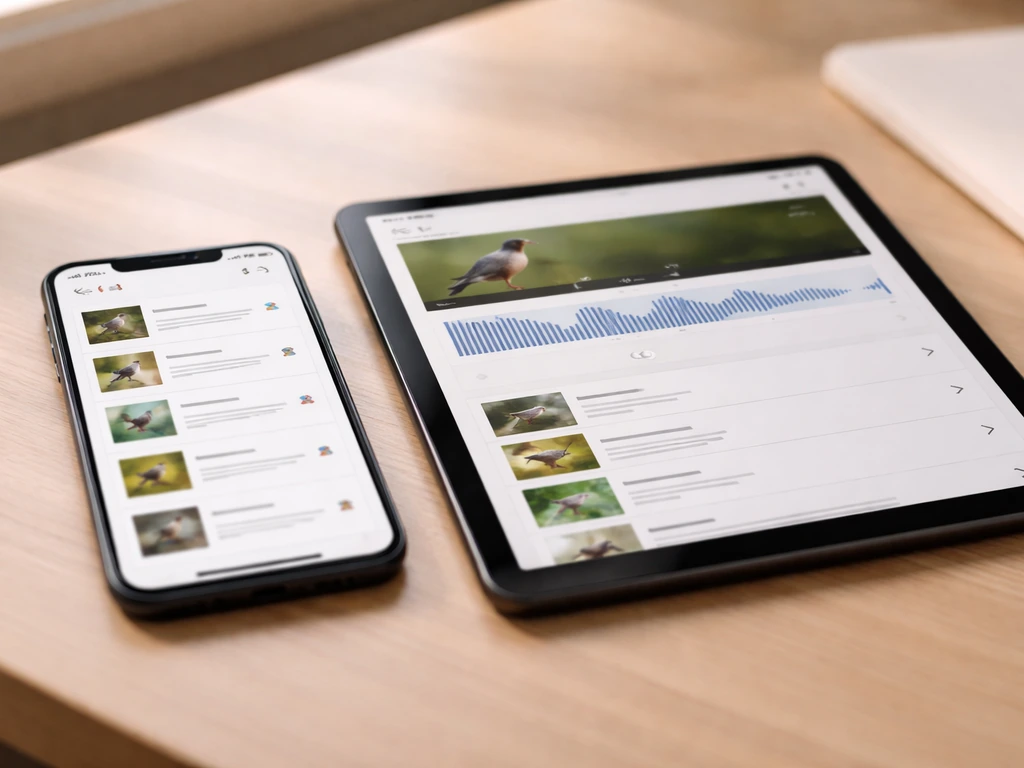
You don't need to pay for anything to get started. The free tools available right now are excellent, and most beginners use only a fraction of what they offer.
| Tool | What It's Best For | Key Feature |
|---|---|---|
| Merlin Bird ID (Cornell Lab) | Passive listening and real-time ID in the field | Sound ID feature identifies birds by ear using spectrogram patterns |
| All About Birds (Cornell Lab) | Learning song structure and spectrogram reading | Scrolling spectrograms synced to audio playback |
| Macaulay Library | Deep listening with multiple recordings per species | Nearly 2.4 million archived recordings with metadata filters |
| Audubon Bird Guide App | Beginner-friendly ID and sound library | Hundreds of North American vocalizations with descriptions |
| eBird | Finding recordings from specific regions | Filter Macaulay Library media by location, date, and species |
For each species you're learning, don't rely on a single recording. One recording might be a poor-quality capture, a bird singing from an unusual distance, or even a regional variant that sounds slightly different from what's in your backyard. Pull up at least three to five recordings of the same species from the Macaulay Library and listen to all of them back to back. You're training your brain to recognize the consistent phrase pattern, not one individual bird's performance.
Build a simple learning playlist for each target species. In practice, this just means bookmarking or favoriting three to five Macaulay Library recordings of that bird, so you can return to the same set every day during practice. Consistency matters more than variety at the start.
Merlin's Sound ID feature is genuinely impressive for real-time learning. Open it in the field, let it run, and it will display a live spectrogram with species names appearing as birds sing nearby. It's a great feedback loop: you hear something, Merlin names it, and you can immediately connect the sound to the species. Macaulay Library explains that Merlin Sound ID provides live predictions of who’s singing and that users can help improve the system. Just don't use it as a shortcut that replaces actual learning. It should complement your practice, not replace it.
Step-by-step practice routine
Consistency beats intensity every time. Twenty minutes a day, six days a week, will outperform a three-hour session on weekends. Here's a routine that actually works, built around the phrase-learning method.
Daily practice (15 to 20 minutes)
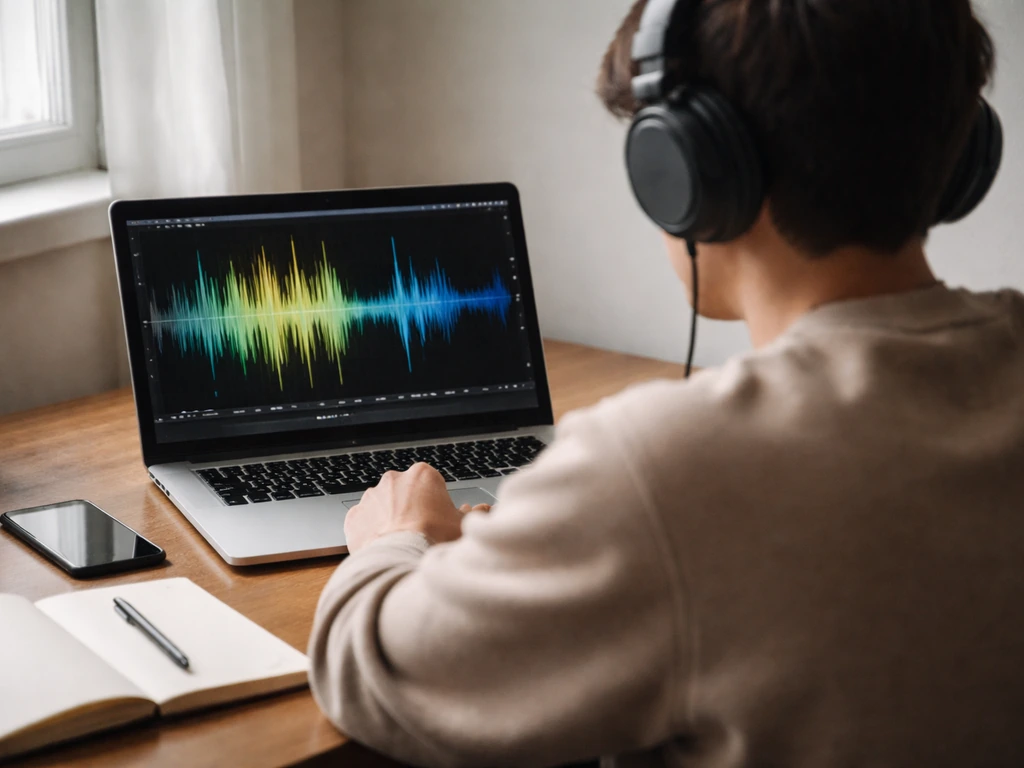
- Pick one target species and open your saved playlist of three to five recordings.
- Play the first recording while watching the spectrogram. Don't try to memorize yet. Just notice: where do the phrases start and stop? What's the pitch doing?
- Play it again and describe the song out loud or in your head using the four building blocks (rhythm, repetition, pitch, tone). Something like: 'Three rising whistles, pause, then a fast buzzy trill.'
- Play it a third time and try to hum or whistle along with the phrase structure. You don't need to be accurate, just approximate.
- Switch to the second recording of the same species. Notice what's the same and what's slightly different. Focus on what stays consistent across recordings: that consistent element is the reliable field cue.
- Spend the last five minutes with your eyes closed, playing recordings and testing whether you can predict the next phrase before it arrives. If you can, the structure is in your memory.
Weekly field practice (one or two sessions)
- Go out for 30 to 45 minutes in a spot where your target species is likely to be heard.
- Before you leave, review your phrase description one more time so it's fresh.
- In the field, listen actively. When you hear a song, try to match it to a phrase pattern before you look at your phone. The point is to train your ears to work independently.
- When you do hear your target bird, resist the urge to immediately play back a recording to attract it closer. Use recordings for your ears at home, not as a constant field tool. The American Birding Association's ethics code specifically recommends limiting playback in the field, especially in heavily visited areas.
- Log what you heard and whether you recognized it in real time. A simple note in your phone works fine.
Once you can consistently recognize one species in real time without any app assistance, add a second target species to your daily playlist. Repeat the whole cycle. Most people find that their second and third species come faster than the first, because they're now listening with structure in mind.
Common mistakes and how to troubleshoot
I've made almost all of these mistakes myself, so consider this a hard-won list.
Memorizing random notes instead of phrases
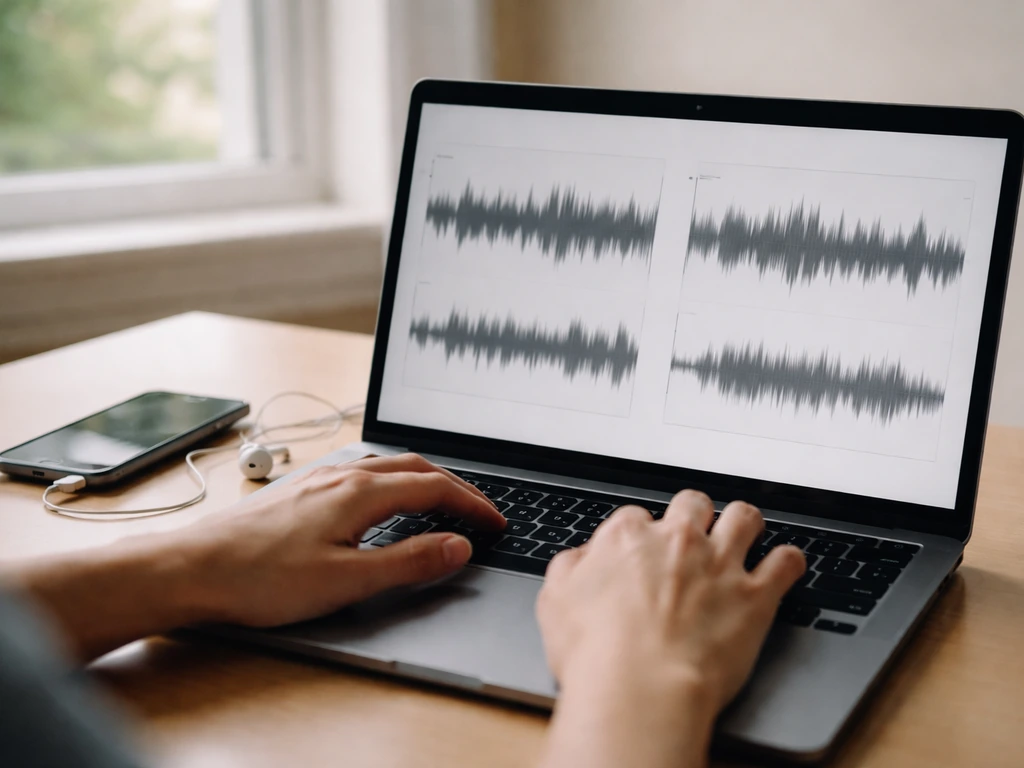
This is the most common mistake. You listen to a recording ten times and you can kind of hum the melody, but then in the field you can't recall it reliably. The fix is to force yourself to identify phrase boundaries using the spectrogram. Count the phrases. Name them. If you can't describe the phrase structure in plain words, you haven't learned the song yet, you've just heard it.
Relying on only one recording
One recording is one individual bird in one context. The real bird in your backyard might sing the same species' song slightly faster, at a different pitch, or with a regional variation. Always compare at least three recordings so your mental template is flexible enough to handle real-world variation.
Confusing similar-sounding species
Some birds really do sound alike, especially warblers. Audubon has published specific guidance on distinguishing sound-alike warblers using spectrogram comparisons, and the approach is worth adopting broadly. When you're stuck between two similar species, don't just listen harder. Pull both species up side by side in the Macaulay Library or All About Birds and look at their spectrograms together. Usually there's one structural difference (a pitch jump, a phrase that's slightly longer, a buzz versus a whistle) that becomes obvious visually even when it's hard to catch by ear alone. Train yourself to hear that one distinguishing feature, and the confusion usually goes away.
Inconsistent practice
Skipping a week and then doing a marathon session doesn't work for auditory memory. Bird song recognition is a perceptual skill, and perceptual skills build through repeated short exposures, not occasional long ones. If you genuinely can't fit 15 minutes, even five minutes of focused listening while commuting or making coffee is better than nothing. The key word is focused: passive background listening builds almost nothing.
Learning too many species at once
If you're adding a new target species every single day, you're not consolidating anything. Give each species at least three to five days of daily practice before adding the next one. When a species feels automatic, you're ready to move on.
Progress tracking: how to tell you're improving
The clearest sign of real progress is recognizing a bird's song in real time, in the field, before you even think about reaching for your phone. The clearest sign of real progress is recognizing a bird's song in real time, in the field, before you even think about reaching for your phone, and if you want help with the specific puzzle of figuring out bird calls from recordings, see how to figure out bird calls.
Use these same phrase and structure ideas to be a better birder by identifying bird songs in the field more confidently, even when you only catch a few seconds be a better birder how to identify bird songs. If you want a practical way to search bird calls from recordings you hear or collect, use a structured search workflow so you can compare phrases instead of guessing. That's the goal.
But there are smaller milestones worth tracking on the way there.
- Phrase prediction test: During your daily practice, can you predict the next phrase before it arrives in the recording? If yes, the structure is in memory.
- Spectrogram reading test: Cover the audio and look only at the spectrogram. Can you describe what the song will sound like before you play it? This tests whether you've connected the visual and auditory patterns.
- Same-species variant test: Play a recording of your target species you've never heard before (find a new Macaulay Library clip from a different location). Do you recognize it as the same species? If yes, your mental template is flexible and reliable.
- Real-time field recognition: Go out and note every time you recognize a species by ear before looking. Keep a simple tally. Watch that number grow week over week.
- Speed test: How quickly do you identify a species after the first phrase? Beginners often need to hear the whole song. As you improve, you'll catch it in the first two or three notes.
A simple notebook or notes app works perfectly for tracking. Write the date, the species you're working on, and which milestone you hit. Looking back over a month of notes is genuinely motivating, especially when progress feels slow day to day.
Audubon's Birding by Ear series is a great next step once you've built a solid base of ten or so species. It's designed specifically to bridge the gap between recording practice and real field identification, and it's structured as a learning pathway rather than a reference tool.
If you want to go deeper on specific skills like memorizing calls, searching archived recordings efficiently, or figuring out an unidentified song you heard in the field, those topics all pair naturally with what you've built here and are worth exploring once the basics feel solid. Once you have a solid base, you can use these same search skills to learn how to search bird calls you hear later searching archived recordings efficiently.
If you're looking for a practical path to how to memorize bird calls, start by drilling a few phrases every day until they feel automatic.
Give yourself permission to be slow at first. The first species is always the hardest. By your fifth or sixth bird, you'll start noticing that you're picking up new songs faster, that phrases are jumping out at you before you've consciously analyzed them, and that birding feels less like a guessing game and more like listening to a conversation you actually understand.
FAQ
Can I learn bird song without using spectrograms or apps?
You can, but only if you keep phrase structure as the unit. Pick one bird, watch the spectrogram scroll while you play, and practice describing the phrase boundary (for example, “two rising whistles, then a buzzy flat phrase”). If you only try to match the full song by ear, you will plateau faster because you are not learning the sentence-like chunks.
What should I do if the bird is hard to hear in the field?
For most beginners, the constraint is not hearing volume, it is phrase segmentation. If the bird is too quiet, use a recording first to learn the phrase map, then in the field focus on just one or two phrase positions (the first whistle pair, or the last ending buzz). Once you can spot those consistently, expand to the whole phrase sequence.
Is it okay to listen to recordings at higher speed to learn faster?
Slow down the playback instead of increasing repetition. Listen, then adjust speed until you can clearly identify where one phrase ends and the next begins, then return to normal speed. Faster audio can hide phrase boundaries, and you end up memorizing pitch blobs instead of the structure.
How can I tell if I’m truly memorizing the structure versus just recognizing it?
Add a short “retrieval check” at the start of each session. After opening your playlist, try to describe the phrase structure from memory (even in rough words), then play the recording to verify. This exposes whether you actually learned boundaries, not just recognition from the first listen.
Should I focus only on birds that are in my yard right now?
Yes, but do it selectively. Choose targets that are common year-round or predictable during your practice window, otherwise you will be training with recordings and rarely reinforcing in real conditions. A good rule is: if you cannot usually hear it in your area during the season, treat it as an occasional project, not a daily training species.
How should I use Merlin’s Sound ID without it replacing my learning?
Use Merlin only to get immediate feedback, then “close the loop” without it. After Merlin names the bird, practice for 2 to 3 minutes describing the phrases on a spectrogram from a recording, and later in the session try identifying the same bird without assistance. This prevents the app from becoming a crutch.
What are the real signs that I’m ready to move on to the next bird?
Track two things separately: (1) phrase recognition when you listen to a recording, and (2) phrase recognition in real time in the field. You are ready to add a second species when the first one is reliable under mild distractions (wind, distance, partial song), not only when conditions are perfect.
My target sounds like a similar bird, how do I break the tie?
If you get stuck between two similar species, compare spectrograms side by side and look for one structural discriminator you can say out loud, like “species A ends with a buzz, species B ends with a clear whistle” or “species B has a longer pause between phrase one and phrase two.” Your goal is one repeatable difference, not memorizing everything about both songs.
What should I do if I miss a few days of practice?
If you miss a day, don’t “catch up” with a long marathon. Resume with the shortest focused session you can manage (even 5 minutes), then do two phrase-focused replays before moving on. Perceptual skills recover quickly when you return to short, structured exposure.
What’s a practical 10-minute routine if I’m busy?
Practice doesn’t need to be long, it needs to be structured. Try this mini-cycle: listen to one recording, identify phrase boundaries, count phrases, then play again and aim for one specific internal landmark (like the third phrase). This keeps the session active rather than passive repetition.
Do I need to use only high-quality recordings?
Yes, but use a quality filter. Prefer recordings that clearly show repeatable phrase chunks, minimal overlapping birds, and a view that lets you see the phrase boundaries in time. If a recording has heavy interference, it can teach the wrong “sentence breaks” and slow your progress.
Will I learn faster if I can sing or hum the song myself?
It can help, but set an expectation. You’ll likely recognize the “headline” phrases first and only later nail the finer details. If your goal is field ID, prioritize the most distinctive phrase transitions and ending notes, because those are what usually come through in short real-world snippets.
What if I can recognize the bird at home, but not when I’m actually birding?
Start with the simplest “listening distance” target. If you cannot consistently identify the bird before reaching for your phone, you need more phrase cues in the workflow, such as spectrogram-based phrase counting at home and shorter, more frequent sessions in the field. Difficulty usually means your internal template is not yet stable enough for real-time conditions.
Next Article
How to Search Bird Calls: A Step by Step Guide
Step-by-step workflow to search bird calls by sound, species, and location, using smart keywords and filters.