National Bird Day falls on January 5 every year, a date that lines up with the end of Audubon's Christmas Bird Count. The holiday was launched in 2002 by the Avian Welfare Coalition and Born Free USA, with a focus on bird welfare and humane treatment. But you don't need a formal cause or a birding background to mark the day well. Whether you're planning something for your kids, your classroom, or just yourself, there's a celebration format here that fits your schedule, your space, and your experience level. Let's get you set up.
How to Celebrate National Bird Day: Easy Activities

Marcus Hendricks
20 Apr 2026
Quick planning: pick a theme, time, and audience
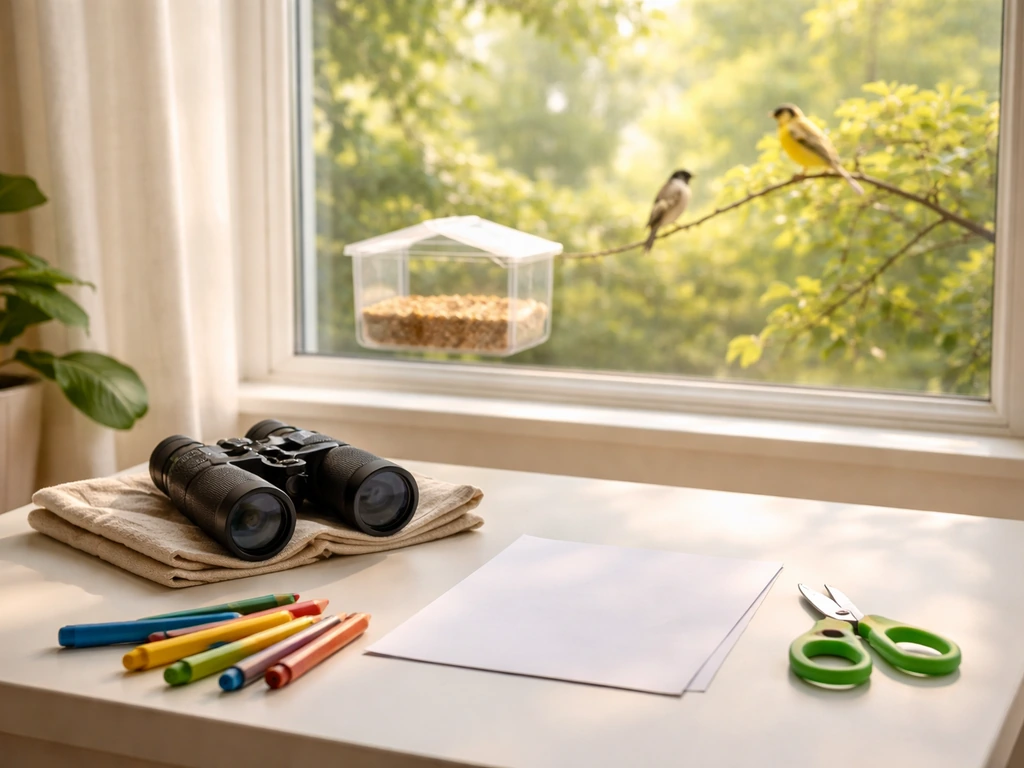
Before you dive into activity lists, spend five minutes making three decisions. They'll shape everything else and stop you from overcomplicating it.
- Pick your audience. Is this for young kids (ages 4 to 8), older kids or teens, adults only, or a mixed family group? Your audience determines how simple or detailed your activities need to be.
- Set a time block. A 1-hour celebration works great for toddlers and busy families. A 2 to 3-hour block suits school-age kids or adults who want to go deeper. A full-day theme works if you're planning a homeschool day or a party.
- Choose a theme to anchor everything. Good options: 'Birds in Your Backyard,' 'Birds Around the World,' 'Bird Sounds and Songs,' or 'Help the Birds' (focused on conservation and welfare, which ties back to the day's origins).
Once you have those three things, plug the activities below into your time block. You don't have to do all of them. Pick two or three that match your audience and theme, and you'll have a complete, satisfying celebration without burning out.
Easy bird-day activities at home
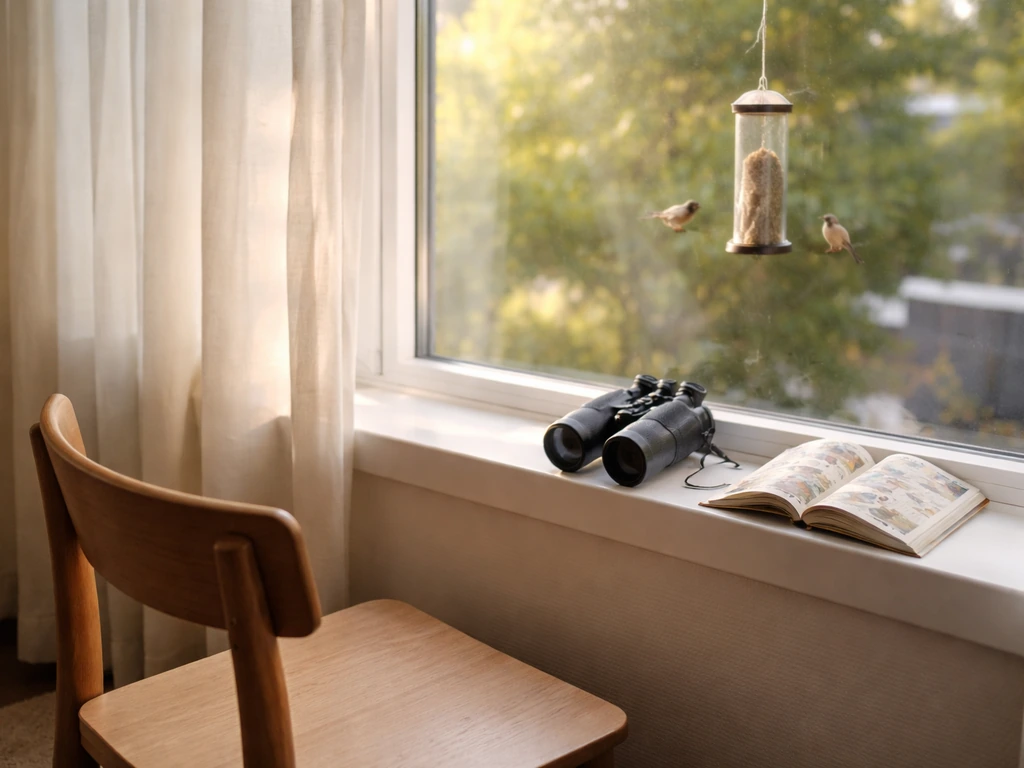
You don't need a yard, binoculars, or an ornithology degree to have a great Bird Day at home. These activities work in apartments, small spaces, and with zero bird experience. They're also genuinely fun, not just educational busy-work.
- Set up a window bird-watching station. Pull a chair up to your clearest window, scatter some birdseed on the sill or a nearby ledge (if allowed by your building), and just watch for 20 minutes. Keep a notepad nearby to tally how many different birds you spot.
- Make a bird-friendly snack station. Peanut butter spread on a pine cone and rolled in birdseed makes a simple feeder you can hang outside. Kids love making these, and they draw birds fast.
- Do a 'bird sounds breakfast.' Play bird call recordings through a speaker during breakfast and see who can guess the bird first. Free apps like Merlin Bird ID (by Cornell Lab) have a sound library built in.
- Read or watch something bird-related. Picture books like 'Birds of Every Color' work for little ones. Older kids and adults can queue up a short documentary or a YouTube channel focused on wild birds.
- Keep a one-day bird journal. Give everyone a small notebook to sketch or write about any birds they notice throughout the day, indoors or out. Revisit it at dinner and compare notes.
Bird watching basics for beginners
If you've never done a bird-watching session before, here's the honest truth: it's mostly about slowing down and paying attention. You don't need expensive gear. A pair of basic 8x42 binoculars (around $30 to $50 for a decent starter pair) helps, but your eyes alone work fine for a first session.
What to prepare before you head out
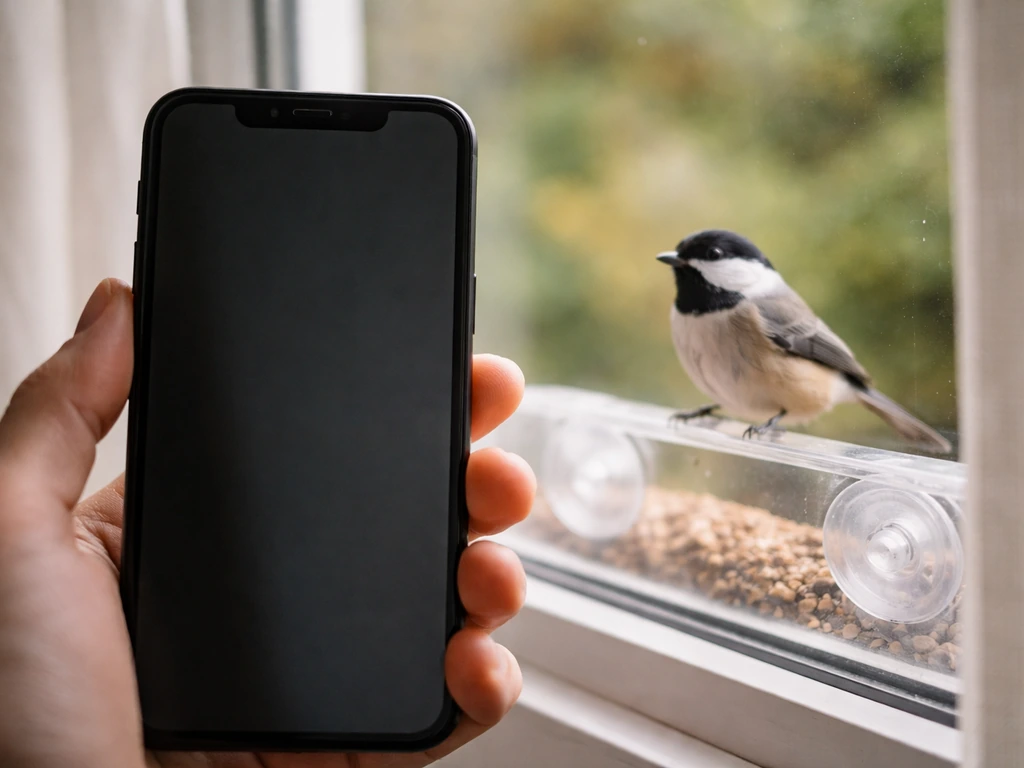
- Download a free bird ID app. Merlin Bird ID from Cornell Lab is the best free option. It can identify birds by photo or by sound, and it has region-specific checklists so you know what to expect in your area.
- Dress in neutral, muted colors. Bright clothing startles birds. Stick to greens, browns, grays, or navy.
- Bring a small notepad or use your phone's notes app. Jot down colors, size (is it sparrow-sized or crow-sized?), and any behavior you notice.
- Pick your location. A local park, a nature trail, your backyard, or even a cemetery with old trees all work well. You're looking for spots with some vegetation, water nearby if possible, and minimal foot traffic noise.
How to actually spot and observe birds
- Stand still and listen first. Before you scan with your eyes, stop for 60 seconds and just listen. You'll hear birds before you see them almost every time.
- Look at edges. Birds hang out at the edges of habitats: where lawn meets shrubs, where water meets reeds, where trees meet open sky. Don't stare into dense foliage expecting to see movement.
- Move slowly. Take a few steps, pause, look around, listen. Repeat. Fast walking flushes birds away.
- Use the 'pishing' trick (optional). Making a soft 'pish pish pish' sound with your lips can draw curious small birds closer. I've had warblers pop out of bushes to investigate. It feels silly but it works.
- Identify by shape first, then color. Silhouette and body shape are easier to recognize at a distance than color. Is it stocky or slender? Long-tailed or short-tailed? Does it hop or walk?
For anyone curious about going deeper into bird measurement and observation, things like wingspan and body length are actually useful for ID work and tie into some great hands-on learning activities. Topics like how to measure bird length or how to measure a bird's wingspan are worth exploring once you've had your first few sessions and want to get more systematic.
Using bird sounds and recordings for learning
Bird sounds are one of the most overlooked and most powerful learning tools available, especially for beginners who feel intimidated by visual ID. Here's how to use them well. For deeper bird learning, you can also explore bird reproduction method basics like nesting and mating behaviors. Bird breeding tips can also help you understand nesting and mating behavior more practically.
Start with three calls, not thirty
Pick three common birds in your region and learn just their calls. For most of North America, good starter birds are the American Robin, Black-capped Chickadee, and American Crow. Pull up their calls on Merlin or the Cornell Lab's All About Birds website (allaboutbirds.org has free recordings), and listen to each one five times in a row. Then close your eyes and try to recall the sound. Do this a few days in a row and those three songs will stick permanently.
Try a live sound session outdoors
- Go outside (or open a window) in the early morning, ideally between 6 and 9 a.m. Bird activity peaks then.
- Open Merlin's Sound ID feature. Hold your phone up quietly and let it listen. It identifies birds in real time and logs a list.
- After 10 minutes, look at the list it built. Pick one bird from the list, play its call in the app, and then try to hear it live in the environment around you.
- Repeat with a second bird. That's a full, productive session.
Make it a family game
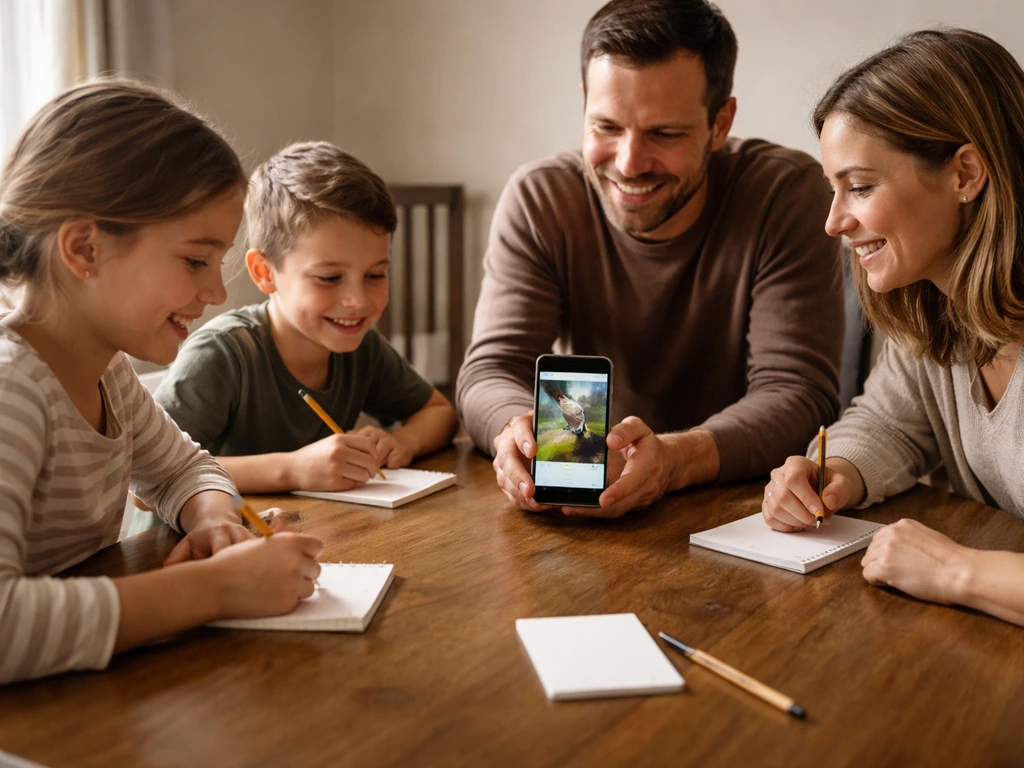
Play a bird-call quiz at home. One person plays a recording, everyone else writes down their guess. Even adults who've never birded before start picking up patterns within 20 minutes. It's genuinely competitive and fun. You can also compare calls from birds in different countries to stretch the conversation into geography and habitat.
Make-and-do bird crafts and DIY projects
Crafts land best when they connect back to something real about birds, not just cut-and-paste feathers. These ideas are kid-safe, low-cost, and genuinely educational.
- DIY pine cone bird feeder: Roll a pine cone in peanut butter, then in birdseed. Tie a piece of twine to hang it outside. Kids as young as 3 can do this with minimal help, and it works. Birds show up within a day or two.
- Paper bag bird puppet: Brown paper bags become owls, cardinals, or any bird you like with construction paper, markers, and a few craft feathers. Use a field guide or app to copy a real bird's markings. This works for ages 4 and up.
- Bird nest building challenge: Give everyone a pile of natural materials (twigs, dry grass, leaves, scraps of string) and challenge them to build a nest strong enough to hold a small egg-shaped object. Then talk about how different birds actually build their nests. Weaver birds, for example, tie knots. It's mind-blowing to kids.
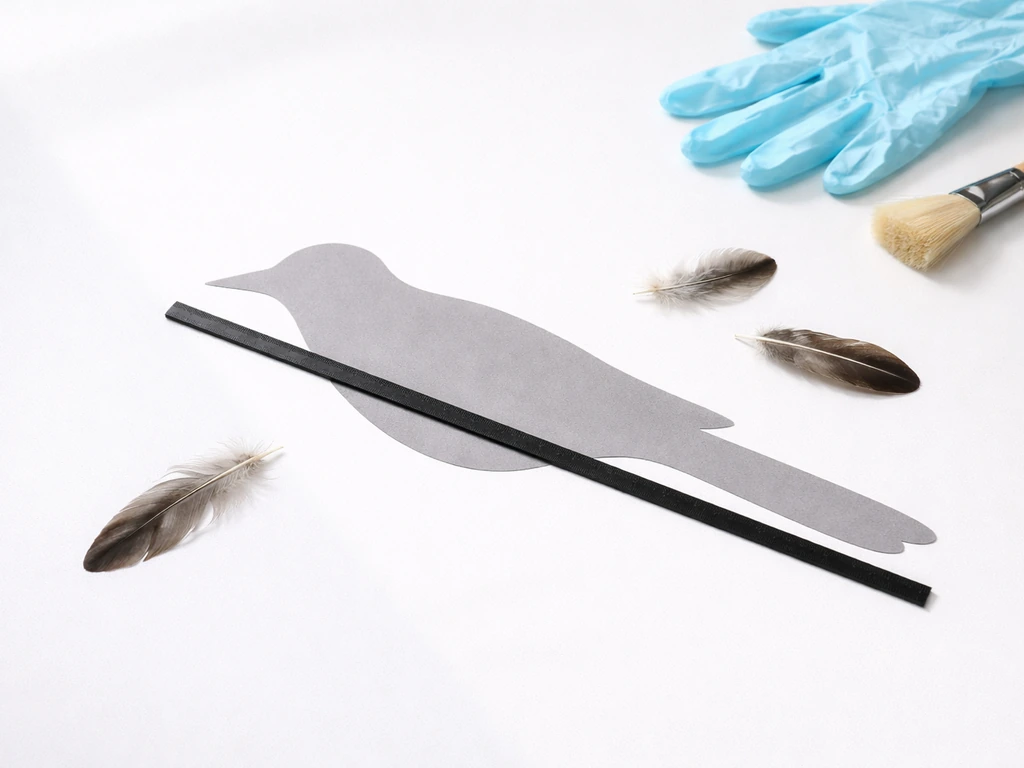
- Bird silhouette art: Print or trace a bird silhouette onto black cardstock. Cut it out and mount it on a watercolor-painted background. Simple, beautiful, and a great starting point for talking about bird shapes and ID by silhouette.
- Egg decorating (optional seasonal tie-in): Decorate hard-boiled eggs to look like real bird eggs, complete with speckles and camouflage patterns. Use a field guide to pick a real species and try to match the pattern. It's a sneaky way to teach about bird reproduction and nesting strategy.
A note on safety: keep craft scissors age-appropriate, supervise younger kids with any sharp tools, and double-check that any peanut butter used for feeders won't conflict with allergies if this is a group setting.
Bird-related learning and games
You don't need expertise to run these. They're designed to create curiosity, not test knowledge.
Backyard bird scavenger hunt
Create a simple checklist of things to find or observe outdoors or through a window. The goal isn't to check off every item but to get people looking actively. Here's a ready-to-use list:
- Spot a bird flying
- Hear a bird call and describe it (high? low? musical? raspy?)
- Find a feather on the ground
- See a bird eating or foraging
- Spot a bird perched on something man-made (fence, wire, building)
- Find evidence of a bird (nest, hole in a tree, scratched soil)
- See two different bird species in the same area
- Watch a bird for 60 full seconds without it flying away
Bird trivia quiz (no prep needed)
Run a quick quiz around the table or on paper. Here are ten starter questions you can use right now:
| Question | Answer |
|---|---|
| What is the only bird that can fly backwards? | Hummingbird |
| How many species of birds exist worldwide (roughly)? | About 10,000 |
| What do you call a group of crows? | A murder |
| Which bird has the largest wingspan of any living bird? | Wandering Albatross (up to 11.5 feet / 3.5 meters) |
| What bird is the symbol of the United States? | Bald Eagle |
| Which bird lays the largest egg relative to its body size? | Kiwi |
| What is the term for birds that are active at night? | Nocturnal |
| Do all birds build nests? | No (some lay eggs on bare ground or use other birds' nests) |
| What is the study of birds called? | Ornithology |
| Which sense do most birds rely on most for finding food? | Vision (most birds have exceptional eyesight) |
Bird bingo
Print or draw simple 4x4 bingo cards with bird names or bird silhouettes in each square. Call out bird facts or play recordings instead of names. The first person to match a sound to their card wins. This works for all ages and keeps kids engaged during a longer bird-watching session outside.
Bird safety, ethics, and accessibility
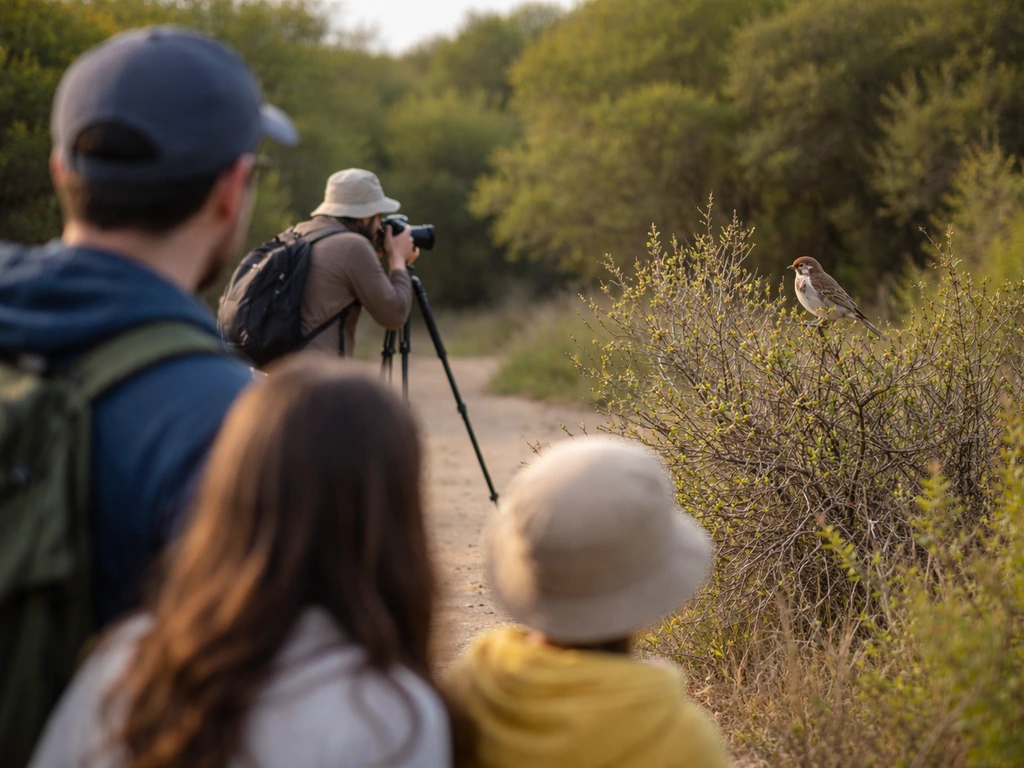
This is the part people skip, and it's actually the most important. National Bird Day grew out of a concern for bird welfare, so it's worth spending a few minutes here.
What not to do around wild birds
- Don't approach a nest with eggs or chicks. Parent birds often abandon nests if they feel threatened, and in many countries disturbing active nests is illegal.
- Don't pick up a bird unless it's clearly injured and you have no other option. Even then, contact a licensed wildlife rehabilitator rather than trying to care for it yourself.
- Don't use bread as bird food. It has almost no nutritional value for birds and can cause a condition called 'angel wing' in waterfowl when fed regularly.
- Don't use sticky or glue-based traps anywhere near bird activity. They cause suffering and death.
- Don't play recorded bird calls repeatedly at high volume near active habitat during breeding season. It can disrupt territorial behavior and stress birds unnecessarily.
- Don't let children chase or corner birds, even 'friendly' pigeons or ducks. It's stressful for the bird even when the child means well.
Respectful observation practices
- Keep a distance of at least 10 to 15 feet from any bird you're watching unless it approaches you.
- If a bird is showing distress behaviors (alarm calls, spreading wings, bobbing aggressively), back away immediately.
- Stay on trails and paths when birding in protected areas. Trampling vegetation destroys habitat and nesting sites.
- Report any injured or sick birds to a local wildlife rehabilitator or humane society rather than handling them yourself.
Options for limited mobility or no outdoor access
National Bird Day is fully accessible from indoors. Window birding is genuinely productive, especially in areas with trees or feeders nearby. If you're in an apartment with no outdoor access, a live bird feeder webcam (Cornell Lab's FeederWatch cam, for example, streams year-round) lets you observe real wild birds in real time from any screen. Bird sound apps and online quizzes require nothing but a device. Virtual bird walks hosted by Audubon Society chapters and nature centers happen regularly, and many are free. The whole day can be celebrated beautifully without leaving the couch, which makes it one of the most accessible nature holidays there is.
Your ready-to-run celebration plan
Here's a simple 2-hour schedule you can run today with minimal prep. Adjust the timing and activities based on your audience.
| Time Block | Activity | Notes |
|---|---|---|
| 0:00 to 0:20 | Bird sounds breakfast or indoor quiz | Use Merlin app or play recordings from a speaker |
| 0:20 to 0:50 | Beginner bird-watching session | Backyard, local park, or window watch with notepad |
| 0:50 to 1:20 | Make a pine cone bird feeder or nest challenge | All ages; prep materials in advance |
| 1:20 to 1:40 | Scavenger hunt or bird bingo | Use the checklist or bingo cards from this guide |
| 1:40 to 2:00 | Bird trivia quiz and wrap-up | Use the table above; celebrate everyone's finds |
That's it. You now have a complete, practical Bird Day celebration you can run with no birding background, minimal supplies, and whatever time you have. Start small, stay curious, and don't stress about identifying every bird perfectly. The point is to slow down and notice them at all. Once you do, it's genuinely hard to stop. Breeding or feeding ducks bread can contribute to unhealthy conditions, which is why Audubon advises against feeding bread to waterfowl.
FAQ
What are three fast activities if I only have 30 to 45 minutes?
Do a short window birding round (10 minutes), run a bird-call quiz with 3 recordings (15 to 20 minutes), then end with a quick bingo game using 1 page of 4x4 cards (10 to 15 minutes). This keeps momentum without needing craft time or advanced equipment.
If I do not know any birds in my area, how do I choose birds for the bird-call listening activity?
Pick the most visible birds near your home, like ones you see at feeders or common birds heard repeatedly. If you have no feeder birds yet, choose locally common species from your region’s bird guide and stick to just 3 calls so you do not overload yourself.
How can I make bird-watching more successful indoors (apartment or no yard)?
Place a phone or tablet near a window, use simple daylight timing (mid-morning or late afternoon), and look for movement patterns first, then turn to listening. If you have no feeders, focus on silhouettes against the light and keep a small note of what times birds appear.
Do I need binoculars to participate, and what should I do if I borrow or already have a pair?
No. Your eyes can work for a first session. If you use binoculars, set them at eye level, adjust one side at a time, and practice focusing on one stationary object (tree branch or window frame) before scanning for birds to avoid frustration.
How do I prevent kids from getting discouraged if they cannot identify birds?
Shift the goal from species names to micro-observations, like “What color was the belly?” “Did it hop or fly?” “Was the beak pointy or curved?” Add one small win rule, for example, each child must record at least one sound or behavior, not an exact ID.
What if I do not have access to recordings or an internet device for bird-call activities?
Use any available source you already have, like a local nature center event video, a teacher-provided library, or even your own voice describing the sound pattern you heard outside. If you truly have no audio, run a “silhouette matching” game using printed pictures and observations from the window instead.
How should I handle allergy concerns during feeder or craft activities?
If you are making feeders, offer a non-food craft alternative for anyone with allergies, like bird-safe paper feeders without edible contents. For group settings, confirm who has peanut or nut allergies in advance, and avoid cross-contamination by using separate utensils and containers.
Is window birding enough to count as participation, and how long should I do it?
Yes, window birding is a legitimate celebration and often more productive than people expect. Try a focused 15 to 20 minute session, then repeat once later in the day. Consistency matters more than duration.
What should I do if birds are not showing up during my outdoor or window session?
Try a different time window, increase patience by staying still and quiet for at least 5 minutes, and check nearby attractors like water sources or existing feeders if you already have them. If nothing appears, switch to an indoor activity like bird-call recall or bingo so the event does not stall.
How do I keep the schedule realistic for multiple age groups?
Run one shared “anchor” activity, like bingo or bird-call quiz, and then rotate optional stations for older kids and adults. Keep younger kids on shorter rounds (5 to 10 minutes) and let everyone share what they noticed at the end of each round.
How can I incorporate bird welfare themes without turning it into a lecture?
Use a short, practical conversation tied to what they did, such as “How should feeders be cleaned?” or “Why do we avoid disturbing nests?” Keep it to one or two points and connect it directly to an action you take during your celebration.
Next Article
How to Measure Bird Length: Head-to-Tail Guide
Step-by-step how to measure bird length head to tail, with tools, live-photo tips, and common mistakes to avoid.