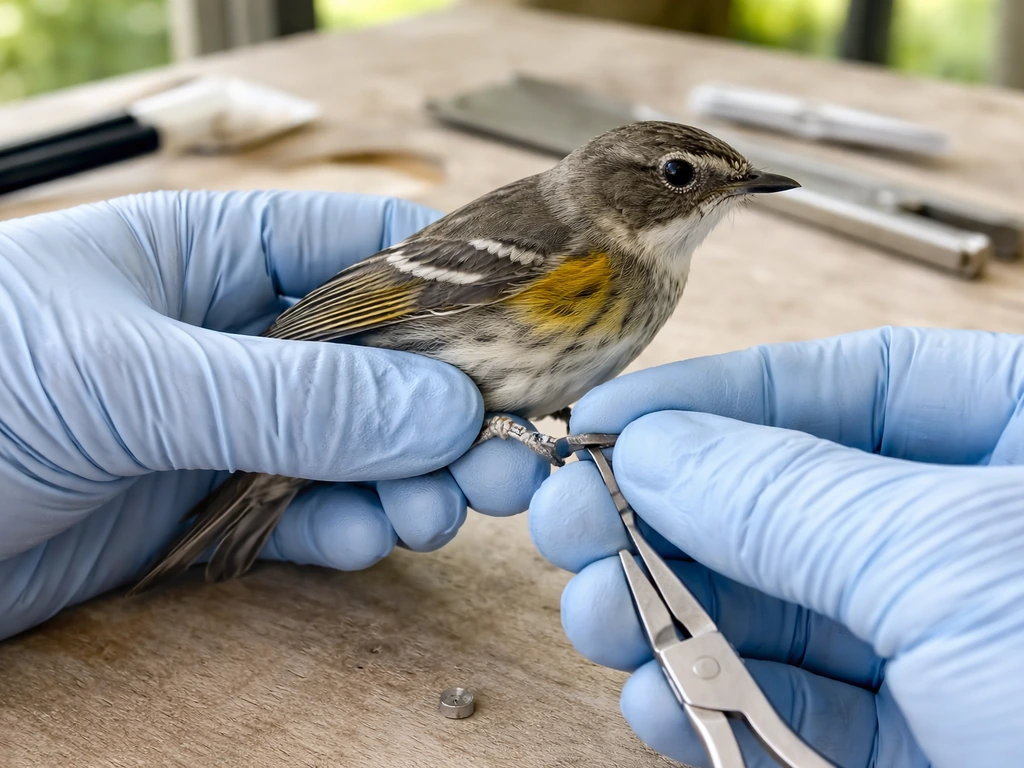
"Apply for bird" means different things depending on what you're actually trying to do, and getting that straight first saves you a lot of wasted effort. Most people searching this are either trying to adopt a bird from a rescue, apply for a wildlife rehabilitation permit (so they can legally care for injured wild birds), or apply for a volunteer or bird-handling role with an organization. Each path has its own forms, fees, and steps, but none of them are as complicated as they look. Here's how to figure out which one you need and exactly what to do next.
How to Apply for a Bird: Roles, Permits, or Adoption
Marcus Hendricks
19 May 2026
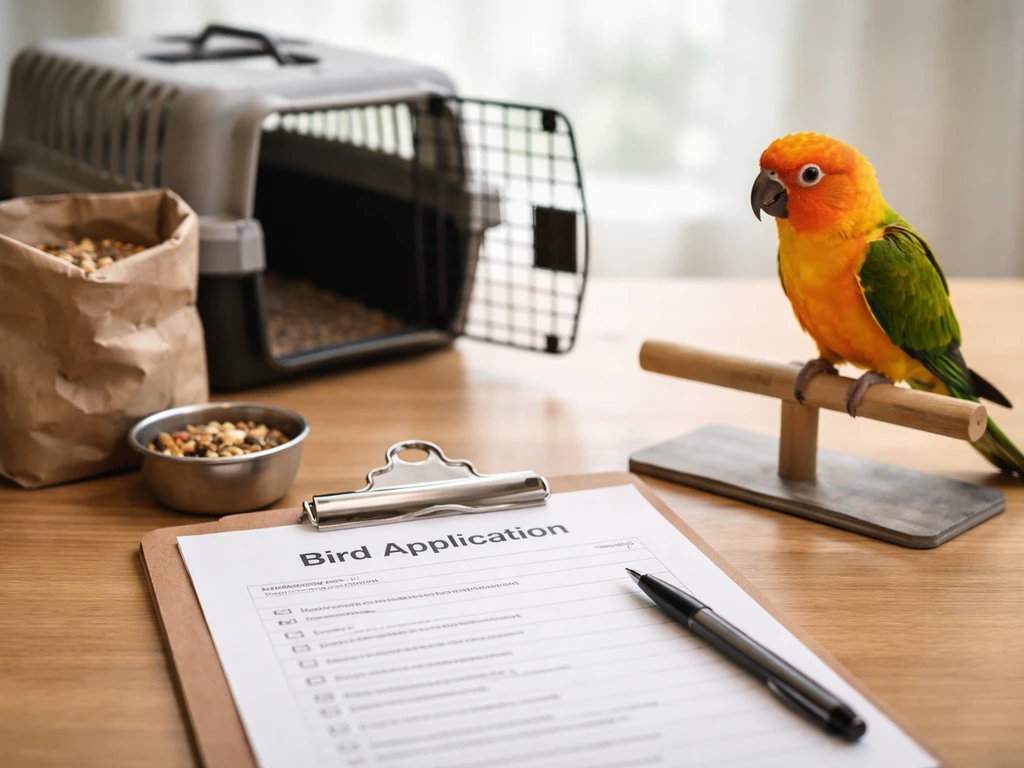
Figure Out Which "Bird Application" You Actually Need
Before you fill out a single form, get clear on which category you're in. Mixing these up is the number one reason people waste time on the wrong process.
| What You Want to Do | What It's Called | Who Handles It |
|---|---|---|
| Bring a rescue bird home as a pet | Bird adoption application | Local bird rescue or humane society |
| Legally care for injured wild birds | Wildlife rehabilitation permit/license | Your state DNR/wildlife agency (plus sometimes USFWS) |
| Volunteer or work with birds at an org | Volunteer/staff application | The specific organization or sanctuary |
| Handle or study migratory birds | Migratory bird permit | U.S. Fish & Wildlife Service (USFWS) |
If you want to keep a native wild bird or help rehabilitate injured birds, you're in permit territory. Every state requires a wildlife rehabilitation permit for this, and some birds (migratory species protected under the Migratory Bird Treaty Act) require a federal permit on top of the state one. If you just want a pet parrot or cockatiel from a rescue, you're doing an adoption application, which is a much simpler process. And if you want to band birds or get formal training in bird handling, that's closer to getting into a volunteer or permit program, which overlaps with topics like getting into bird banding or becoming a bird ringer.
Step-by-Step: How to Apply (By Path)
Path 1: Adopting a Bird from a Rescue
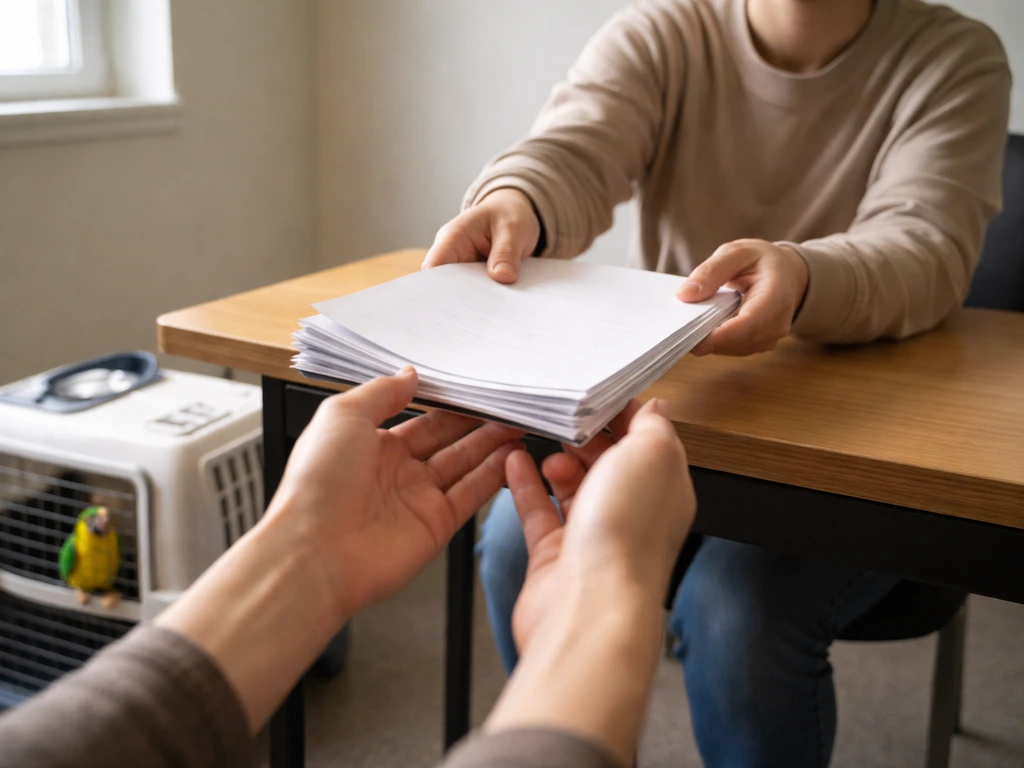
- Find a reputable bird rescue near you. Search for parrot rescues, avian sanctuaries, or your local humane society. Organizations like Beak n Wings, Parrots First, Ziggy's Haven Bird Sanctuary, and the Humane Society of Fairfax County all have online adoption portals.
- Attend a required bird care class. Many rescues require this before they'll even look at your application. Beak n Wings requires a Basic Bird Care 101 class, and Parrots First has the same policy. Don't skip this step thinking you can charm your way through, because you genuinely cannot.
- Fill out the adoption application. Most rescues now have an online form. You'll answer questions about your living situation, experience with birds, what types of birds you're interested in, and your household. The Humane Society of Fairfax County, for example, asks about your vet history for any current or past pets, so have that info ready.
- Wait for a home visit. Almost every reputable bird rescue requires an in-home visit before placing a bird. A volunteer will contact you to schedule it. Parrots First specifies that the visit does not guarantee you'll receive a bird, so treat it as part of the screening, not the finish line.
- Complete a probationary period. Most rescues place birds on a trial adoption. Parrots First does several follow-up visits during this window. This is normal and actually a good sign that the organization cares about the bird's welfare.
Path 2: Getting a Wildlife Rehabilitation Permit
- Go to your state's Department of Natural Resources (DNR) or wildlife agency website and find the wildlife rehabilitation permit section. Every state has one, though the name varies slightly.
- Check if your state requires an exam first. Massachusetts requires passing a wildlife rehabilitation permit exam with a score of at least 80% before you can even submit an application. Download their Wildlife Rehabilitation Permit Information Package and study guide before anything else.
- Download or access the application form. In Michigan, it's form PR 9129-1 (Wildlife Rehabilitation Application and Permit). In Maryland, there's a downloadable paper application form. Iowa's DNR walks you through a structured online process.
- Complete the application with your personal information, your proposed permit location, and details about anyone who will be assisting you at your facility. Iowa specifically requires this info for everyone helping at your permit address.
- Submit your application and wait for a facility inspection. In Michigan, after your application is received, DNR Law Enforcement requests an inspection of your facility. Don't apply until your space is genuinely ready for this.
- For migratory birds, apply for a federal permit through USFWS. Go to the USFWS Migratory Bird Permit page and look for 'Permit Types (Apply Online).' The base federal application form is Form 3-200 (Federal Fish and Wildlife License/Permit Application). New York State's DEC explicitly flags this: if you want to rehab migratory birds, you need both the state license and a USFWS migratory bird rehabilitation permit.
Path 3: Volunteer or Bird-Handling Role
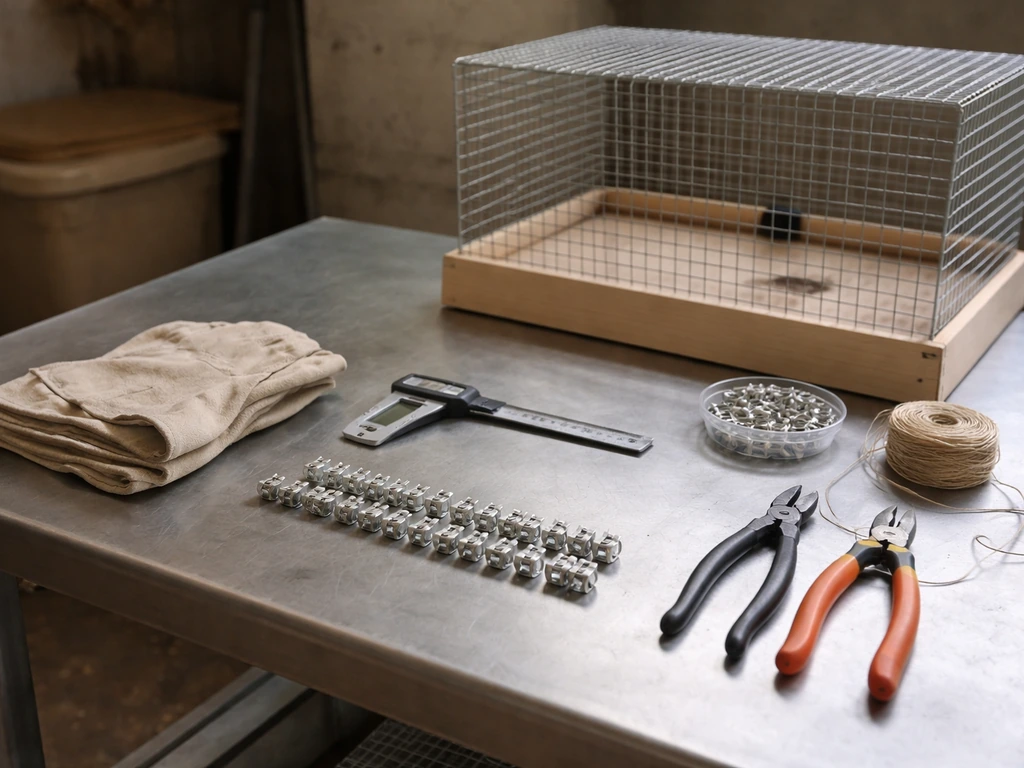
For volunteer positions at rescues, sanctuaries, or banding stations, the application process is usually handled directly through the organization's website or by contacting them by email. Look for a 'Get Involved' or 'Volunteer' page. Many organizations require the same bird care class and home visit as adoption applicants, since volunteers often handle birds directly. If you're aiming for something more formal like bird banding or becoming a licensed bird ringer, those paths involve additional training and endorsements beyond a standard volunteer application. If your real goal is how to become a bird flyer, you'll need to choose the right pathway and complete the training and approvals that match your situation.
Eligibility, Deadlines, and Common Disqualifiers
For Bird Adoption
- You must be at least 18 years old. Beak n Wings states this explicitly, and most rescues follow the same rule.
- Geographic limits apply. Parrots First only adopts to people within Los Angeles, Orange, parts of Santa Barbara, Riverside, and San Diego Counties. Always check your rescue's service area before investing time in the process.
- Failing to attend the required bird care class is an automatic hold on your application.
- A home visit that raises concerns (unsafe cage setup, inappropriate space, signs of neglect for other pets) can result in denial.
- Providing false information on the application is an immediate disqualifier at every organization.
For Wildlife Rehabilitation Permits
- Failing the state exam (where required) blocks your application until you retake and pass it. In Massachusetts, you need at least 80%.
- Not having an adequate facility or housing setup will result in failing the inspection, which is a required step in states like Michigan.
- Apprentice permits typically require a sponsoring licensed rehabilitator. Maryland's application form includes a section specifically for documenting this sponsorship.
- Permit classes matter. Iowa distinguishes between Apprentice and General class applicants, and you can't jump straight to General without meeting the experience threshold.
- Federal permits for migratory birds are separate from state permits. Many applicants get their state permit and then discover they're missing the USFWS authorization for the species they want to work with.
There are usually no fixed annual deadlines for wildlife permit applications (you can apply year-round in most states), but rescues sometimes pause adoptions during high-intake seasons or when they're full. Check the organization's current status before you start.
Cost, Processing Time, and Tracking Your Application

| Application Type | Typical Cost | Processing Time | How to Track |
|---|---|---|---|
| Bird adoption (small bird, humane society) | $35 (or $50 with cage) | Days to a few weeks depending on home visit scheduling | Contact the rescue directly; most follow up by email or phone |
| Bird adoption (parrot rescue) | Varies by organization and species; often $50-$300+ | 2-6 weeks including class, application review, and home visit | Email or call the rescue after submitting; many provide a confirmation |
| State wildlife rehab permit | Varies by state; often $25-$75 for the application or exam fee | 4-12 weeks including inspection | Contact your state DNR wildlife division; some have online portal tracking |
| USFWS migratory bird permit (federal) | Varies by permit type; check current USFWS fee schedule | Several weeks to a few months | USFWS's online permit system allows status checks after submission |
Adoption fees at humane societies are generally very affordable. The Humane Society of Fairfax County charges $35 for a small bird and $50 if a cage is included. Parrot rescues vary widely because larger birds require more care investment. For permits, the bigger time cost is usually the exam prep and facility setup, not the application fee itself.
What to Write and Submit
For Adoption Applications
Rescue application forms usually ask about your experience with birds, your living situation (own vs. rent, landlord permission for pets), your household members and other animals, how much time you can dedicate daily, and your vet contact information. Be honest and specific. If you've never owned a bird before, say so and explain what preparation you've done instead, like completing the care class or doing research. Rescues aren't looking for experts; they're looking for people who are informed and committed. Vague answers like 'I love birds' won't help you.
For Wildlife Rehabilitation Permit Applications
State applications ask for your personal and contact details, your permit location address, information about your facility setup (caging, housing conditions), and the names and roles of anyone who will assist you. Some applications ask for details about your training, any certifications you hold, and who your sponsoring licensed rehabilitator is if you're applying as an apprentice. Accuracy here matters a lot because your facility will be physically inspected against what you wrote. Write down exactly what you have, not what you plan to build.
For Federal USFWS Permits
Federal Form 3-200 asks for your purpose, the species you intend to work with, your qualifications, and your facility information. Some USFWS permit types also require a statement of need and supporting documentation like proof of state permits or training records. Follow the instructions for your specific permit type exactly, since USFWS handles many different permit categories under the migratory bird program and each has slightly different requirements.
Get This Ready Before You Apply
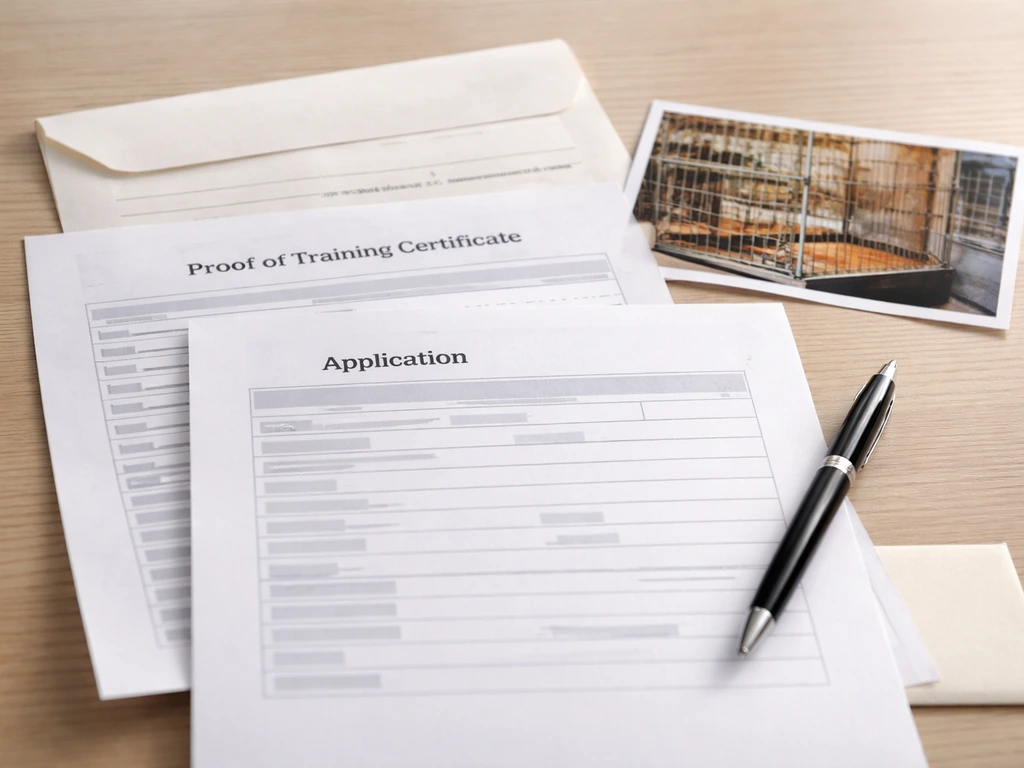
Rushing an application is one of the most common ways to slow yourself down. Here's what to have in hand before you open any form.
- Proof of bird care class completion (certificate or confirmation email from the rescue or training org)
- Your current vet's name and contact info, and vet history for any pets you currently own or have owned recently
- Your home address and confirmation that you're allowed to have a bird there (rental agreement or landlord letter if renting)
- Names and contact info of all household members (some rescues ask everyone to sign off)
- For rehab permits: photos or a written description of your facility/housing setup
- For rehab permits: your sponsoring rehabilitator's name and license number if applying as an apprentice
- For USFWS permits: a copy of your state permit (federal applications often ask for this)
- A list of the bird species you're applying to work with or adopt, since this affects which permit types or forms apply
After You Apply: What Happens Next
For Adoption
After submitting an adoption application, expect a confirmation email or call within a few days. The rescue will review your application and, if it looks good, schedule a home visit. This isn't a surprise inspection; you'll coordinate a time that works. They're checking that your space is safe and appropriate for a bird, that your cage setup is reasonable, and that everyone in the household is genuinely on board. After a successful home visit, you'll be matched with an available bird and enter a probationary adoption period. During this phase, the rescue may check in by phone or do follow-up visits (Parrots First, for example, does several). If things go well, the adoption is finalized.
For Wildlife Rehabilitation Permits
After your state application is submitted, the agency will review it and schedule a facility inspection. In Michigan, this is requested through DNR Law Enforcement. The inspector checks that your housing meets requirements for the species you're applying to work with. In New York State, the DEC process includes an interview before the final license application is even issued. If you pass the inspection and interview, your permit is issued, often with conditions or species restrictions listed. Federal USFWS permit review timelines vary but can take several weeks to a few months, so apply well before you need to start working with birds.
If You're Denied or Rejected
Don't panic if your first application doesn't go through. For adoptions, ask the rescue specifically what they'd like to see changed. Sometimes it's as simple as upgrading a cage or getting a letter from your landlord. They want to place birds, not block good homes. For permits, denials usually come with written reasons. Address each one specifically and reapply. If a facility inspection fails, fix the issues noted and request a re-inspection. For federal permit denials, USFWS provides appeal procedures in their permit regulations, and you can request reconsideration in writing. The important thing is to ask for specific feedback rather than just resubmitting the same application and hoping for a different result.
Your Quick Pre-Application Checklist
- Decide which type of application you need: adoption, state rehab permit, federal migratory bird permit, or volunteer role.
- Identify the right organization or agency (local rescue, state DNR, or USFWS) and find their current application page.
- Complete any mandatory prerequisites, like a bird care class or state exam, before touching the application form.
- Gather your documents: vet info, housing proof, facility description, sponsoring rehabilitator details if applicable.
- Fill out the form carefully and honestly, being specific about your experience, setup, and intentions.
- Submit and confirm receipt, then follow up if you haven't heard back within 1-2 weeks.
- Prepare for the home visit or facility inspection by having your space genuinely ready, not just 'almost ready.'
- Ask for feedback immediately if you're denied, and address each point before reapplying.
FAQ
What do I say when someone asks “apply for bird,” is it an adoption, a permit, or a job?
Before you contact any organization, clarify the exact goal in one sentence, for example “I want to adopt a pet parrot,” “I need a permit to rehabilitate injured wild birds,” or “I want to volunteer for bird handling under supervision.” Many delays happen when people use the right keywords but for the wrong category.
Can I apply for wildlife rehab if I’m not a licensed rehabilitator yet?
Some states allow apprenticeships or supervised activities under an existing licensed rehabilitator, others do not. Your application will usually need the sponsor’s name and role, plus details on what tasks you will perform versus what you will observe only.
Do I need a separate permit if I’m just fostering an injured wild bird temporarily?
Often, yes. “Temporary” still counts as possession or care, and requirements can differ by state and species. Check whether a wildlife rehabilitation permit covers short-term holding and what reporting rules apply immediately after intake.
Can I use a standard pet bird cage for a rehab situation or inspection?
Not automatically. Inspectors typically look for species-appropriate housing, sanitation, and secure containment, which may include quarantine or separation setups. Plan to document cage size, cleaning routines, and how birds will be housed separately from resident pets.
What documents or evidence should I gather before starting a federal USFWS application?
Expect to assemble basics like your training records, facility address details, and proof of any required state authorization. Some permit categories also ask for a statement of need and supporting documentation, so compile these early rather than after you submit the form.
How do I handle application questions about landlord permission if I rent?
Provide written landlord approval if the form requests it, and include the exact permission terms if you have them (for example “bird as companion animal allowed”). If you cannot get approval yet, do not guess, many rescues and permit reviewers treat it as an immediate eligibility requirement.
What if I have other animals at home, can I still be approved?
Approval depends on how you manage separation and safety. Be specific about how birds will be prevented from contact with cats, dogs, rodents, or other birds, and describe daily handling routines. Vague assurances like “they get along” usually get rejected.
How long should I expect rescues or agencies to take after I submit my application?
Rescue responses are often within days and then move to a coordinated home visit, but availability depends on intake level and your region. For permits, reviews can extend for weeks to months, so start early and build in time for possible inspection re-scheduling.
Do rescues check my home even if the bird will stay at a different address?
Usually, the evaluation is tied to the address where the bird will actually live. If you plan to move the bird later, tell the organization upfront and ask whether that change requires approval or an updated assessment.
If my adoption application is denied, what’s the most effective way to improve it?
Ask for specific, written or clearly stated reasons and then address them in concrete ways, such as upgrading housing, adding proof of landlord permission, or providing clearer daily time commitment details. Then submit an updated application that shows changes, not just additional enthusiasm.
What should I do if my facility inspection fails for a permit?
Fix the exact issues noted and request a re-inspection rather than submitting a similar application again. Keep a checklist of what changed (housing measurements, quarantine setup, cleaning supplies, transport method) so the inspector can verify compliance quickly.
For volunteer or bird-handling roles, can I start before completing required training?
Usually not. Many programs require completion of a care class before you handle birds, even if you can volunteer in a limited non-handling capacity first. Ask the organization which tasks are allowed before training and whether any probation period exists.
How do I avoid common mistakes when filling out state or federal forms?
Avoid estimating facility details, listing “future plans” instead of what you already have, and leaving out sponsoring or supervisory information when required. If the form asks for who assists you, list names and roles accurately, because the inspection is typically compared against your written description.
What if I want to work with multiple species or switch species after approval?
Many permits include species restrictions or conditions. If you plan to expand to additional species, ask the reviewing agency in advance whether amendments are required and how the change affects your inspection or training requirements.
Citations
In Iowa, wildlife in general is protected, and “federal and/or state permits are required to rehabilitate injured animals”; Iowa also describes a state process to apply for a wildlife rehabilitation permit (including classes like Apprentice and General).
https://www.iowadnr.gov/programs-services/wildlife-rehabilitation
In Michigan, a person must have a Michigan DNR wildlife rehabilitation permit to “possess (capture, transport, house, treat, or otherwise hold) a native wild mammal or wild bird for rehabilitation purposes,” and facility inspections are part of the permit process (requested by DNR Law Enforcement after the application is received).
https://www.michigan.gov/dnr/managing-resources/wildlife/wildlife-permits/wildlife-rehabilitation-permit-information
In Massachusetts, before applying to become a licensed wildlife rehabilitator, you must pass the Massachusetts Wildlife Rehabilitation Permit exam with a score of at least 80%.
https://www.mass.gov/how-to/apply-to-become-a-licensed-wildlife-rehabilitator
In New York State, the DEC describes a Wildlife Rehabilitator License process where you complete a wildlife rehabilitator application after an interview; the license application and instructions are provided after completing the interview.
https://dec.ny.gov/regulatory/permits-licenses/fish-wildlife-plant/special-licenses/wildlife-rehabilitator
At the federal level, USFWS publishes a “Migratory Bird Permit” page listing “Permit Types (Apply Online)” plus “Application Forms,” “Instructions,” and other materials—meaning a beginner’s first portal for migratory bird-related permits is USFWS’s Migratory Bird Permit Office/permit types page.
https://www.fws.gov/program/migratory-bird-permit/permit-types-and-forms
USFWS’s CFR permitting procedures state applications must be submitted in writing on a “Federal Fish and Wildlife License/Permit Application (Form 3-200) or as otherwise specifically directed,” and this is one of the federal “entry points” for permit applications.
https://ecfr.io/Title-50/Section-13.11
In Iowa, the Iowa DNR’s wildlife rehabilitation page explicitly frames the beginning steps as: “To apply for your wildlife rehabilitation permit: Complete an application,” including new applicants for Apprentice and General classes, and it also requests information about persons assisting you at your permit location.
https://www.iowadnr.gov/programs-services/wildlife-rehabilitation
In Michigan, the wildlife rehabilitation permit information page references the specific permit application form PR 9129-1 for the Wildlife Rehabilitation Application and Permit form.
https://www.michigan.gov/dnr/managing-resources/wildlife/wildlife-permits/wildlife-rehabilitation-permit-information
In Maryland, the Maryland DNR states that any properly accredited person “shall first obtain a Wildlife Rehabilitator Permit/License” to rehabilitate and release back to the wild injured/orphaned wildlife.
https://dnr.maryland.gov/wildlife/Pages/Licenses/rehab_permit.aspx
In Maryland, the Maryland DNR provides a downloadable “APPLICATION FOR WILDLIFE REHABILITATION PERMIT” form (paper/document entry point) that includes fields about sponsoring an apprentice wildlife rehabilitator, indicating apprentice pathways can be documented in the permit package.
https://dnr.maryland.gov/wildlife/documents/wlpermitrehab.pdf
In Massachusetts, Mass.gov also provides a “Wildlife Rehabilitation Permit Information Package” download and notes there is a study guide for the exam and an exam score threshold (80% or higher) is required to obtain a permit.
https://www.mass.gov/doc/wildlife-rehabilitation-permit-information-package/download
In New York State, the DEC’s wildlife rehabilitator page states a requirement for migratory bird authorization (because some birds protected by the Migratory Bird Treaty Act may require a migratory bird rehabilitation permit from USFWS in addition to state authorization).
https://dec.ny.gov/regulatory/permits-licenses/fish-wildlife-plant/special-licenses/wildlife-rehabilitator
For bird adoption/rescue (example: Beak n Wings), their adopt/foster process includes screening requirements such as completing a “Bird care class” and a “home visit,” and the application page states you must be at least 18 to adopt a bird from them.
https://www.beaknwings.org/adopt-app
For bird adoption/rescue (example: Beak n Wings), their adoption process page says that after attending the “Basic Bird Care 101 Class,” a volunteer will schedule a home visit.
https://www.beaknwings.org/adoption-process
For bird adoption/rescue (example: Parrots First), their adoption page states they require an “in-home visit prior to adopting” and “several follow-up visits during the probationary adoption period,” and they specify geographic limits (e.g., adoption within Los Angeles, Orange, parts of Santa Barbara, Riverside and San Diego Counties).
https://www.parrotsfirst.org/adopt
For bird adoption/rescue (example: Parrots First), their adoption policy PDF states that attending their “Basic Bird Care” class is required before an application will be considered; it also states that an in-home visit does not guarantee that you will be given a bird, and that adoptions go through a probationary period.
https://www.parrotsfirst.org/_files/ugd/e886c0_52c653fc47b4450cb8ac1b52d83b9a2f.pdf
For bird adoption/rescue (example: Humane Society of Fairfax County), their website provides a bird adoption application process including an online application pathway for bird adoption and states that their online form has questions about types of birds, and that they contact the applicant’s veterinarian for vaccination/health history of current/past pets.
https://hsfc.org/adoptions/applications/online/
For bird adoption/rescue (example: Humane Society of Fairfax County), their “How To Adopt” page lists a specific small bird adoption pricing example: “Small bird – $35.00 (with cage – $50.00).”
https://hsfc.org/adoptions/how-to-adopt/
For volunteer/organizational adoption pathways (example: Beak n Wings), the adopt/foster application page ties eligibility to screening requirements (bird care class + home visit) and states applicants must be at least 18.
https://www.beaknwings.org/adopt-app
For bird adoption/rescue (example: Ziggy’s Haven Bird Sanctuary), their “Adoption and Foster” page indicates there are foster opportunities and that they frame foster/adoption as part of their bird placement process; (use as a pointer to how rescues structure the process after applications).
https://www.ziggyshaven.com/adoption-and-foster
For federal migratory bird permits generally, USFWS provides a centralized “Migratory Bird Permit” permit-types-and-forms entry point listing apply-online options and forms/instructions—i.e., the official portal/starting page for migratory bird permit application types.
https://www.fws.gov/program/migratory-bird-permit/permit-types-and-forms
Next Article
How to Get Into Bird Banding: Licenses, Training, and First Season
Step-by-step path to legally start bird banding: permits, training, gear, safety, session workflow, and first-season pla