Getting a bird permit starts with one simple but crucial step: figuring out which specific permit you actually need. If your goal is how to become a bird ringer, the first move is identifying the exact permit category that matches banding in your area Getting a bird permit. There is no single universal "bird permit", the type you need depends entirely on what you plan to do (rehabilitate, band, breed, collect, or handle wild birds), which species you are working with, and where you live. In the US, federal blank" rel="noopener noreferrer">scientific collecting permits can authorize collecting, transporting, or possessing migratory birds, their parts, nests, and/or eggs for scientific research or educational purposes for species covered by the MBTA. Once you nail that down, the application process is very manageable, even if you have never done it before.
How to Get a Bird Permit: Step-by-Step Checklist
Clarify which bird permit you actually need
This is the step most beginners skip, and it is almost always why applications get rejected or delayed. Before you fill out a single form, get clear on what activity you are pursuing. In the US, the Fish and Wildlife Service's Migratory Bird Permit Program organizes permits into distinct categories, each with its own application form and rules. Here is a quick overview of the most common types:
| Permit Type | What It Covers | Who Typically Needs It |
|---|---|---|
| Rehabilitation | Temporarily holding and treating injured or orphaned wild birds with intent to release | Wildlife rehabilitators, rescue volunteers |
| Scientific Collecting | Collecting, transporting, or possessing wild birds, parts, nests, or eggs for research or education | Researchers, educators, museum staff |
| Bird Banding/Marking | Capturing and attaching federal bands to wild birds for population study | Ornithologists, citizen scientists with training |
| Falconry | Keeping and flying raptors for sport or demonstration | Falconers at apprentice, general, or master level |
| Raptor Propagation | Breeding raptors in captivity | Licensed falconers and breeders |
| Educational Display | Keeping non-releasable wild birds for public education programs | Schools, nature centers, wildlife educators |
| Taxidermy | Preparing and possessing migratory bird specimens | Licensed taxidermists |
| Depredation | Controlling birds causing damage to crops, property, or public safety | Farmers, airport managers, pest control operators |
In the UK, Natural England and Defra issue licences for specific wild bird activities. Some fall under General Licences (which you can use without applying individually, as long as you meet stated conditions), while others require an individual licence application. Canada handles federal migratory bird permits through the Migratory Birds Regulations (2022), with Scientific Permits covering banding, rehabilitation, and educational purposes. The specifics differ, but the logic is the same everywhere: activity first, permit type second, then application.
If you are interested in banding birds specifically, that is a related but distinct track with its own requirements around training and supervision. Banding also has its own training and supervision expectations, so make sure you plan for the time and oversight required banding birds specifically. Similarly, becoming a licensed falconer involves a separate pathway that goes well beyond a standard permit application. Knowing which lane you are in from the start saves a lot of wasted effort.
Find the right authority and confirm local requirements
One thing I learned early on: you often need permits at more than one level of government. Federal and state (or provincial) requirements can stack on top of each other, and ignoring either one can land you in legal trouble even if you have the other.
United States
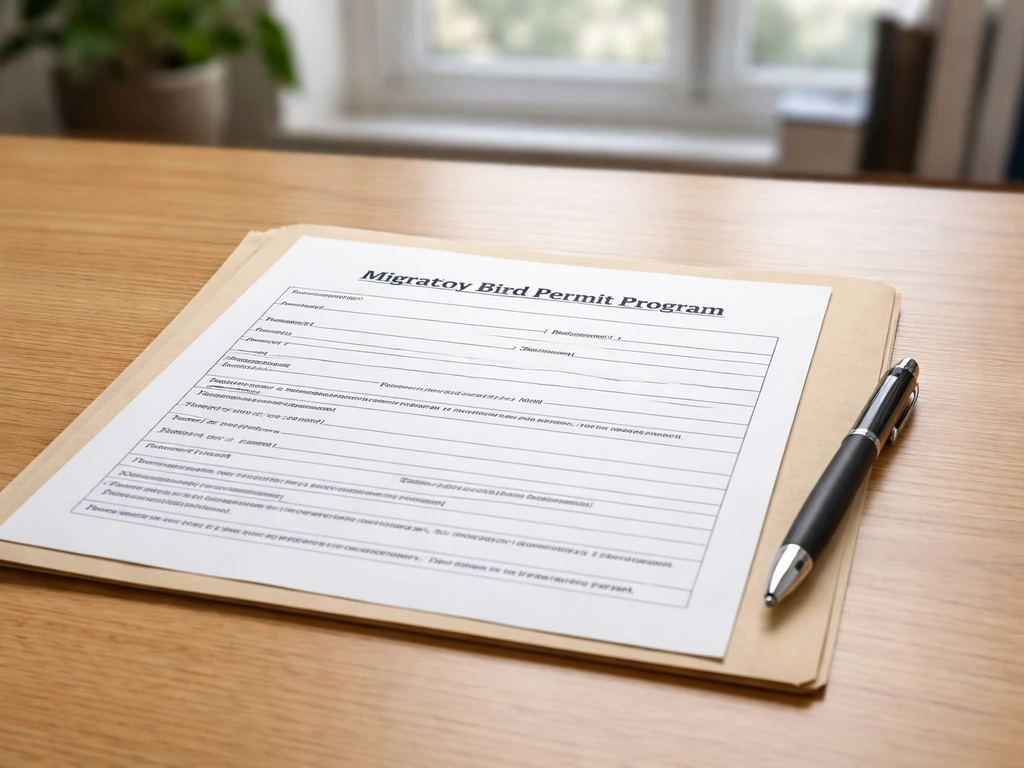
The US Fish and Wildlife Service (USFWS) handles federal migratory bird permits through its Migratory Bird Permit Program. You apply through your regional USFWS Migratory Bird Permits office. But most states also have their own wildlife agency (like a Department of Natural Resources or Fish and Game Commission) that may require a separate state permit or endorsement, especially for falconry, rehabilitation, and possession of native species. Always check both federal and state requirements before you start your application.
United Kingdom
In England, Natural England issues bird licences. In Wales, it is Natural Resources Wales (NRW). In Scotland, NatureScot handles licensing, and in Northern Ireland it falls under the Northern Ireland Environment Agency (NIEA). The GOV.UK bird licences page is a useful starting point to identify which type of licence applies to your activity, but you will need to contact the relevant country agency to confirm current conditions and forms.
Canada
Environment and Climate Change Canada (ECCC) issues federal Scientific Permits under the Migratory Birds Regulations (2022). Banding permits specifically involve the Canadian Bird Banding Office in Ottawa, which operates as part of the North American Bird Banding Program. Provincial wildlife offices may also have requirements for species not covered by federal migratory bird protections.
Check eligibility, species rules, and activity restrictions
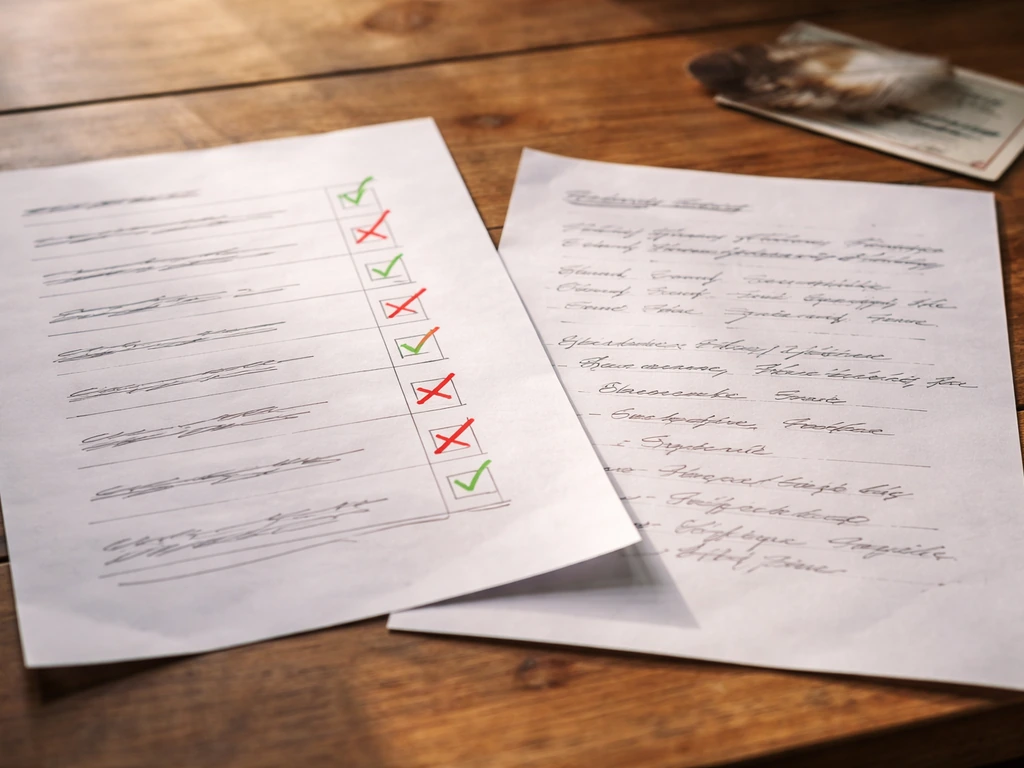
Not everyone can just apply and expect approval. Most permits have eligibility criteria you need to meet before you submit anything. Checking these upfront prevents a lot of frustration.
- Age requirements: Many permits require you to be at least 18 years old. Falconry apprentice permits in the US allow younger applicants but require a licensed sponsor.
- Training or experience: Rehabilitation permits typically require documented training from a licensed rehabilitator or an approved program. Scientific collecting and banding permits often require demonstrated ornithological experience or institutional affiliation.
- Species covered by the Migratory Bird Treaty Act (MBTA): In the US, most native wild birds are protected under the MBTA, which means you cannot capture, possess, or transport them without a federal permit regardless of your intent.
- Species-specific rules: Permits for eagles, threatened, or endangered species often have stricter requirements and are reviewed separately, sometimes requiring additional permits under the Bald and Golden Eagle Protection Act or the Endangered Species Act.
- Facility standards: Rehabilitation and educational possession permits usually require your housing, enclosures, and equipment to meet specific standards before you are approved.
- Activity scope: Your permit will specify exactly what you are and are not allowed to do. Exceeding those limits (such as keeping more birds than authorized, or conducting activities not listed) is a violation even if you hold a valid permit.
If you are brand new and do not yet meet experience requirements, do not panic. Volunteering with an already-licensed rehabilitator or researcher is both a legitimate path to building credentials and often a requirement before you can apply on your own. Many people start this way, and it genuinely makes you a better applicant.
Prepare documents, training, and facility/equipment details
Getting your paperwork together before you start the application form makes the whole process much smoother. Here is what you will typically need, though exact requirements vary by permit type and jurisdiction:
- Personal identification: Government-issued photo ID, and in some cases a Social Security Number or equivalent national identifier.
- Proof of training or experience: Certificates from approved rehabilitation courses, letters from mentors or supervisors, a CV or resume with relevant experience, or a letter from your institution if you are applying for a scientific permit.
- Species list: A clear list of the species you intend to work with. For scientific collecting, this should be as specific as possible. For rehabilitation, you may list all native species in your region.
- Facility description and photos: Details of your enclosures, cages, or housing setup, including dimensions, materials, and location. Many agencies require photos or diagrams. For rehabilitation, enclosure specs often need to meet minimum size standards per species category.
- Equipment list: Capture equipment, banding tools, medical supplies for rehab, or falconry equipment (gloves, jesses, perches, telemetry) depending on permit type.
- Proposed activities: A written description of exactly what you plan to do, how often, and why. For research permits, include your study methodology and objectives.
- Veterinary or professional contacts: Many rehab permits require you to identify a licensed veterinarian who will provide care for your birds. Educational permits may require a vet on call.
- Housing and containment plan: Explain how birds will be contained, cared for, and eventually released or transferred.
- Previous permit history: If you have held permits before, note them. If any were revoked or denied, be honest — agencies check, and omitting this is a red flag.
A tip I give everyone who asks: write your facility description and activity plan before you open the application form. It forces you to think clearly about what you are actually asking permission to do, and it tends to make the form itself much easier to complete accurately.
Step-by-step: submit the permit application
The actual submission process varies by agency, but this general sequence applies in most cases:
- Identify the correct application form: In the US, the USFWS Permit Types and Forms page lists each permit code and its associated form number (for example, Form 3-200-10b is used for Migratory Bird Rehabilitation). Download or access the current version directly from the agency website — do not use old forms you find elsewhere.
- Create an account or register with the agency portal: Many US regional offices now accept or require applications through the USFWS electronic permit system (called ePAP or a regional online portal). In the UK, some licences are applied for via the relevant country agency's online system. Canada's permits may be submitted by mail, email, or online depending on the office.
- Complete the form in full: Every blank field matters. Incomplete applications are the number one reason for delays. If a field does not apply to you, write 'N/A' rather than leaving it empty.
- Attach all supporting documents: Package your ID, training certificates, facility photos, species list, activity description, and any other required attachments. Label each document clearly.
- Pay the application fee: Fees are typically paid at submission. In the US, federal migratory bird permit fees vary by type (rehabilitation and scientific permits are generally in the range of $10 to $100; falconry and propagation permits may differ). Have a payment method ready.
- Submit and record your confirmation: Whether you submit online or by mail (certified mail is smart for paper submissions), keep a record of your submission date and any confirmation number. This protects you if there are disputes about timing.
- Follow up if needed: If you have not heard back within the stated review period, it is completely appropriate to contact the permit office for a status update. Be polite and reference your confirmation number.
Costs, timelines, and how reviews and inspections work
Be realistic about how long this takes. Wildlife permit reviews are not instant, and during busy seasons (spring is notorious) processing can slow down significantly.
| Permit Type (US Federal) | Typical Fee Range | Typical Processing Time |
|---|---|---|
| Migratory Bird Rehabilitation | $10–$50 | 4–12 weeks |
| Scientific Collecting | $10–$100 | 4–16 weeks |
| Bird Banding (Federal Banding Permit) | Generally no fee for federal band permit, but training required | Varies by office; can be several weeks to months |
| Falconry (Federal) | $10–$50 (plus state fees) | 4–12 weeks (after passing state exam) |
| Educational/Special Purpose | $10–$100 | 4–16 weeks |
These are general US federal figures. State fees are additional, UK licence fees vary by licence type and agency, and Canadian permit fees are set by the Migratory Birds Regulations. Always verify current fees on the relevant agency website, as they change periodically.
For many permit types, especially rehabilitation and falconry, the agency or an authorized state representative will inspect your facility before approval. This is standard and nothing to stress about if you have actually set things up properly. The inspector is checking that your enclosures meet species-specific minimums, that your containment is secure, and that your setup genuinely matches what you described in your application. Being honest in your application and having your facility ready before you apply makes inspections straightforward.
Common reasons applications are rejected or sent back for revision: incomplete forms, facilities that do not meet minimum standards, insufficient training documentation, applying for the wrong permit type, or a mismatch between the species listed and the permit category. Fixing any of these before submission is far easier than fixing them after a denial.
Keep your permit compliant: renewals, reporting, and recordkeeping
Getting the permit is not the finish line. Staying in compliance is an ongoing responsibility, and the consequences for violations (even accidental ones) can include permit revocation and fines. Here is what ongoing compliance typically looks like:
- Annual reports: Most US federal migratory bird permits require an annual report (usually due January 31 for the prior calendar year) detailing species, numbers of birds handled, activities conducted, and outcomes. Missing this report is one of the most common compliance failures.
- Renewals: Many permits are issued for one to three years. Set a calendar reminder well before expiration — typically 60 to 90 days ahead — because lapsed permits mean you are no longer legally authorized to continue your activities.
- Recordkeeping: Keep detailed records of every bird you handle, including species, date received or captured, condition, activities performed, and disposition (released, transferred, died, or retained). For rehabilitation, this means intake forms and outcome logs. For banding, it means band number records submitted to the USGS Bird Banding Lab.
- Notifications: Some permits require you to notify the agency within a specific timeframe for certain events. For example, the UK's General Licence 007 for rehabilitation requires notification within four days of taking possession of a disabled wild bird. Know your notification windows and act on them.
- Transfers: You generally cannot transfer permitted birds to another person without authorization. Check your permit conditions before moving or rehoming any bird covered by your permit.
- Inspections: Permit holders can be subject to unannounced inspections by wildlife officers. Maintain your facility to the same standard you had at initial approval, all the time.
- Amendments: If your circumstances change (you add a new species, move facilities, or change your activities), notify your permit office and apply for an amendment before making the change, not after.
If you can't get a permit: legal alternatives and next best options
Sometimes you genuinely cannot qualify for a permit right now, maybe you lack the required training hours, your facility does not yet meet standards, or you are a minor without a licensed sponsor. That does not mean you are stuck. There are real and legal ways to stay involved while you build toward eligibility.
- Volunteer under a licensed permit holder: Rehabilitators, banders, and researchers can take on trained volunteers who work under their permit. You gain documented experience and contribute meaningfully while working toward your own credentials. This is genuinely the fastest track to a permit for most beginners.
- Partner with a licensed organization: If your goal is educational programming or filming wild birds, partnering with an accredited wildlife center or university means you can participate in activities under their institutional permits without holding one yourself.
- Work with captive-bred birds that do not require federal permits: In the US, many domestically captive-bred parrots, doves, and other non-migratory species are not covered by the MBTA and do not require a federal permit for ownership or educational use (though state and local rules may still apply). This is a legal way to do educational bird work without a federal permit.
- Focus on non-permit birdwatching and observation activities: Simply observing, photographing, or sound-recording wild birds in the field requires no permit. If your interest is more about learning birds than handling them, this is a fulfilling path that builds real ornithological knowledge.
- Take the required courses or training now: If training is the only gap, treat that as your current goal. Many wildlife rehabilitator courses are available online or regionally and can be completed in months. Treating the training as the first step, rather than a barrier, reframes the whole situation.
- Contact your local wildlife agency directly: Explain your situation and ask what pathway they recommend for someone at your current experience level. Agencies deal with this question regularly and can often point you to local programs or mentors.
The honest truth is that most people who successfully hold bird permits today started exactly where you are: without one, figuring it out step by step. The permit system exists to protect birds, not to keep genuinely motivated people out. If you approach it with patience, do your homework on the specific permit type you need, and get your documentation in order before you apply, you are already ahead of most first-time applicants. With the right permit type and documentation in place, you can start working toward how to become a bird flyer in your area. If you are still figuring out the process, follow a clear checklist for how to apply for bird permits in your area.
FAQ
Can I use the same bird permit for multiple activities, like banding and rehabilitation?
Often no. Many jurisdictions require separate authorizations for different activities, even if they involve the same species. If you want to do more than one activity, list them all in your initial activity plan and ask the permitting office whether they are covered under one category or require multiple permits or endorsements.
What should I do if I handle a bird species that is not listed on my permit application?
Do not assume coverage. Species coverage is usually tied to the exact permit category, species list, and sometimes even locations. If you encounter an unapproved species, pause the activity and contact the issuing office or your supervising permit holder for guidance, because “incidental” handling rules vary.
How early should I start facility preparation before applying?
Start before you apply, especially if inspections are required. Build or upgrade enclosures, documentation, and intake procedures first, then submit when you can truthfully confirm your facility matches your written plan. If you apply before improvements, you may receive a denial or be delayed during revisions.
Do I need written training records, or is experience alone enough?
Most agencies look for documented training, not just time spent. Keep certificates, logs (dates and hours), and written supervision confirmations. If you are relying on a sponsor or mentor, ensure their authorization is documented in a way the agency accepts.
Can I volunteer or help with bird care before I have my own permit?
In many places you can, but it must be under the umbrella of an existing permitted individual or organization and within the scope of their authorization. Get clarity in writing about what you can do, since “helping” can still count as an authorized activity.
What delays should I expect after submitting an application?
Expect possible requests for clarification, missing documents, or facility-plan revisions. Busy seasons can slow reviews, so plan for additional back-and-forth. If you want to start work by a certain date, submit well ahead and include complete, consistent descriptions to reduce revision cycles.
How do I avoid the most common rejection reason, applying for the wrong permit type?
Create a one-paragraph “activity definition” that states exactly what you will do, which birds and locations are involved, and whether your role is hands-on or supervisory. Then compare that to the permit categories before you fill forms. When in doubt, contact the permitting office and ask which category fits your activity, rather than guessing.
Are there special rules for minor applicants or people without a licensed sponsor?
Yes, eligibility can change based on age and whether a licensed sponsor is legally responsible. If you are a minor, you may need a sponsor to hold the permit and oversee your activities. Check whether you can be listed as a trainee or assistant and what tasks you are allowed to perform.
What are “minimum enclosure standards,” and how can I verify mine meet them?
They usually include secure containment, species-appropriate size requirements, sanitation, and sometimes transport and quarantine procedures. Ask the agency or inspector what exact standards apply to your species and facility type, then measure and document your enclosure setup. Prepare photos or schematics that match what you submit.
Once I get a permit, do I need to renew it or report changes?
Typically yes. Many permits have expiration dates and require periodic reporting, renewal applications, or updates if you change species coverage, facility layout, address, or key staff. Keep a calendar for renewal and a process for reporting changes immediately.
What happens if I accidentally violate a permit condition?
Even accidental violations can trigger corrective action, suspension, or revocation. Document what happened, stop the noncompliant activity, and contact the permitting office promptly. The speed and honesty of your response can matter, especially if you can show it was due to a misunderstanding that you corrected.
How to Apply for a Bird: Roles, Permits, or Adoption
Step by step guide to apply for a bird role, permit, or adoption, including documents, fees, timelines, and next steps.