There are real, beginner-friendly ways to make money with birds right now: selling digital birding guides on Etsy, starting a bird-focused YouTube channel, leading local birding tours, offering identification coaching, or earning affiliate commissions by reviewing bird equipment. Most of these cost nothing to start and can bring in your first dollars within a week if you take the right steps.
How to Make Money With Bird: Easy Beginner Paths + Plan

Marcus Hendricks
29 Apr 2026
What people actually mean when they search 'make money with bird'
This search pulls in a couple of different crowds. Some people genuinely want to turn their love of birds into income, whether that is guiding tours, creating content, or selling bird-themed products. Others have stumbled on 'how to make a bird out of money,' which is a paper-folding (origami) technique where you fold a dollar bill into a bird shape, often as a novelty tip or gift presentation. That's a fun party trick, but it's not a business model. This guide is focused on the former: real strategies to earn money around the bird-watching hobby, bird education, and bird-related products and tools.
The good news is that the birding niche is genuinely underserved online. Millions of people take up bird watching every year, beginners constantly need help with identification, and the market for bird-related digital products on platforms like Etsy is active and growing. You don't need to be an ornithologist or a professional wildlife photographer to participate. You just need to be a step or two ahead of a beginner, or willing to learn as you teach.
Legit bird-watching ways to earn money
Bird watching is one of the most popular outdoor hobbies in the world, and people are willing to pay for a good experience or reliable expertise. Here are the income streams that actually work.
Lead local birding tours and guided walks
If you know the good birding spots in your area, you can charge people to take them there. A half-day guided walk for beginners typically runs $25 to $75 per person depending on your location and group size. A small group of six people at $40 each puts $240 in your pocket for a single morning.
You don't need a formal guide license in most places, though you should check local regulations for any parks or protected areas you plan to use. Keep your tour checklists organized with eBird: the platform recommends that one person in the group maintains the main bird list and shares it with participants as a checklist copy, which also adds credibility and a nice takeaway for your guests.
Teach birding basics through workshops or classes
Beginner birding workshops are easy to organize and scale. You can host them at a local nature center, library, or even a park pavilion. Charge $15 to $30 per seat, cover topics like binocular technique, how to use a field guide, reading bird calls, and how to submit an eBird checklist. Once you've run a session once, the materials are reusable. If you want to go fully digital, an online workshop via Zoom works just as well and removes the geographic limit on your audience.
Build a backyard habitat consulting service
A lot of homeowners want to attract more birds but have no idea where to start with feeders, plants, or water sources. If you want to go beyond birding as a service, learn how to grow bird peppers and use them to create a distinctive, bird-attracting backyard theme. You can charge $50 to $150 for a backyard habitat assessment and personalized plant and feeder plan.
Resources from programs like the Backyard Habitats Certification Program and state wildlife agencies (like the Washington Department of Fish and Wildlife's Habitat at Home guides) give you a solid educational foundation you can turn into a structured consulting service. If you're thinking beyond a backyard habitat and want to aim bigger, see how to become a bird sanctuary for a more formal path.
If you're also interested in the bigger picture of creating spaces for birds, the topics of how to start a bird sanctuary and how to become a bird sanctuary cover related ground worth exploring.
Bird products and content that actually sell
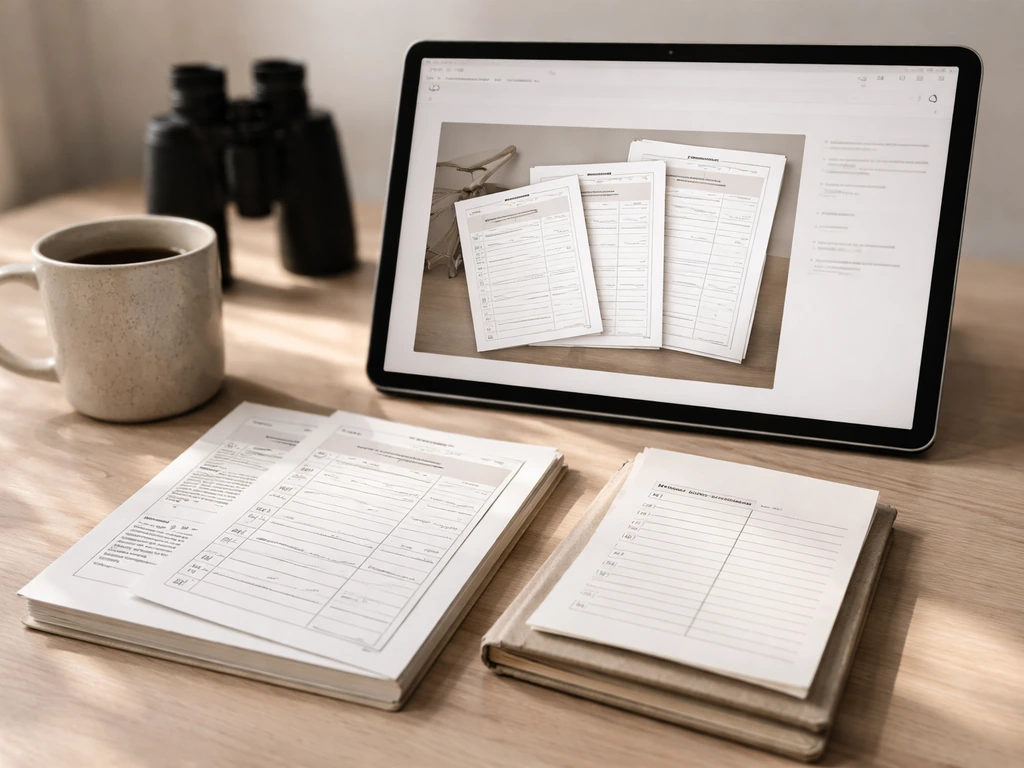
Digital products are where this niche gets really interesting because you make the thing once and it sells indefinitely. Etsy is the easiest starting point.
Sell digital birding guides and printables on Etsy
A quick search on Etsy shows bird-watching printables like life lists, identification checklists, and field journal pages selling in the $2 to $5 range per download, with some multi-sheet bundles reaching $8 to $15. One example listing shows a bird checklist with bird ID cards, life list pages, and more, priced at around $3. 25. These are instant downloads, meaning the buyer pays and immediately gets access to the file through their Etsy account with zero additional work from you.
For Etsy instant digital downloads, the seller uploads the files when creating the listing, and Etsy delivers the files through the buyer’s access and download flow. The important rule: Etsy requires that the seller actually create or design the files themselves.
You can't resell someone else's template as your own. Design your pages in Canva (free), export as a PDF, and upload directly to your listing.
Create and sell bird sound resources
Bird sound identification is a real pain point for beginners. A simple audio guide, a printable 'common backyard birds by sound' reference card, or a digital flashcard deck (species name + visual + phonetic description of the call) can be genuinely useful products. You can sell these on Etsy, Gumroad, or even your own Shopify store. One important note if you go the audio route: use only recordings you have made yourself or sounds that are clearly licensed for commercial use. YouTube flagged creators have reported copyright claims for using third-party bird sounds in their videos, and the same risk applies to audio products. Record your own, or start with printable sound-description guides that don't include actual audio files.
Start a bird-focused YouTube channel or blog
YouTube monetization kicks in once you hit 1,000 subscribers and 4,000 public watch hours in the past 12 months. In YouTube Partner/community threads, creators also discuss the same monetization threshold, including one Reddit post that repeats it as “1,000 subscribers and 4,000 watch hours…in the last 12 months. ” [1,000 subscribers and 4,000 watch hours in the last 12 months](https://www. reddit.
com/r/youtube/comments/1apui3u). That's not an overnight win, but a consistent channel reviewing binoculars, demonstrating bird feeders, or teaching identification can get there in six to twelve months with regular uploads. Keep your content original and avoid repetitive filler content: YouTube explicitly flags channels with reused or highly similar content as ineligible for monetization. Also worth knowing: Shorts views are tracked separately and don't count toward the 4,000 watch-hour threshold, so lean into longer tutorial videos early on.
A blog works similarly and can earn through display ads (Mediavine, Raptive) and affiliate links.
Turning bird tools and equipment into income
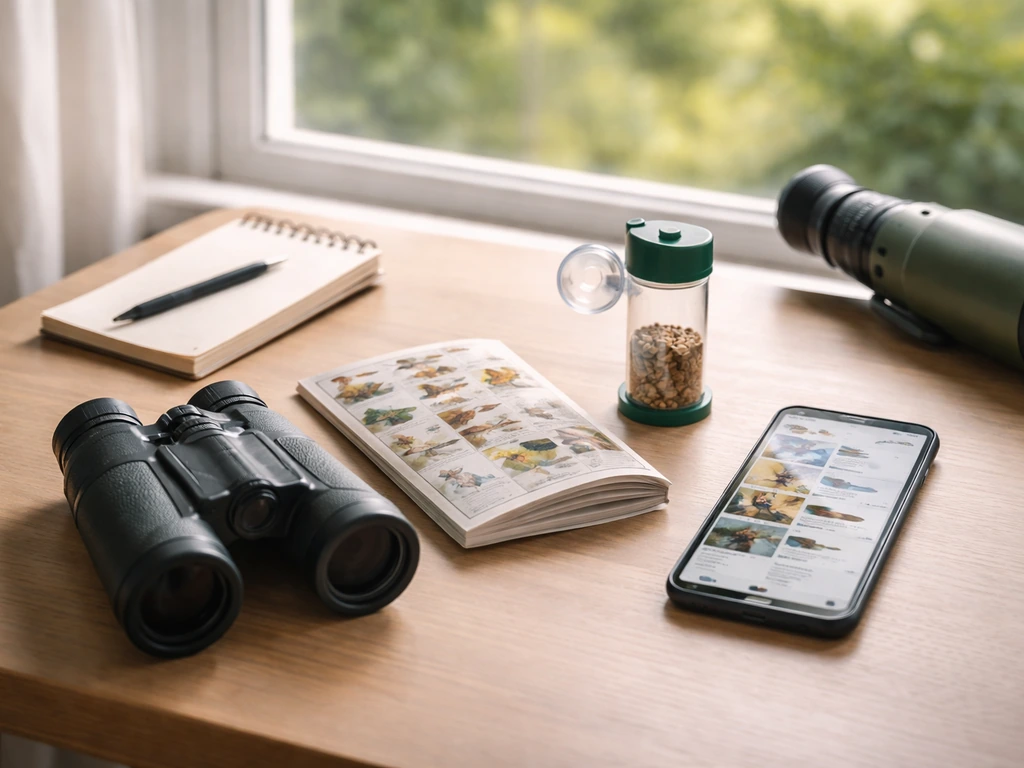
Bird watching involves a surprising amount of gear: binoculars, spotting scopes, field guides, apps, feeders, bird cameras, and more. Every single one of those is an affiliate opportunity.
Affiliate marketing through product reviews
Sign up for the Amazon Associates program (free, approval in a day or two) and start reviewing bird-related products. A detailed, honest comparison of beginner binoculars or a roundup of the best backyard bird feeders earns you a commission (usually 3 to 8 percent on Amazon) every time someone clicks your link and buys. A single blog post or YouTube video that ranks well can earn passively for years. Focus on products you actually use or can genuinely test, because fake reviews get spotted quickly and hurt your credibility.
Write instruction guides for bird-themed toys and devices
Bird-themed toys, birdcall devices, bird deterrents, and similar gadgets often come with poor instructions. A clear 'how it works' guide or video tutorial for a specific product can attract highly targeted search traffic. People searching for 'how to use [bird device name]' are ready to buy or have already bought, which makes them excellent affiliate prospects. Pair the tutorial with an affiliate link and you have a useful resource that pays you every time someone finds it.
Sell your own bird-related products
If you want more control than affiliate commissions give you, consider selling your own physical or digital products through Shopify or Gumroad. Shopify's Digital Downloads app lets you attach downloadable files to any product listing and automatically delivers download links after purchase. Shopify Help Center notes that digital download links are accessed via the email sent after purchase and/or the order confirmation page, depending on checkout settings. Gumroad is even simpler to set up and works well for a single product or small catalog. Just remember that both platforms require you to own the rights to anything you sell and to provide clear licensing terms to your buyers.
Bird-related services and gig ideas
Beyond products and content, there is a growing demand for personal help in the birding world. These service ideas are flexible, low-cost to start, and can generate income quickly.
- One-on-one birding coaching: Help a complete beginner learn to use binoculars, read a field guide, and submit their first eBird checklist via a 60-minute video call ($30 to $60 per session).
- Birding exercise and walk coaching: Combine gentle outdoor exercise with birding by leading morning walk-and-watch sessions for older adults or wellness groups ($15 to $25 per person per session).
- School or library programs: Offer an hour-long introduction to bird watching for kids, covering basic bird anatomy, feeders, and local species ($75 to $150 flat fee per session).
- Corporate nature walks: Team-building birding walks for local businesses or organizations ($200 to $500 for a group event).
- Backyard bird audit: Visit someone's yard, identify which species visit, suggest feeders and native plants, and deliver a written report ($75 to $200 per assessment).
- Online course creation: Record a beginner birding course (five to eight short video lessons) and sell it on Gumroad or Teachable for $19 to $49.
If you're interested in scaling a service idea into something bigger, the topics of how to start a bird business and how to become a registered bird breeder cover more formal business structures worth reading before you commit to a particular path.
How to compare your options before picking one
| Income path | Startup cost | Time to first dollar | Income ceiling | Best for |
|---|---|---|---|---|
| Etsy digital downloads | Free to $15 (Canva) | Days to 1 week | Passive, scales well | Designers, detail-oriented creators |
| Local guided tours | Near zero | Same week | Limited by time/location | Outdoorsy types, local experts |
| YouTube channel | Free to low | 6 to 12 months | High (ads + affiliate) | Comfortable on camera |
| Affiliate blog/reviews | Hosting (~$10/mo) | 2 to 6 months | High, fully passive | Writers, researchers |
| Workshops and coaching | Near zero | Same week | Moderate, trades time | Teachers, communicators |
| Shopify/Gumroad products | $0 to $29/mo | Days to 2 weeks | Moderate to high | Product creators with an audience |
If you want the fastest first dollar, start with a local guided tour or a Zoom coaching session. If you want long-term passive income, start building digital products and content now and accept that it takes a few months to gain traction.
How to get started this week
Here's the honest truth: the biggest mistake is spending two weeks researching and zero time doing. Pick one path and take one concrete action today. Here's a simple plan that works for almost any starting point.
- Pick your angle: Choose one income path from the options above based on what you already enjoy and what you can start without buying anything new. If you watch birds in your backyard, a digital printable is your easiest first product. If you know good local spots, a guided walk is your fastest first dollar.
- Validate demand in 10 minutes: Search your chosen idea on Etsy, YouTube, or Google. If other people are already doing it and have reviews or views, demand exists. You don't need to invent something new, you need to do it better or more specifically.
- Assemble your minimum resources: For a digital product, open Canva and create a one-page bird checklist. For a tour, write a simple itinerary and identify two or three reliable birding spots. For a YouTube video, outline five tips for beginning bird watchers. Keep it simple.
- Set your price: For digital downloads, start at $3 to $5 and test upward. For in-person tours, $30 to $50 per person is a comfortable beginner rate. For coaching sessions, $35 to $50 per hour is fair when you're just starting. Do not undercharge dramatically, it signals low value.
- Choose a platform: Etsy for digital products (takes about an hour to set up a seller account). Calendly plus PayPal or Venmo for booking tours or coaching sessions. YouTube for video content. You do not need a website on day one.
- Create your first offer: Write a clear, specific description of what someone gets. 'A one-hour beginner birding walk at [Local Park] for up to 6 people, including a printed species checklist and basic binocular tips' is more compelling than 'bird tour.'
- Get your first customers: Tell five people you know. Post in a local Facebook group or Nextdoor. List your digital product on Etsy. Message a local nature center and offer to run a free demo class in exchange for a testimonial. Your first customer is almost always someone who already trusts you or finds you in a specific place they're already looking.
One more thing worth knowing: bird photography is a separate but closely related income path that deserves its own deep dive, especially if you already own a good camera and telephoto lens. How to make money with bird photography covers that angle in detail if shooting and selling images appeals to you more than guiding or creating digital products.
Start small, stay consistent, and don't wait until everything feels perfect. A $3. 25 Etsy sale or a $40 tour booking might feel tiny, but it proves the model works. If you want to move beyond bird-watching monetization, you can also learn how to become a registered bird breeder and build income through breeding.
From there, you just scale what's already working. If you are looking for a real-world way to see birds quickly, start by planning a trip to a bird park using the hours and ticket info on its official site. If you’re wondering how to get to Bird Island Seychelles, plan your flight and then connect to the safari and boat operators that run transfers to the island.
FAQ
Is it realistic to make money with birds if I am a complete beginner at identification?
Yes, but pick an offer that matches your current skill level, like beginner workshops focused on binocular basics, how to use a field guide, or how to submit eBird checklists. To build trust fast, create your materials using official sources and spend a little time each week reviewing likely local species so your guidance stays accurate.
Do I need a license or special permission to lead birding tours?
Often you do not, but you do need to check rules for each location (city parks, state parks, private preserves, and protected areas can differ). Also confirm whether the venue expects you to carry insurance, require group limits, or coordinate with staff in advance, especially for repeat groups.
How do I price birding tours or workshops without underselling myself?
Start by benchmarking local listings and adjusting for group size, duration, and added value (checklist handouts, a follow-up email, or a post-walk species recap). If you are new, offer a limited number of “intro sessions” at a lower rate, then raise prices once you have testimonials and repeat bookings.
What is the best way to avoid copyright issues if I make bird sound or video products?
Only use audio you recorded yourself, or recordings that are explicitly licensed for commercial use, and keep proof of the license. If you rely on third-party sound libraries, confirm the license covers selling digital downloads (not just personal listening or YouTube use).
Can I sell templates on Etsy if I modify them in Canva?
You can only sell if you created the content yourself and you hold the rights to every element in the file, including fonts, icons, illustrations, photos, and any sound clips. If you use premium assets, verify the asset license allows redistribution inside a sellable PDF (or flashcard deck), not only personal projects.
How should I structure an Etsy listing so buyers understand the value quickly?
Include clear screenshots showing exactly what they receive (pages, cards, formats), specify the skill level (beginner, intermediate), and list what is covered (for example, life list, ID checklist, backyard birds by sound descriptions). Also use keywords in the title that match purchase intent, like “bird identification checklist” or “common backyard birds worksheet.”
What if YouTube takes longer than expected to hit monetization thresholds?
Use your channel to validate the niche while you build other income streams in parallel, like Etsy printables, affiliate reviews, or paid Zoom coaching. You can also structure content into series, so viewers binge multiple related videos and you create consistent watch time rather than one-off posts.
Is it okay to mix affiliate links with content I create about birds?
Yes, but keep it genuinely helpful and transparent. Use affiliate links for specific “what to buy next” moments, like a video segment on choosing binoculars for beginners, and avoid vague recommendations. If your audience feels the links are random, trust drops quickly.
How do I choose bird gear to review if I cannot test expensive equipment?
Focus on beginner-friendly products you can access, either by buying the basics you need, borrowing from friends or local bird clubs, or reviewing widely available mid-range options. If you cannot test thoroughly, be explicit about what you used and what you inferred (like comfort, ease of setup, or menu clarity), and update your review if you later get hands-on time.
What is the fastest path to a first dollar, and what is the lowest-risk first offer?
Usually a local guided walk or a single Zoom coaching session is fastest because money converts quickly. The lowest-risk option is a short session that solves one clear beginner problem, like “how to set up feeders and start an eBird life list,” with a simple pre-call to confirm the attendee’s goals.
How do I find bird buyers who will actually pay for digital products?
Target people who search for specific help, not broad inspiration. Create products that match intent, like “eBird checklist submission guide,” “backyard birds ID by sound (printable),” or “life list tracker.” Then align your titles and tags to those exact phrases so the right beginners discover you.
What should I do if I get stuck after the first sale or first booking?
Turn that early feedback into a repeatable process. Send a thank-you message requesting what they struggled with, then build a follow-up item (another printable, a second workshop topic, or a higher-value tour add-on). Small upgrades based on real questions usually improve conversion more than adding entirely new products.
Next Article
How to Make Money With Bird Photography: Step-by-Step Guide
Step-by-step plan to earn with bird photography: gear setup, sell prints, stock licensing, brand work, pricing, workflow