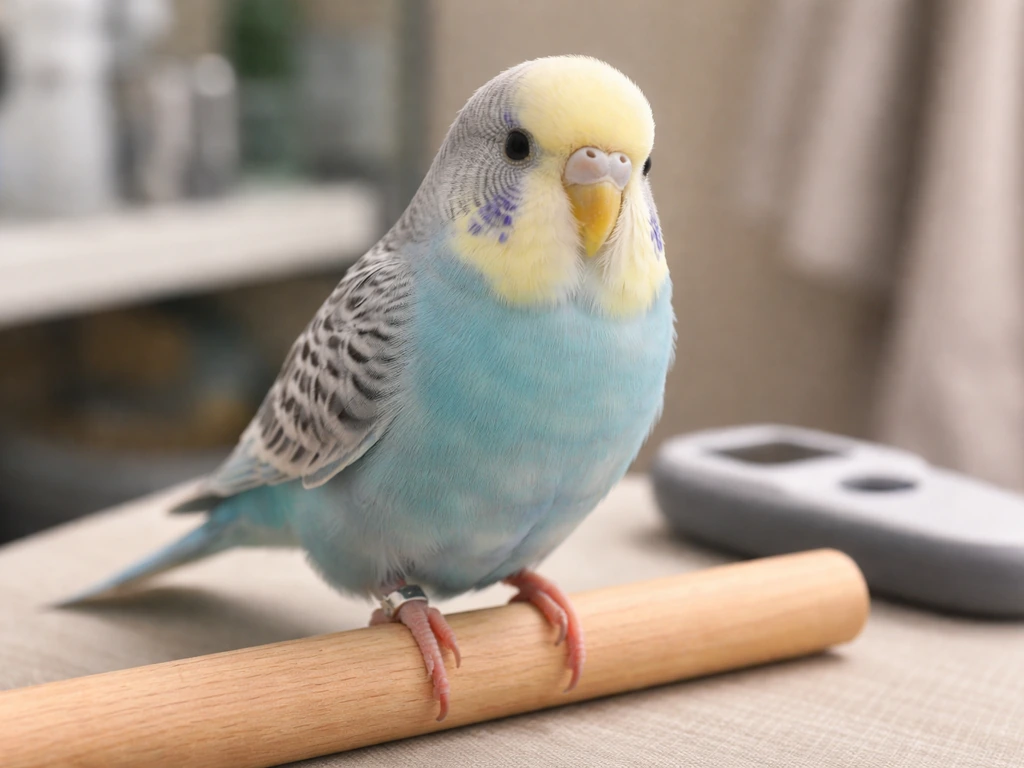
To own a bird, you need the right housing (a species-appropriate cage or aviary), a quality pelleted diet plus fresh foods, clean water changed daily, safe placement away from the kitchen and drafts, an avian vet lined up before you need one, and enough daily time to clean, feed, and actually interact with your bird. Beyond the gear, you need realistic expectations about noise, mess, and long-term commitment. Get those fundamentals right from day one and you're already ahead of most first-time bird owners.
What Do You Need to Own a Bird? First-Step Checklist

Marcus Hendricks
25 Apr 2026
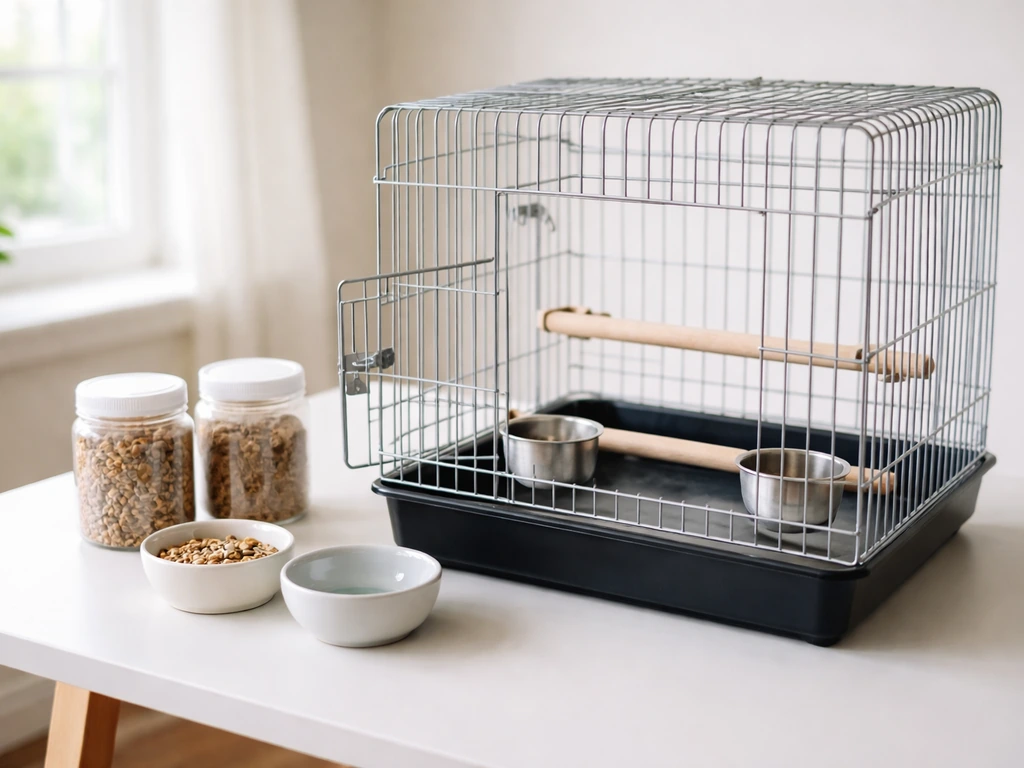
The real requirements: space, time, and budget
Before you buy a cage or pick a species, be honest about three things: how much space you have, how much time you can give every single day, and how much you can spend upfront and monthly. Birds are not low-maintenance pets. Even a small budgie needs daily interaction, fresh food, and a clean cage. Larger parrots need hours of attention. The ASPCA is direct about this: it does not recommend large parrots as pets unless you can genuinely provide appropriate care. That's not a knock on birds, it's just the truth.
For space, the rule is simple: the cage should fit comfortably in a room where the bird can be part of household activity without being in the kitchen. For time, plan on a minimum of 30 to 60 minutes of direct interaction daily for smaller birds, and two or more hours for larger, more social species. Cleanup, feeding, and water changes add another 15 to 20 minutes every morning. For budget, expect a meaningful upfront investment for a proper cage, starter supplies, and a first vet visit, plus ongoing monthly costs for food, enrichment toys, and routine care.
Choosing a bird that actually fits your home
This is the decision that shapes everything else. The wrong species in the wrong home leads to a stressed bird and a frustrated owner. Pick based on your realistic lifestyle, not what looks cool at the pet store.
| Species | Noise Level | Space Needed | Daily Interaction | Lifespan | Good For |
|---|---|---|---|---|---|
| Budgerigar (Budgie) | Low to moderate | Compact cage | 30 min+ | 7 to 15 years | First-time owners, small spaces |
| Cockatiel | Moderate | Medium cage | 1 hour+ | 15 to 25 years | Beginners who want a social bird |
| Lovebird | Moderate | Medium cage | 1 hour+ | 10 to 15 years | Owners with time to bond closely |
| Conure | Loud | Large cage | 2 hours+ | 15 to 30 years | Experienced owners or patient beginners |
| African Grey / Amazon / Macaw | Very loud | Very large cage or aviary | 3+ hours | 40 to 80 years | Experienced owners with ample space and time |
If you're brand new to birds, a budgie or cockatiel is genuinely the best starting point. They're social, manageable in size, and forgiving of beginner mistakes. Large parrots are lifelong commitments measured in decades, sometimes outliving their owners. If you do want a bird and you're open to it, consider adopting or rescuing before going to a breeder or pet store. There are many birds in need of good homes.
Housing and setup: getting the cage right
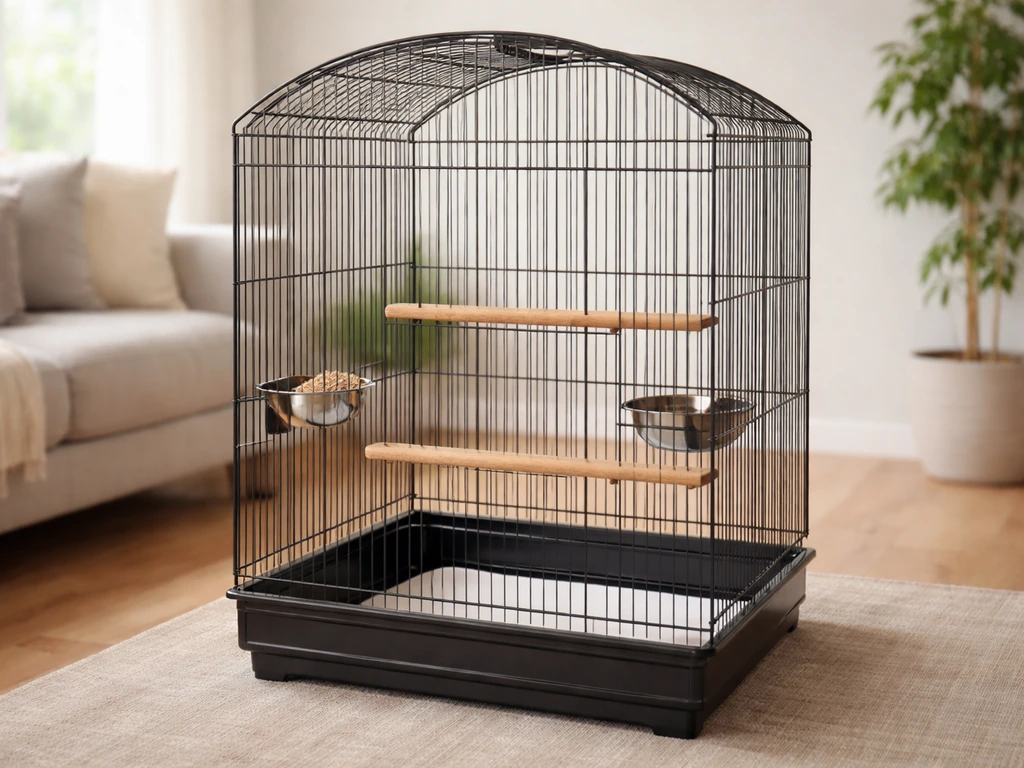
The cage is the foundation. Go bigger than you think you need because birds spend a lot of time in there. At minimum, your bird should be able to fully extend its wings without touching the bars. Bar spacing matters too: small birds need narrow bar spacing (about half an inch for budgies) so they can't get their heads stuck. Wider bar spacing is appropriate for larger birds.
Cage placement
Place the cage in a room where the family spends time, at roughly eye level or slightly below, against a wall on one side so the bird feels secure. Never put it in the kitchen. Cooking fumes, especially from non-stick (PTFE-coated) cookware, can be lethal to birds even in small amounts. Avoid drafty windows, air conditioning vents, and direct prolonged sunlight.
Perches, toys, and cage bottom
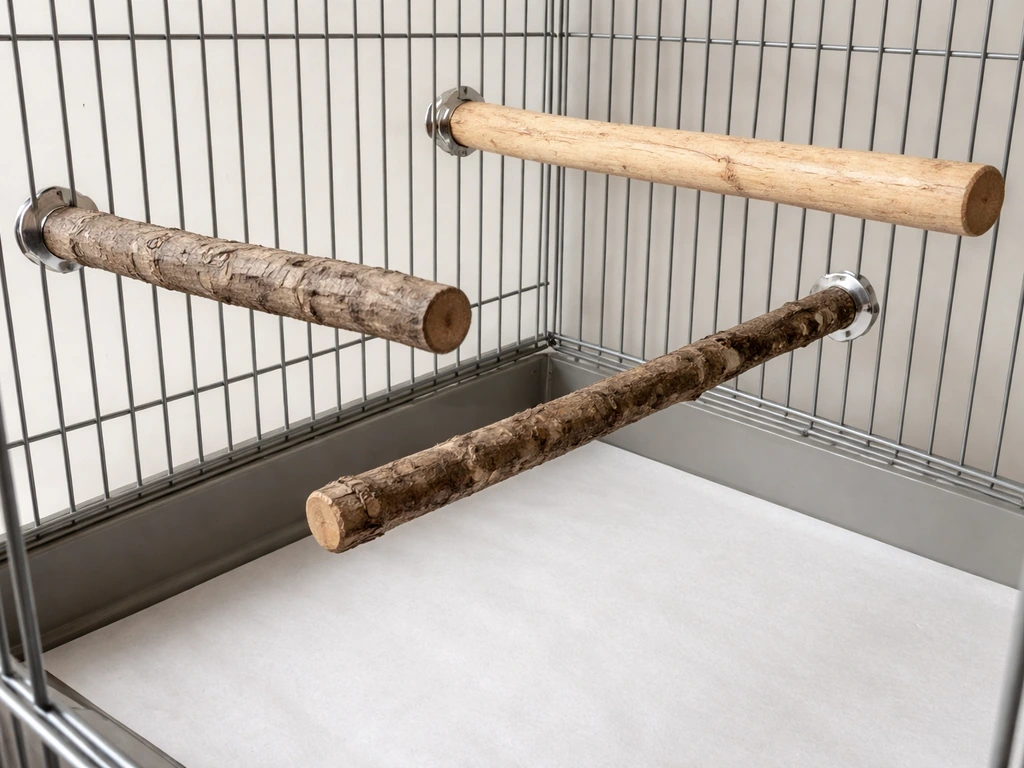
Include multiple perches of varying diameters and textures to keep your bird's feet healthy. Natural wood perches are ideal. Avoid sandpaper-covered perches, which can damage feet. Add at least two or three toys and rotate them regularly to prevent boredom. For the cage bottom, a simple cage liner or paper works well. VCA advises against wood chips, shavings, clay, cat litter, corncob, and shredded or recycled paper because these materials carry risks including mold, bacterial growth, and accidental ingestion.
Feeding, water, and daily care routines
The Association of Avian Veterinarians recommends a high-quality pelleted diet as the nutritional base for most companion birds, and suggests asking your avian vet which pellet formula is best for your specific species. Pellets should make up the bulk of the diet, supplemented with fresh vegetables, fruits, and some grains. Seeds alone are not a complete diet, despite being what most people picture when they think of bird food.
Most birds genuinely enjoy fresh foods alongside their pellets. Think leafy greens, carrots, bell peppers, berries, and cooked grains. Avoid avocado, onion, garlic, chocolate, caffeine, and anything very salty or processed. Those are toxic to birds.
Daily feeding and water routine
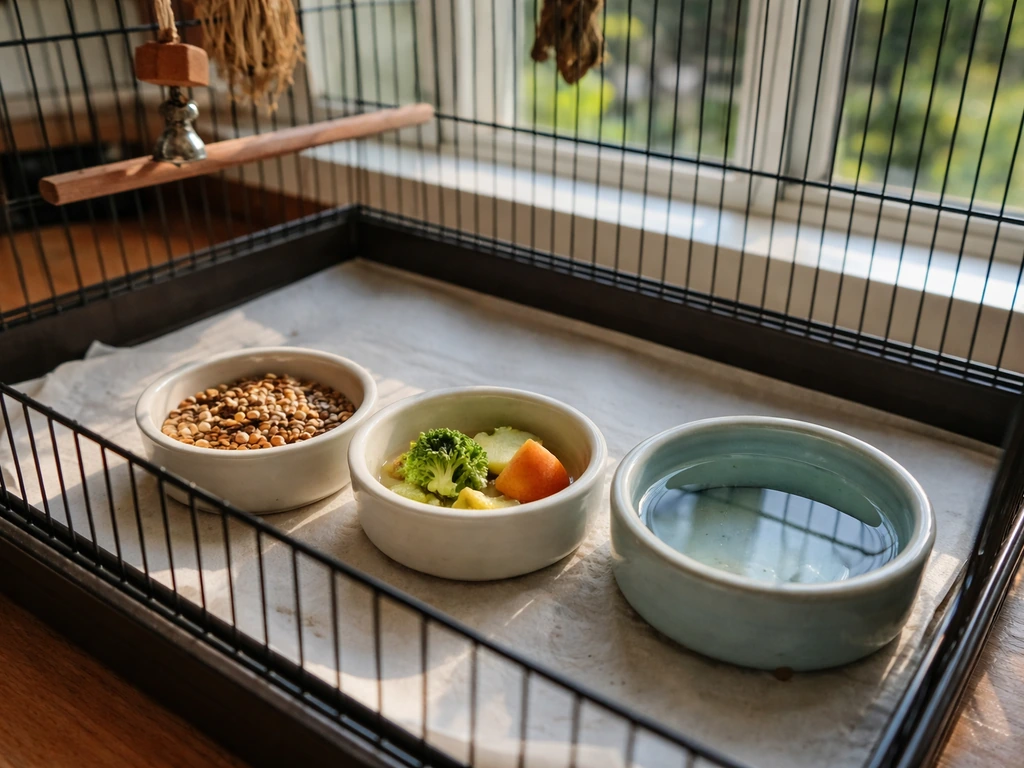
- Refresh pellets and any seed mix each morning.
- Offer fresh food in a separate dish. Remove any uneaten fresh food within about one hour to prevent bacterial growth (this is a firm recommendation from the AAV).
- Wash water dishes daily with soap and hot water, then rinse thoroughly. Do not just top off or rinse with cold water. The AAV specifically notes that water dishes need to be washed daily with soap and hot water or run through a dishwasher.
- Refill with fresh, clean water every day.
- Spot-clean the cage bottom and remove soiled paper or liner material.
Once or twice a week, do a more thorough cleaning of the full cage, perches, and any food or water dishes that weren't already cleaned. VCA emphasizes rinsing everything thoroughly after using any soap or disinfectant because chemical residue left on surfaces can harm your bird.
A related r/parrots thread on washing water and feed bowls also echoes the idea of using dish soap and warm water, then thoroughly rinsing to avoid residue VCA emphasizes rinsing everything thoroughly after using any soap or disinfectant because chemical residue left on surfaces can harm your bird. .
Let things dry before putting them back. The CDC recommends at least five minutes of contact time if you use a disinfectant, followed by a full rinse.
Healthcare and being prepared before something goes wrong
Here's the thing about birds that catches most new owners off guard: birds are prey animals by instinct, which means they hide illness remarkably well. By the time a bird looks sick, it's often been sick for a while. That's why finding a qualified avian vet before you bring your bird home is not optional. It's one of the most important things on this list.
Finding an avian vet
Not every veterinarian treats birds. Look specifically for a vet with avian experience or one who is board-certified in avian practice. Schedule a new-bird wellness exam within the first few weeks of bringing your bird home. This establishes a health baseline and means you're not scrambling to find a vet when there's actually a crisis.
Signs that need immediate attention
The AAV publishes specific guidance on recognizing illness in companion birds. Call your vet or an avian emergency clinic right away if you notice any of these: Fluffed-up feathers and breathing difficulty such as wheezing or tail bobbing while breathing are among the illness signs Merck Veterinary Manual lists for pet birds.
- Difficulty breathing or tail bobbing with each breath
- Collapse or inability to grip the perch
- Active bleeding that doesn't stop quickly
- Exposure to non-stick cookware fumes or aerosol sprays
- Fluffed feathers combined with lethargy and loss of appetite
- Vomiting or regurgitation that is not directed at a toy or partner bird
- Droppings that are dramatically off in color, consistency, or volume
Have the emergency clinic's number saved in your phone from day one. Don't wait and see if a sick bird improves on its own overnight.
Legal and safety basics you shouldn't skip
Permits and registration
For most common companion birds like budgies, cockatiels, and lovebirds, no special permit is needed in the US. However, some species, particularly certain parrots and birds covered under the Convention on International Trade in Endangered Species (CITES), require documentation proving legal origin.
If you're importing a pet bird from another country, be aware that USDA APHIS rules may require a 30-day federal quarantine at a USDA Animal Import Center, depending on the bird's origin country and current disease conditions like highly pathogenic avian influenza (HPAI). Always verify local and state regulations, because rules vary by location.
If you're looking into more formal involvement with birds, topics like how to get a bird licence or how to register a bird are worth exploring separately. If you are trying to close your bird account, the exact steps will depend on the service you use, so check the account deletion or privacy settings page in your dashboard delete my bird account.
If you need help with the steps, review how to register a bird for your specific location and bird type. If you're wondering how to get a bird licence, you'll want to start by checking your local requirements for permits or registration.
Household hazards to eliminate before your bird arrives

- Non-stick cookware (PTFE/Teflon): fumes from overheated non-stick surfaces can kill a bird within minutes. Replace with stainless steel or cast iron.
- Aerosol sprays: air fresheners, cleaning sprays, scented candles, and plug-in diffusers can all damage a bird's respiratory system. PetMD specifically flags aerosol products as dangerous to birds.
- Toxic plants: common houseplants like pothos, philodendron, and lilies are toxic to birds. Research any plant before keeping it in a home with a bird.
- Escape risks: birds are fast and surprisingly clever. Check windows, ceiling fans (always turn off before letting your bird out), and doors before any out-of-cage time.
- Other pets: cats and dogs are natural predators. Even a gentle tap from a cat's paw can cause serious injury or infection. Supervise all interactions.
- Noise and neighbors: check lease agreements and local ordinances if you're renting. Some species, especially conures and larger parrots, are genuinely loud, and that affects neighbors.
What it actually costs and your first-month checklist
Budget honestly. The ASPCA includes birds in its pet care cost guidance, and real first-year costs for even a small bird add up quickly once you factor in the cage, vet visits, food, and accessories. Here's a rough breakdown for a beginner setup with a small to medium bird:
| Item | Estimated Cost (USD) | Frequency |
|---|---|---|
| Bird (budgie to cockatiel range) | $20 to $150 | One-time |
| Cage (appropriately sized) | $80 to $300+ | One-time |
| Perches, toys, cage liner | $30 to $60 | One-time, replace ongoing |
| Food dishes and water dishes | $15 to $30 | One-time |
| Starter pellets and fresh food | $20 to $40 | Monthly |
| Initial avian vet exam | $50 to $150 | Annual at minimum |
| Ongoing toys and enrichment | $15 to $30 | Monthly |
| Cleaning supplies | $10 to $20 | Monthly |
Your first-month checklist
- Research species and choose one that genuinely matches your space, noise tolerance, and daily schedule.
- Buy and set up the cage before the bird comes home. Add perches of varying thickness, a few toys, and plain paper liners.
- Remove or secure all household hazards: non-stick cookware, aerosols, toxic plants, ceiling fans.
- Find and contact an avian vet. Book a new-bird wellness exam for within the first two weeks.
- Bring your bird home and give it one to three days to adjust quietly before handling.
- Start daily routines immediately: fresh food in the morning, remove uneaten fresh food within one hour, wash water dishes with soap and hot water daily, spot-clean the cage bottom daily.
- Introduce yourself gradually. Let the bird get used to your presence and voice before trying to handle it.
- Do a full cage clean, including perches and toys, at least once a week. Rinse everything thoroughly after any soap or disinfectant.
- Save your avian vet's number and the nearest avian emergency clinic's number in your phone.
- Check local regulations or your lease agreement regarding bird ownership, noise, and any permit requirements for your species.
Once you're past that first month and your routines are locked in, bird ownership becomes genuinely enjoyable. The early investment in doing things right, from the cage setup to finding a good avian vet, pays off fast. And if you find yourself wanting to go deeper into the world of birds, topics like bird banding, breeding licenses, and formal bird registration open up a whole other side of this hobby worth exploring. If you're curious about how to become a bird bander, start by learning the local permitting and training requirements before you handle any birds.
FAQ
Do I need to buy a flight cage or is a regular cage enough when I first bring my bird home?
A standard home cage can be fine for the first phase, but budget for a larger “stand-in” space where the bird can safely move around and stretch. If the bird will be out only briefly each day, the cage still needs enough room for full wing extension, plus perches placed to avoid crowding or bar contact. Plan at least one dedicated out-of-cage play area that is escape-proof.
How do I know if my bird is getting enough social time beyond cleaning and feeding?
Aim for interaction that includes consent-based handling, not just being in the same room. If your bird mostly gets ignored when you pass by, many species will start screaming, feather plucking, or staying hidden. A practical check is to track daily direct time you actively engage, then observe whether your bird engages you back (perching near you, stepping up, vocalizing appropriately).
What’s the safest way to introduce a new bird to my home and family?
Start with a quiet routine, slow voice and movement exposure, and minimal visitors. Keep the bird out of the kitchen and away from drafts from day one, then begin with short sessions near the cage so the bird learns your presence before handling. Expect a settling period, if the bird is very fluffed, silent, or sleeping unusually, contact your avian vet rather than assuming it is normal adjustment.
Which disinfectant should I use for cage cleaning, and can I overdo it?
You generally do not need heavy disinfecting daily. Use soap or a bird-safe cage cleaner when appropriate, then rinse thoroughly to remove residues, because lingering chemicals can irritate the respiratory tract. If you use a disinfectant, follow the recommended contact time, then fully rinse and dry, and do not mix products.
Can I use essential oils, scented candles, or air fresheners around my bird?
It’s best to avoid them. Birds have very sensitive airways, and fragrances can trigger respiratory distress even if you cannot smell them strongly. If you already use these products, switch to unscented options and keep any strong cleaning chemicals away from the room until everything is fully dry and aired out.
Is it okay to let my bird free-roam in the house if I’m careful?
Even careful owners get surprised by hazards like open doors, ceiling fans, mirrors reflecting escape attempts, and access to unsafe plants or cords. If you want free-roam time, use a controlled, bird-proofed room with supervision, remove toxic items, and keep windows, bathrooms, and cooking areas off-limits. Start with short sessions to reduce panic, and do not use it as a substitute for proper daily cage space and routine cleaning.
What should I do if my bird’s poop or appetite changes after I switch diets?
Diet changes can cause temporary changes in droppings, but appetite loss and prolonged diarrhea are not normal. Switch pellets gradually, and introduce fresh foods in small amounts, then monitor weight and activity. If there is reduced eating for a day, watery droppings, blood, or persistent lethargy, contact your avian vet promptly because birds hide illness well.
Do I need an additional backup plan for emergencies if my avian vet is closed?
Yes. Save an emergency avian clinic number in advance, and confirm where they want you to go if there is an outbreak or travel issue. Also set up a “bird transport” routine, keep a secure carrier ready, and have basic contact details and medical history accessible so you are not searching during a crisis.
Are all perches and toys safe for every bird size?
No. Perches must match the bird’s species and foot size, and toys must be sized so the bird cannot get a toe or beak stuck. Avoid anything that sheds fabric or contains unsafe coatings, and remove toys immediately if you see fraying, stringy hazards, or pieces being swallowed. When in doubt, start with simpler designs and supervise the first few days.
Do birds require permits or registrations even if I’m buying locally within my state?
Sometimes, yes. Many common species do not require permits in the US, but certain parrots and birds involving CITES documentation do, and rules can vary by state or local jurisdiction. If you are unsure, ask the seller for documentation, then check your local and state requirements before bringing the bird home, especially for any imported species.
What should I budget for after the first month that people often forget?
Plan for replacement cycles, like toy refreshes, perch replacements, and occasional cage liner changes, plus annual wellness exams and potential lab tests. Also budget for emergency readiness, such as having funds set aside for urgent care and follow-up visits, since birds can deteriorate quickly even when symptoms look mild.
Next Article
How to Register a Bird: Legal, Microchip, and Club Steps
Step-by-step how to register a pet bird or microchip it, plus club and reporting options, forms, fees, and common fixes.