
Bird pollination works like this: a bird (usually a hummingbird in North America) visits a flower for its nectar, and while feeding, pollen from the flower's anthers sticks to the bird's head, face, or back. The bird then flies to another flower of the same species, and that pollen brushes off onto the stigma, fertilizing it. That's the whole chain. The bird gets a calorie-dense meal; the plant gets its pollen delivered. If you want more of this happening in your garden, you need flowers that match bird feeding behavior, no systemic pesticides anywhere near those flowers, and a layout that makes your yard easy and safe for birds to work.
Bird Pollination Process: Step-by-Step Guide and How to Help
Marcus Hendricks
15 May 2026
What bird pollination actually means (and why birds do it)
Bird pollination has a proper scientific name: ornithophily. It just means flowers that are primarily pollinated by birds rather than insects, bats, or wind. In the continental United States, hummingbirds are by far the most important bird pollinators of wildflowers, according to the USDA Forest Service. In other parts of the world, sunbirds, honeyeaters, and sugarbirds fill the same role.
Birds don't pollinate on purpose. They're after the nectar, which is essentially sugar water that fuels their extremely high metabolic rate. Hummingbirds rely almost entirely on floral sugars to power hovering flight, which burns energy at a rate few animals on earth can match. Ornithology.com notes that hummingbirds' nectar feeding supports high-energy behaviors like flight and hovering, but also requires them to obtain enough sugar while managing extreme metabolic demands. So the bird is doing exactly what it needs to survive, and the plant has evolved to make that feeding behavior do double duty as pollen delivery. It's a deal that's been refined over millions of years.
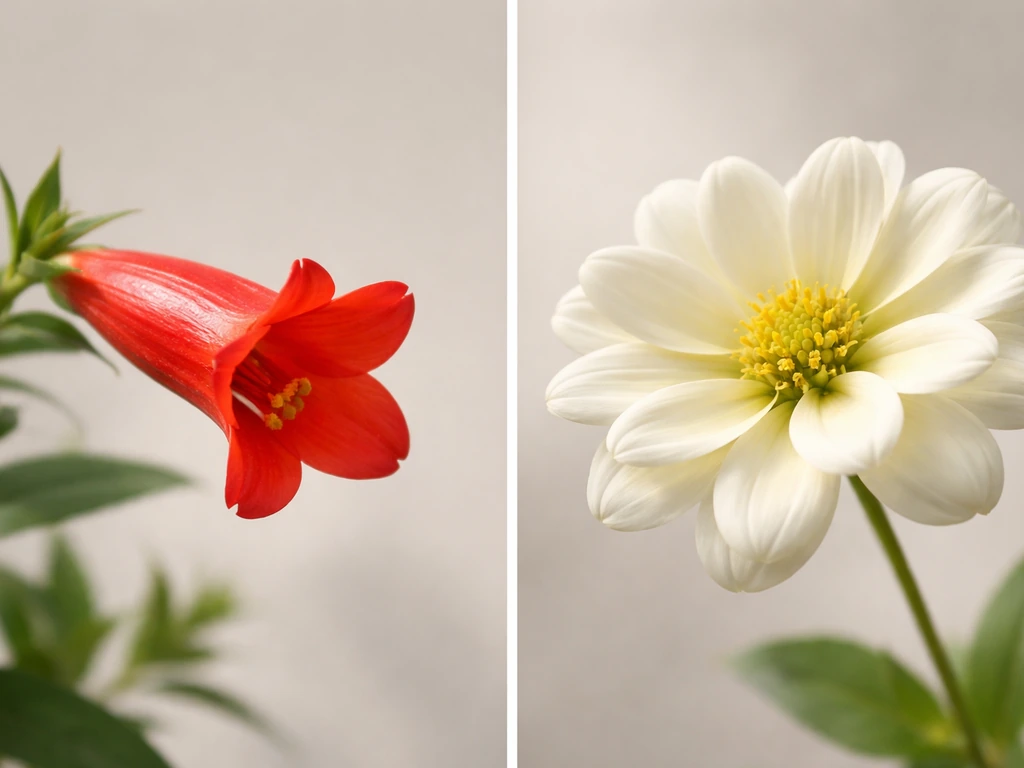
One quick thing worth knowing: bird pollination is different from insect or wind pollination in some very specific ways. Insect-pollinated flowers tend to produce aromatic scents, offer amino-acid-rich nectar, and come in blues and purples that bees can see easily. Bird-pollinated flowers skip the scent almost entirely, produce larger volumes of more dilute nectar (birds need quantity, not concentration), and lean heavily on red and orange coloring that stands out to birds but is less visible to bees.
Bird-pollinated traits also include reduced or absent nectar amino acids, as described in mechanistic perspectives on hummingbird bill and flower matching. That's not a coincidence.
It's the plant limiting bee access and reserving its nectar reward for the more efficient bird delivery system.
How birds actually visit flowers
What draws a bird to a flower in the first place
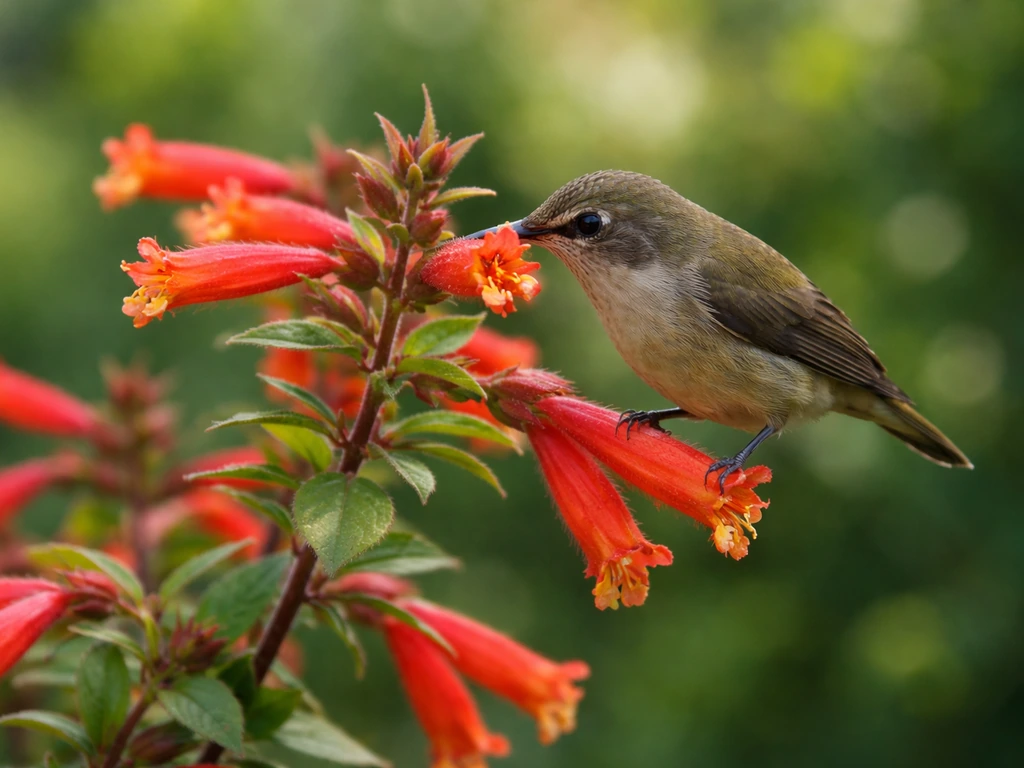
Color is the main signal. Hummingbirds are strongly attracted to red, orange, and bright pink tubular flowers. The tube shape is important too: long, narrow corollas (the petal tubes) are shaped specifically to match a hummingbird's long bill, which physically guides the bird's head into the right position for pollen contact while it feeds. If the flower opening is too wide, the bird can hover at a slight angle and completely miss the anthers. Flower architecture is doing a lot of work here.
Scent is largely irrelevant to birds. If you've ever noticed that a classic hummingbird plant like red salvia or trumpet vine doesn't have much fragrance, that's intentional from an evolutionary standpoint. Scentless flowers don't attract bees as readily, which helps the plant preserve its nectar for bird visitors.
Feeding behavior and timing
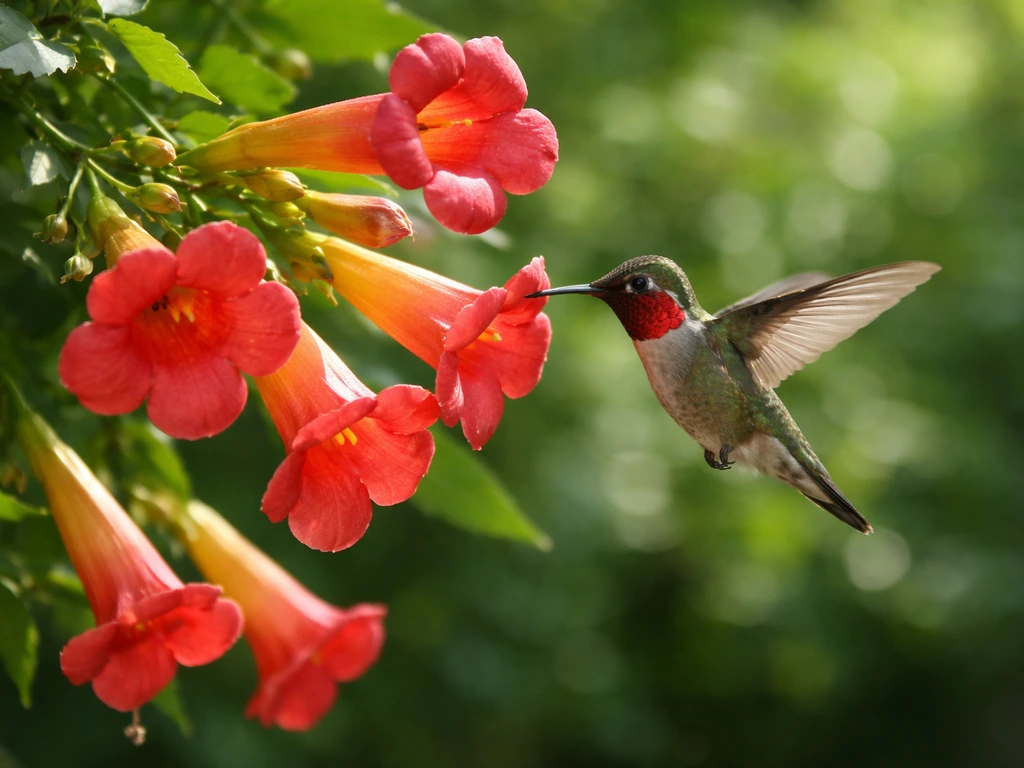
Hummingbirds are trapliners. That term means they follow a regular route, visiting many individual flowers in sequence with short stops at each one. This traplining behavior is actually what makes them such effective pollinators: each brief visit deposits pollen from the last flower and picks up fresh pollen for the next stop. A bird that camped out on one flower would be useless as a pollinator. The restless, route-following behavior is the whole mechanism.
Timing matters by season too. During the breeding season, male hummingbirds defend nectar-rich flower patches aggressively because efficient feeding lets them spend more energy on territorial behavior. This means your yard can see heavy, reliable visits if you have dense enough nectar resources. Outside the breeding season, birds range more widely and your feeder or garden becomes one stop on a longer circuit.
The pollen transfer mechanism step by step
This is the part most people are curious about, and it's more precise than it looks. Here's exactly how pollen moves from flower to flower through a bird.
- The bird approaches a tubular flower and inserts its bill to reach the nectar pool at the base.
- The flower's anthers (the pollen-producing structures) are positioned so the bird's head, forehead, or throat brushes against them as the bill goes in. The pollen grains stick to the bird's feathers or skin. The flower is essentially designed to dust the bird in a specific spot.
- The bird pulls back, hovers briefly, and moves on to the next flower on its route.
- At the next flower of the same species, the stigma (the pollen-receiving surface) is positioned to contact the exact spot on the bird's body where pollen was deposited at the previous flower.
- Pollen transfers from bird to stigma. Fertilization can now occur.
- Some bird-pollinated flowers have touch-sensitive stigmas that partially close after contact, which helps prevent the same pollen from being re-deposited and increases the plant's chances of receiving fresh pollen from a different individual. This improves genetic diversity in the seed set.
Some flowers have an even more active mechanism. In pendulous (hanging) flowers, a flexible stem can actually flex when the bird's weight or hovering creates air movement, physically pushing the anther into the bird's head. The plant is essentially reaching out to tag the bird. This is sometimes called the lever action mechanism, and researchers have confirmed it increases pollen contact reliability.
The end result, when everything works, is fertilized flowers that develop into fruits and seeds. That's the payoff for the plant. For the garden observer, it's also where you start to see the real-world proof that pollination worked: fruit set on plants like trumpet vine, salvia, bee balm, and native wildflowers that otherwise wouldn't produce seed without a pollinator moving pollen between plants.
What bird-pollinated flowers look like (and examples to look for)
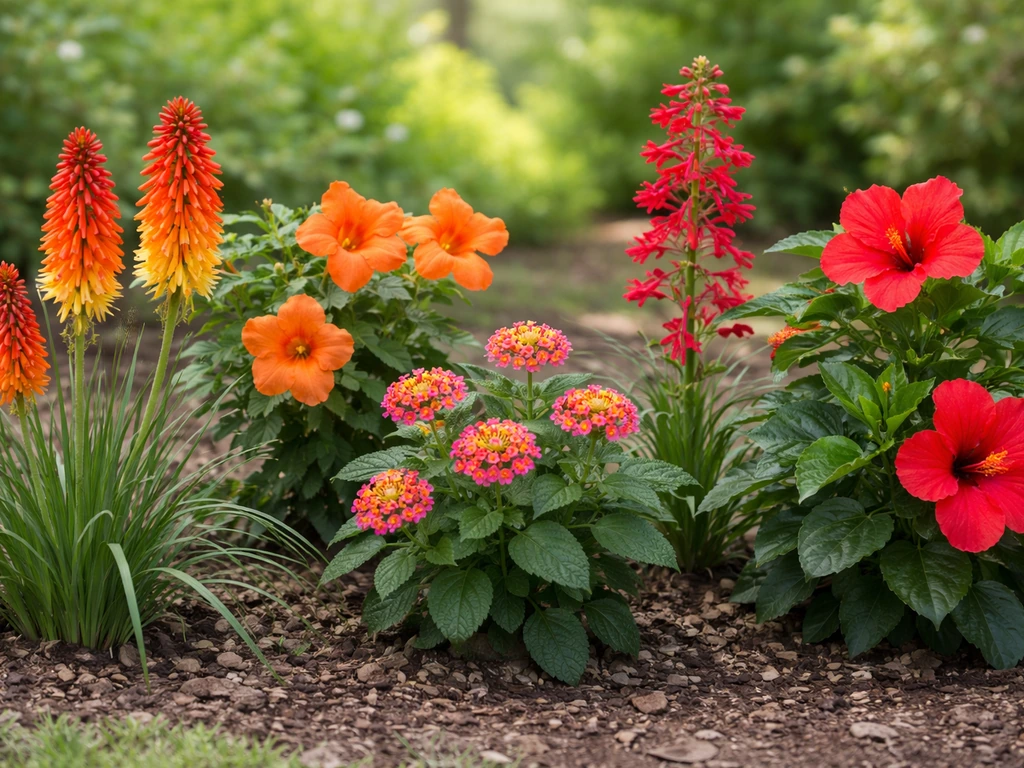
Once you know the pattern, you can spot a bird-pollinated flower at a glance. There's a cluster of traits called the ornithophily syndrome, and most bird-friendly plants hit several of them at once.
| Trait | What to look for | Why it matters |
|---|---|---|
| Color | Red, orange, or bright pink | Visible to birds; less attractive to bees |
| Flower shape | Long, narrow tube or trumpet shape | Matches bird bill length; guides head contact with anthers |
| Scent | Little to none | Birds don't need scent cues; keeps bee traffic lower |
| Nectar volume | High volume, more dilute sugar | Fuels bird energy needs; birds need quantity over concentration |
| Petal strength | Sturdy, thick petals | Withstands repeated probing by a bill without tearing |
| Anther/stigma position | Protruding or positioned at bill/head contact point | Ensures pollen gets on the bird during every visit |
| Flower orientation | Often upright or pendant, accessible by hovering | Accommodates hummingbird hovering or perching to feed |
Good examples of bird-pollinated plants you can find or grow include: red-flowering gooseberry (Ribes speciosum), red hot poker (Tritoma/Kniphofia), California fuchsia (Zauschneria californica), red yucca (Hesperaloe parviflora), manzanita (Arctostaphylos spp.), desert willow (Chilopsis linearis), trumpet vine (Campsis radicans), bee balm (Monarda), cardinal flower (Lobelia cardinalis), salvia species in red and orange, and columbine. If you're on the east coast, cardinal flower and trumpet vine are workhorses. If you're in the southwest, red yucca and California fuchsia are excellent native choices that handle heat and drought.
A quick note on regional variation: your local native plants are always the best starting point because hummingbirds in your area already know them. If you're unsure which species work best for your region and conditions, NC State Extension's Plant Toolbox is a genuinely useful resource for filtering plants by function (including nectar for hummingbirds) and local conditions.
How to encourage bird pollination in your own garden
Plant selection and layout
The single most effective thing you can do is plant in clusters, not singles. One red salvia tucked between other plants is easy for a hummingbird to miss. A patch of five to seven plants in a tight group creates a visible, rewarding stop on the bird's traplining route. Once a bird learns your yard has a reliable food source, it will return on its regular circuit.
Think about bloom succession too. You want flowers open from early spring through late fall if possible. Mix early bloomers (columbine, manzanita) with mid-summer plants (bee balm, salvia, trumpet vine) and late-season options (cardinal flower, red hot poker). Gaps in bloom time mean birds skip your yard for weeks and may not come back.
Perching spots matter more than most people expect. Hummingbirds don't just hover; they perch to rest, watch territory, and digest. A small tree, tall shrub, or even a simple shepherd's hook within about 10 to 20 feet of your flowering area gives them a place to pause. Illinois Extension specifically recommends including perching features near the garden as part of a hummingbird-friendly setup. No perch nearby often means shorter, less frequent visits.
Supplementing with feeders
Feeders aren't a replacement for real flowers (flowers provide pollen contact; feeders don't), but they do extend your yard's usefulness during bloom gaps and during migration when birds are moving through and need quick refueling. The nectar recipe is simple: 1 part plain white table sugar to 4 parts water, stirred until dissolved and cooled to room temperature before filling the feeder. Do not use honey, artificial sweeteners, or red food dye. Plain sugar water is what they need.
The maintenance commitment is real: nectar goes bad fast, especially in summer heat. Change and clean your feeder every two days as a baseline. In hot weather above 85°F, change it daily. Fermented or moldy nectar can harm birds. Rinse with hot water thoroughly at every change. If you're not able to keep up with that schedule, a smaller feeder you can actually maintain is better than a large one you let go stale.
Water sources
A shallow water source (birdbath or mister) within sight of the garden helps, especially in dry climates. Hummingbirds prefer moving water: a dripper or mister is far more attractive than a still birdbath. Keep it clean and filled consistently.
Common mistakes that block bird pollinators
I've made most of these mistakes myself, so this list is earned the hard way.
- Using systemic insecticides anywhere near pollinator plants. Neonicotinoids in particular move through the entire plant: roots, stems, leaves, nectar, and pollen. A bird that drinks contaminated nectar or eats insects exposed to these chemicals can be harmed. The Xerces Society and American Bird Conservancy have both documented this clearly. If the plant tag at the nursery says 'protected' or 'systemic insecticide applied,' the nectar in those flowers may be toxic to pollinators for weeks. Avoid treated plants and don't apply systemic products to or near your flowering plants.
- Planting flowers that look pretty but have no accessible nectar. Many double-flowered cultivars (think double petunias or double impatiens) have petals where the nectar-producing structures used to be. Birds can't access anything useful. Stick to single-flowered, open forms.
- Placing feeders or plants in locations that feel unsafe to birds. Hummingbirds won't linger near a feeder that's right next to a high-traffic window, a cat's usual territory, or a spot with no nearby cover. They need a clear flight path in and out.
- Letting nectar sit too long in feeders. Even if the nectar looks clear, bacteria and fermentation can make it harmful within 48 to 72 hours, faster in heat. Stale nectar is worse than no feeder at all.
- Relying on only one or two plant species. Hummingbirds need variety and succession. If all your flowers bloom in June and you have nothing in August, they'll stop routing through your yard.
- Using strong-smelling pesticide sprays near flowering plants even if they're not systemic. Contact sprays can coat flowers and kill the insects birds also eat for protein. Hummingbirds don't live on nectar alone; they need small insects for protein, especially during nesting.
Troubleshooting: birds aren't visiting your garden
If you've planted for birds and set up a feeder and still aren't seeing visits, work through this checklist before giving up.
- Check the timing. Hummingbirds are most active at dawn and dusk, and their regional presence depends on migration. In most of the continental US, ruby-throated hummingbirds arrive in spring (April to May) and leave by October. If it's outside that window, there may simply be no birds to attract yet. Anna's hummingbirds in the West are year-round, but even they have slower periods.
- Look at what's actually blooming. Is the flower tube too wide for your local hummingbird species? Are there enough flowers clustered together to be visible from the air? A single plant hidden in a bed is easy to miss.
- Reassess feeder placement. It should be visible from the air, near but not directly against a window (window strikes are a real hazard), and close enough to some cover that the bird doesn't feel exposed while feeding.
- Check if you have competition issues. Aggressive insects like wasps or bees at the feeder can deter hummingbirds. Try feeders with bee guards or move the feeder to a shadier spot since bees prefer full sun.
- Rule out pesticide exposure. If you or a neighbor recently treated nearby plants or lawn with systemic insecticides, that can reduce bird activity significantly. There's not much to do except wait and avoid further applications.
- Give it time. If you've just planted or just set up a feeder, hummingbirds need to discover your yard and add it to their route. This can take days to a few weeks, especially early in the season. Keep the feeder fresh, the plants tended, and be patient.
One thing I've found genuinely helpful: keeping a simple log of when you see visits, which plants the birds prefer, and what time of day activity peaks. Then use the same kind of simple notes to record your own bird sightings, including date, time, location, and what the bird was doing record bird sightings. It sounds like overkill, but even two weeks of notes tells you exactly where the gaps are.
If you're interested in more structured observation, the approach is similar to what birders use in formal surveys like the Breeding Bird Survey or personal life lists, which are worth exploring once you've got a feel for tracking bird activity in your own space. A bird life list can also help you record which species you see and when, so you know what to encourage in your garden personal life lists.
You can learn the basic breeding bird survey methods for recording visits consistently and turning your notes into clearer comparisons over time.
Bird pollination is one of those things that clicks once you've watched a hummingbird work a patch of salvia up close. You can see the whole process: the bill goes in, the bird backs out with a tiny smear of pollen on its forehead, and it's off to the next flower. Understanding the mechanics just makes that moment more satisfying, and knowing what the plant needs means you can actually set up your garden to make it happen consistently. If you want to take part in the Great Backyard Bird Count, set aside time to watch the birds in your yard and record what you see how to participate in the great backyard bird count.
FAQ
How can I tell if a specific plant is actually set up for bird pollination (not just visited by birds)?
Look for “nectar plant signal” traits at the same time. Bird-pollinated flowers are usually red, orange, or bright pink, often tubular with a narrow opening, and they typically lack strong fragrance. If a bloom is strongly scented and blue or purple, it is more likely tuned for bees than for the bird pollination process.
If I put up feeders, will birds pollinate my existing flowers anyway?
Feeding alone rarely equals pollination. Pollen transfer depends on contact between the bird’s head and the flower’s anthers and stigma, which requires appropriate flower shapes and enough nectar-rich flowers in clusters. If birds are hovering around feeders but not landing on blooms, add more tubular red/orange flowers near feeders and remove visual obstacles that make it harder for birds to reach anthers.
Why do I see bird visits but still get few fruits or seeds?
Pollen transfer can work even without every flower in a plant producing fruit. Fruit set depends on whether the plant receives compatible pollen from the same species, how frequently birds visit, and whether the flowering period overlaps with local bird activity. Expect patchy results early on, then more reliable fruiting once you have consistent visitation across the bloom window.
Could my layout be attracting hummingbirds but reducing pollen transfer?
Avoid placing feeders so birds have no nearby landing options. Without perches, visits may be shorter and less likely to coincide with flower contact. Place a perch feature within about 10 to 20 feet of both feeder and flowering plants, and position flowers so birds must enter the tube or opening during feeding.
What feeder mistake most commonly harms hummingbirds, and how do I fix it?
Yes. Many people keep sugar too concentrated or too diluted. Stick with 1 part plain white table sugar to 4 parts water, dissolve completely, then cool before filling. If the liquid gets cloudy quickly or smells fermented, it is going bad and should be discarded immediately.
Can I use honey or add red dye to make feeder nectar more effective?
Artificial colors, honey, and sweeteners can cause problems. Use only plain sugar water (no red dye, no honey, no substitutes). Also, don’t top off an old feeder with fresh solution, empty and clean first, because leftover nectar residue speeds fermentation and microbial growth.
Why do hummingbirds show up once, then stop visiting my yard?
Birds can be deterred by disturbances. Keep feeders and flower clusters in areas with fewer sudden human or pet intrusions, and ensure birds have a clear flight path. Dense planting and nearby cover, such as shrubs or a small tree, often increases visit frequency compared with isolated blooms in open lawn.
How should feeder maintenance change in very hot weather?
During heat waves, the nectar breakdown cycle speeds up and birds may reduce visits if food quality drops. Follow stricter change schedules in high temperatures, rinse the feeder thoroughly each time, and consider using a smaller feeder that you can actually maintain rather than one you let sit.
What’s the best way to add water without pulling birds away from flowers?
Provide water, but prioritize movement. A dripper or mister is usually more attractive than a still birdbath, and “within sight” matters because hummingbirds scout feeding routes. Keep the water source clean and consistent, and avoid setting it far away from flower clusters since birds may not detour during traplining.
How do I plan bloom timing so birds keep visiting all season?
If you want to encourage the bird pollination process, prioritize continuous bloom rather than a single showy flush. Create succession by mixing early, mid, and late flowering species so birds keep returning on their regular routes. In practice, aim for no more than short gaps, since missing nectar windows can break traplining behavior.
What should I do if birds ignore a plant I expected would be bird-pollinated?
Sometimes the plant just is not the right architecture for local birds, or it is not providing enough reward. Confirm that the flower matches bird traits (tubular, narrow, red/orange) and that you have clusters, not one-offs. If you are trying a marginal plant, pair it with a proven native bird food source for your region rather than relying on a single species.
Next Article
Breeding Bird Survey Methods: A Step-by-Step Guide
Step-by-step breeding bird survey methods: choose counts or point transects, collect evidence, record data, and interpre
