You can start producing passable bird calls today, with nothing but your mouth and about 15 minutes of focused practice. The catch is that most beginners skip two things: picking a realistic target bird and learning the actual physical mechanics of making the sound. Get those two right and everything else falls into place fast.
How to Do the Bird Call: Step-by-Step Practice Guide

Marcus Hendricks
23 Mar 2026
Pick your bird and your goal first
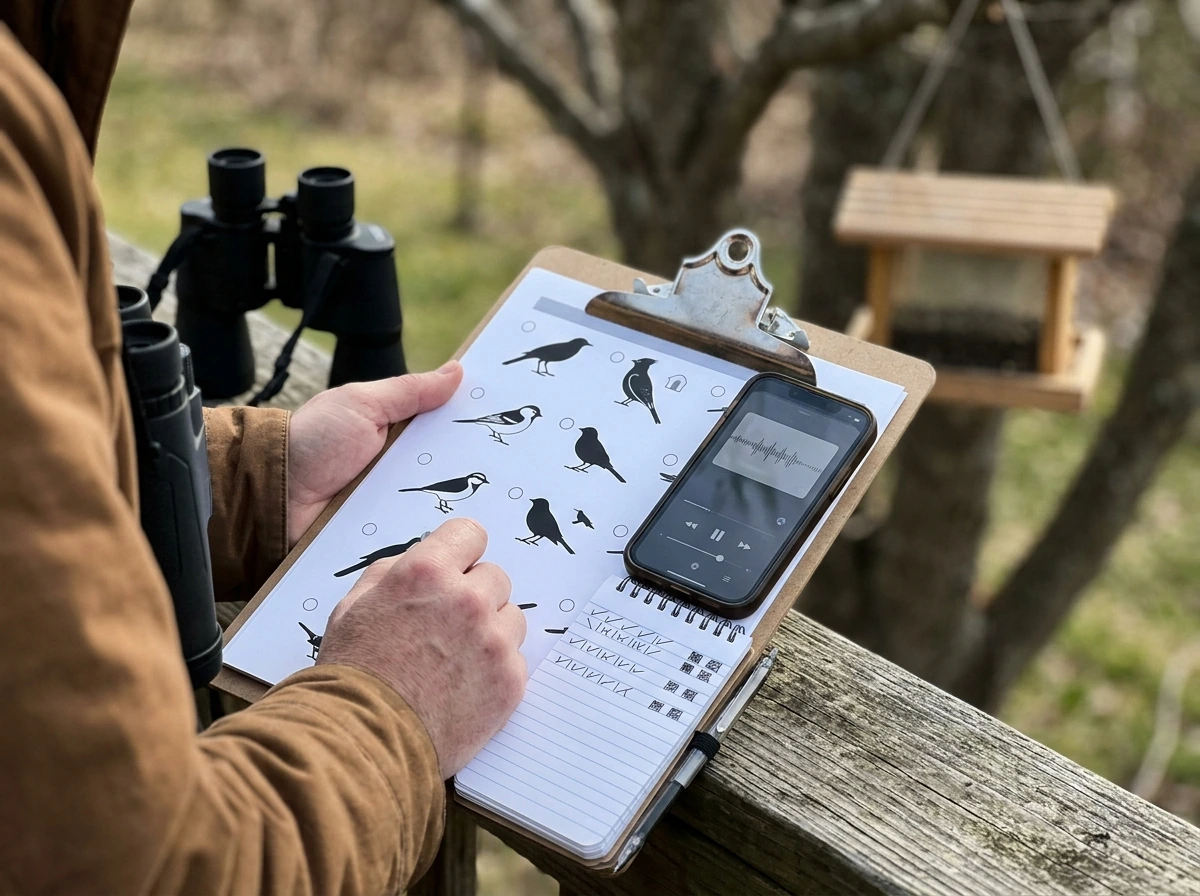
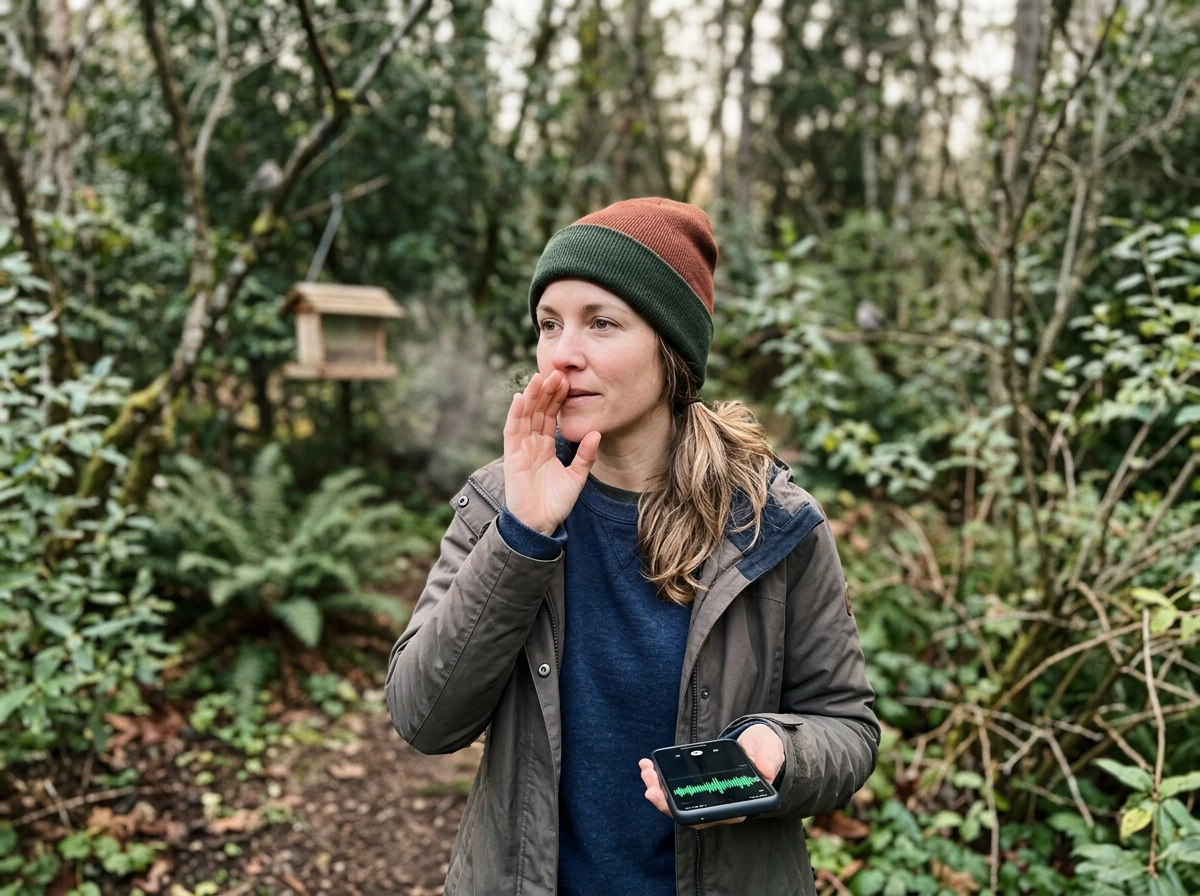
Before you pucker up, decide what you're actually trying to do. Are you trying to attract a bird (draw it closer so you can see it) or identify one (match what you're hearing to confirm the species)? The answer changes which calls you practice and how aggressively you use them in the field.
For attraction, you want a species that's common in your area and known to respond to its own call. For identification, you want to internalize enough of a call's rhythm and pitch that you can recognize it on the fly. Either way, start with species whose calls are simple, loud, and distinctly patterned.
A solid beginner call-target pool includes: Northern Cardinal (a repeated series of clear, down-slurred whistles), American Robin (a melodic "cheer-up" phrasing), Mourning Dove (the low, hollow coo most people already recognize), Blue Jay (a sharp, nasal "jay-jay"), and Downy Woodpecker (a soft, descending whinny). The Cardinal is especially good for beginners because its call is essentially a clean whistle repeated with a slight drop in pitch. If you can whistle at all, you can learn a passable Cardinal call in a single session.
One thing to watch for: if you hear what sounds like a bird responding with a mix of several different calls in quick succession, you might be dealing with a Northern Mockingbird rather than the species you're imitating. Mockingbirds are famous mimics and will repeat imitated phrases several times before switching to another sound. That's useful to know so you don't accidentally think your Cardinal call worked when a Mockingbird is just cycling through its repertoire.
How to physically make the sound
Most beginner bird calls come down to one of three physical methods: a lip whistle, a cupped-hands whistle, or straight voice imitation, if you're learning <a data-article-id="5DE6DD6C-7C78-42A4-ACA9-878CF432F8C9">how to make a swallow bird call</a>, start with the physical method that best matches the sound you want. For most calls, the lip whistle is your best starting point because it gives you the most pitch control. If you're specifically interested in a swallow-style sound, use the same physical approach and then focus on how to make a swallow bird call as a related target.
Lip whistle technique
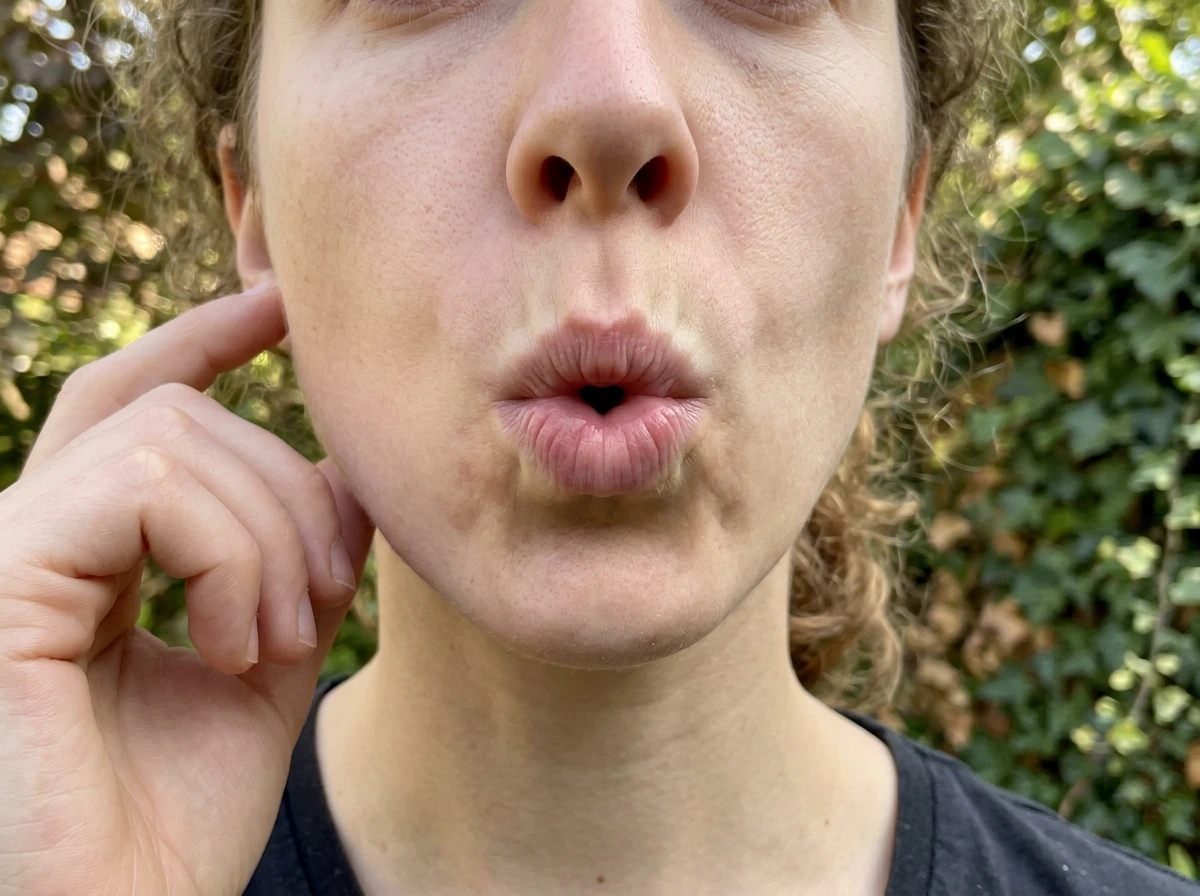
Form a small, tight opening with your lips. Think of the shape your mouth makes when you blow on hot soup, but tighter and more rounded. Push a steady, controlled stream of air through that opening. The key variables are lip shape (controls pitch and tone), tongue position (pressing your tongue close to the roof of your mouth or your upper teeth raises the pitch), and airflow pressure (more pressure raises volume, but too much breaks the tone into a breathy hiss). Pitch goes up when you tighten the lip opening or raise your tongue; it drops when you relax both.
For the Cardinal's down-slurred whistle, start your lip opening tight (high note), then gradually widen it and relax your tongue as you push the air through. That single motion produces the signature drop. Repeat it in clusters of 3 to 5 with a brief pause between each repetition, and you have the basic Cardinal phrase.
Cupped-hands technique
Cup both hands together with your thumbs side by side, forming a small hollow chamber. Press your lips to the thumb-knuckle gap and whistle into the chamber. Opening and closing your top hand acts like a wah-wah effect and lets you modulate the tone. If you want the cupped-hands version, focus on how opening and closing your hands changes the tone while you keep the air stream steady how to make bird calls with hands. This works well for Mourning Dove coos and Owl calls where you want a hollow, resonant quality. If you want to go deeper on the hand technique specifically, that's its own skill worth exploring separately.
Voice imitation
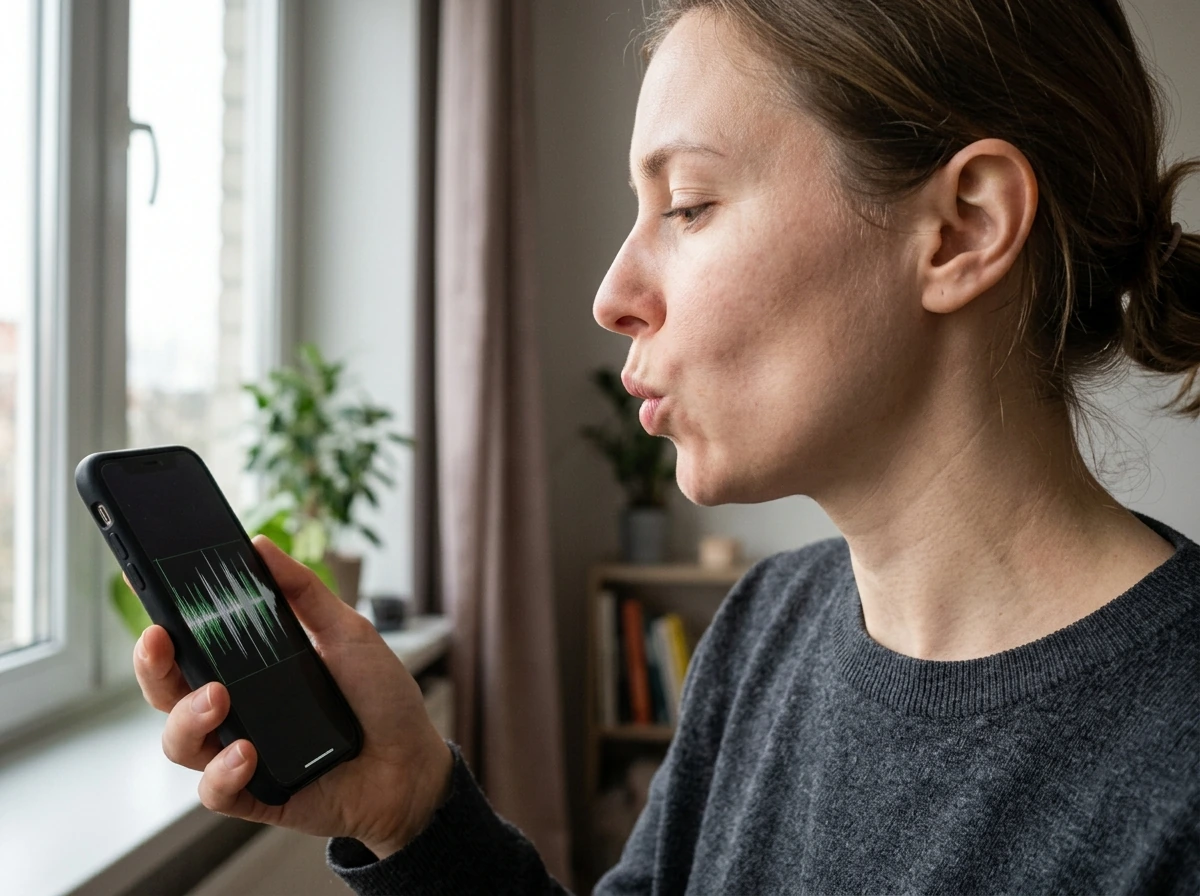
Some calls, especially the Robin's cheer-up phrase or the Blue Jay's harsh "jay," are easier to approximate with your actual voice rather than a whistle. Slightly flatten your tongue and push the sound through a half-open mouth rather than singing it fully. The goal is a slightly breathy, less-human quality. Mnemonics help here: the Robin's song translates roughly to "cheer-up, cheerily, cheer-up, cheeri-o." The Cardinal's is often written as "what-cheer, what-cheer, wheet-wheet-wheet." Mouth those syllables while listening to a recording and your brain starts mapping the pattern quickly.
A practice routine that actually works
Fifteen minutes a day beats a two-hour cram session every time with this kind of muscle-memory skill, so if you’re looking for "<a data-article-id="6979AE64-2B7B-4248-8378-E13D8D5D67C4">how to do a bird call easy</a>" this is a routine you can run at home before you ever go near a bird. how to make a bird caller how to make a bird call easy.
- Listen first, for two full minutes. Pull up a recording of your target call on the Merlin Bird ID app or the Cornell Lab's Macaulay Library. Don't try to imitate yet. Just absorb the rhythm, tempo, and pitch shape.
- Mouth the mnemonic silently while the recording plays. "What-cheer, what-cheer, wheet-wheet-wheet" for the Cardinal. Do this two or three times through. You're wiring the syllable pattern into muscle memory before you make any sound.
- Clap or tap the rhythm. While the recording plays again, clap on each syllable. This locks in the timing and shows you where the pauses fall.
- Whistle along quietly. Match your whistle to the recording at low volume. Don't worry about perfection. Focus on the shape of each note: is it flat, rising, or falling?
- Try it solo. Stop the recording and produce the call from memory. Record yourself on your phone.
- Compare. Play your recording back-to-back with the original. Listen for pitch accuracy, rhythm gaps, and whether your pauses between phrases are the right length.
- Repeat the full sequence for 10 to 15 minutes, targeting one call per session until it's reliable before adding a second.
Pitch and rhythm are the two things birds respond to. Volume matters less than you think indoors. In the field, you'll project more naturally. Keep your practice volume conversational and focus on getting the shape of the note right rather than making it loud.
The mistakes that make calls sound fake
Most beginner bird calls sound obviously human because of a handful of fixable problems. Here's what to watch for and how to correct each one fast. If you want an even simpler starting point, you can also follow this guide on how to do a bird call easy as a quick warm-up approach.
| Mistake | Why it sounds wrong | The fix |
|---|---|---|
| Calling too long without pausing | Real birds call in short bursts with deliberate silence between phrases | Limit each phrase to 3 to 5 notes, then pause 3 to 5 seconds before repeating |
| Flat pitch throughout | Bird calls have intentional pitch movement: up-slurs, down-slurs, or trills | Practice the pitch shape of each note, not just the note itself |
| Too loud from the start | Unnaturally loud calls signal something wrong to nearby birds | Start at moderate volume and increase gradually only if you get no response |
| Calling too fast | Rushing the rhythm is the most common beginner error | Clap along to a recording to internalize the actual tempo before attempting it solo |
| Ignoring the pause between phrases | The silence is part of the call pattern. Skipping it sounds mechanical | Listen specifically for how long the bird waits between phrases and copy that gap |
| Using a rising inflection on a down-slur call | Produces the opposite sound of the target | Record yourself and compare; a down-slur should start tight-lipped and relax as it ends |
Building a repertoire of multiple calls
Once your first call is reliable, meaning birds in your yard react or you can reproduce it accurately three times in a row from memory, you're ready to add a second. Don't try to learn three calls at once. The rhythm patterns bleed into each other and your brain needs a clean anchor for each one.
A useful progression for building a beginner repertoire looks like this: start with the Cardinal (down-slurred whistles, pure lip whistle technique), then add the Mourning Dove (cupped-hands coo, teaches you the hand method), then the Robin (voice imitation, mnemonic-driven), then the Chickadee (clear two-note "fee-bee" whistle, great for pitch accuracy practice). Each new call teaches you a different physical technique, so you're not just learning songs, you're expanding your toolkit.
The comparison approach helps here too. Tools like Larkwire group similar-sounding species together so you can practice distinguishing calls that are close in pitch or rhythm. That cross-training sharpens your ear faster than just drilling a single call in isolation. Once you're comfortable with a handful of calls, check out the related guides on doing different bird calls and making bird sounds with your mouth and hands for techniques that go beyond the basics.
Keep a simple log: date, which call you practiced, and a quick note on what sounded off. After two weeks you'll see clear improvement patterns and know exactly which calls need more work.
Using calls in the field the right way
The field is where it all comes together, but it's also where beginners tend to overdo it. A few practical rules make a big difference in both your results and your ethics.
When and where to call
Early morning, roughly the first two hours after sunrise, is when birds are most vocal and most likely to respond. Late afternoon is a secondary window. Midday calling rarely gets much response because birds are resting and foraging quietly. Choose habitat that matches your target species: Cardinals in brushy woodland edges, Robins in open lawns, Mourning Doves near open ground with low vegetation.
How to call and when to stop
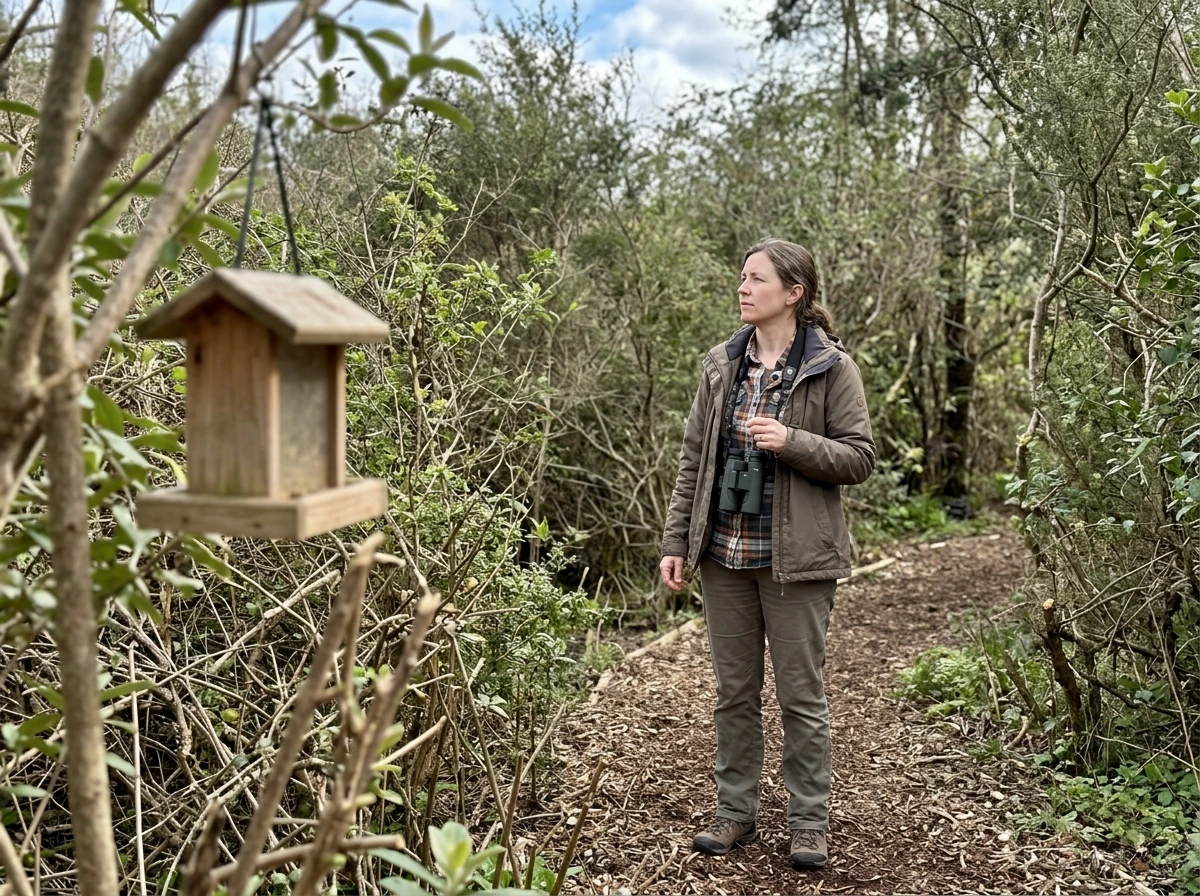
A good field protocol is: produce your call 2 to 3 times in a natural phrase pattern, then go completely silent for 2 to 3 minutes. Listen carefully. If you get a response, stop calling immediately and wait. The bird is coming to investigate. If you keep calling after a bird responds, you can actually confuse or spook it. If there's no response after one silent waiting period, you can try one more short sequence, then move on or try a different call type.
Volume matters in the field more than people expect. Start lower than you think you need to. A quiet call sounds more natural and still carries well in calm morning air. Escalating volume slowly, only if there's no response, is far more effective than blasting calls from the start.
Ethics: keep it light
Whether you're using your voice, a whistle, or a recording, the same ethical ceiling applies: keep it brief and keep it rare. The American Birding Association's code specifically advises limiting audio methods of attracting birds, especially in heavily visited areas. Never use calls to attract threatened, endangered, or rare species. In popular city parks, many experienced birders avoid call playback entirely out of respect for both the birds and other park users. Two to three attempts over a few minutes, with low volume and long silences between, is a reasonable rule of thumb for voice and whistle calling in any public birding spot.
When birds don't respond: what to adjust
No response doesn't mean your call was wrong. It usually means one or more variables need adjusting. Work through these systematically before you give up on a spot or a technique.
- Timing: if it's past mid-morning, the birds may simply be quiet. Come back at dawn and try again before drawing conclusions.
- Habitat mismatch: if your target species doesn't live in that patch of habitat, no call quality will fix that. Check a local species list for the area before you go.
- Call accuracy: record yourself and compare to a reference recording. If the rhythm or pitch shape is noticeably off, the bird may not recognize it as its own call. One session back on the practice routine usually fixes this.
- Too much calling: if you called repeatedly without long silences, you may have signaled something alarming rather than inviting. Reset by going completely quiet for 5 minutes, then try a single soft phrase.
- Wrong call type: birds use different calls for different situations. A contact call (short, simple) works better for attracting a bird than a full song in some contexts. If your current call isn't working, try a simpler, shorter version.
- Distance: if you're too close to cover, the bird may see you and stay hidden. Back up 10 to 15 feet and call again from a less exposed position.
- Season: many calls are most effective during breeding season (spring through early summer). Outside that window, response rates drop significantly for song-based calls.
The feedback loop is the most important thing to develop over time. When a bird does respond, notice exactly what you did: the volume, the rhythm, the number of phrases, the pause length. That's your data. When one doesn't respond, run through the list above methodically rather than just calling louder or more often. Better calls come from better observation, not more effort.
Give yourself a realistic timeline. A passable Cardinal whistle in one session is achievable. A confident repertoire of 5 to 6 calls with reliable field responses takes most people 4 to 6 weeks of regular practice. The skill compounds quickly once the physical technique clicks, and by mid-spring you'll be getting responses in the field that make the whole thing genuinely addictive.
FAQ
How do I know whether I should call to attract a bird or to identify it while I’m practicing?
If you are trying to attract, target only birds you already see in your general area, then call from a spot that matches their usual cover (brush edge for cardinals, open lawn for robins). If you are trying to identify, do not call back repeatedly, instead mimic once, then stop and compare the bird’s exact response rhythm and pitch to a recording in your head or notes.
What should I do if I am not getting any response, should I just get louder?
A good rule of thumb is to increase volume only within a single short burst. If you do not get any response after one normal sequence and a full 2 to 3 minutes of silence, change one variable (species call, habitat spot, time of day), rather than escalating louder in every attempt.
How can I tell if I am hearing a Northern Mockingbird instead of the bird I am imitating?
If you suspect a mockingbird, watch for the “switching” pattern, it often repeats the whole imitated phrase several times and then transitions to a different sound. To confirm, pause calling completely when you hear multiple call types, then record or note what the bird plays next.
My whistle comes out breathy or crackly. What are the fastest fixes?
When your call sounds breathy or unstable, first tighten the lip opening, then reduce airflow pressure slightly. Tongue placement should stay consistent, you should be able to feel the same “tongue near the roof/upper teeth” position each attempt. If you still can’t control tone, switch to practicing the same call with a lower starting volume for the first note only.
Why do my bird calls sound right indoors but fail in the field?
Use a two-stage approach: practice the note mechanics in short, quiet indoor reps, then test outdoors with the same phrase and spacing you practiced. If indoor pitch is correct but field results are not, the issue is usually timing and habitat placement (wrong micro-location), not your mouth technique.
How do I practice so I can reproduce a call accurately three times in a row?
To build reliability, aim for three clean repeats in a row from memory before you change anything. Use your log to mark which specific part fails (the first note, the down-slur, the pause). Most people improve fastest by isolating just the failing transition and repeating it 10 to 15 times, then rejoining the full phrase.
What is the best way to expand from one call to a small repertoire without confusing the patterns?
Avoid learning three new calls at once, but you can keep one “anchor” call in rotation. For example, add one new call today, while you only rehearse one previous call. This prevents rhythm bleed while still keeping the older muscle memory warm.
How do I avoid sounding weird when I switch from a lip whistle to a cupped-hands call?
Before you try cupped-hands whistling, confirm you can hold a consistent chamber size. If the tone wobbles when you open and close your hands, keep your hand position more fixed and focus on controlled airflow. If you cannot get a hollow resonance, go back to lip-whistle basics for pitch control first.
I can mimic the syllables, but my voice call sounds too human. How should I adjust?
For voice imitation, the most common mistake is making it too “singy” or fully voiced. Flattening the tongue and pushing through a half-open mouth creates that slightly breathy, less-human texture. Practice while listening to a recording, match rhythm first, then tweak the breathiness second.
If my timing is correct but I still get no response, how do I diagnose whether it is habitat or call mechanics?
Choose the “where” and “when” before you change the “how.” If you are in an area where the target bird does not usually sit, calling can feel ineffective even when your mechanics are perfect. Midday silence usually means the bird is resting, so switch to early morning or a nearby micro-habitat that matches the species.
What is the correct protocol after a bird responds to my call?
If a bird responds, stop calling immediately and give it time to approach. When you do resume later, keep it to a single short sequence followed by a long silence, do not do repeated back-to-back phrases, and never escalate volume after the bird has already shown interest.
How do I stay ethical about bird calling in busy public places?
If you live in a city park or heavily visited area, consider practicing with voice or lip-whistle at very low volume, and skip any call playback. Even with mouth-only calling, keep the total number of attempts limited, use longer silences, and stop if others or nearby visitors seem distracted.
What should I write in my practice log so it actually helps me improve faster?
When you log your practice, include one concrete metric for your own feedback, for example “down-slur reached” or “pause held without drift” or “pitch hit first note.” Over time, you will see whether you are consistently missing timing, pitch, or airflow pressure, and you can address the specific failure mode.
Next Article
How to Ring a Bird: Safe Steps for Leg Banding
Learn safe steps to leg-ring wild birds: sizing, handling, banding process, legal reporting, and when to stop