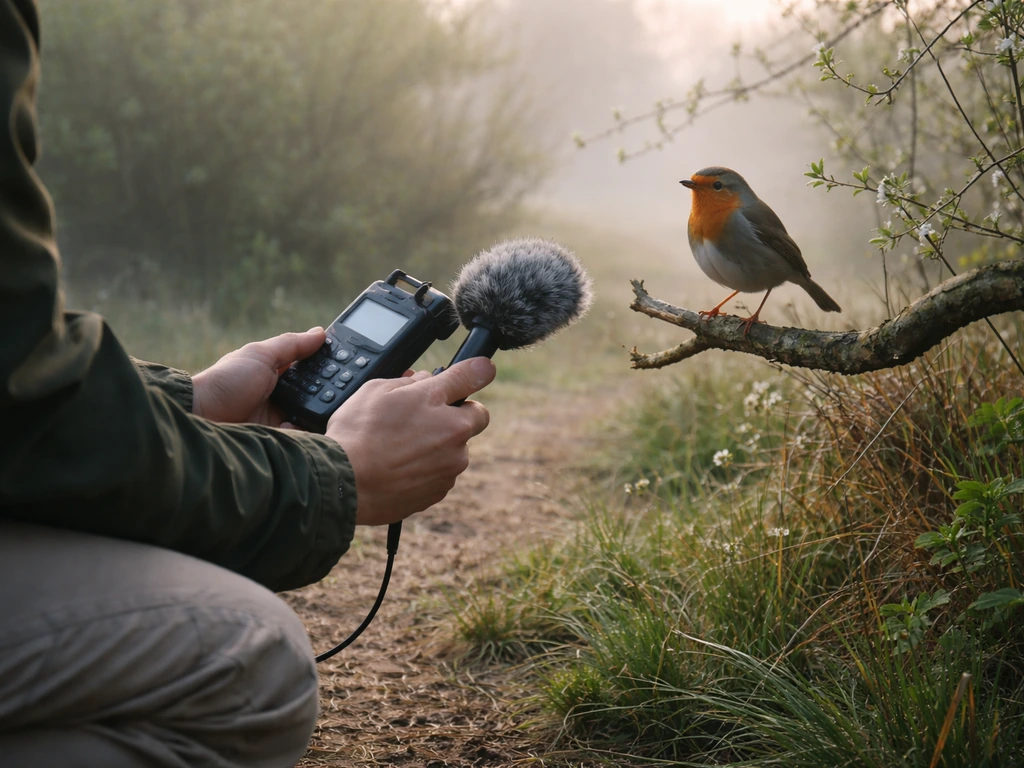
You can start imitating bird sounds today, no musical training required. The process comes down to three things: picking the right target call, training your ear with real recordings, and practicing until your voice (or a simple tool) produces something close enough to be convincing. This guide walks you through exactly that, from choosing your first bird call all the way to practicing ethically so you're not stressing out the birds you're trying to connect with.
How to Imitate Bird Sounds: Beginner Guide and Practice Plan

Marcus Hendricks
15 Apr 2026
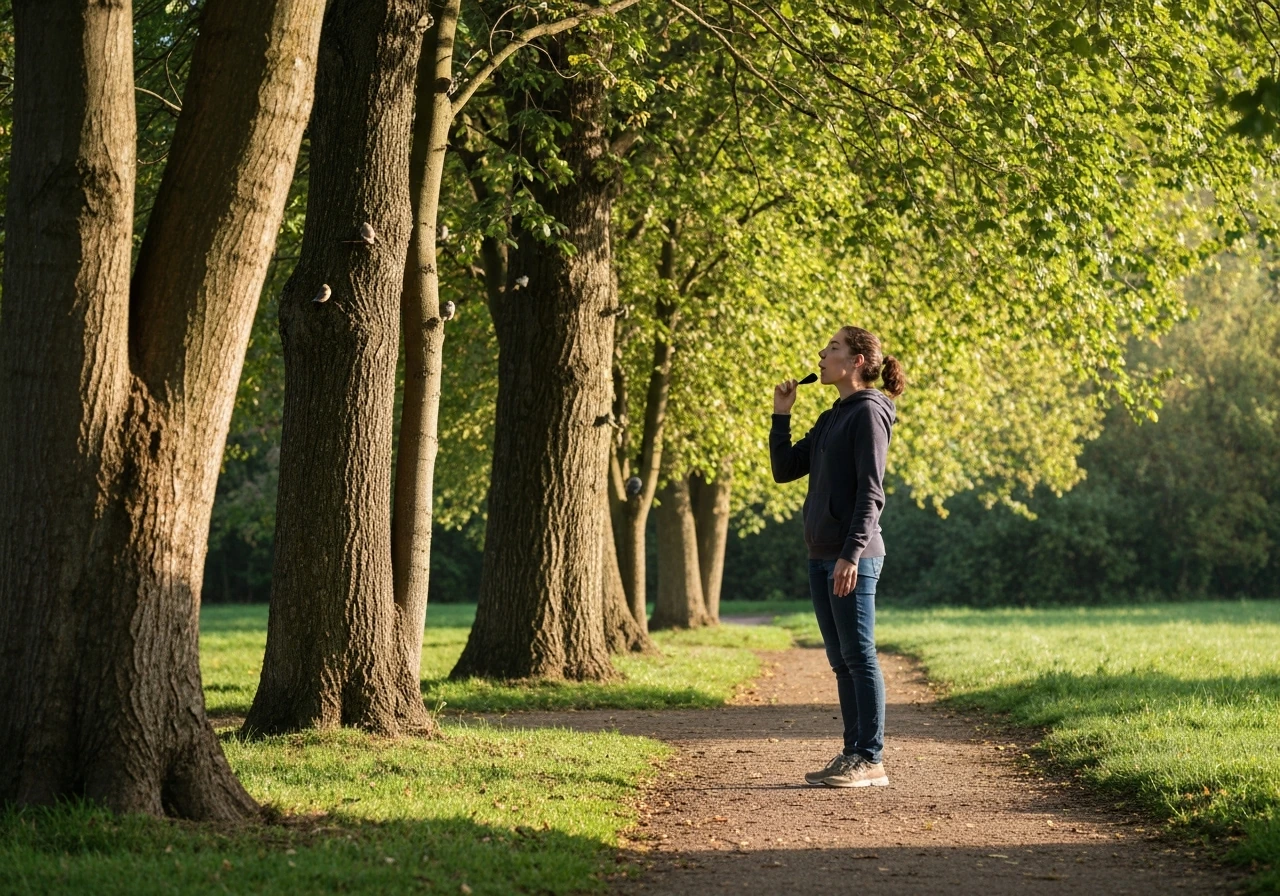
First, figure out what kind of bird sound you're actually targeting

Not all bird sounds are the same, and trying to imitate a wood thrush song when you meant to learn a chickadee call is going to frustrate you fast. Bird vocalizations generally break into a few categories: a single note by itself, the same note repeated without a significant pause, a phrase of two or three syllables, or different short notes and series separated by pauses. Knowing which type you're after changes how you practice.
For beginners, single-note calls and two-to-three syllable phrases are the best starting point. Think of the black-capped chickadee's "chick-a-dee-dee" or a simple peewee whistle. These are short enough to hold in your memory, simple enough to match with your voice, and forgiving enough that a rough attempt still sounds recognizable. Save the complex thrush melodies for after you've built some basic muscle memory.
Once you've chosen a target, find a clean reference recording. Apps like Merlin (from the Cornell Lab) or BirdNET are great for this. BirdNET actually records audio and uses a neural network to identify the most probable bird species in the file, which means you can confirm you're practicing the right call before you invest hours into it. Pull up the recording and listen to it at least ten times before you try to mimic a single note. Your ear needs to map the sound before your voice can follow.
The core vocal techniques for mimicking calls
Here's what most beginner guides skip: producing a convincing bird-like note is a breath and pitch control problem, not a talent problem. Bird calls are close to what acoustics researchers call frequency-modulated tones, meaning they rise and fall in pitch in a controlled, deliberate way. Your job is to reproduce those pitch contours with your own voice.
Start with breath support. A thin, unsupported breath produces a shaky, inconsistent tone. Take a full breath from your diaphragm before each attempt, and push air steadily as you produce the sound. This alone will make your notes cleaner and more sustained. Structured vocal training systems like Estill Voice Training break voice production into specific controllable structures, and one of the core lessons is that breath management underpins every other element of tone. You don't need to take a class, but borrowing that mindset helps.
Next, work on your mouth shape and throat. Many bird calls require a narrow, focused airstream, almost like you're whistling through a small gap. Try rounding your lips into a tight "oo" shape, or pulling the corners of your mouth back slightly for sharper, higher notes. Experimenting with tongue position also changes the resonance dramatically. Move it forward for brighter notes, pull it back for a rounder, more muffled tone.
For the pitch slide (that rising or falling sweep common in many calls), practice gliding from a lower pitch to a higher one in one smooth breath, like a slow whistle glide. Then work on making that glide faster and more controlled. The chickadee's "fee-bee" call, for example, drops in pitch on the second syllable. Practice the drop separately before you try to put the full call together.
- Breathe from your diaphragm before every attempt, not from your chest
- Start with a steady, even airstream before adding pitch variation
- Experiment with lip shape: rounded for softer/lower notes, tighter for higher ones
- Practice pitch glides (up or down) in isolation before combining them into a full call
- Record yourself every few sessions so you can hear what's actually coming out
Using recordings to actually learn the call
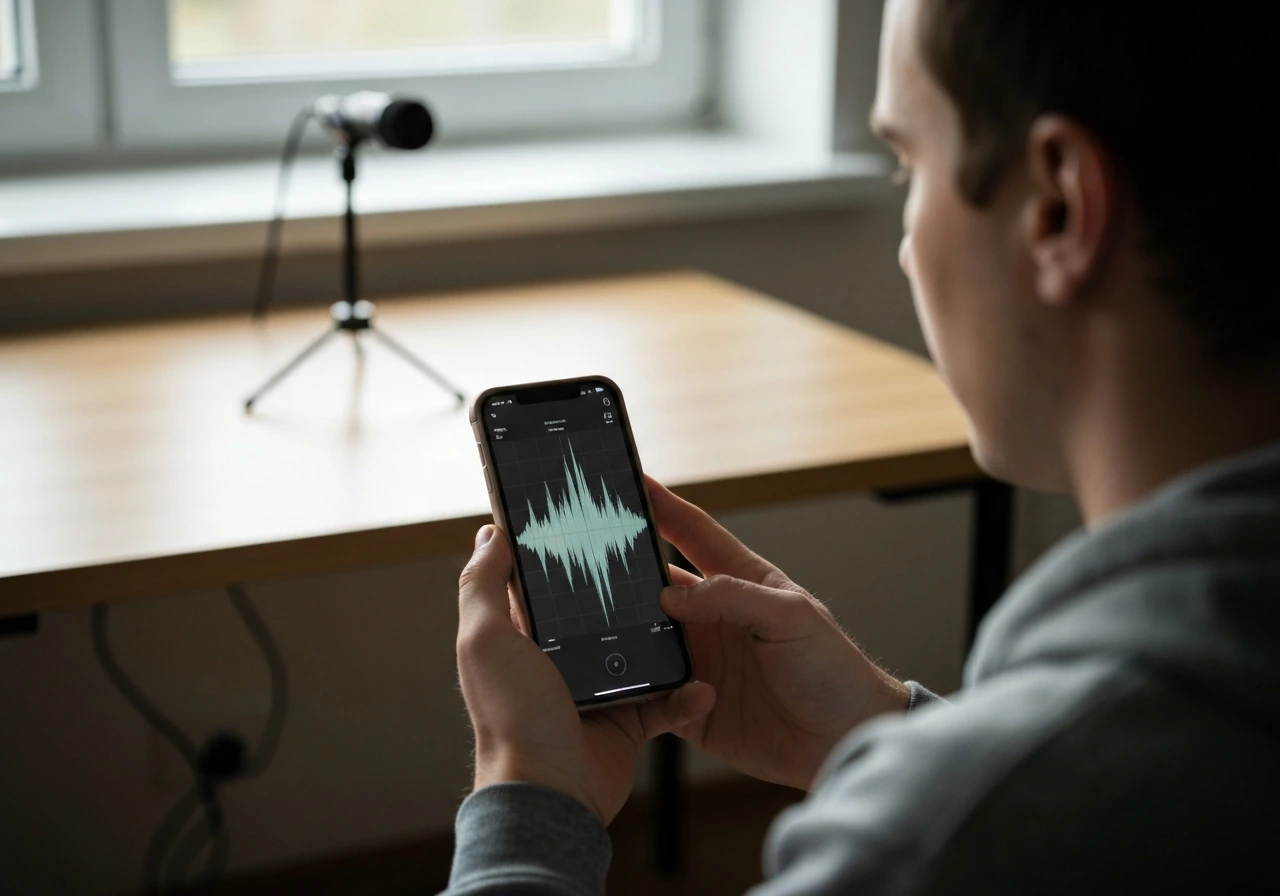
Listening is doing. The best thing you can do before and during practice is loop a clean reference recording and really analyze it. One technique that helped me enormously is using spectrograms, which are visual maps of a sound that plot frequency (pitch) on the vertical axis and time on the horizontal axis. A flat horizontal line means the pitch stays steady. A line that curves upward means the pitch is rising. Gaps between the lines show pauses in the call. Once you understand this, you can see a bird call instead of just hearing it, and that visual layer makes it much easier to match.
Apps and tools like blank" rel="noopener noreferrer">Merlin and Raven Lite (also from Cornell) can show you spectrograms of any call. Look at the shape of the notes: are they short and sharp, or long and sweeping? Are the notes close together (a fast trill) or spread apart (a slow, deliberate phrase)? The spacing between notes on a spectrogram directly reflects the tempo of the call, so use it to gauge rhythm as well as pitch. This visual approach to how to record bird sounds and then analyze them is a game-changer for serious practice.
For ear training specifically, Larkwire is one of the most beginner-friendly tools available. It's built around a practice-from-memory model, where you listen to a call, then identify it later without the answer in front of you. That repetition loop burns the call into your memory faster than passive listening. Use it to lock in the rhythm and pitch of your target call before you practice producing it with your voice. You can check out this bird call tutorial for a structured walkthrough of the listening and practice cycle.
Gear that can help: callers, whistles, and other tools
Your voice is the most portable and adaptable tool you have, but for some calls, especially high-pitched or complex ones, simple gear can bridge the gap between what your voice can do and what the bird actually sounds like. Here's a practical comparison of the main options:
| Tool | Best for | Skill required | Cost range | Portability |
|---|---|---|---|---|
| Your voice | Short, simple calls; two-to-three syllable phrases | Low to medium (with practice) | Free | Maximum |
| Wooden/plastic bird whistle | Specific calls (e.g., owl, hawk, duck) | Low | $5–$20 | High |
| Reed or diaphragm caller | Waterfowl and turkey calls; more realistic sounds | Medium | $10–$40 | High |
| Electronic caller / playback device | Any call you load onto it; hands-free use | Very low (just press play) | $30–$200+ | Medium |
| Phone app with playback | Learning reference; field playback | Very low | Free–$15 | High |
Bird whistles are the obvious starting point. A simple wooden owl call or a general songbird whistle costs almost nothing and teaches you a lot about breath pressure and note shaping. If you blow too hard, the note squeaks or breaks. If you blow too softly, nothing happens. That feedback is actually useful for learning how much air control matters.
Reed callers (like turkey diaphragm calls or duck calls) produce a more realistic, complex sound but take a week or two to get consistently clean notes out of. They're worth it if you're specifically targeting waterfowl or turkey imitation. Electronic callers are the most accurate but least instructive: you're not building any skill, just playing a recording. They have their place for fieldwork, but for learning to imitate bird sounds yourself, treat them as a reference tool rather than a crutch.
A useful skill alongside gear use is learning how to record bird sounds on iPhone, so you can capture live calls in the field, compare them to your own attempts, and track your progress over time.
Your actual practice routine: timing, pitch, rhythm, and accuracy
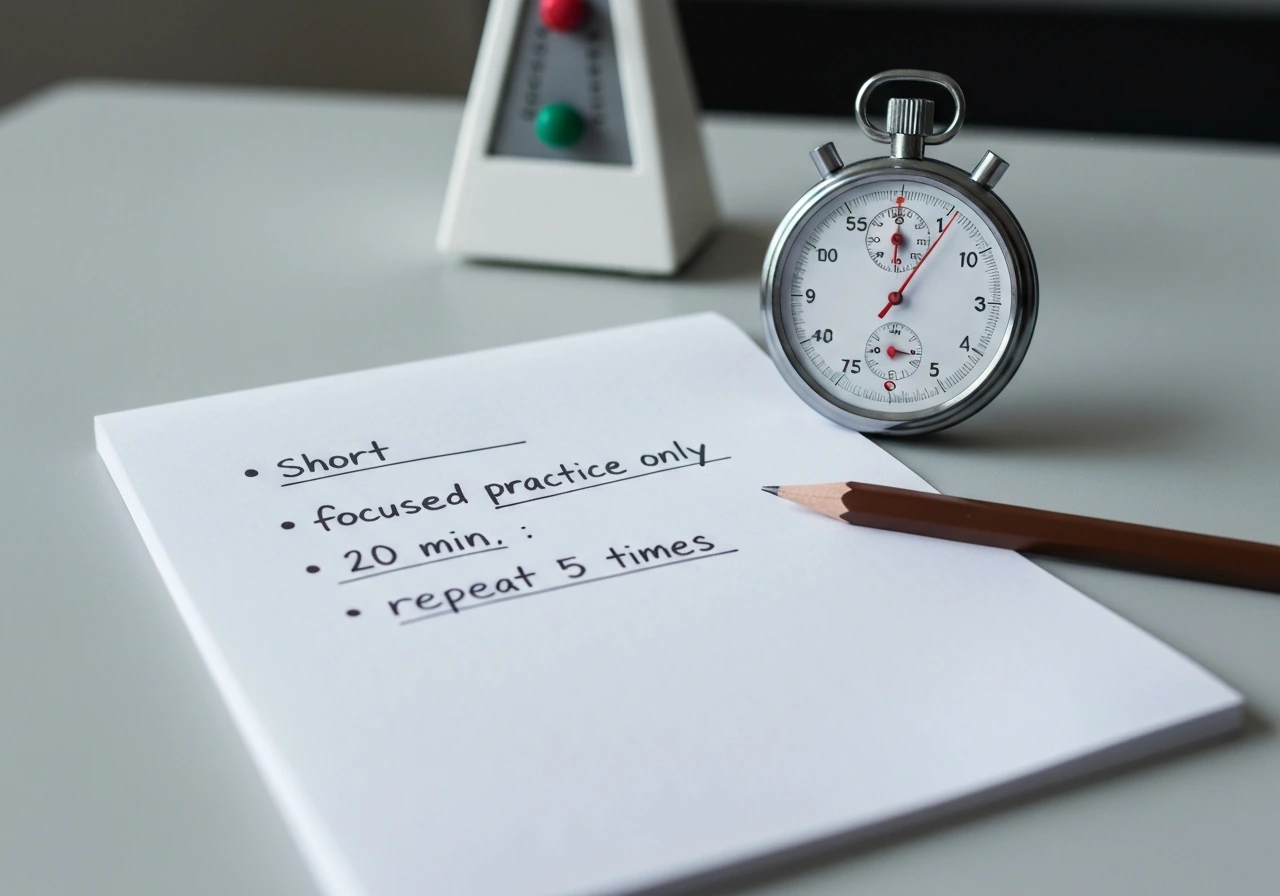
Practice works best in short, focused sessions rather than long, scattered ones. Twenty minutes of deliberate practice beats two hours of casual listening every time. Here's the routine I'd recommend for any beginner:
- Listen to your target call five times in a row, eyes closed. Focus only on the rhythm, the number of notes, and the general pitch direction (rising, falling, or flat).
- Watch the spectrogram for the same call two to three times. Identify where the pauses are and what the pitch shape looks like for each note.
- Try one slow-motion attempt: reproduce just the first note or syllable. Don't rush to the full call.
- Record yourself on your phone. Play it back immediately and compare it to the reference. Be honest about what's off.
- Adjust one variable at a time: if the pitch is wrong, fix that before worrying about rhythm. If the rhythm is right but the tone is thin, work on breath support.
- Run five to ten full attempts, recording every second or third one.
- End each session by listening to the reference one final time, then trying the call completely from memory.
Rhythm is often where beginners fall apart. A helpful mental trick is to think of each call as having syllables, just like words. The eastern towhee's "drink-your-teeeea" is a classic mnemonic for a reason. If a call has an unusual pause in the middle, like a clear gap between phrase one and phrase two, count that pause deliberately: "note, note, pause, note-note-note." That internal counting keeps your timing honest.
Pitch accuracy improves fastest when you use reference recordings as an anchor. Play the recording, hum the pitch, then attempt the call. If you find yourself consistently landing flat or sharp, adjust your throat position first before you push harder. Pushing more air rarely fixes a pitch problem; it usually makes it worse. For a deeper look at the mechanics of producing sounds, the guide on how to do bird sounds breaks down the technique in more detail.
When it's not working: common problems and fast fixes
Your pitch keeps landing wrong
This is the most common beginner problem. If you're consistently flat, your throat is probably too open or your airstream too slow. Try narrowing your lip opening and increasing breath pressure slightly. If you're sharp, do the opposite: relax your lips and reduce pressure. Also try humming the target note before each attempt to prime your vocal cords. It sounds silly but it works.
Your notes sound muddy or unclear
Muddy notes usually mean inconsistent airflow or a tongue position that's too far back. Push your tongue slightly forward and make sure you're committing to the note from the first millisecond of air. Don't "sneak up" on the note. Starting a note cleanly requires decisive breath engagement right from the start.
The timing feels off or your trill is too slow
Slow down and chunk the call. Break it into individual syllables or note groups separated by pauses. Practice each chunk at the correct speed before linking them. The spectrogram view helps here because closely spaced notes visually show you that the trill is fast, while wide gaps between note groups show longer pauses. Use those visual cues to set your internal metronome.
You can't get consistent results
Inconsistency is almost always a breath-control issue. If your output varies wildly from attempt to attempt, focus on breath rather than pitch. Do five attempts where you think only about maintaining a steady, even airstream, ignoring pitch entirely. Once the airstream is reliable, layer pitch back in. Also, record yourself regularly so you have an objective view of whether you're actually improving or just feeling like you are.
If you want to capture and review your attempts systematically, pairing your practice with a solid understanding of how to make a bird read aloud (using playback and audio tools) can help you set up a reliable feedback loop during your sessions.
Practice safely and ethically so you don't harm the birds you love
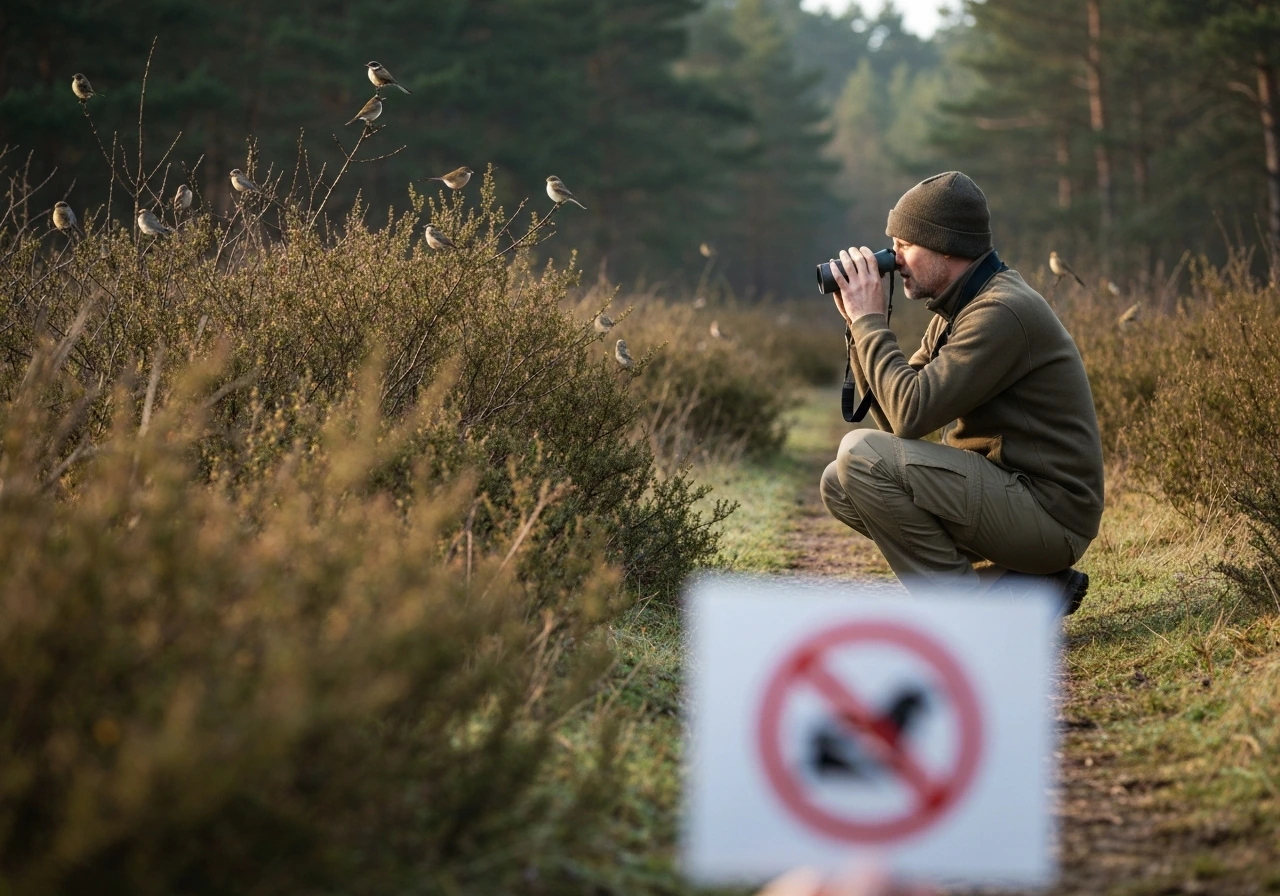
This section matters more than most guides admit. Playing back bird calls or imitating them in the field can stress birds significantly, especially during breeding season. When a bird hears what sounds like a rival or intruder, it may leave its nest to investigate, putting eggs or chicks at risk. Some birds will spend energy they can't afford defending territory against a sound that isn't real. That's a cost to the bird for your entertainment, and it's worth taking seriously.
The American Birding Association's Code of Birding Ethics is clear: minimize habitat disturbance and be aware of regulations around audio lures in sensitive or protected areas. Several national parks and wildlife refuges explicitly prohibit playback, and nesting areas are almost always off-limits for this kind of activity. Before you practice in a new location, spend two minutes checking whether there are local rules.
Audubon's guidance on playback is direct: don't use it at all near nests. Forsyth Audubon adds practical field advice: keep volume low, be patient, and remember that recorded calls travel farther than you think. If a bird appears agitated, stop immediately. High Country Audubon's guidelines emphasize that the overarching goal is to minimize disturbance, full stop. Texas Parks and Wildlife similarly cautions against overusing screech owl recordings or other playback tools to call birds in.
- Practice your vocal imitation at home first, away from wild birds, before taking it to the field
- Never imitate calls near active nests or during the peak breeding season (roughly April through July in most of North America)
- In the field, limit any playback or imitation to brief attempts, then wait and observe before trying again
- Keep volume low: your voice or caller does not need to be at maximum volume to attract or communicate
- If a bird responds with visible agitation (aggressive posturing, alarm calls, distress behavior), stop immediately and move away
- Check local regulations before using any playback in parks, refuges, or protected habitat
- Focus most of your practice sessions indoors or in areas without active bird territory nearby
The good news is that most of your imitation practice happens indoors anyway, matching your voice to a recording. That's zero impact on any bird. Save the field testing for brief, careful, regulated moments, and you'll enjoy this hobby without doing any harm. That balance is what makes bird-sound imitation a genuinely sustainable skill to develop.
FAQ
What if I can’t match the pitch at all, even after I adjust my lips and breath pressure?
Focus on isolating the pitch contour first, then bring rhythm back. Hum just the rising or falling slide for 30 to 60 seconds, record it, and compare the contour on a spectrogram, before trying the full call. If your hum is already off, pushing harder with air will usually make it sharper or louder without improving accuracy.
How loud should I practice so it doesn’t bother birds?
For indoor practice, aim for the lowest volume that still lets you hear fine pitch changes in your own voice (often quiet whisper-to-whistle range). Avoid using a speaker outdoors at home. In the field, keep playback or imitation very brief, if allowed, and move away if you see any alert posture, wing flicking, or repeated approach behavior.
Can I imitate more than one bird species without confusing my ear and voice?
Yes, but switch one variable at a time. Pick one target for at least 3 to 5 short sessions, then add a second only after you can repeat the first call within a tight rhythm window. Otherwise your memory loop can blend calls, especially for species with similar note counts.
Should I practice with the same reference recording every time or rotate between recordings?
Use one clean recording to lock in the core structure, then rotate recordings later to handle natural variation. Birds change pitch, speed, and sometimes the last syllable depending on time of day, individual bird, and context. Rotating too early can slow your progress because you chase different versions of the same call.
How do I know whether I’m imitating the right call type (single note, repeated note, phrase, or series)?
Check the pause structure first. If there are distinct gaps, count them and match those silences, then tune pitch. Many beginners focus on the note quality and miss the spacing, which is the part your listener brain interprets as the call category.
What’s the fastest way to improve rhythm if my call “drifts” over multiple attempts?
Use a metronome-like approach by clapping or tapping the pause pattern, then add sound. Start with counting syllables (including the gaps), record two attempts back-to-back, and compare them for timing consistency. If timing is unstable, don’t layer extra pitch work yet.
Do I need perfect vocal control to imitate higher-pitched calls?
Not perfect, but you do need clean onset. High notes usually fail at the first millisecond due to breath and tongue timing. Humming the target and then immediately switching to the call can help your system start the pitch before you add any vibrato or extra shaping.
If my imitation sounds too “human” or like a whistle, what should I change?
Adjust resonance, not just pitch. Try a slightly different mouth funnel (tighter lip shape for sharper notes, more forward tongue for brightness, more relaxed tongue back for a rounder tone) and match the shortness or length of the note on your spectrogram. Often the fix is shortening the sustain and making the airflow commit earlier.
Is it okay to use electronic callers to learn a bird call and then stop?
Use them as a reference playback only, and transition out quickly. A good workflow is, listen a few times, practice the call yourself without the device, then check again. If you only play the recording and never attempt production, you will not build the breath and contour control the article emphasizes.
What should I do when my attempts are inconsistent from day to day?
Treat it like breath readiness. Do 2 to 3 minutes of steady, quiet airflow practice (same volume, smooth start and stop) before you attempt the call. Also record on the same device and in similar conditions, since background noise can make you misjudge pitch and rhythm.
Can I practice bird sounds using a phone app without recording birds in the field?
Yes. You can use apps for analysis by recording only your voice indoors and then comparing your spectrogram to the reference call. This avoids additional disturbance and gives you a direct “what changed” feedback loop without needing field playback.
How should I handle ethical concerns if I want to practice in a real habitat?
Even if you are imitating with your voice, don’t do repeated calling near nests or known breeding areas. Keep sessions short, stop immediately if birds show agitation, and check local rules for audio lure and playback permissions before you test in a sensitive site.
Next Article
How to Record Bird Sounds: Setup, Settings, Tips
Learn how to record bird sounds with the right mic, placement, settings, and troubleshooting for clean calls and songs.