You can absolutely learn to recognize birds by their sounds, even as a total beginner. The trick is not having a perfect ear or years of field experience. It is having a simple method, the right tools, and about 10 minutes a day to practice. This guide walks you through exactly that: what bird sounds actually are, how to listen for them, and how to build a routine that sticks.
How to Do Bird Sounds: Learn Bird Calls Step by Step

Marcus Hendricks
2 Apr 2026
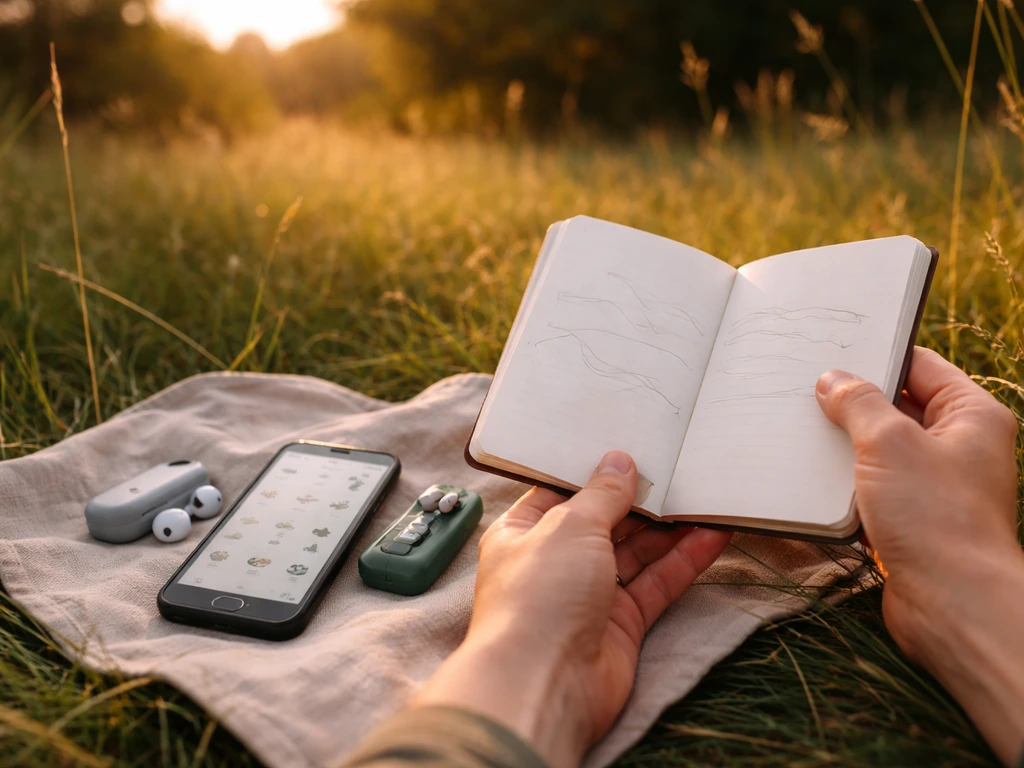
How bird sounds actually work: songs vs calls
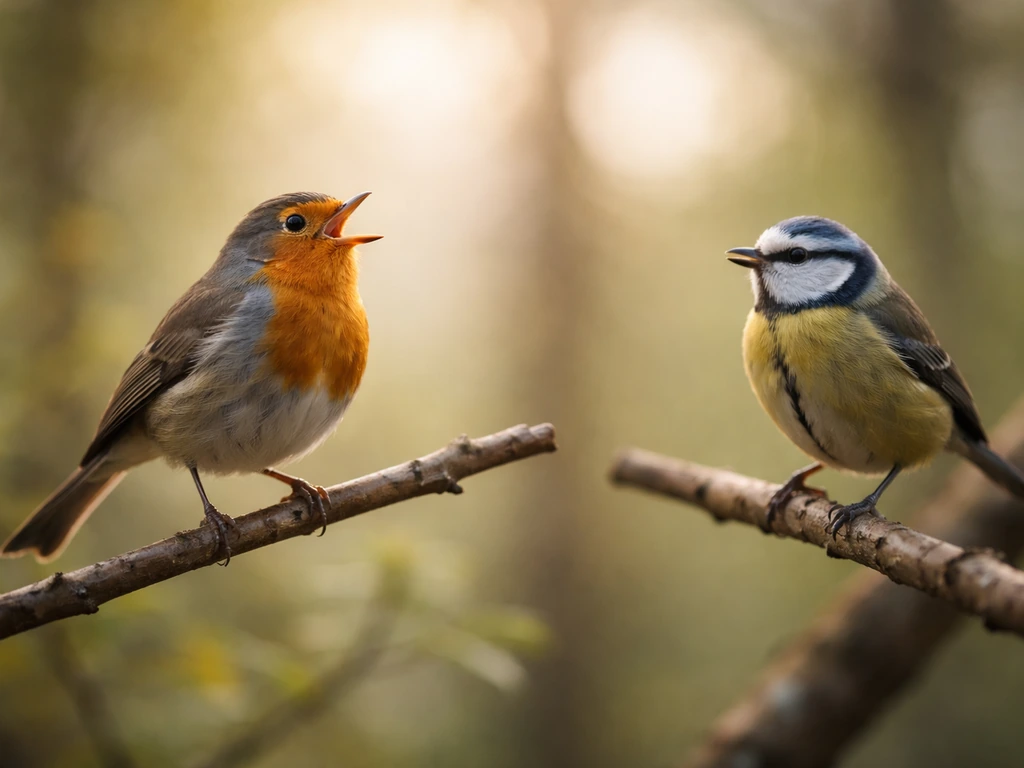
The first thing to get straight is the difference between a song and a call, because birders treat these as two distinct things. The difference is about function, not complexity. Songs are longer, more elaborate vocalizations that birds use for territorial defense and attracting mates. Calls are shorter and simpler, used for things like sounding an alarm or keeping a flock together while moving through the trees.
Think of it this way: a song is a bird broadcasting to the world. A call is a bird talking to specific individuals nearby. Field guides actually formalize this with shorthand notation (S for Song, C for Call) precisely because the distinction matters so much when you are trying to identify what you heard. When you look up a species in an app or a guide, you will often find separate audio clips for each type.
Within those two categories, here is what your ears should be paying attention to: pitch (is it high and thin, or low and rich?), rhythm (is it a series of quick chips, or long drawn-out notes?), repetition (does the bird repeat the same phrase over and over, or does it string together varied phrases?), and pacing (fast and frantic, or slow and deliberate?). Those four qualities together create a kind of audio fingerprint for each species.
One more thing worth knowing: spectrograms are visual maps of a bird sound, plotting pitch against time so you can literally see what a call looks like. Apps like Merlin use them to navigate and display recordings. You do not need to read them fluently as a beginner, but knowing they exist helps you understand what the app is showing you when a sound gets identified.
How to identify a bird by ear in the field
Identifying birds by ear feels overwhelming at first. There are a lot of birds, and the woods can sound like chaos. But most experienced birders use a consistent mental checklist when they hear an unfamiliar sound, and that checklist is learnable.
- Stop and listen before doing anything else. Resist the urge to immediately scan the trees. Let your ears locate the direction and the height of the sound.
- Note the habitat and time of day. A warbler sound in a dense thicket at dawn is different context from the same pitch heard in an open field at midday. Location narrows your list fast.
- Describe the sound to yourself in plain words. High? Low? Fast chips? Slow whistles? Is it repeating the same phrase, or varying it? Talking yourself through it locks the pattern into short-term memory.
- Count repetitions. Many species have a signature number of repeated phrases before they change, and that rhythm becomes part of the ID.
- Compare to a reference immediately if you can. Open your app and let it listen, or pull up the species you suspect and compare. The listen, compare, confirm workflow is exactly what tools like Merlin Sound ID are built around.
One hard-won lesson: when you hear two similar species and cannot tell them apart, do not guess and move on. Mark the location, note the habitat and the sound qualities, and look them up later. Confusing similar species is normal. The American Robin and the Rose-breasted Grosbeak both sing rich, melodic phrases and trip up beginners all the time. The fix is deliberate comparison practice, not more field time hoping for clarity.
The best step-by-step practice plan for learning bird sounds
Random listening does not build a reliable skill. What works is a structured, layered approach where you add new birds one at a time and reinforce what you already know. Here is a practical plan you can start today.
Week 1: Build your anchor birds
Pick five common birds in your area. Just five. Use an app like Merlin or eBird's Explore Birds feature to see which species are likely in your location right now. eBird’s Help Center explains Explore as a way to discover nearby birding hotspots and learning opportunities, including connections to eBird-sourced sightings data eBird's Explore Birds feature. For each bird, listen to both the song and the call clip. Then write a one-sentence description of each sound in your own words. Stupid simple descriptions are fine: 'cheerily-cheerio whistling, like a question and answer,' or 'two quick chips, then a buzzy trill.' That translation step is what makes the memory stick.
Week 2: Go outside and match sounds to names
Take your five anchor birds outside. Your only job is to hear one of them in the wild and confirm the ID. Use Merlin Sound ID to listen passively in the background while you walk. When it flags one of your five, pause and actively listen. Does the live sound match what you practiced at home? This matching step closes the gap between what recordings sound like indoors and what birds actually sound like in the field, where wind, distance, and foliage all change the sound quality. That gap is the number one thing that trips up beginners, so closing it early matters.
Week 3 and beyond: Stack and review
Add three to five new birds each week, but keep reviewing your anchor birds daily. Spaced repetition is the most efficient way to lock sounds into long-term memory. Apps like BirdBrain are specifically built around spaced repetition quizzes for exactly this purpose, surfacing sounds you are weak on before you forget them. Think of it like flashcards, but for your ears. If you are also interested in deepening your hands-on skills, a good bird call tutorial can walk you through the nuances of specific species vocalizations in much more detail.
Tools and resources that actually help
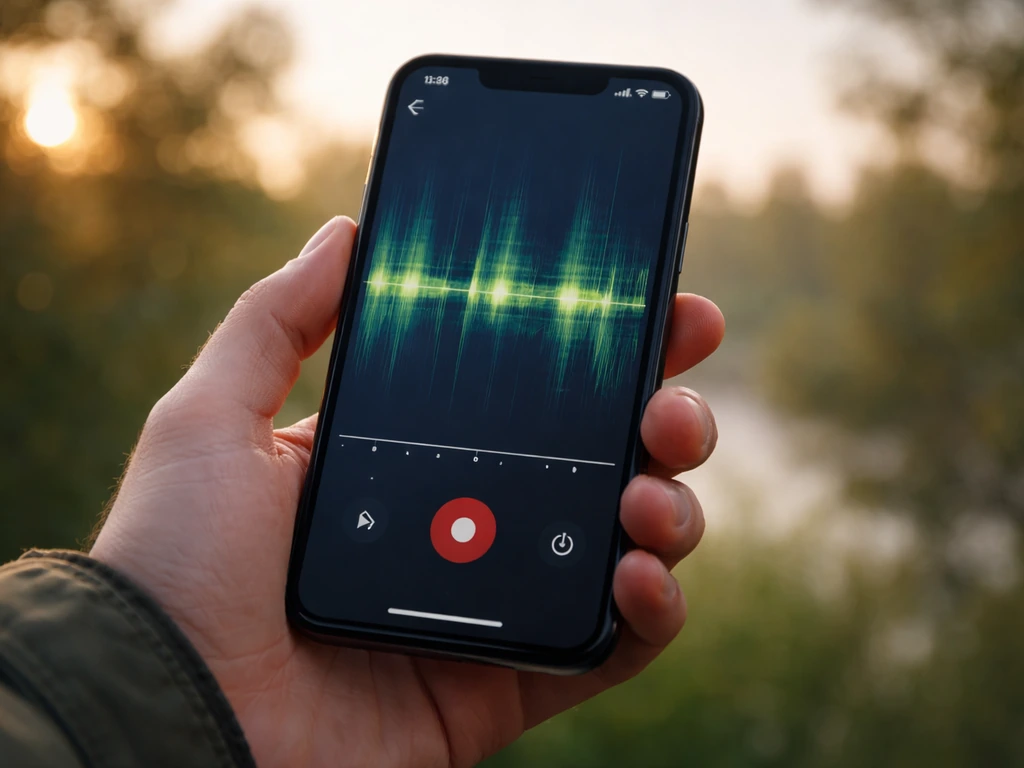
The right tools make a massive difference. Here is an honest breakdown of what to use and what each one is best for.
| Tool | What it does best | Best for |
|---|---|---|
| Merlin Sound ID (Cornell Lab) | Real-time passive listening + AI identification + offline use | In-the-field ID and confirming live sounds |
| Audubon Bird Guide App | 800+ species profiles with over 8 hours of song and call audio clips, plus range maps | Studying sounds at home and learning species profiles |
| BirdBrain | Spaced repetition quizzes on bird sounds and IDs | Building long-term memory of species you have already heard |
| eBird Explore Birds | Shows likely species for your area with recordings and ID help text | Building your starter list of local birds to learn |
| Macaulay Library (Cornell) | Huge archive of real-world sound recordings contributed by birders | Deep comparison listening and research |
Merlin Sound ID is powered by training data from the Macaulay Library, which is a massive archive of photos and audio recorded by birders worldwide. That real-world training data is a big reason why the AI performs well across a broad range of species and conditions. It also works offline, which matters when you are birding somewhere without cell service. If you want to go further and capture sounds yourself, learning how to record bird sounds properly will give you a personal library to study from and a much sharper ear for detail.
The Audubon Bird Guide app is worth having alongside Merlin because its more than 8 hours of audio clips cover both songs and calls across 800+ North American species. When you hear something in the field and want to study it systematically afterward, having that depth of audio reference is genuinely useful.
A note on playback ethics
One thing you will see debated in birding communities is whether you should play bird call audio to attract birds. The honest answer is: be careful and lean toward not doing it. The American Birding Association code of ethics says to limit the use of recordings to attract birds, especially in heavily birded areas and for rare, threatened, or endangered species. Some regions, like Hawaii, have guidelines that say outright not to use call playback from a smartphone. Using sound for learning and identification is completely different from broadcasting it repeatedly to lure birds closer. Keep that line clear.
Getting started today: your first routine and what to do when things go wrong
Here is a simple daily routine you can start right now, even if you have never paid attention to bird sounds before.
- Morning (5 minutes): Open Merlin or the Audubon app and listen to the song and call for one species you want to learn. Read the description, then listen twice more with your eyes closed.
- Midday or commute (5 minutes): Pull up BirdBrain or a quiz mode and test yourself on sounds you have already studied. Get it wrong? Good. That is exactly what accelerates memory.
- Outdoor session (10 to 20 minutes, even a few times a week): Step outside with Merlin Sound ID running passively. When it flags a bird, stop and actively listen. Then compare the live sound to the recording in the app.
- Evening (optional, 5 minutes): If you captured anything interesting or confusing during the day, look it up and file it away. Even just writing one sentence about a sound you heard helps it stick.
When things do not sound like the recording
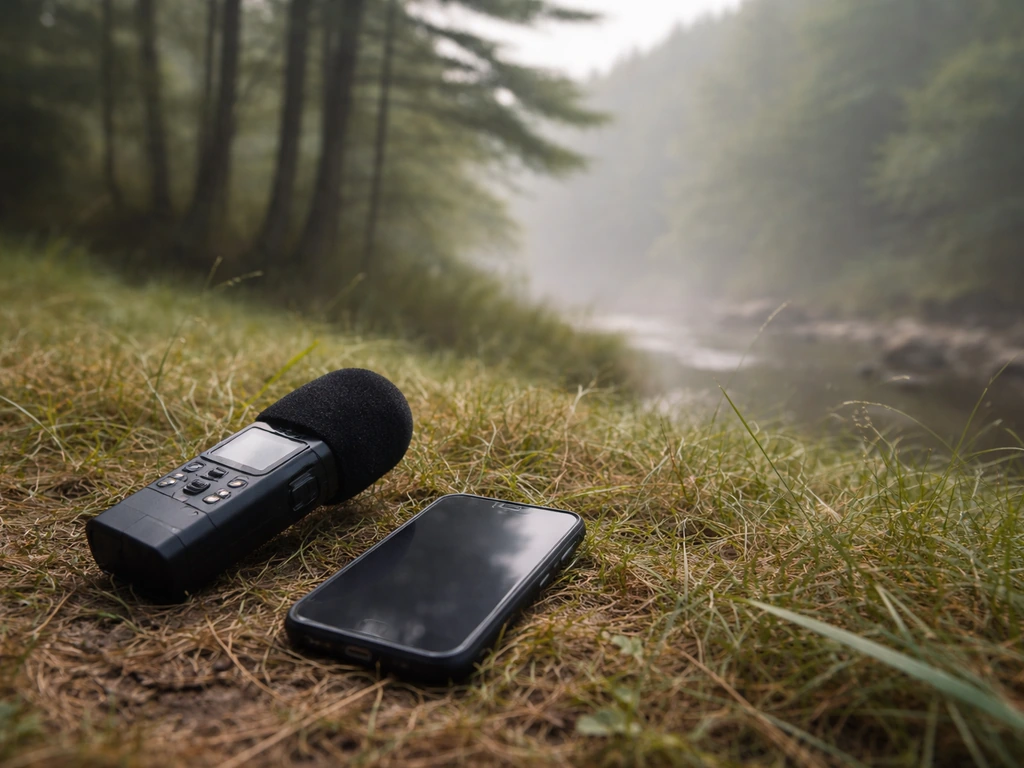
This is the most common beginner frustration, and it is completely normal. Distance muffles high frequencies. Wind masks soft notes. Trees and buildings echo and distort. A bird at 50 meters in dense foliage sounds genuinely different from a clean studio-quality clip. The fix is not to doubt your ears. It is to listen to multiple real-world recordings of the same species, not just one polished example. The Macaulay Library archive is ideal for this because the recordings come from real field conditions, not controlled settings.
When two species sound too similar to tell apart
Pick one as your reference and study the differences deliberately. Most confusingly similar pairs have at least one reliable distinguishing feature: a slightly higher pitch, a different ending phrase, or a different habitat where you are likely to hear them. Do not try to memorize both at once. Nail one first, then learn the other as a contrast. If you want to go even deeper on making your own sounds in the field, understanding how to imitate bird sounds can train your ear in ways that passive listening simply cannot.
When you cannot remember a pattern after hearing it
Translate it into something weird and personal. Birders have been doing this for centuries: the Eastern Towhee sounds like it is saying 'drink your teeeea.' The Barred Owl says 'who cooks for you, who cooks for youuuu.' Ridiculous mnemonics work because they create a second memory hook. When your ear hears the rhythm, your brain retrieves the phrase, and the species name follows. Make them as strange and specific as you need to. Nobody else has to understand them.
If you want to capture sounds in the field rather than just identify them, a smartphone is already a capable starting point. Learning how to record bird sounds on iPhone takes very little setup and gives you your own reference library almost immediately. For anyone who wants to go beyond identification and actually perform or teach bird sounds, the skill of getting a device or a child's toy to play back audio reliably also matters, and knowing how to make a bird read aloud covers that practical side. The point is that once you start listening actively, there are a lot of directions you can take it.
Give yourself two weeks of consistent practice with this routine before judging your progress. The first week feels slow. The second week, you will start hearing familiar sounds automatically, without consciously trying, and that is when it becomes genuinely fun. Start with five birds. Stick to the routine. Everything else builds from there.
FAQ
Should I practice bird songs or bird calls first?
Aim to learn from the same bird type you are trying to identify. If your app shows separate clips, practice song for species that have strong songs, and practice calls for birds that are mostly heard as short phrases (often in dense cover). If you only study one, your ID accuracy will drop when the bird gives the other vocal type.
What should I do if two birds sound almost identical to me?
Don’t try to memorize everything. When two species sound similar, pick one distinguishing feature to hunt for every time (for example, the ending note, a particular rhythm pattern, or a specific pitch level). Then compare only those features against your reference recordings until you can reliably spot the difference.
Is it okay to rely on an app’s “Sound ID” without pausing to listen?
Yes, but use it intentionally. Passive listening is for catching a likely match, then switch to active listening (stop moving if you can, focus for 15 to 30 seconds, and confirm rhythm and pacing). If you stay passive the whole time, you will recognize the app’s guess but not build the recognition skill.
How many new birds should I add so I don’t get overwhelmed?
Start by adding birds gradually and reviewing the same set daily. A practical limit is 3 to 5 new birds per week while keeping your anchor birds on a daily rotation, because spaced repetition works only if older sounds are revisited regularly.
What’s the best way to handle times when I hear something but can’t identify it?
If you are unsure, don’t guess and move on. Make a quick “field note” in your phone (location, habitat, time of day, and 1 to 2 sound descriptors like “high thin chips” or “slow mellow whistles”), then look it up later using those notes. This prevents your brain from locking onto the wrong memory.
Does time of day or weather change bird sounds enough to matter for learning?
Yes. Morning and early evening often have different vocal patterns, and weather changes what you hear (wind, rain, and even humidity can alter clarity). If you train at one time of day only, you may struggle when birds call differently later.
How do I avoid confusing distance or wind-muffled sounds with the wrong species?
Use multiple real recordings for the same species, then compare “your” sound to your reference, not the other way around. Also note that distance lowers high frequencies, so if a sound seems dull, don’t immediately assume it is a different bird, verify rhythm and overall pitch shape instead.
Should I quiz myself right away or wait until I’m more confident?
Start with a small set of anchor birds and practice them until you can identify them without checking every time. If you test yourself on a large list too early, you will mostly memorize app labels rather than the sound fingerprints you are aiming to learn.
Is it ever okay to play bird calls to attract birds for practice?
It can, especially if you do it repeatedly or in sensitive areas. If you choose to use playback at all, treat it as a last resort for learning, keep volume low and duration short, and avoid attracting birds for rare or threatened species. In many birding areas, guidelines discourage smartphone call playback.
Can I learn using my own recordings instead of only app clips?
You can. Focus on recording consistently, then compare your recordings to reference clips for the same species. Even when audio quality varies, you can practice matching rhythm and phrase structure, and your brain will learn what “your environment” does to the sound.
How should I use bird call imitation without messing up my identification practice?
Don’t try to imitate calls to “get the answer” before you can recognize. If you imitate while you are still learning, it can introduce extra sounds that confuse the identification process. Use imitation only after you have a baseline of recognition for a few species.
How long does it usually take before I start recognizing birds reliably?
Keep practice sessions short and repeatable, but plan for a minimum learning window. A good rule is at least two weeks of daily listening to see real gains, because recognition builds from repeated exposure to specific sound patterns over time.
Next Article
How to Bird Mouth a Rafter: Step-by-Step DIY Guide
Step-by-step guide to cut the bird-mouth notch in a roof rafter, measure pitch accurately, and fit for a tight seat.