Playing bird song comes down to three things: pulling up a recording on your phone and hitting play, using a physical bird-call device or whistle, or learning to mimic the sounds yourself. Each approach works, and you can get results today with zero special equipment. Which one makes sense depends on what you're actually trying to do, so let's break down all three and sort out how to use each one well. If you're specifically looking for how to play Little Bird, the same setup and timing tips apply, but you'll want to use the exact recording or call that matches the melody you’re practicing.
How to Play Bird Song: Recordings, Calls, and Imitation
Marcus Hendricks
14 May 2026
What 'play bird song' usually means
The phrase means something different depending on who's using it. Most beginners mean one of three things: playing a recorded bird song through a speaker or phone (the most common case), operating a handheld bird-call device or electronic caller, or imitating a bird's song using your own voice. There's also a more specific birding term: 'playback,' which means deliberately playing a bird's song outdoors to draw that species into view. That's its own skill with its own rules. It's worth knowing the difference early because playback has ethical limits that casual listening or voice imitation don't.
A fourth thing some people mean: identifying a bird you just heard by matching it to a recording. Apps like Merlin from Cornell Lab let you record a bird sound in real time and get suggestions instantly, then play reference audio side by side to confirm the ID. In Merlin Sound ID, you then play reference audio alongside your recording to compare and confirm the bird’s identification record a bird sound in real time and get suggestions instantly. That's using bird song to learn, not to attract birds. All of these are valid, so figure out which one fits your goal and start there.
Quick-start: playing bird songs from your phone
This is the fastest way to hear any bird song right now. You don't need to download anything complicated. Here's the simplest path:
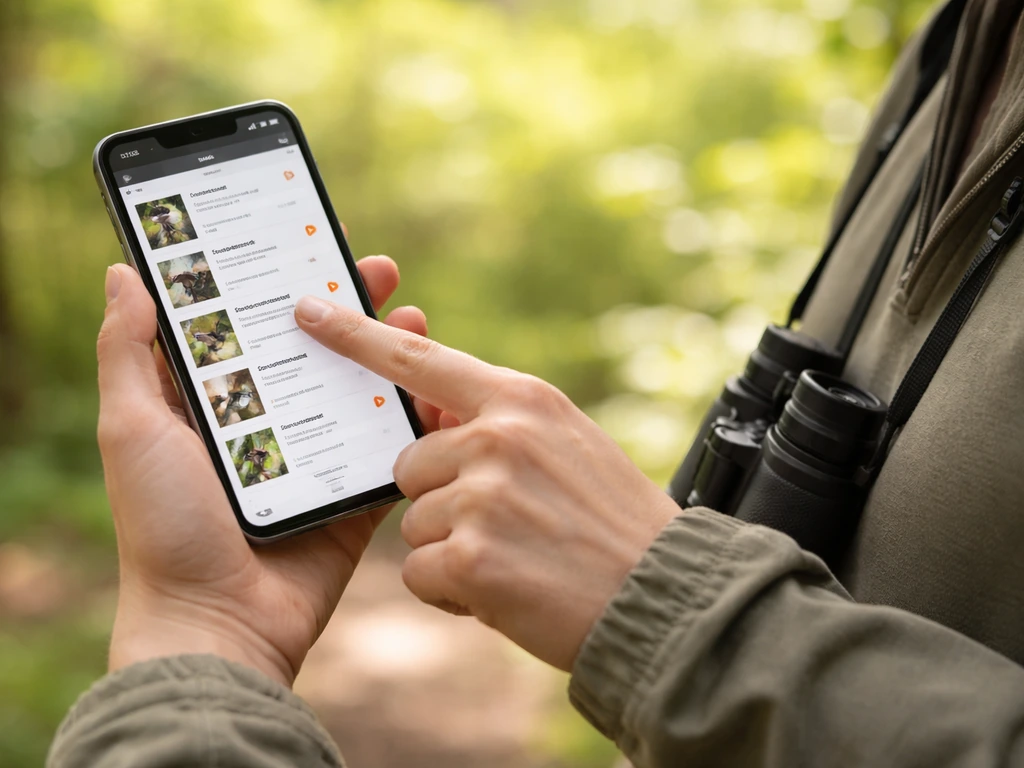
- Open the Merlin Bird ID app (free from Cornell Lab, available on iOS and Android). Search for any bird by name, tap on it, and scroll to the Sounds section. Tap any recording to play it.
- Alternatively, go to xeno-canto.org in your phone's browser. Search by species name. Every recording has a play button, and many have a free MP3 download option if you want to save the file.
- Cornell Lab's Macaulay Library (macaulaylibrary.org) is the largest archive of bird sounds in the world. Search, filter by species and region, and stream or download. Files come as MP3s (compressed but perfectly listenable) or WAV files (higher quality, larger file size).
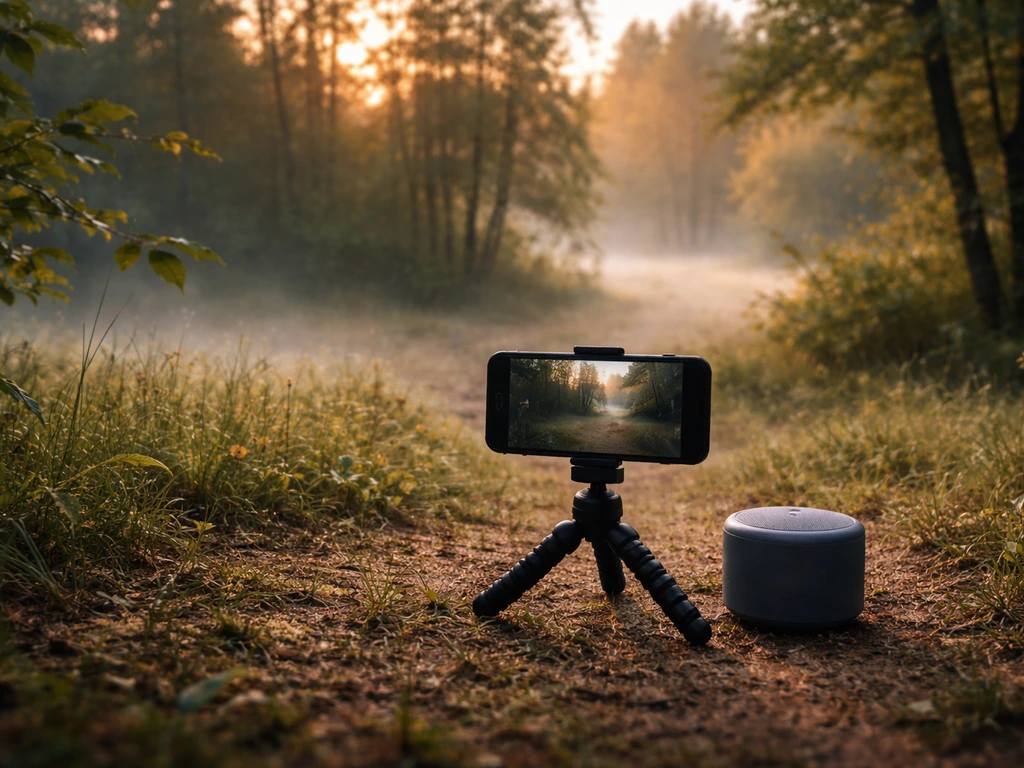
- For outdoor playback through a Bluetooth speaker, just connect your speaker, open any of the apps or sites above, and hit play. Keep the volume moderate. A good rule of thumb: start lower than you think you need, then adjust up.
If you're also trying to record bird sounds in the field, skip your phone's default Voice Memo app. It records compressed MP3s that lose a lot of detail. Apps like RØDE Rec (iOS) or RecForge II (Android) record in WAV format, which preserves the full quality of the sound and makes it much easier to compare recordings later. It's a small change that pays off fast.
Using bird-call devices safely and effectively
Physical bird-call devices range from simple wooden friction calls and squeaky pishing tools to handheld electronic callers with built-in speakers and species libraries. Here's how to use them without frustrating yourself or the birds:
- Read the device manual first. Electronic callers especially have volume controls, playback modes, and sometimes preset loops. Understand what 'repeat' or 'loop' settings do before you go out.
- Start with the volume low. Seriously, lower than feels right. You want the sound to mimic a real bird in the area, not a PA system. A bird 30 feet away doesn't need a concert-hall blast.
- Use short bursts rather than continuous play. Three to five seconds of a call, then silence. Wait. Let any birds in the area react before you play again.
- Hold the device at roughly the height a real bird would be singing from, which is usually low-to-mid vegetation level rather than above your head.
- Clean friction calls (like wooden box calls or slate calls) regularly. Moisture and debris change the sound quality significantly.
- Check that your electronic caller's batteries are fresh before a trip. Low batteries often cause distorted or lower-pitch playback, which can play the wrong impression of a call.
One mistake I made early on was cranking up the volume because I was impatient and wanted a fast response. The birds either fled or ignored it completely. Turning it down and adding more silence between bursts changed everything. Birds respond to something that sounds like a real territorial rival, not a fire alarm.
Imitating bird songs yourself
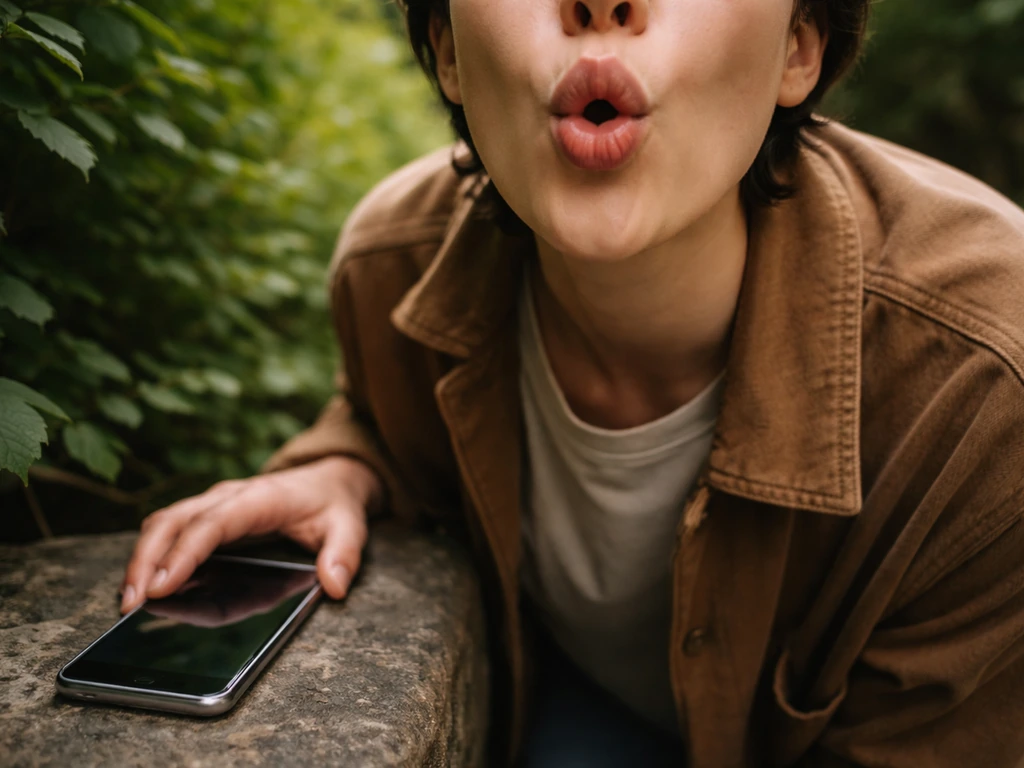
Voice imitation is genuinely one of the most rewarding ways to connect with birds, and it's more approachable than most beginners expect. If you want to sing greenfinch and linnet calls yourself, practice short phrases at dawn and use repetition to match the timing and pitch connect with birds. You don't need a perfect ear. You need patience, repetition, and a good mental hook for each song.
- Start with simple songs. The Eastern Towhee's 'drink-your-tea' and the White-throated Sparrow's whistled 'Old Sam Peabody' are famous beginner targets because the mnemonics map almost perfectly to the real sound.
- Listen to a short clip of the bird's song (Merlin or xeno-canto work great here) and notice three things: the rhythm (fast or slow?), the pitch (high, low, or sliding?), and the tone (buzzy, clear, fluty?). These three elements are what you're trying to reproduce.
- Hum or whistle the song quietly to yourself while the clip plays. You're not performing for anyone. You're building muscle memory.
- Practice without the recording. Hum or whistle from memory, then check yourself against the clip. The gap between what you thought you did and what the recording sounds like tells you exactly what to work on.
- Get outside and try it. Even a rough imitation sometimes draws a curious bird in close. The bird is investigating whether you're real competition, not grading your technique.
- Use phonetic shortcuts. If a sound reminds you of a word or phrase, write it down. Your personal mnemonic will stick better than a textbook one.
Real progress here is slow but steady. Most experienced birders say it took them a full season to reliably recognize and reproduce even a handful of calls. Don't rush it. Each one you nail is genuinely useful for life.
Where and when to play bird song for the best results
Timing matters more than almost anything else. Birds are most active during early morning, starting before sunrise and carrying on well past it (that's the dawn chorus you may have heard about). Early morning is when territorial birds are most likely to respond to playback. Late afternoon is the second-best window. Midday is generally quiet and you'll get far fewer responses.
Location is the other key variable. Play a song where that species actually lives. A marsh bird's call won't pull anything into a dry scrubby hillside. Before you go out, look up the habitat preferences of your target species on eBird or All About Birds, then find local spots that match. Playing the right song in the right habitat is the single biggest factor in getting a response.
- Edge habitats (where forest meets open field) are often the most productive spots because many species concentrate there.
- Play facing into the habitat, not toward open ground. You want the sound to project into the area where the bird is most likely to be.
- Avoid playing near nests, especially during breeding season (roughly spring through early summer). Disturbance near a nest is never worth it.
- Outside the breeding season, birds are generally less reactive to playback and the potential for harm is lower. This is a good time to practice and learn what responses look like.
Troubleshooting when things go wrong
No response from birds
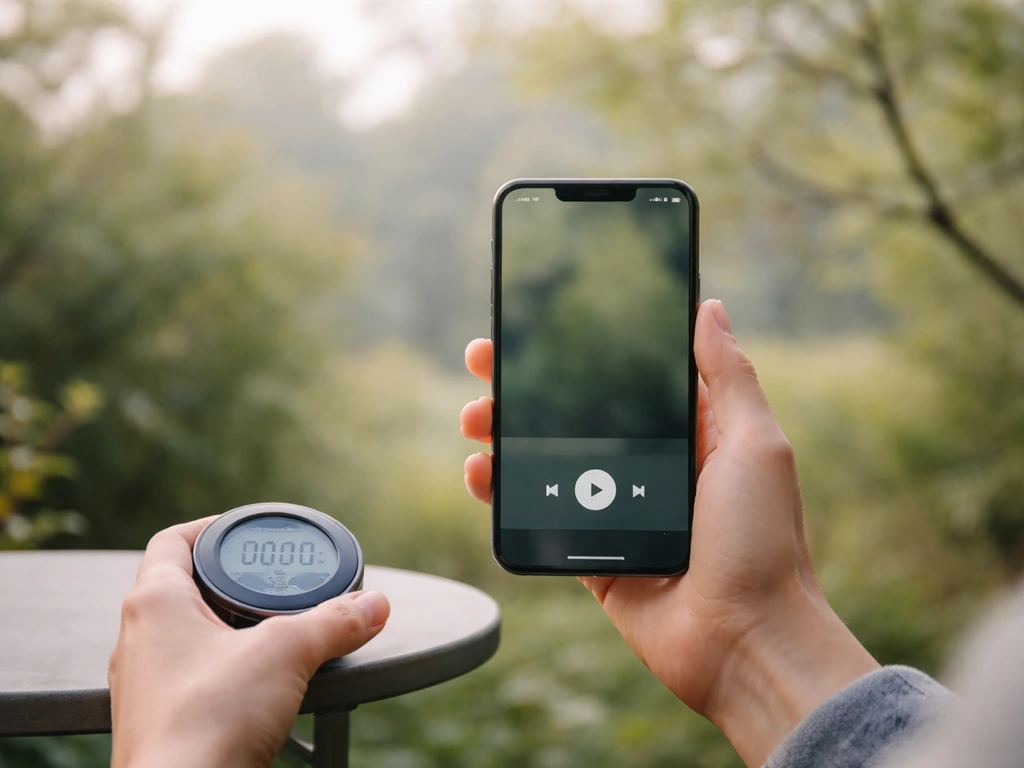
This is the most common beginner frustration. The good news: silence right after playback is completely normal. Birds often go quiet first, then respond vigorously a few minutes later. Stop playing, stand still, and wait at least three to five minutes before concluding nothing is there. Patience is the real skill here.
If there's still no response after waiting, check that you're playing the right species for the habitat and season, that your volume isn't too high (which can spook birds rather than attract them), and that the time of day is right. Midday attempts in midsummer are often duds even in great habitat.
Wrong sound or distorted audio
If the playback sounds muffled, too slow, or off-pitch, check your device's battery level first. Low batteries on electronic callers frequently cause pitch problems. If you're streaming from a phone, check that you have enough signal or cache the audio before heading out. For Bluetooth speakers, make sure the connection is stable and that no audio enhancement or equalizer settings are altering the sound. Some phone speaker modes (like 'bass boost') can make a bird call unrecognizable to an actual bird.
Identifying the wrong species
If you're using an app to identify a bird and getting confusing results, try recording from closer to the source or in a quieter moment. Merlin's Sound ID works best when the target bird is the loudest sound in the recording. Background noise from wind, traffic, or other birds will throw off suggestions. You can also import a saved audio file into Merlin rather than recording live, which lets you try again with a cleaner clip.
App or device not playing audio
Check your phone's silent/mute switch first (this gets everyone at least once). Then check in-app volume settings separately from your device's system volume. In Merlin, make sure the app has permission to use audio in your phone's settings. For downloaded files that won't play, confirm the file format is supported by your player. MP3 plays everywhere; WAV files occasionally need a dedicated audio app rather than a basic media player.
Ethics and best practices for using playback outdoors
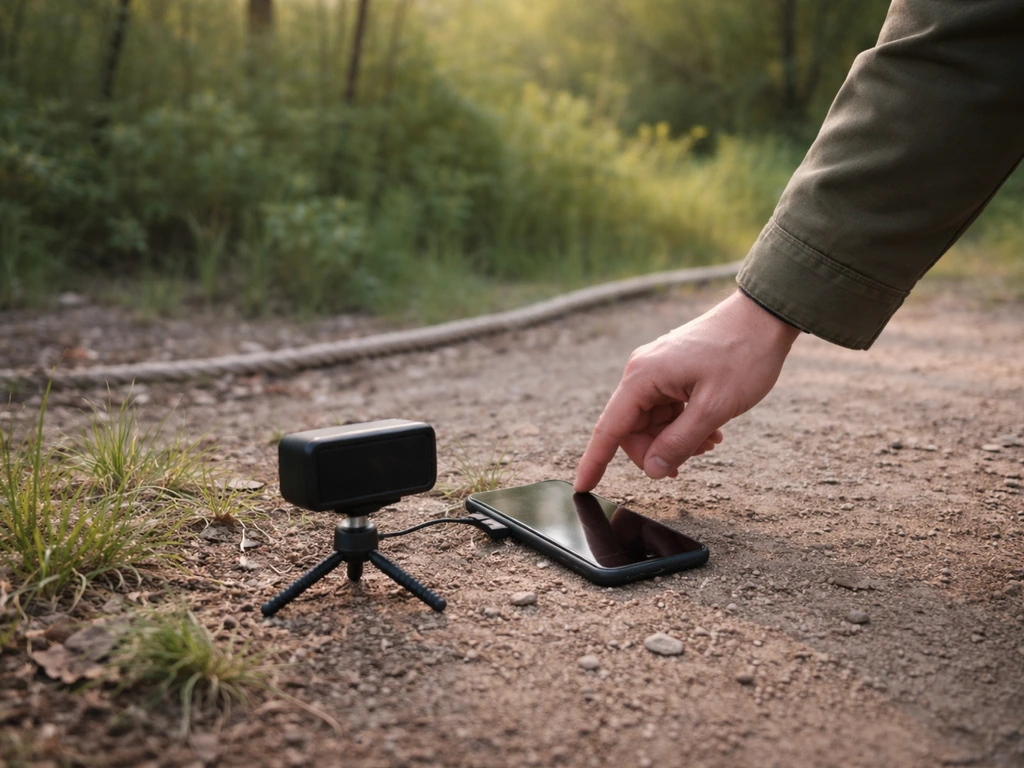
This matters. Playback is a powerful tool and overusing it causes real harm to birds. The core issue is that when a bird hears what sounds like a rival in its territory, it gets stressed and may waste energy defending against a threat that doesn't exist. During breeding season, that stress can affect nesting success and even the survival of chicks.
The birding community's widely accepted standard, reflected in the ABA Code of Birding Ethics, is to limit playback: keep it short, keep it quiet, and avoid it entirely for any species that is threatened, endangered, or locally rare. Never use playback in heavily birded areas where the cumulative effect of many visitors all playing calls adds up to constant disturbance.
- Play short clips, not loops. A few seconds, then stop and wait. If the bird responds, use even shorter snippets afterward, or stop entirely and let the bird come to you.
- Never play continuously. Continuous loud broadcasting is the single most criticized and harmful form of playback.
- Start at lower volume than you think you need. Increase only if there's no response after waiting.
- Stop playback once you have a visual. The goal is to see the bird, not to stress it indefinitely.
- During breeding season (spring and early summer), be especially cautious. Effects are much less of a concern outside the breeding season.
- If other birders are nearby, check that they're okay with playback use. Not everyone is, and it's respectful to ask.
- Never use playback near a known or suspected nest.
One rule I keep personally: if a bird is flying back and forth rapidly and seems agitated rather than curious, I stop immediately. That behavior is a sign of real stress, and no photo or sighting is worth it. The whole point is to enjoy birds and leave them undisturbed.
| Method | Best for | Key limit | Beginner difficulty |
|---|---|---|---|
| Phone/app playback | ID, learning, casual attraction | Short clips, low volume, limit in breeding season | Very easy |
| Electronic bird caller | Targeted field use, specific species | Short bursts, correct species/habitat only | Easy with practice |
| Friction/whistle call | Pishing, general curiosity | Works best for alarm/contact calls, not all species | Easy to start, hard to master |
| Voice imitation | Learning, personal skill-building | Takes time to develop accuracy | Moderate, very rewarding |
If you're exploring related audio-based bird activities, there are also some fun adjacent topics worth knowing about: learning a specific song like those from classic birdwatching repertoires, playing bird-themed games like bird bingo for learning calls in a group, or practicing bird-themed musical pieces. Each one builds your ear in a slightly different way and makes the next skill easier to pick up.
Start today with Merlin, find a bird you hear regularly in your area, listen to its song three times, step outside, and wait. If you want to try bird playback with a device, use the same timing and volume tips to get started right away. If your goal is learning how to play fly like a bird, focus on timing and realistic sound cues so the bird interprets it as a credible presence Merlin.
To learn how to play bird sort color, start by picking a bird song you hear often and practice matching it to the right sound. If you want a step-by-step start, follow our guide on how to play the bird opening. If you want to go deeper, learn how to play bird song with practical tips tailored to your bird how to play and your bird can sing.
You'll be surprised how quickly things start clicking once you have a sound in your head and you're standing in the right place to hear it for real. With practice, you can learn how to play bird songs effectively and enjoy the moment when your bird can sing back how to play and your bird can sing.
FAQ
Do I need to play the exact bird song, or will any similar call work?
If your goal is to attract a specific bird, playback and calls need to match the target species' exact rhythm, not just a similar melody. Before you play anything, confirm the bird is actually the one you want using your ear or an ID app, then use the corresponding reference audio and keep each burst short (a few seconds) so you are not broadcasting a long, unnatural sound.
Why does the call sound right on my phone, but birds still ignore it?
Yes. Many phone speakers distort at higher volume, and that distortion can make the call sound wrong to birds. A practical test is to play the sound at a low-to-medium volume, walk a few steps away, and listen for clarity, then only increase until you can hear it clearly without sounding “boomy” or muffled.
How long should I play a bird song before stopping?
For handheld or speaker-style callers, you will usually get better results by pausing between bursts than by continuously looping. Start with short play segments, then stop completely for several minutes. This gives the bird time to process and reduces the chance that the signal becomes background noise.
What’s the best first bird to learn if I’m trying to imitate calls myself?
Start with the species you already hear regularly, and match your practice to what you can confirm locally. If you try to imitate a bird you have only heard once, it is easy to practice the wrong timing or pitch, and it slows learning. A good workflow is, identify the bird, listen 3 times, then practice a short 5 to 10 second “hook” phrase before expanding.
How do I practice voice imitation without getting stuck on pitch accuracy?
Yes, especially if you are using voice imitation. A reliable approach is “phrase first, whole song later,” where you copy short units at a comfortable pitch range, then connect them with the same pauses the bird uses. Record yourself on your phone and compare the timing pattern, even if you are not chasing perfect notes.
What should I do if my recording is clear to me but apps or playback still seem “off”?
If your recording is too quiet or too noisy, the playback and your comparisons can both fail. When recording for reference, keep the phone close enough that the target bird is dominant, and avoid windy moments. If you are using an app to ID, test with a cleaner clip by recording again after the bird changes perch or call intensity.
Do audio equalizer settings and Bluetooth features matter for bird song playback?
Yes. If you use an audio enhancement setting like bass boost, speech mode, or equalizer presets, it can change the frequency balance so the call is not what birds expect. Turn enhancements off, use flat or standard audio, and if possible rely on wired or direct device output rather than “smart” speaker processing.
Why does Merlin (or similar) give multiple likely matches for the same sound?
For live identification apps, confusion often comes from mixed recordings, and it helps to narrow the context. Record for a short window when the target bird is closest or loudest, and avoid overlapping sounds from other birds by waiting through the bird’s quieter moments. Also, compare the app’s suggestion with what you see in habitat at that moment.
What are clear signs that I should stop playback immediately?
A good rule is to use playback only when you have a legitimate reason to observe, and to stop immediately if you see agitation, repeated fast circling, or obvious distress. If you do not see any positive response after a few quiet minutes, switch approach by observing without playback rather than repeating continuously.
What should I do if my downloaded bird song file won’t play in the field?
If your downloaded file will not play, it is usually a codec or container issue, not the bird song itself. Confirm the format your player supports, try opening the file in a different audio app, and if needed re-encode to a broadly supported format like MP3 before heading out.
Next Article
How to Play Bird Sort Color: Rules, Moves, and Fixes
Step-by-step how to play bird sort color: match birds to color slots, use smart moves, and fix common stuck errors.