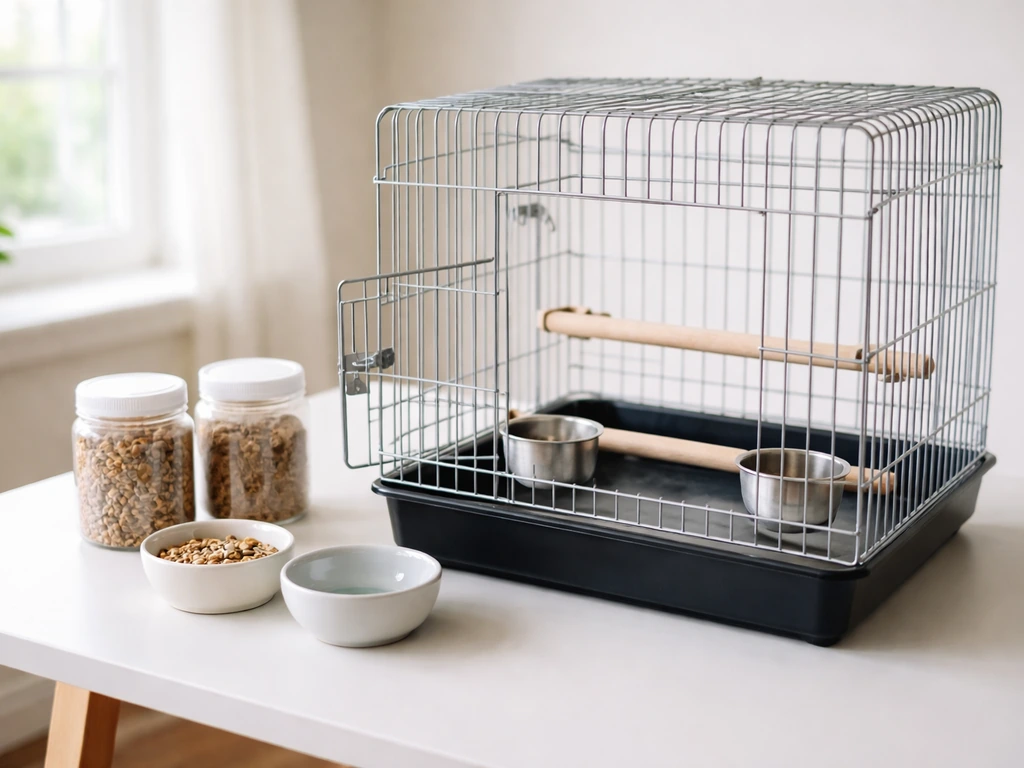
There is no single universal "bird licence." What you need depends entirely on what you want to do with birds and where you live. Keeping a pet parrot is completely different from rehabilitating an injured wild hawk, which is different again from banding songbirds for research. The good news: once you know which category you fall into, the actual application process is straightforward. This guide walks you through figuring out your licence type, finding the right authority, gathering your documents, and submitting your application, step by step.
How to Get a Bird Licence: Step-by-Step Checklist
Marcus Hendricks
26 Apr 2026
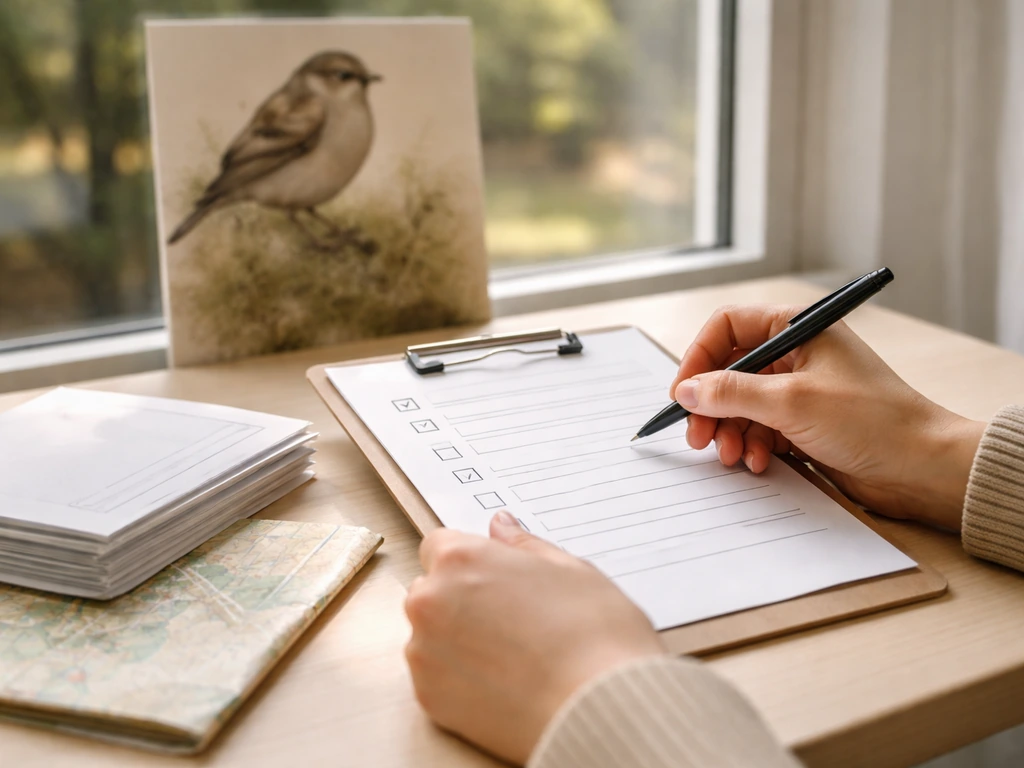
Figure out what kind of bird licence you actually need
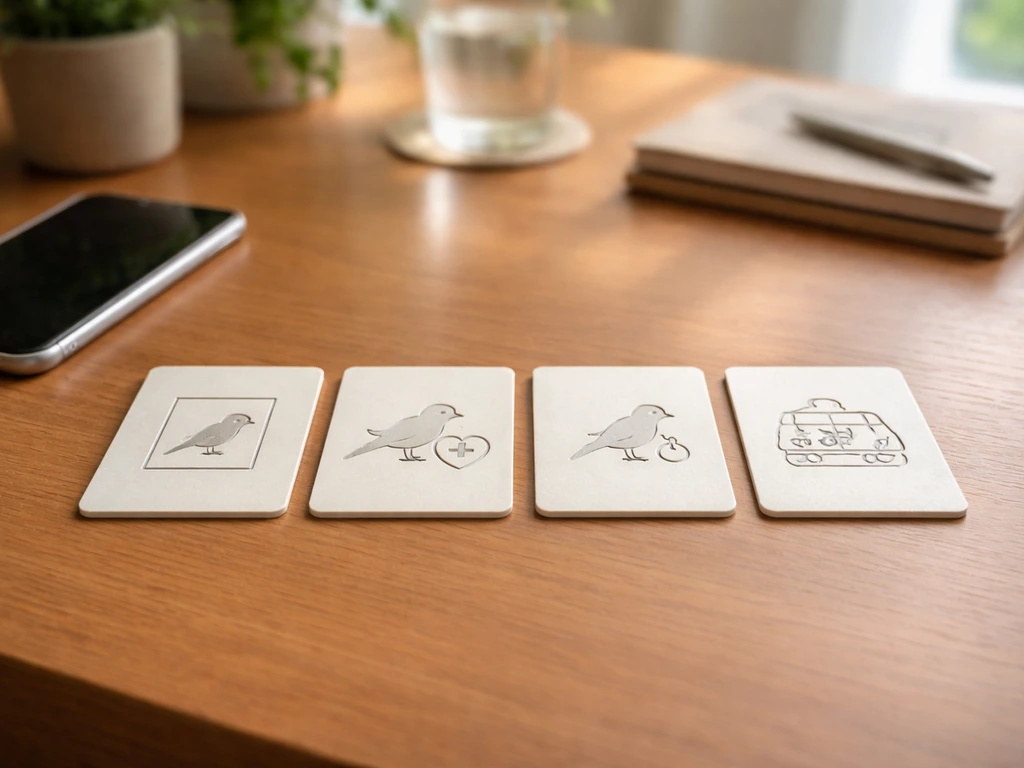
This is the most important step, and it is where most people get confused. "Bird licence" is not one thing. It is an umbrella term that covers several completely different legal permissions. Here is how to narrow it down fast.
| What you want to do | Licence type you likely need | Who issues it (examples) |
|---|---|---|
| Keep a wild bird in captivity (especially a protected or Schedule 4 species) | Wildlife possession/registration permit | Natural England (UK), state/territory wildlife agency (AU), state fish & wildlife agency (US) |
| Rehabilitate sick, injured, or orphaned wild birds | Wildlife rehabilitation permit | USFWS Form 3-200-10b (US), state permit (e.g., WDFW in Washington), NSW/Tasmania agencies (AU), Natural England (UK) |
| Band or mark wild birds for research | Federal Bird Banding and Marking Permit | USGS Bird Banding Laboratory (US/Canada via BBL) |
| Breed birds for sale | Bird breeder's licence/permit | State or local authority (varies widely) |
| Handle or collect eagles or other protected raptors | Eagle Scientific Collecting permit + BBL permit | USFWS + USGS (US) |
| Transport migratory birds across state or national lines | Migratory bird transport/possession permit | USFWS (US), Canadian Wildlife Service (Canada) |
Ask yourself three questions: (1) Is the bird wild or captive-bred? (2) What activity am I doing, keeping, rehabilitating, banding, breeding, or transporting? (3) Is the species protected under national wildlife law, such as the US Migratory Bird Treaty Act, the UK Wildlife and Countryside Act 1981, or Australia's EPBC Act? If the bird is wild and protected, you almost certainly need a permit for anything beyond simply watching it. If it is a common captive-bred pet species like a budgerigar or cockatiel, you likely need no special licence at all in most countries, though checking with your local authority is always worth doing.
One thing worth knowing: if you are interested in banding birds specifically, that is a whole separate pathway with its own training requirements and federal authorization. In a discussion on r/wildlifebiology, users also describe a “bird banding resume” as something that may function like an application component in permit-related conversations, based on their firsthand experiences blank" rel="noopener noreferrer">if you are interested in banding birds specifically, that is a whole separate pathway. The bird banding pathway has its own specific training and authorization steps before you can legally participate. Similarly, breeding birds commercially is its own licence track. Both are worth looking into once you have confirmed your main goal.
Check your location's rules and who issues the licence
Licensing authority depends heavily on your country, state, or territory. Here is a breakdown of the main jurisdictions and where to start your search.
United States
In the US, wild bird licensing involves two layers: federal and state. For most activities involving migratory birds (which covers the vast majority of wild North American birds), the US Fish and Wildlife Service (USFWS) is the federal authority. Their Migratory Bird Permits page lists all permit types with application forms. For banding specifically, the USGS Bird Banding Laboratory (BBL) handles federal permits. On top of federal requirements, your state may require its own permit. Washington State, for example, requires a separate state wildlife rehabilitation permit from the Washington Department of Fish and Wildlife (WDFW) in addition to the federal USFWS permit. Always check both levels.
United Kingdom
In England, Natural England and the Animal and Plant Health Agency (APHA) handle bird licensing. If you want to keep a wild bird listed on Schedule 4 of the Wildlife and Countryside Act 1981, you must register it under Section 7 of that Act. This applies to species like peregrine falcons and barn owls. There is also a general licence (GL07) that allows an authorised person to keep a disabled Schedule 4 bird for up to 15 days for rehabilitation purposes, but registration is still required. Scotland, Wales, and Northern Ireland have their own devolved agencies, so search for NatureScot, Natural Resources Wales, or DAERA accordingly.
Australia
Australia operates at the state and territory level for most wildlife licensing. New South Wales routes applicants through Environment NSW for wildlife rehabilitation licences. Tasmania has its own Wildlife Rehabilitation Permit through the Department of Natural Resources and Environment. Each state has different forms, fees, and training requirements, so search for your state's environment or parks and wildlife agency directly.
Canada
In Canada, Environment and Climate Change Canada (ECCC) handles migratory bird permits through the Canadian Wildlife Service. You submit application forms to your local Canadian Wildlife Service permit officer. If your permit involves a species protected under the Species at Risk Act (SARA), expect a 90-day processing window as the standard service timeline.
Eligibility requirements and documents to gather
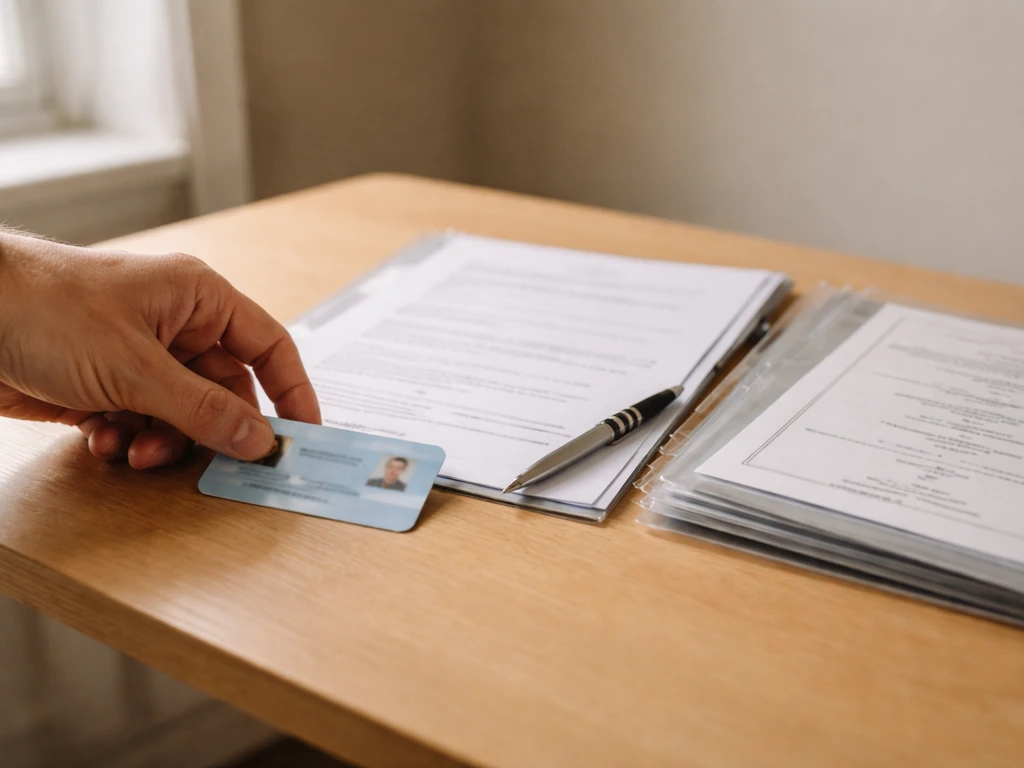
Requirements vary by permit type, but here is what almost every bird licence application will ask for, regardless of country.
- Proof of age: You must typically be at least 18 years old. The USFWS explicitly states this on Form 3-200-10b for migratory bird rehabilitation. Some junior/apprentice programs exist for younger applicants but require a supervising licensed adult.
- Proof of training or experience: Rehabilitation permits almost always require documented hands-on experience. USFWS requires 100 hours of hands-on rehabilitation experience for the federal rehab permit, and up to 20 of those hours can come from attending accredited migratory bird rehabilitation seminars or courses.
- Facility description or inspection: Many states and territories require you to describe (or have inspected) the housing and care enclosures you will use. Washington WDFW, for example, requires a facility inspection before issuing a rehabilitation permit.
- Sponsor letter or affiliation: If you are a beginner, you may need to work under an already-licensed rehabilitator or organization before applying for your own permit. NSW, for instance, issues a written authority allowing individuals to operate under a licensed provider's umbrella after completing training.
- Species list: Some permits ask you to specify which species or species groups you are permitted to work with. Be honest and specific here.
- Current reporting compliance: If you have held a previous permit, all required reports must be up to date before USFWS will process a renewal or new application.
- Government-issued photo ID
- Completed application form with accurate contact information
- Payment of processing fees (amount varies by permit type and jurisdiction)
For UK Schedule 4 bird registration, you will also need details about the bird itself: its species, ring number, and how you came to possess it. Natural England will cross-reference this against legal acquisition records, so make sure your paperwork trail is clean.
Step-by-step application process
- Confirm your permit type using the decision framework above. Write down the exact name of the licence you need before you do anything else. This saves hours of reading the wrong forms.
- Find the official agency website. Use search terms like '[your state/country] + migratory bird permit' or '[your state] + wildlife rehabilitation permit.' For the US, go to fws.gov/birds/policies-and-regulations/permits. For USGS banding permits, go to the USGS Bird Banding Laboratory site. For the UK, start at gov.uk and search 'wildlife licences.' For Canada, search 'migratory bird permit application Canada.ca.'
- Download or locate the correct application form. For USFWS rehabilitation, that is Form 3-200-10b. For banding, the USGS BBL provides its own permit application form and checklist. For the UK, Natural England's online portal handles Schedule 4 registration.
- Gather all supporting documents before starting the form. It is frustrating to get halfway through and realize you are missing a training certificate or facility diagram. Lay everything out first.
- Complete the application carefully. Answer every required field. Vague or incomplete answers are one of the most common reasons for delays. If a question does not apply to you, write 'N/A' rather than leaving it blank.
- Arrange your facility inspection if required. Contact your state or territory agency to schedule this early, as inspection slots can book out weeks in advance. Washington WDFW is one example that requires this step before approval.
- Pay the application processing fee. USFWS publishes a Migratory Bird Permit Processing Fees table on their website. Fees vary by permit type. Check the current fee schedule before submitting, as fees can change.
- Submit your application via the method specified. Some agencies accept online submissions; others require you to email attachments or mail physical forms. USGS BBL, for example, instructs applicants to attach documents to email or mail them per BBL instructions. Follow the instructions exactly.
- Keep a copy of everything you submitted, including confirmation of receipt if the agency provides one.
Timeline, costs, and common reasons for delays or denials
How long will it take?
Processing times vary widely. In the UK, Natural England states that registration can take up to 30 days for some routes. In Canada, permits affecting SARA-listed species operate on a 90-day service standard. In the US, USFWS processing for migratory bird permits typically takes several weeks to a few months depending on workload and permit type. For USGS banding permits, allow a minimum of 4 to 6 months for a new master banding permit application to be processed and reviewed. If you need your permit by a specific date (say, the start of migration season), work backward from that date and apply well in advance.
What does it cost?

Costs depend on your permit type and country. USFWS charges processing fees documented in their Migratory Bird Permit Processing Fees table, so check that page for the current figure for your specific permit. Some state-level permits have their own separate fees on top of federal fees. UK Schedule 4 registration does not currently charge a registration fee through Natural England, but always verify this on the official GOV.UK page as policies can change. Australian state fees vary by state and licence tier.
Why applications get delayed or denied
- Incomplete forms: Missing fields, missing signatures, or unanswered questions will stall your application immediately.
- Missing or insufficient training documentation: For rehabilitation permits especially, the hours requirement is strict. Submitting before you have the required experience documented is a fast path to denial.
- Facility does not meet standards: If your housing or care setup does not pass inspection, you will need to fix it and reschedule before the permit is issued.
- Outstanding reporting obligations: USFWS will not process a new or renewal application if your previous permit's required reports are overdue.
- Wrong form submitted: Applying with the wrong permit category form wastes everyone's time. Double-check you have the right form number before submitting.
- Applying to the wrong agency: Sending a federal form to a state agency or vice versa is more common than you would think. Confirm the correct receiving office.
- Fee payment issues: Missing or incorrect payment will put your application on hold.
After you get licensed: compliance, renewals, and recordkeeping

Getting your licence is not the finish line. This is where a lot of first-timers get caught off guard. Most bird permits come with ongoing obligations that you are legally required to meet.
- Recordkeeping: Keep detailed records of every bird you receive, treat, band, or possess under your permit. Note the species, date received, condition on arrival, treatment provided, and outcome (released, transferred, died). USFWS and state agencies can audit these records.
- Reporting: Most permits require annual or periodic reports submitted to the issuing agency. For USFWS rehabilitation permits, this is mandatory and non-compliance blocks future renewals. USGS BBL banding permits require banding data to be submitted regularly.
- Notification requirements: Some jurisdictions have immediate notification rules. Washington WDFW requires rehabilitators to notify the department within 24 hours of receiving a state endangered or threatened species, or an oiled bird.
- Renewals: Permits are not permanent. Check your permit's expiry date as soon as you receive it and note the renewal deadline in your calendar. Renew before expiry, not after, as a lapsed permit means you are operating without authorization.
- Restrictions on species and activities: Your permit will specify exactly which species and activities are authorized. Do not exceed the scope of your permit. If your situation changes, apply to amend or expand your permit rather than improvising.
- Dual permit compliance: If you hold both a state and a federal permit (which is common in the US for rehabilitators), you must comply with both sets of conditions simultaneously. When they conflict, the stricter rule applies.
- Continuing education: Some permits expect you to maintain or upgrade your training over time. For UK Schedule 4 birds, staying current with Natural England guidance is important as policies can be updated.
One thing worth flagging: if you are interested in related activities like registering a bird you already own, getting a bird breeder's licence, or understanding what you need to own a bird more broadly, those each have their own pathways and documentation requirements. Getting a bird breeders license depends on whether your birds are captive-bred, and whether your species is protected by local wildlife laws bird breeder's licence. Understanding what you need to own a bird can also depend on whether the bird is wild or captive-bred, and whether the species is protected. It is worth reading up on those separately once your primary licence is sorted.
Quick checklist and next actions to take today
Here is your action plan, starting right now. Work through this in order and you will go from confused to submitted in the shortest time possible.
- Decide your category: Am I keeping a wild/protected bird, rehabilitating injured birds, banding birds for research, breeding birds, or transporting birds? Write it down.
- Identify your country and state or territory. This determines everything about which agency and which form applies to you.
- Search for your specific agency using these starting points: fws.gov/birds for US migratory bird permits, bbl.usgs.gov for US/North American banding permits, gov.uk and search 'wildlife licences' for England, Canada.ca and search 'migratory bird permit application forms' for Canada, and your state or territory environment/parks agency website for Australia.
- Download the correct application form and read the instructions in full before filling in a single field.
- Make a list of every supporting document required: training certificates, experience logs, facility photos or diagrams, sponsor letters, ID, and fee payment method.
- If a facility inspection is required, contact the agency today to get on the inspection schedule. This is often the longest lead-time item.
- Complete the application, check every field is answered, attach all documents, and confirm the submission method (email, mail, or online portal).
- Submit and save your confirmation or send receipt.
- Set a calendar reminder for your permit expiry date and for any required annual reporting deadlines.
The single best thing you can do right now if you are still unsure which permit applies to you is to call or email the relevant agency directly. They field these questions all the time and can tell you in five minutes which form you need. Most people waste weeks reading the wrong information online when a quick call to USFWS, Natural England, or their state wildlife office would have pointed them straight to the right form. If you meant a bird account on a specific platform, the steps for how to delete my bird account will be listed in that service's account or privacy settings. Make that call first. Everything else follows from there.
FAQ
Do I need a bird licence just to keep a pet bird like a budgie or cockatiel?
In many places, common captive-bred pet species do not require a special permit. However, you still may need paperwork if you bought from abroad, if the seller cannot provide proof of captive breeding, or if the species is protected locally or under import rules.
What if the bird I want to work with was rescued and I am not sure if it is wild or captive-bred?
You should treat it as a wild bird until you can document otherwise. Misclassifying a rescued bird is a common reason licences get denied, so collect identification details (species, location found, photos) and ask the relevant authority how they want the status verified.
Can I legally start rehabilitating or banding before my permit is approved?
Usually no. Most bird permits prohibit carrying out the protected activity until authorization is granted. If you are mid-emergency, contact the licensing authority or a licensed rehabilitator immediately, ask what you can do lawfully while waiting, and keep records of every action.
What documents do agencies typically want to see for any bird licence application?
Expect to provide proof of identity, your intended activity, species information, and how you obtained the bird (where applicable). Many jurisdictions also ask for facility details such as housing, hygiene procedures, and whether you have prior experience handling that species.
How strict is the requirement about “legal acquisition” and keeping a paper trail?
Very strict for protected species and for certain registrations. If you cannot show where the bird came from (receipt, import documents, breeder paperwork, ring records), approvals may be delayed or refused. Keep copies of all correspondence and forms submitted.
Do I need separate licences if I do more than one activity, like rehab and transport?
Often yes. Permits are commonly activity-specific. For example, having authorization to rehabilitate does not automatically authorize transporting a protected wild bird, and moving animals between jurisdictions can trigger additional rules.
What should I do if I move to a different state or country after getting a licence?
Contact the new jurisdiction before transporting. Many permits are tied to a specific location and facility, so relocation may require amendment, re-registration, or a new permit. Don’t assume the original authorization follows you.
Are there limits on how many birds I can handle under my permit?
Many permits include numerical or operational limits (species restrictions, number of birds, time held, or reporting frequency). Check the permit conditions carefully, because exceeding limits can be treated as a licensing breach even if you have the right species authorization.
How can I reduce the chance of delays or rejection in processing?
Use the correct permit type for your exact activity and species, submit complete facility and experience information, and include a clear acquisition history. If the bird is protected or you are unsure, ask the agency for guidance before you submit, and respond quickly to any follow-up questions.
What are my ongoing obligations after I receive the licence?
Common obligations include recordkeeping (intake, outcomes, and dates), reporting to the authority, marking or banding requirements where relevant, and renewing the permit before expiry. Some licences also require you to notify the agency of significant changes to your facility or handling practices.
Is there any advantage to contacting the agency even if the website looks clear?
Yes. Agencies can confirm edge cases like “found bird vs captive-bred,” whether transport requires a separate approval, or whether your species is protected under the specific law that applies to your situation. A quick call can prevent applying for the wrong track and losing months.
Next Article
What Do You Need to Own a Bird? First-Step Checklist
Beginner checklist for what you need to own a bird: cage, food, daily care, vet prep, safety, and first-month setup.