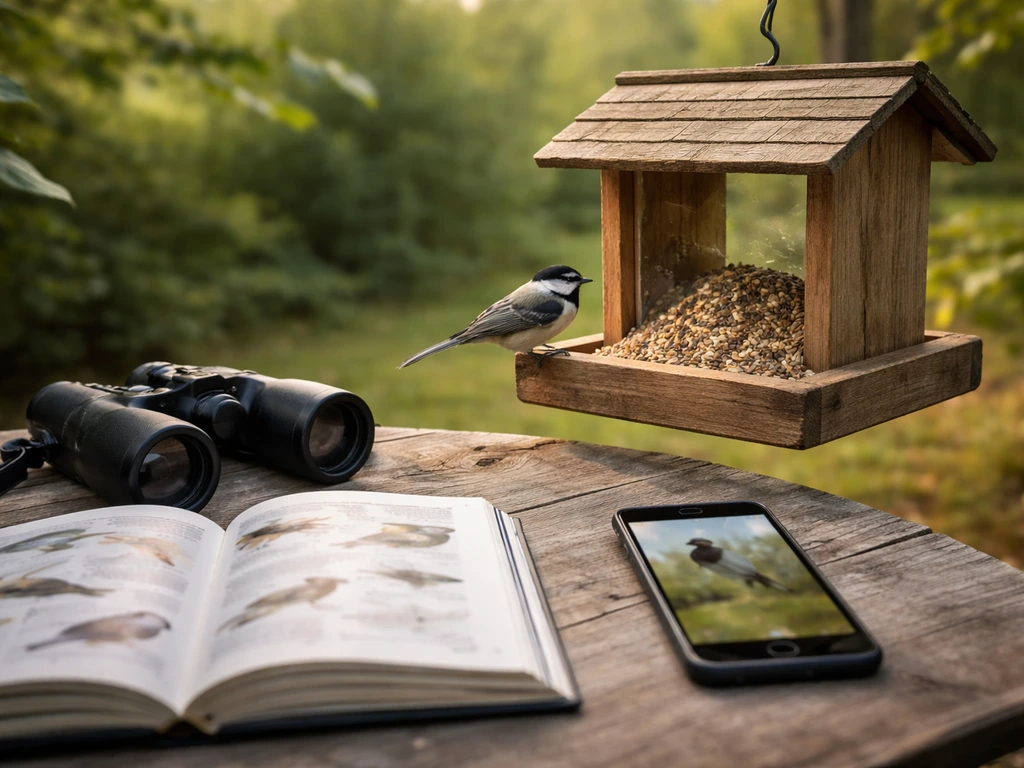
Starting a bird breeding business comes down to six concrete things: picking the right species and business model, getting your permits in order, building a proper housing setup, budgeting honestly, sourcing birds responsibly, and then getting customers through the door. If you handle those six pieces in the right order, you can realistically go from zero to first sales within 30 to 90 days. Here's exactly how to do it.
How to Start a Bird Business: Breeding and Setup Guide

Marcus Hendricks
30 Apr 2026
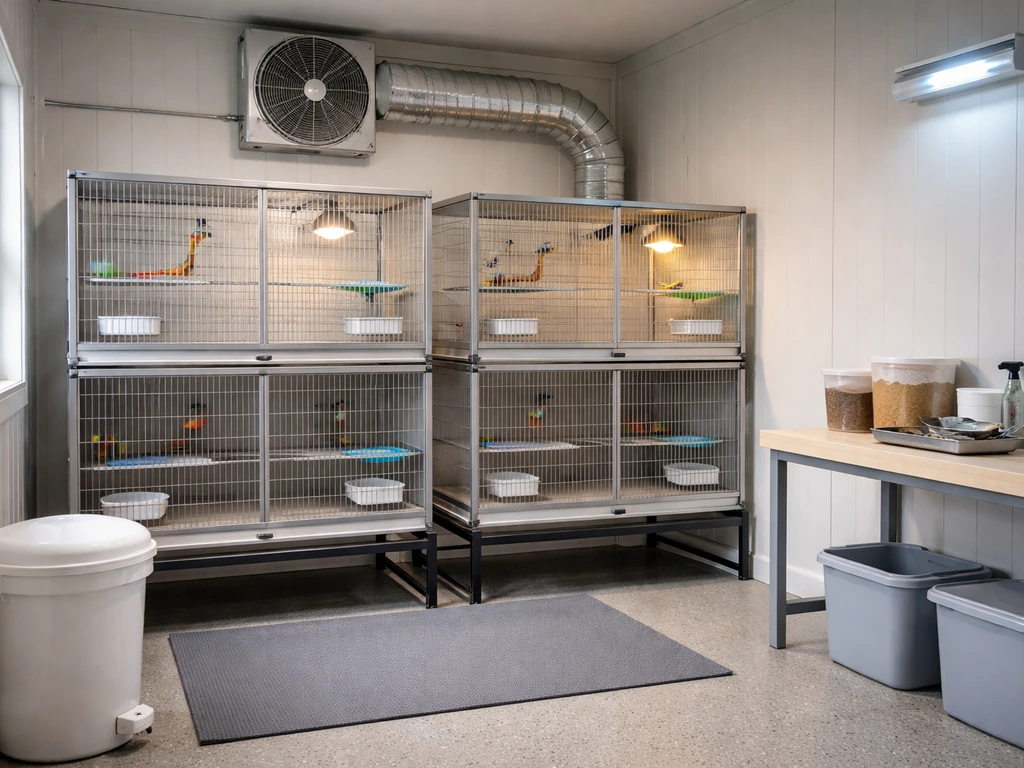
If your end goal is building a bird sanctuary, start by focusing on animal welfare, safe housing, and the right legal approvals for the birds you keep. If you also want to visit Bird Island in the Seychelles, start by planning your route and best travel timing around local ferry or tour options how to do it.
Picking your bird business model first
Before you buy a single bird or cage, decide what your actual business is. Most beginners default to breeding because it's the most direct path, but there are a few models worth considering depending on your space, budget, and time.
- Bird breeding: You breed pairs, raise chicks, and sell weaned or hand-raised birds to pet owners, hobbyists, or other breeders. This is the most common starting point and the focus of most of this guide.
- Bird boarding and care services: You offer short-term care for other people's birds. Lower startup cost, no breeding pairs needed, but you need strong biosecurity to avoid disease spread between birds from different homes.
- Bird supplies and accessories retail: You sell feeders, cages, food, and toys either locally or online. No live animals, simpler compliance, but margins are thin and competition is fierce.
- Bird photography and education: You create content, run workshops, or offer guided birding experiences. This pairs well with a breeding operation as an add-on income stream.
- Bird sanctuary or rescue: A nonprofit or cost-recovery model focused on rehoming birds rather than breeding for profit. If this interests you, it has its own licensing and operational path.
For most people reading this, bird breeding is the goal. It gives you recurring income from each clutch, builds a reputation over time, and scales naturally as your flock grows. The rest of this guide walks you through launching that specifically, though the compliance and setup advice applies broadly across models.
Species choice, permits, and staying legal
Choose your species strategically
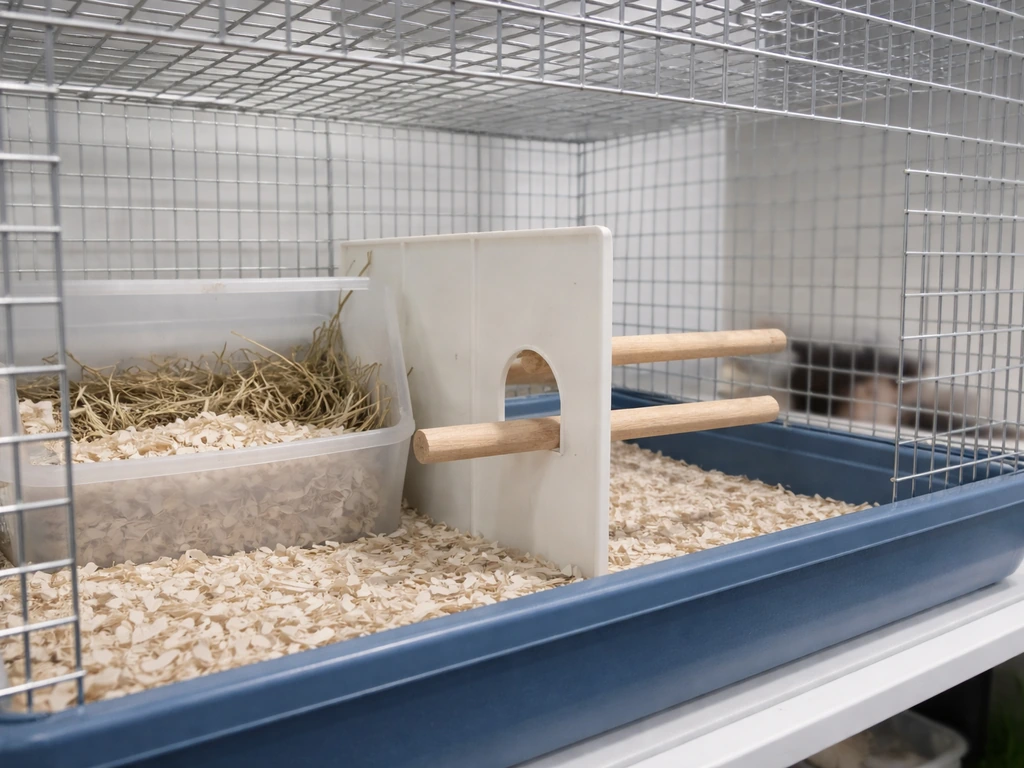
Your species choice controls almost everything downstream: your permit requirements, your cage costs, your vet bills, and how fast you can sell. For beginners, domestically bred cockatiels, budgerigars, lovebirds, conures, or finches are the smartest starting points. They reproduce reliably, buyers are plentiful, and the legal landscape is simpler than with exotic or wild-caught species. Stay away from CITES-listed parrots or any wild-caught stock when you're just starting. The permit burden and ethical complexity aren't worth it until you know what you're doing.
U.S. federal permits you may need
In the U. S. , the Animal Welfare Act (AWA) administered by the USDA's Animal Care program is your main federal compliance concern. Once you’ve mapped out your federal and state requirements, the next step is learning how to become a registered bird breeder. Once you understand the federal rules, you can follow the steps needed to become a registered bird breeder in your area <a data-article-id="088F159E-3B29-4846-BEC8-752CF271FD8E">, the Animal Welfare Act (AWA) administered by the USDA's Animal Care program is your main federal compliance concern.
. Whether you need a license depends on what you do with the birds. If you're breeding and selling birds as pets that were hatched on your own premises, [a Class A USDA license kicks in at specific thresholds: more than 200 birds annually for species with an average adult weight of 250 grams or less, or more than 8 birds annually for species averaging over 250 grams. ](https://www.
aphis. usda. gov/awa/bird-standards) If you sell below those numbers to pet owners directly, you may be exempt, but verify this with your USDA APHIS regional office before assuming you're clear.
If you ever import birds, the rules tighten significantly. USDA APHIS requires an import permit (applied for through the APHIS eFile system), a valid veterinary health certificate from the country of origin, and allows at least 7 business days for permit processing. The import permit itself is only valid for 30 days and must travel with the shipment. For any CITES-listed species, you'll also need a separate permit from the U.S. Fish and Wildlife Service. You can check whether your target species is CITES-listed by searching the CITES species database by common or scientific name. The short version: don't import birds until you've confirmed your compliance with both USDA APHIS and USFWS.
State and local permits
State rules vary wildly. Some states require a separate state breeder's license, restrict certain species entirely, or have their own animal welfare inspection requirements. Check with your state's department of agriculture and fish and wildlife agency before you buy your first breeding pair. Local zoning is also worth a call to your county or city office. Some residential zones prohibit commercial animal operations even at small scale. Getting this wrong early is an expensive mistake.
Setting up your space: housing, cages, and biosecurity
The physical setup
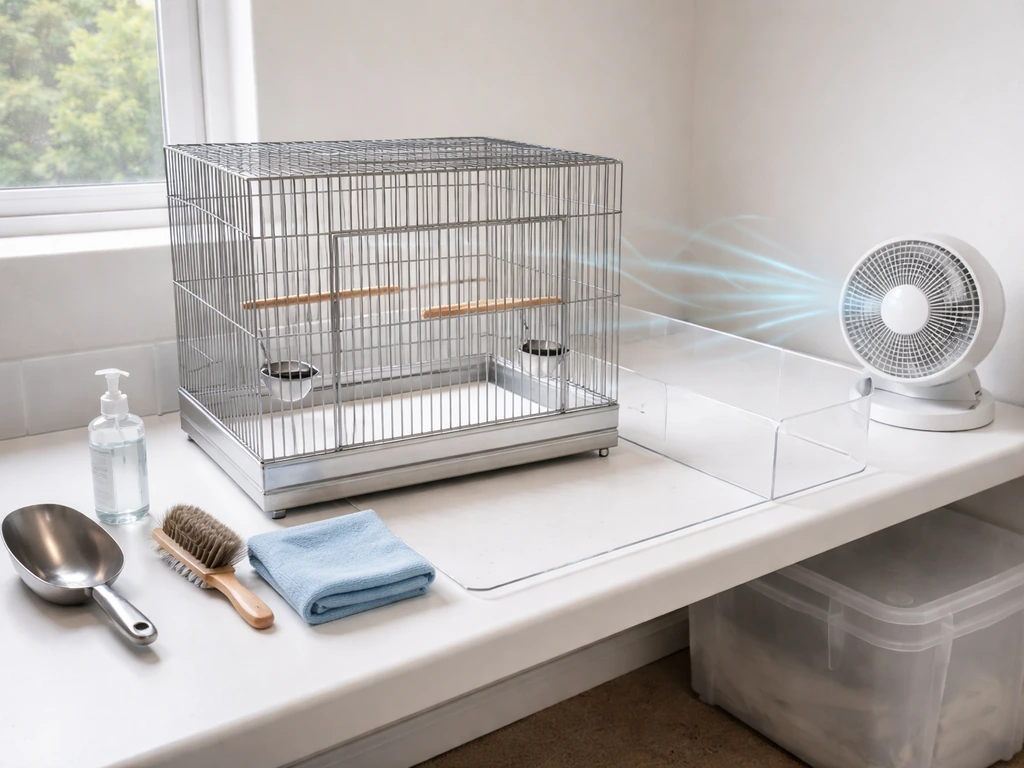
You don't need a dedicated aviary building to start, but you do need a space that's temperature-controlled, well-ventilated, protected from predators, and easy to clean. A spare room, a converted garage, or a purpose-built outdoor aviary all work depending on your climate and species. What matters is that the space lets you separate breeding pairs, isolate new arrivals, and maintain consistent temperature and humidity. Most small parrots and finches do well between 65 and 80 degrees Fahrenheit.
- Cage sizing: Breeding pairs need more space than pet birds. As a baseline, the cage should be wide enough for the bird to fully extend its wings and flap without touching the sides. For cockatiels, a minimum of 24 x 18 x 24 inches per pair is common; larger is always better.
- Nesting boxes: Attach nest boxes to the outside of the cage where possible to minimize disturbance. Size the box to the species (cockatiels typically use an 8 x 8 x 12 inch box).
- Perches: Provide multiple perch diameters made from natural wood to support foot health. Avoid sandpaper perches.
- Lighting: 10 to 12 hours of consistent light per day supports breeding cycles for most species. Full-spectrum lighting helps if natural light is limited.
- Drainage and cleaning: Cage trays and flooring should be easy to remove, rinse, and disinfect. Avoid carpet or porous surfaces that trap bacteria.
Biosecurity you actually need to follow
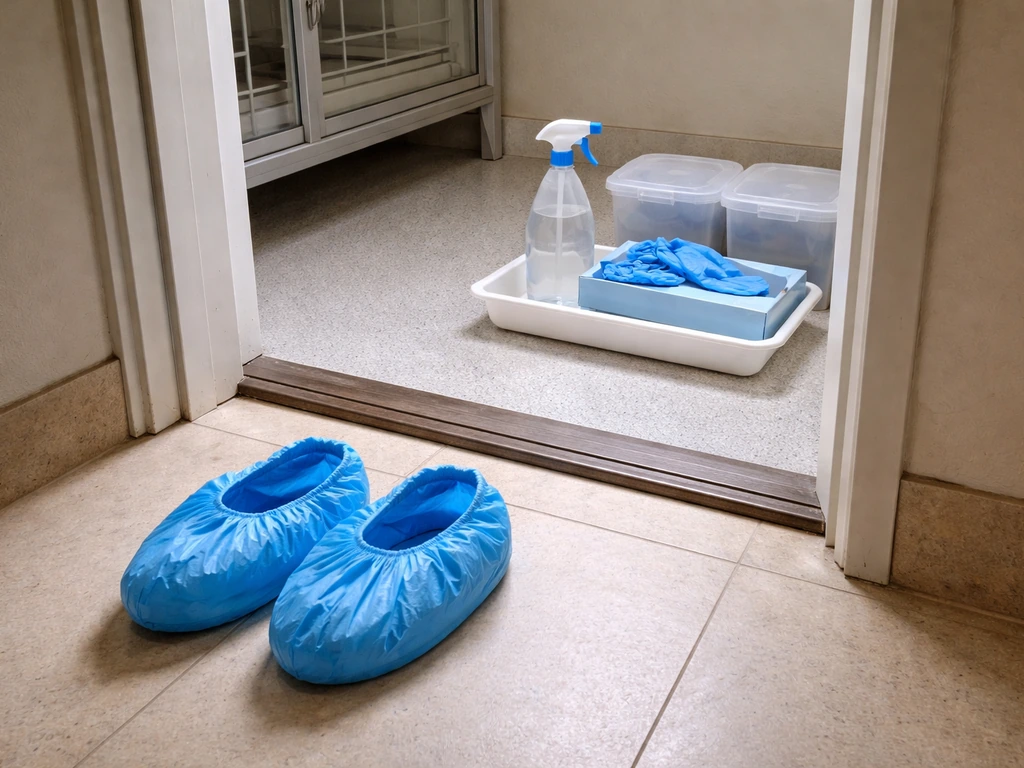
Biosecurity sounds intimidating, but at the small-breeder level it really comes down to a few disciplined habits. The CDC's guidance for avian influenza prevention emphasizes one-directional traffic flow: move from clean areas to dirty areas, never the reverse. In practice, this means you enter your bird room, do your checks and feeding, then handle waste and dirty items on the way out. USDA APHIS also warns that avian influenza can be spread unintentionally on work boots, clothing, farm equipment, and vehicles if they are not properly cleaned and disinfected enter your bird room, do your checks and feeding, then handle waste and dirty items on the way out. Never go back in after touching dirty cages without washing up first.
- Keep a pair of dedicated shoes or boot covers that never leave the bird area.
- Set up a simple footbath with diluted disinfectant at the entrance to your bird space.
- Quarantine every new bird for a minimum of 30 days in a completely separate space before introducing them to your flock. Agriculture Victoria's guidance recommends 30 days with two clean fecal samples and no signs of illness. If illness appears, the 30-day clock resets.
- Wash hands before and after handling any bird.
- Never use untreated surface water for cleaning or as a water source for birds.
- Keep a logbook of which birds you handled on which days, especially during quarantine.
Biosecurity is one of those things where doing it halfway is almost as risky as not doing it at all. One respiratory illness moving through your breeding room can wipe out months of work. Build the habits from day one.
Budgeting honestly: startup costs and ongoing expenses
One of the biggest mistakes new bird breeders make is underestimating costs and overestimating early revenue. Here's a realistic breakdown for a small-scale operation starting with two to four breeding pairs of a medium-sized parrot like cockatiels or conures.
| Expense Category | Estimated Startup Cost | Ongoing Monthly Cost |
|---|---|---|
| Breeding pairs (4 pairs, cockatiels) | $200 – $600 | — |
| Cages and nesting boxes (4 setups) | $400 – $800 | — |
| Quarantine cage and supplies | $100 – $200 | — |
| Lighting and environmental controls | $100 – $300 | — |
| Initial food, supplements, and bedding | $80 – $150 | $60 – $120 |
| Avian vet initial health checks | $200 – $400 | $50 – $100 (routine/emergencies) |
| Permits and business registration | $50 – $300 | $0 – $100 (annual renewals) |
| Marketing and website basics | $50 – $200 | $20 – $50 |
| Miscellaneous (tools, cleaning, misc.) | $100 – $200 | $30 – $60 |
| Total (approximate) | $1,280 – $3,150 | $160 – $430 |
These numbers assume you already have a usable space. If you need to build or convert an aviary or outdoor enclosure, add $500 to $2,000 or more depending on scale and materials. Revenue from a cockatiel pair producing one to two clutches of four to six chicks per year, sold at $75 to $150 each, can realistically net $600 to $1,800 per pair annually once you're established. Realistic break-even for a small operation is typically 12 to 18 months, not 3 months. Plan accordingly.
Sourcing birds and building ethical practices
Where you get your founding birds matters a lot, both legally and for your reputation as a breeder. The gold standard is purchasing closed-banded, domestically bred birds from established breeders with documented health histories. Closed bands (applied at the nest before the chick's foot grows too large) indicate the bird was captive-bred, not wild-caught. Always ask for band numbers and verify them if possible.
- Avoid birds from unknown sources, flea markets, or sellers who can't provide health records.
- Visit the seller's facility if at all possible. Healthy birds mean a clean, well-managed operation. Trust your eyes.
- Ask about the parents' health history, reproductive track record, and any past illness in the flock.
- Unrelated pairs breed better and produce healthier chicks. Ask about lineage before pairing birds.
- Never source wild-caught birds. Beyond the legal risks (especially for CITES-listed species), wild-caught birds are stressed, often carry disease, and rarely breed successfully in captivity.
- Build relationships with two or three trusted breeders early. These contacts will be invaluable when you need to add new bloodlines, get advice, or offload birds you can't place.
Ethical sourcing isn't just about doing the right thing (though it is that). It's also a business asset. Buyers increasingly ask where birds come from, and being able to say "closed-banded, captive-bred from documented healthy parents, with a 30-day health quarantine" makes your birds worth more and builds repeat customers.
Daily care, husbandry routines, and vet relationships
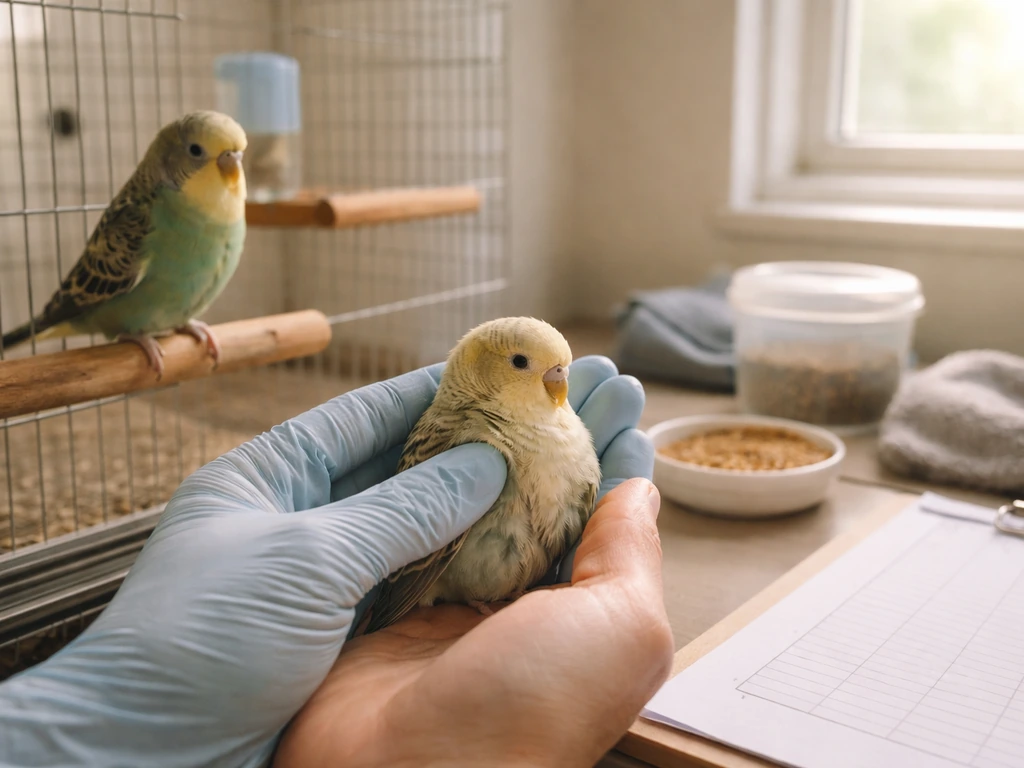
What daily care actually looks like
Breeding birds need consistent daily attention. Here's a realistic morning routine for a small operation with four to eight pairs:
- Visual health check on every bird before touching anything. Look for fluffed feathers, discharge, unusual posture, or lethargy. These are your early warning signals.
- Refresh water in every cage. Fresh water daily is non-negotiable. Bacterial growth in stale water is a real disease vector.
- Replenish food. Pelleted diet plus fresh vegetables and species-appropriate seeds or soft foods. Remove uneaten fresh food after four to six hours.
- Check nest boxes without disturbing the pair. Note egg count, chick progress, or any signs of neglect.
- Spot-clean cage trays. Full tray removal and disinfection on a weekly or twice-weekly schedule depending on your setup.
- Log anything unusual in your bird logbook. Date, bird ID, observation. This record becomes invaluable at vet appointments.
Evening rounds are lighter: water and food check, quick visual, nest box note. Plan on 30 to 60 minutes per day for a four-pair operation, scaling up linearly as you add birds.
Building a vet relationship before you need one
Find an avian-certified veterinarian before you buy your first bird, not after your first sick bird. If you want to grow bird peppers as well, focus on choosing a sunny spot, starting with healthy seedlings, and feeding them steadily once they begin flowering how to grow bird peppers. Avian vets are specialists. A general small-animal vet often lacks the training to diagnose common bird illnesses accurately.
The Association of Avian Veterinarians has a vet finder tool that's worth bookmarking. Schedule a baseline health check for every bird you acquire after their quarantine period. It costs $50 to $100 per bird, gives you documented health records, and builds a relationship with a vet who already knows your flock when an emergency happens. Budget a vet fund of $200 to $400 per quarter for a small operation.
Getting customers: pricing, marketing, and your sales workflow
How to price your birds
Research what comparable birds in your region are selling for before you set prices. If you're applying this to bird photography, research what comparable photo licensing or prints earn in your area before you set your rates. Search local Facebook bird groups, Bird Breeders listings, and Craigslist for your species. Price at or slightly above mid-market for hand-raised, well-socialized birds with documented health records.
If you want to learn how to make money with bird breeding, you need to price, market, and manage demand with the same discipline you use for care and compliance. For context, hand-raised cockatiels typically sell for $100 to $200 in most U. S. markets; conures range from $200 to $600 depending on species and mutation.
Don't undercut experienced breeders to get sales. It signals low quality and creates a race to the bottom. Your differentiator is health documentation, socialization quality, and post-sale support.
Where to find buyers in your first 90 days
- Facebook Groups: Join local and regional bird groups and post when you have chicks available. Most small breeders find their first buyers here within weeks.
- Bird Breeders directory (birdbreeder.com): A free listing gets you visibility from serious bird buyers searching by species and state.
- Local bird clubs and aviculture societies: Attend a meeting or two. These communities are tight-knit and word-of-mouth moves fast.
- Local pet stores: Some independent pet shops will buy birds outright or take them on consignment. Build that relationship early, but understand their margins require lower wholesale prices.
- Instagram: A simple account showing chick growth, daily care, and your setup builds trust and an audience faster than most breeders expect. Post consistently, show the process.
Sales workflow and admin basics
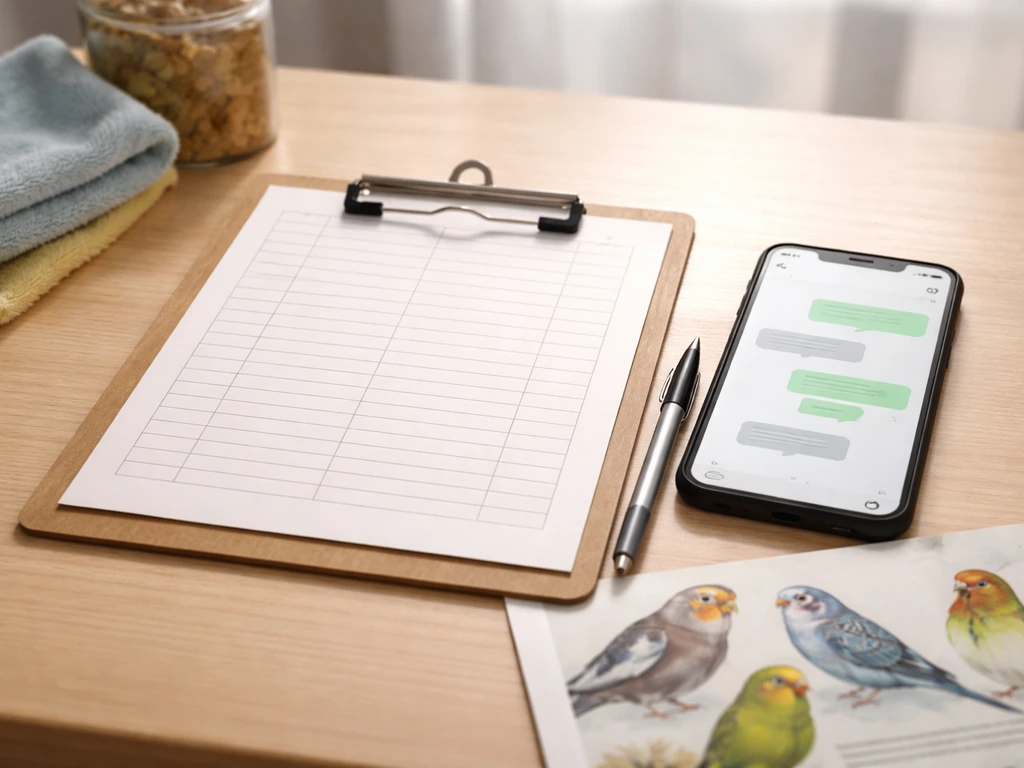
Keep your sales process simple but professional from the start. When a buyer reaches out, confirm the species, age, and price in writing (even just a text thread). Collect a deposit (typically 25 to 50 percent of sale price) to hold a bird once it's weaned. This protects you from no-shows, which happen constantly with new breeders who don't require deposits. On pickup day, provide the buyer with a care sheet, the bird's band number, basic vet history, and your contact information. A short written health guarantee (typically 72 hours for visible health issues with vet documentation) builds buyer trust and reduces disputes.
Track every sale in a simple spreadsheet: bird ID, species, buyer name, sale price, deposit received, balance paid, and date of transfer. This data is useful for your own income tracking and becomes critical if you ever hit USDA reporting thresholds or need to demonstrate responsible records to a regulator.
Your realistic 30-to-90-day launch checklist
- Days 1 to 7: Confirm your business model, choose your starting species, and verify your state and federal permit requirements with your state ag department and USDA APHIS regional office.
- Days 7 to 14: Register your business entity (sole proprietorship or LLC), open a dedicated business bank account, and research zoning rules for your address.
- Days 14 to 21: Set up and disinfect your bird room or aviary space, purchase cages, nest boxes, food, and quarantine supplies.
- Days 21 to 30: Source your founding breeding pairs from a reputable breeder. Begin 30-day quarantine immediately with health log entries.
- Days 30 to 45: Schedule baseline vet health checks for all birds after quarantine clearance. Introduce pairs to breeding cages.
- Days 30 to 60: Launch your Facebook presence, create your Bird Breeders listing, and contact one or two local bird clubs.
- Days 60 to 90: Monitor nest boxes for eggs and chick development. Begin preselling chicks with deposits. Deliver your first sales with full buyer documentation.
That timeline is achievable. Most of the delay is quarantine and breeding cycles, not paperwork or setup. To plan a visit to a bird park, check the park's hours and admission rules, then arrive early so you can see the main feeding and show times. If you start sourcing birds in week three, you can realistically have your first weaned chicks available between weeks 10 and 16 depending on species. Cockatiels incubate for about 18 days and are fully weaned by 8 to 10 weeks of age, so the math works in your favor for a species like that.
Starting small and doing it right beats starting big and scrambling. Two healthy, well-documented breeding pairs producing quality chicks will build your reputation faster than a chaotic dozen-pair operation with inconsistent results. Get the fundamentals down first, then scale. That's the approach that actually turns a bird business into something sustainable. If your real goal is to support birds through conservation and public education, the next step is to plan how to start a bird sanctuary bird business.
FAQ
How can I start a bird business if I have limited space or can only do it part-time?
Pick species that match your daily time window and housing limits, then plan for separation by pair and quarantine space. Even for part-time schedules, you need daily checks during breeding and after any bird arrives, so allocate a clean “new arrivals” area before you buy breeding pairs.
Do I need a USDA license if I’m not selling to pet stores and only sell directly to individuals?
Direct-to-consumer sales can still trigger licensing depending on annual totals and species weight thresholds. The safest approach is to confirm your exact scenario with your USDA APHIS regional office using your projected number of birds sold or held annually.
What’s the best way to handle bird quarantine when starting your business?
Treat quarantine as a process with clear start and end dates, not “until they look okay.” Use a dedicated room or separated area, prevent shared tools or hands from crossing between birds, and schedule a baseline avian vet check right after the quarantine window ends.
How do I choose between closed-banded domestically bred birds versus other sourcing options?
For beginners, closed bands plus documented health history reduce both legal risk and downstream buyer disputes. Avoid wild-caught or CITES-listed stock early on, because paperwork, health uncertainty, and buyer expectations raise your compliance and cost burden.
Can I begin with one breeding pair to test demand before scaling up?
Yes, but structure it as a “proof of process,” not a quick income plan. Start with one compatible pair and a tested pricing and deposit workflow, then only add pairs after you have consistent weaning dates, buyer turnover, and a reliable vet plan.
What should I prepare before a new buyer comes for pickup?
Have the care sheet, band number, and a short written health statement ready before the buyer arrives, and confirm the pickup time in writing. A 25 to 50 percent deposit system also helps reduce last-minute cancellations that can be especially costly around weaning or hand-feeding schedules.
What records do I need to keep from day one, especially for compliance?
Keep a simple bird ID system linked to band numbers, dates acquired, quarantine dates, vet check dates, deposits, and transfer dates. This becomes critical if you later need to prove responsible sourcing, demonstrate reporting compliance, or resolve a buyer dispute.
How can I reduce the risk of illness wiping out my breeding room?
Lock in biosecurity habits that include tool separation, handwashing before entering, and strict one-direction movement from clean tasks to dirty tasks. Also plan “work order” so you handle the oldest or healthiest birds first and save the most suspect birds for last, or not at all if you can isolate them.
When I import birds, what are the most common timing mistakes new owners make?
Most errors come from not accounting for the permit processing window and the permit validity period that must match the shipment. Start the process early, ensure you have the required veterinary health certificate, and avoid ordering until your quarantine and housing are ready.
How should I set prices if my birds are hand-raised but not “show-level” socialized yet?
Price based on verifiable differentiators like health documentation and socialization progress, not just species or mutation. If your birds are still in the early hand-taming phase, keep prices near mid-market and clearly describe what buyers will get (taming stage, diet, temperament notes) to avoid mismatched expectations.
What happens if a bird gets sick right before or after a sale?
Build a policy ahead of time for treatment, timing, and communication. If vet documentation is available, share it promptly, and if the bird cannot meet your sale health expectations, adjust the pickup timeline or cancel under your written guarantee terms to protect trust.
How do I know when I’m ready to scale beyond four to eight breeding pairs?
Scale only after you can reliably hit your weaning schedule, maintain biosecurity without shortcuts, and cover veterinary costs without cash-flow stress. If you cannot afford quarterly vet funding while still buying feed and housing supplies, your operation is not ready to grow.
Next Article
How to Make Money With Bird: Easy Beginner Paths + Plan
Practical step-by-step ways to make money with real birds: guiding, content, digital products, and bird gear tips