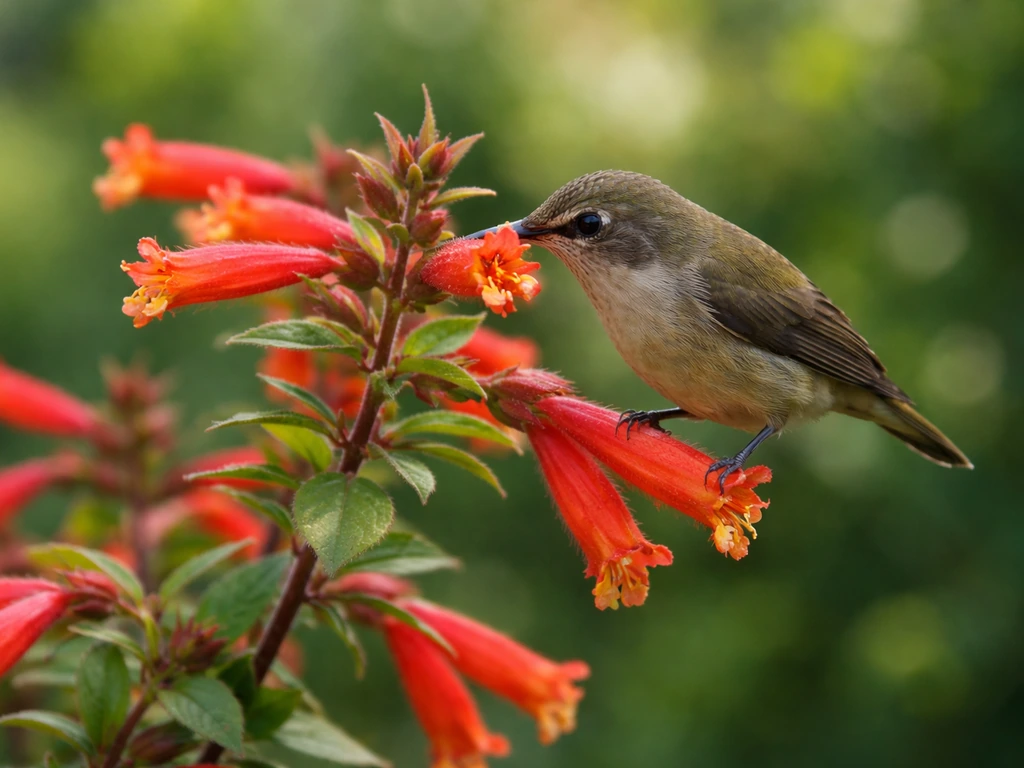
A bird life list is a personal record of every bird species you have ever seen or heard and confidently identified. blank" rel="noopener noreferrer">A life list is a list of all biological species seen by a person, and what counts can vary by birder (for example, what they choose to include). You write down the species name, the date, and the location, and it counts for life. That first House Sparrow on your fence? It goes on the list. The hawk you spotted on a road trip five years ago? That too, if you remember it well enough. There are no official rules for a personal list, which is both freeing and a little confusing when you're just starting. This guide will walk you through exactly how to set yours up, pick a tracking method, and start adding species today with confidence.
How to Make a Bird Life List: Beginner Step by Step


What a bird life list is (and how birders count it)
At its simplest, a life list records every bird species you have seen at least once in your life, along with where and when you first saw it. The "life" part means once a species is on your list, it stays there forever, even if you never see it again. Most birders note the date and location of that first sighting, which makes the list feel like a personal journal as much as a count.
What counts is genuinely up to you. Some birders count only birds they saw with their own eyes. Others include birds identified by sound alone, which is completely valid since professional birding platforms like eBird explicitly include birds you identified by sight or sound. Some people keep separate lists: a yard list, a county list, a country list, and a global life list all running at the same time. Others keep just one master list and keep it simple. There is no governing body that checks your life list the way athletic records are verified, so you get to define your own standards from the start.
The life list is different from a trip checklist or a daily log. Those record every bird you saw on a given outing. Your life list just tracks the milestones: first confirmed sightings of new species. The number of species on your life list is often called your "life total" or just your "life count," and watching it grow is one of the most satisfying things about this hobby.
Choose your scope and counting rules

Before you add your first bird, spend ten minutes deciding on a few basic rules. You do not need to get obsessive about this, but a little clarity upfront saves a lot of second-guessing later. Here are the key decisions to make.
Geographic scope
Do you want a global life list, a country list, or something more local like a state or county list? Most beginners start with a single global life list and add geographic sub-lists later if the interest grows. You can always slice and re-sort your records later, especially if you use a digital tool, so there is no wrong answer here.
What sightings count
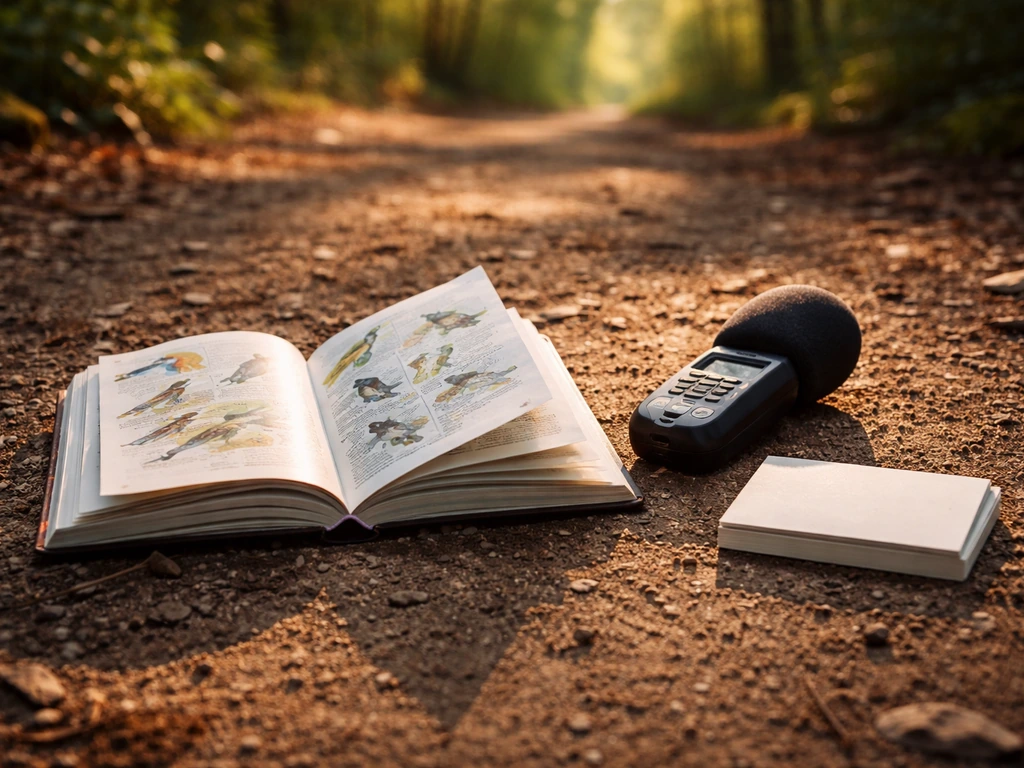
Here are the counting questions you should answer for yourself upfront, because they will come up almost immediately:
- Heard only: Do birds you identified by song or call count? Most experienced birders say yes, and so do platforms like eBird. If you can confidently identify a bird by sound, it counts.
- Flyovers: A bird passing overhead that you identified but never landed near you still counts for most birders.
- Captive birds: Birds in zoos, aviaries, or obviously caged pet birds generally do not count on a life list. Wild birds that happen to be in a yard feeder absolutely do.
- Introduced and exotic species: This gets complicated. A feral Monk Parakeet living wild in your city counts for most people; an escaped parrot from someone's house probably does not. eBird uses categories like Naturalized, Provisional, and Escapee to sort these out, which is handy if you use their platform.
- Backyard birds: Yes, absolutely. A bird at your feeder is as valid as one you spotted on a guided tour.
If you want a simple default rule: count any wild bird you confidently identified by sight or sound in a natural or semi-natural setting (including your backyard). That covers about 99 percent of situations when you are starting out.
Pick a method to track your list (paper, spreadsheet, or apps)
The best tracking method is the one you will actually use. Here is a quick comparison of the three main options:
| Method | Best for | Pros | Cons |
|---|---|---|---|
| Paper notebook | Beginners who like tangible records | No tech needed, personal and satisfying, zero learning curve | Hard to search or sort, easy to lose, no backup |
| Spreadsheet (Excel or Google Sheets) | People who want flexibility and control | Fully customizable, sortable, free, easy to back up | No automatic ID help, manual data entry |
| eBird (app/website) | Anyone who wants the most powerful free option | Automatic life list totals, maps, species suggestions, huge community | Slight learning curve, requires an account |
| Merlin Bird ID app | Beginners who want ID help built in | Identifies birds for you, saves directly to a life list, works offline | Life list is private only, less data depth than eBird |
My honest recommendation: start with Merlin Bird ID for identification help in the field, and log your sightings into eBird at the end of each outing. eBird automatically builds your life list from every checklist you submit, tracks the date and location of each first sighting, and lets you see your total count at any time. Merlin even integrates with eBird, so birds you save in Merlin can sync to your eBird life list. If apps are not your thing, a small notebook works perfectly well. You can always migrate to a digital system later.
How to identify birds well enough to add them
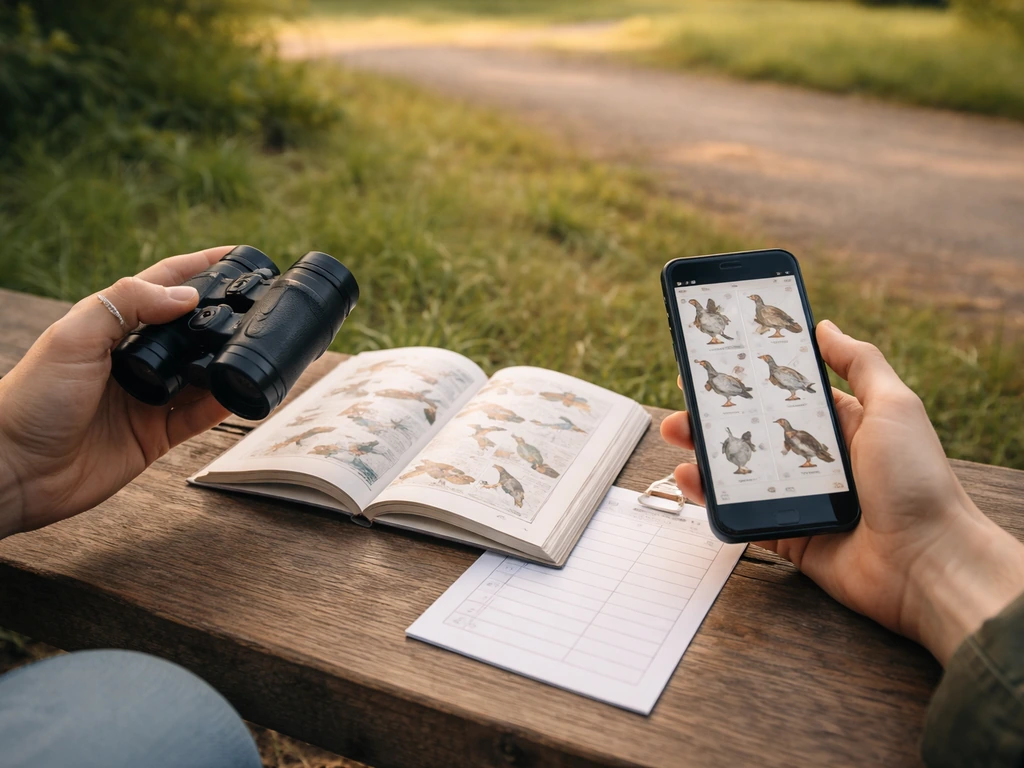
You do not need to be an expert to start your life list, but you do need a basic workflow for identifying birds before you add them. Adding a bird you are not sure about is a common beginner mistake that leads to a list you cannot trust. Here is a simple identification process that works whether you are in your backyard or on a trail.
- Slow down and observe before reaching for your phone. Look at the bird for 20 to 30 seconds. Note its size (sparrow-sized? robin-sized? crow-sized?), body shape, bill shape, colors, and any distinctive markings like wing bars, eye rings, or tail patterns.
- Note its behavior. Is it hopping on the ground, clinging to bark, hovering, or wading? Behavior narrows the group of birds dramatically.
- Listen. Song and call patterns are often the fastest route to a confident ID, especially in dense vegetation where you can hear but not see well.
- Use Merlin Bird ID to get a match. Open the app, enter the date and your current location, and either describe what you saw using the visual filters or use Sound ID to let the app listen in real time. Merlin will show you a ranked list of likely species.
- Cross-check with a field guide or All About Birds (allaboutbirds.org). Look at range maps, habitat notes, and similar species to make sure you are not confusing two species that look alike.
- Ask yourself honestly: am I confident? If you can point to at least two or three field marks that match and the range/habitat makes sense, add it. If something still feels off, hold off and try to confirm later.
A good field guide matched to your region is worth owning. The Sibley Guide, Peterson Field Guides, and National Geographic's field guide are all solid choices. Merlin covers most situations digitally, but a physical guide is useful when your battery is dead or you want to study before an outing.
How to record sightings in the moment (notes, photos, locations)
Write it down right away. This is the single most important habit in birding record-keeping. If you want to improve your results, follow a step-by-step approach for how to record bird sightings so your notes stay clear and verifiable. Memory is unreliable, especially after a busy outing where you saw 15 species. eBird's own guidance is clear on this: write observations down as you make them, not hours later at home. The raw details you capture in the moment are more accurate and more useful than reconstructed memory.
Here is what to note for each sighting, at minimum:
- Species name (or your best guess with a question mark if unsure)
- Date and time
- Location: be as specific as you can, but if you only know the city or county, that is fine. Use a broader location rather than a fake precise one.
- How you identified it: saw it, heard it, or both
- Any notable details: behavior, plumage, what it was doing, habitat
Photos are your best friend when starting out. Even a blurry phone shot of a bird you are unsure about gives you something to review later. You do not need a big camera; a smartphone works for documentation purposes. For sound, the Sound ID feature in Merlin can record and identify in real time, and those recordings are valuable evidence if you spot something unusual.
If you use eBird, create a checklist for every outing and log birds as you go or immediately after. eBird asks for your start time, location, duration, and distance covered, then lets you add every species you saw or heard. Make it a complete checklist when possible: that means reporting every species you identified, not just the exciting ones. A blank" rel="noopener noreferrer">complete checklist means reporting every species you identified as best you could, rather than excluding species or reporting only the highlights. This practice makes your data more useful to you and to science, and it directly supports efforts like breeding bird surveys and the Great Backyard Bird Count, which rely on thorough records from everyday birders. These survey approaches are designed to help standardize how you record birds, which makes your observations more comparable over time and across locations breeding bird survey methods.
What to do with uncertain IDs and common tricky cases
Uncertainty is normal. Even experienced birders leave species unconfirmed regularly. The key is having a consistent approach so your list stays trustworthy.
The uncertain ID rule
If you are not confident, do not add it yet. Instead, note it separately as a "possible" or "uncertain" sighting with all the details you remember. Take a photo or audio clip if you can. Then try to confirm it by checking your photo against a field guide, posting to a birding community like a local Facebook group or the eBird forum, or going back to the same spot. Once you are confident, add it. This is exactly the approach Merlin recommends: only save birds you are sure you identified correctly.
Heard-only birds
A bird you confidently identify by its song or call absolutely counts. Many common birds are more often heard than seen: think Eastern Wood-Pewee, Ovenbird, or most owls at night. If you know the call well enough to be certain, add it. If you are not sure yet, use Merlin Sound ID to capture it and check. Learning calls is a skill that grows over time, so be patient with yourself.
Confusing similar species
Some species are genuinely tricky, especially when you are new. House Finch vs. Purple Finch. Sharp-shinned Hawk vs. Cooper's Hawk. Downy vs. Hairy Woodpecker. For these, do not guess. Note "Downy/Hairy Woodpecker" as a placeholder, take a photo, and figure it out when you can zoom in. Most field guides have "confusing species" comparison plates specifically for this reason. Adding the wrong species is worse than leaving the spot empty.
Exotic and introduced birds
If you see a non-native bird, the question is whether it is truly wild and self-sustaining. eBird uses labels like Naturalized (established wild population), Provisional (possibly established, still uncertain), and Escapee (likely from captivity, not self-sustaining) to sort these cases. For your personal list, decide upfront: you might count Naturalized species like Rock Pigeons and European Starlings (most birders do) but not obvious cage escapes. If you use eBird, the platform handles much of this automatically and even updates your life list totals if a species' status changes later.
When eBird flags your sighting
If you enter something rare or out of range in eBird, the system may flag it for review and ask you to add documentation. This is not a sign you did something wrong. Just add a short description of what you saw, any photos or audio, and submit. A local reviewer will check it. If confirmed, it stays on your list. If not, it gets removed. This system actually makes your list more credible over time, not less.
Simple next steps: start your first life list this weekend
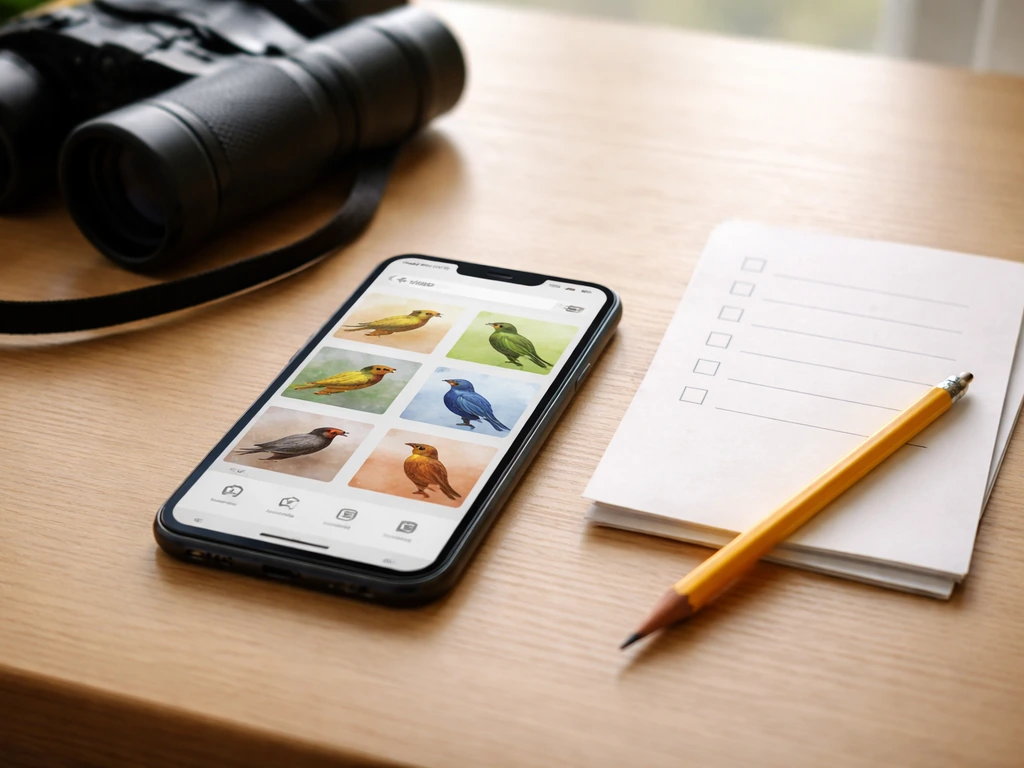
Here is a concrete plan to get your first entries logged before the weekend is over.
- Download Merlin Bird ID (free) and set up a free eBird account at ebird.org. Link the two in Merlin's settings so your sightings sync automatically.
- Decide on your basic counting rules right now: you will count birds you confidently identify by sight or sound, in the wild or at feeders, anywhere in the world. Keep it simple.
- Pick a starting spot. Your backyard, a local park, or a nearby walking trail all work perfectly. You do not need to travel anywhere special for your first session.
- Bring your phone (with Merlin downloaded and a location saved for offline use), a small notebook or the eBird app for logging, and binoculars if you have them. 8x42 binoculars are a great all-around choice if you are shopping.
- Spend 30 to 60 minutes outside and log every bird you confidently identify. Use Merlin Sound ID to help with tricky calls. Write notes immediately.
- Back home, review your eBird checklist and add any comments or photos. Correct any locations or dates that need fixing. Check your life list total in eBird: that is your starting number.
- Repeat the outing the following day or next weekend at a different spot. Your list will grow faster than you expect.
A few things that will help you stay consistent over time: always enter your checklists within 24 hours while your memory is fresh, keep a notebook or use eBird's mobile app rather than relying on memory alone, and do not stress about big numbers at the start. Most beginners add 30 to 50 species in their first few months without trying very hard, just by paying attention to common birds they have been walking past for years.
If you want to go further, learning how to record your sightings in more detail will make your list even more useful, and participating in community science events like the Great Backyard Bird Count is a great way to put your records to work for conservation while meeting other birders in your area. Your life list is a personal record first, but it can also become part of something much bigger. Understanding the bird pollination process can help you notice which species visit flowers and why.
FAQ
Should I include birds that might be escapees or unusual appearances on my life list?
Yes, as long as you can confidently identify it as a self-sustaining wild bird. A practical rule: include it if it behaves like a wild bird (foraging and moving normally) and you have evidence for ID (photo, good view, or confirmed sound). Avoid counting obvious captive escapees unless you later confirm a Naturalized or Provisional status through reliable local info.
What should I do if I realize later that I misidentified a species that I already added?
Keep your list “first confirmed” and avoid rewriting history. If you later learn you made a mistake, either correct the entry in your digital tool if it supports edits with documentation, or move the record to an “uncertain or revised” section and keep the main life list strictly accurate. The goal is consistency, not perfect hindsight.
If I first hear a bird and later see it, do I count it once or twice?
For life list purposes, treat each species independently, even if it was seen in a different way (sight, sound, or both). If you first detected it by sound and later confirm visually, you still count it once, but you may want to add a note in your record about how you confirmed it (for example, “IDed by song, then verified later”).
Do I count every individual bird, or only new species, for my life list?
You do not need to include “duplicates” like multiple individuals or repeat sightings in the main life list. However, you can add a separate field in your notes for details like number of birds, behavior, or whether it was breeding (nesting, carrying food). That helps later when you compare years without changing your total species count.
How should I handle birds I’m unsure about without ruining my life total?
Use a small, consistent uncertainty workflow. For example, record the date, location, and your confidence level, then tag it as “possible” without counting it toward your life total until you have supporting evidence. This prevents your life list from drifting while still letting you learn from near-misses.
Can I change my rules later (for example, start counting sounds after months of sight-only records)?
If you want counts that are comparable, don’t mix “only eyes” and “eyes plus sound” over time. Pick one rule for your main life list (sight only, or sight and sound) and stick to it, then create a separate note list for anything outside your chosen standard. Sudden rule changes make your totals hard to interpret.
Should I ever put a placeholder like “Downy/Hairy” on my life list, or wait until I’m sure?
For tricky species, placeholder entries can work, but they should not inflate your life total. A good approach is to record the taxonomic guess you’re confident about (for example, “Downy or Hairy Woodpecker, uncertain” or “Accipiter sp.”), save evidence, and only add to the life list when you resolve to a specific species.
How do I decide whether an out-of-range or unusual bird should count on my life list?
If the bird is out of its normal range where you are, you can still count it, but require stronger support. For beginners, the simplest safeguard is: count it only if you have a good photo, multiple observations that match the same species, or a high-confidence identification from a reputable ID source you trust.
If I use eBird, will my life list change automatically if identifications are reviewed or reclassified?
Yes, if you use eBird, but your totals can be affected by status changes and review outcomes. A practical approach is to treat eBird as the “source of truth” for the species total, and keep your personal notes for context. When an entry is reclassified, make a conscious decision whether your personal list mirrors the change or keeps an older snapshot.
How can I structure separate life lists (global, state, county) without double-logging everything?
A common setup is to log a global life list plus one geographic slice that you care about (like your county). Keep the same species standard for all versions, then apply the location filter to your existing records. This makes it easy to see growth in a way that matches how you actually bird.
Bird Pollination Process: Step-by-Step Guide and How to Help
Step-by-step bird pollination process, how birds move pollen, recognize bird flowers, and encourage visits safely.