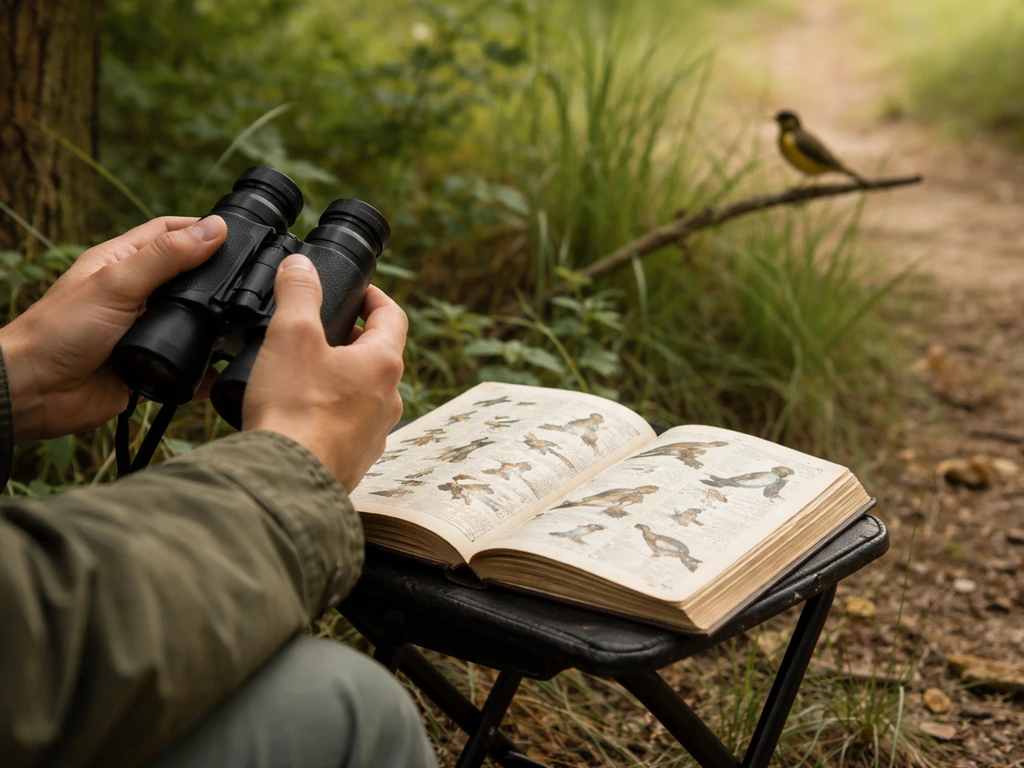
You can tell male and female finches apart by looking at plumage color, head markings, and streaking patterns, but the exact traits you check depend entirely on the species. A trick that works perfectly for zebra finches will lead you completely astray with goldfinches. So the right starting point is always: figure out which finch you have first, then use the sex-specific field marks for that bird.
How to Identify Male and Female Finches: Step by Step Guide

Marcus Hendricks
27 Apr 2026
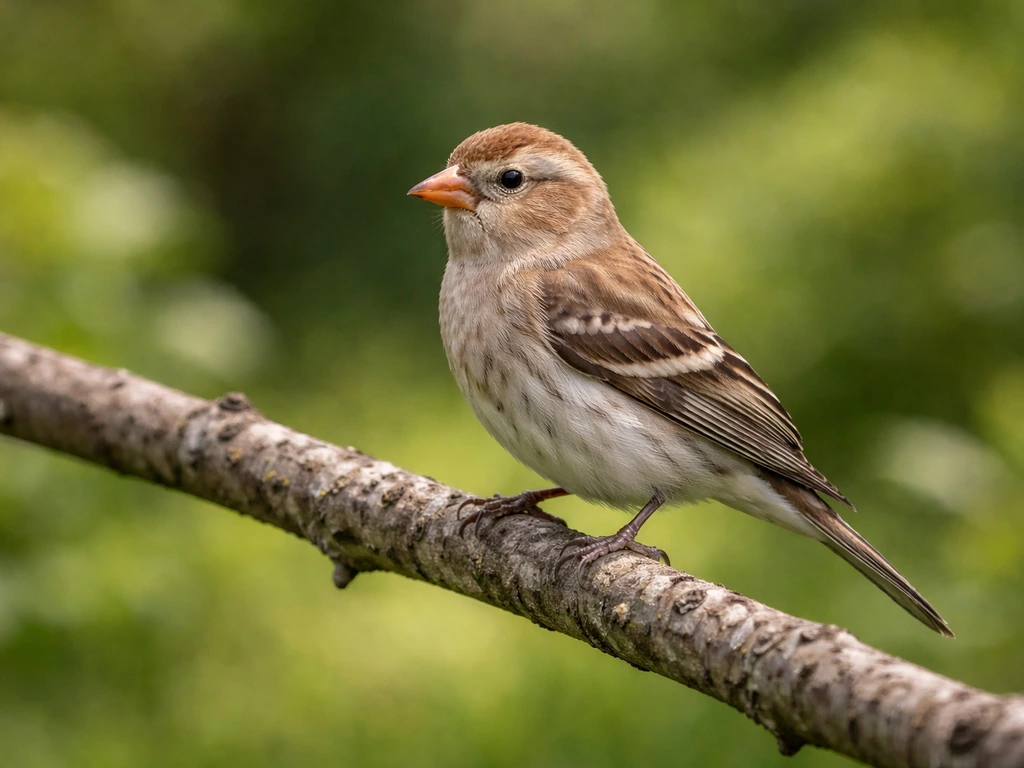
Start with the species, not the sex
This is the step most beginners skip, and it causes almost every ID mistake I see. Finches aren't one uniform group with a universal male/female rule. A house finch, a zebra finch, an American goldfinch, and a chaffinch all have completely different sexual dimorphism, meaning the differences between males and females vary dramatically from species to species. Some finch species are dramatically different between sexes (house finch), some are subtly different (European goldfinch), and some are nearly impossible to tell apart without DNA or a vet (society finch).
Before you even think about sex, nail down the species using these four anchors, which ornithologists call the four keys to ID: size and shape (especially beak shape, which varies a lot in finches), color and pattern, behavior, and habitat. Once you know what finch you're looking at, the sex ID becomes much more straightforward. To make bird identification stick, focus on repeating the species ID process until it becomes automatic, which is the core skill behind learning bird identification sex ID.
Male vs female traits for the most common finches
Here's a practical species-by-species breakdown covering the finches people most commonly keep as pets or spot in the wild. I've kept this to the traits you can actually use in the field or at a cage, without needing a microscope.
| Species | Adult Male | Adult Female | Most Reliable Cue |
|---|---|---|---|
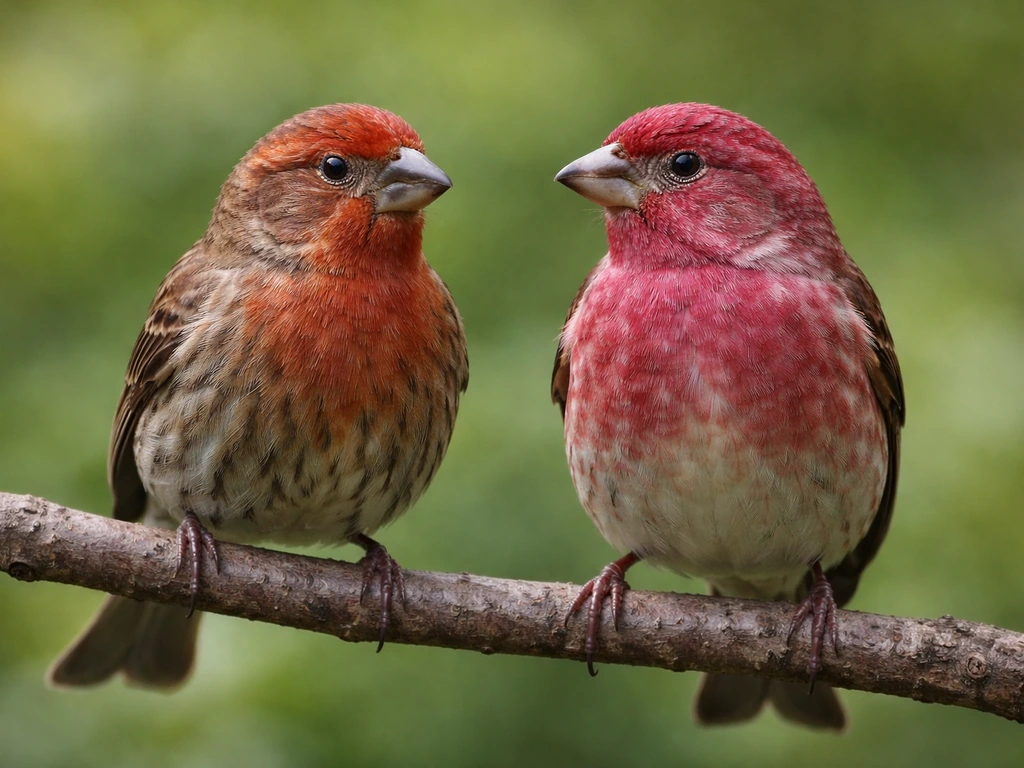
| House Finch | Rosy red on face, forehead, eyebrow, throat, and upper breast; brown streaked back; streaks on sides/belly | Plain brown overall; heavily streaked underparts; no red anywhere; no strong head pattern | Presence or absence of red on head and chest |
| Purple Finch | Deep reddish-purple wash on head, back, and breast; less streaking on belly than House Finch; different face pattern | Brown and white with bold white eyebrow stripe and dark malar stripe; face pattern is more contrasting than female House Finch | Female's bold face pattern; male's wine-purple (not rosy-red) wash with clean belly |
| American Goldfinch (breeding) | Brilliant lemon yellow body; jet black cap on forehead; black wings and tail; white rump | Yellow below with black wings; no black forehead cap; duller overall yellow | Black forehead cap on male; absent on female |
| American Goldfinch (winter) | Olive-yellow overall; black wings retained but yellow replaced by olive-buff; no black cap | Dull olive-brown; slightly brighter yellow on throat only; similar to winter male but even more muted | Very similar; retained black wings help confirm goldfinch ID, but sex is harder to call |
| European Goldfinch | Bright red facial mask extends above and behind the eye | Red facial mask present but does not extend past or behind the eye | How far back the red face reaches relative to the eye |
| Zebra Finch | Orange cheek patches; black-and-white 'zebra' barring on throat and upper breast; chestnut flanks with white spots; red-orange beak | Plain gray-brown face and breast; no cheek patches, no chest barring, no flank spotting; orange-red beak (slightly paler) | Cheek patches and chest barring on male; absent on female |
| Society Finch (Bengalese Finch) | No reliable visual difference between sexes | No reliable visual difference between sexes | Behavior only: males sing and dance; DNA or vent sexing needed for certainty |
| Canary | Males tend to have a rounder, fuller appearance; some color varieties show no visual sex difference | Slimmer body profile in many individuals; no consistent color-based rule | Behavior: males sing elaborate songs; females rarely sing; body shape is a soft cue only |
| Chaffinch | Blue-gray cap and nape; rusty-pink face and breast; white wing bars; green rump | Brownish overall with white wing bars; no blue-gray cap; no pink on face or breast | Cap color and breast color |
A quick note on house finch vs purple finch: these two trip up a lot of people at feeders. The male house finch has a rosy-red eyebrow and forehead but retains clear brown streaks on the breast and belly. The male purple finch looks like he was dunked in raspberry juice, with a richer, deeper reddish-purple tone on the head and back, and noticeably less streaking on the underparts. For the females, the female purple finch has a much bolder, more contrasting face pattern with a crisp white eyebrow stripe, while the female house finch has a plain, streaky face with no strong markings.
Season changes everything: breeding plumage, winter plumage, and molt
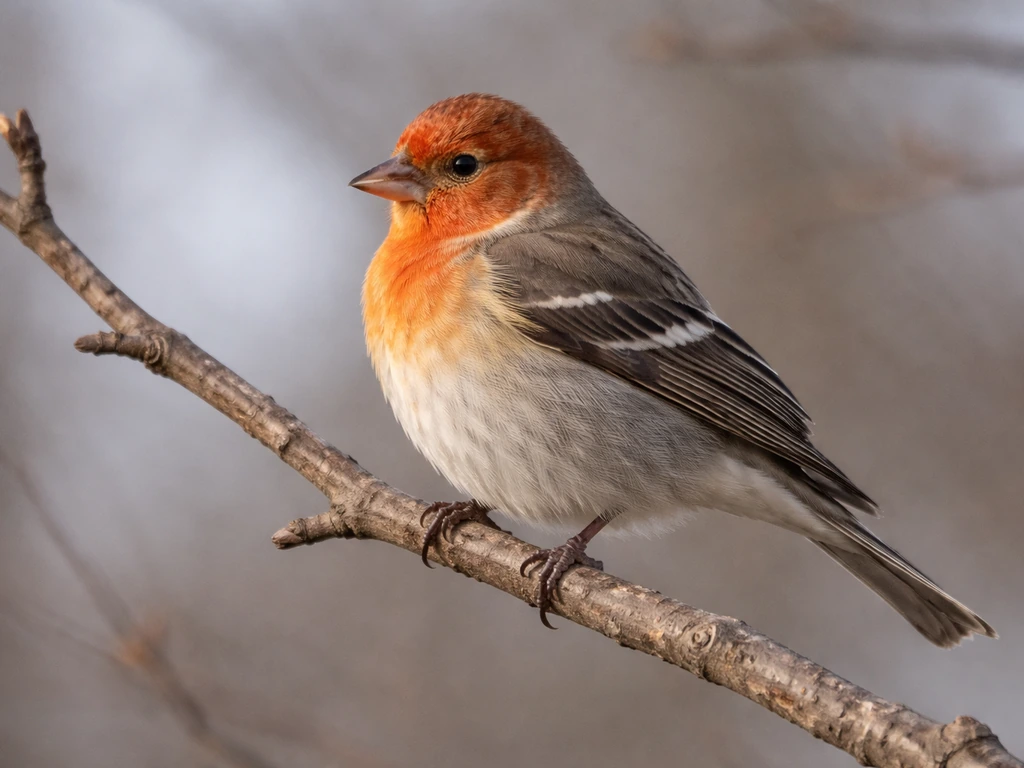
Plumage in finches isn't static. Many species look dramatically different depending on the time of year, and if you don't account for that, you'll either misidentify the sex or tie yourself in knots trying to explain why a 'female' doesn't match what you expected.
Breeding season (spring and summer)
This is the easiest time to sex most finches. Males come into their brightest colors after the spring molt, which is when they replace worn feathers with fresh, vivid ones to attract mates. The American goldfinch is the poster child for this: the male goes from a dull olive-buff in winter to a brilliant lemon yellow with a sharp black cap by late spring. The Project FeederWatch participant photo of a male American goldfinch shows the breeding-plumage cues field observers can use, including the black cap and contrasting black wings or tail against the yellow body. If you see a goldfinch with a jet-black forehead cap, that's a breeding male, full stop.
Non-breeding season (fall and winter)
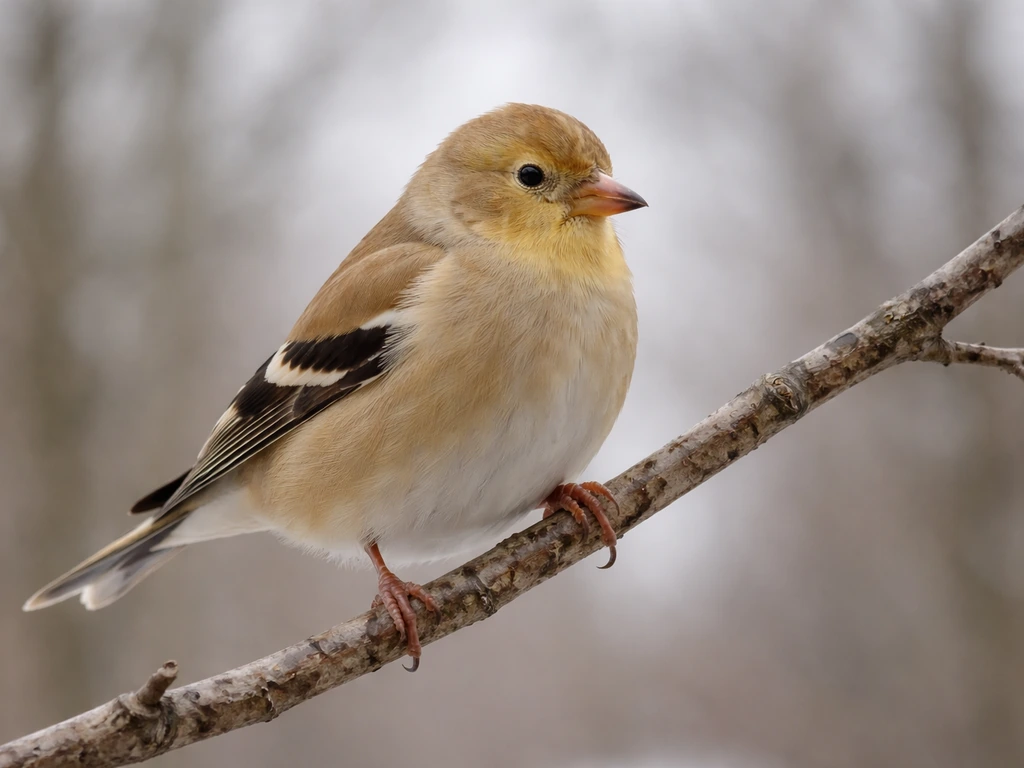
Outside of breeding season, male and female finches look much more alike because males lose their vivid breeding colors through molt. Winter male goldfinches lose the black cap entirely and fade to olive, making them look strikingly similar to females. House finches retain their red year-round but may look slightly duller in winter. The key takeaway: if you're trying to sex a finch in fall or winter, build in extra caution and look for retained features like wing pattern, face shape, and any subtle color differences that persist through the year.
Juveniles and molting birds
Juvenile finches are the trickiest category. Young birds of both sexes generally look like adult females, muted and streaky, because they haven't grown their adult plumage yet. A juvenile male house finch, for example, will look almost identical to an adult female until it goes through its first full molt, which typically begins in late summer or fall of its first year. During active molt, a bird can look patchy and confusing, with some bright feathers coming in alongside dull ones. If you're looking at a bird with ragged, uneven plumage and can't make a clean call, it may simply be mid-molt. Give it time. If you're learning to identify fledgling or juvenile birds more broadly, that's its own skill set worth practicing separately. If you're dealing with nestlings, use the specific steps in how to identify bird chicks instead of relying on adult plumage rules. A helpful guide is how to identify a fledgling bird, since age can change both plumage and markings.
When males and females look almost identical
Some finch species are monomorphic or nearly so, meaning the sexes look so similar that even experienced birders can't reliably tell them apart by sight. Society finches (also called Bengalese finches) are the classic example for pet owners: there is no dependable visual difference. The only reliable field cue is behavior: males sing and perform a little bouncing courtship dance; females generally don't. But even that isn't 100% reliable, since some females will produce soft sounds.
Canaries are another semi-monomorphic species in many color mutations. Body shape can be a soft indicator (males tend to be slightly rounder and fuller), but this is only meaningful when you're comparing two birds side by side, and it's easy to get wrong with a single bird. Song is the most practical cue: male canaries sing complex, melodic songs; females rarely produce more than soft chirps. But again, song behavior can vary by individual and is not definitive for sexing purposes without other confirmation.
For any species where visual sexing is unreliable, the honest answer is: you need either behavioral observation over time, DNA testing, or a vet who can do a physical examination. Don't guess and label confidently when the bird won't cooperate.
How to document what you see (so you can actually make a call)
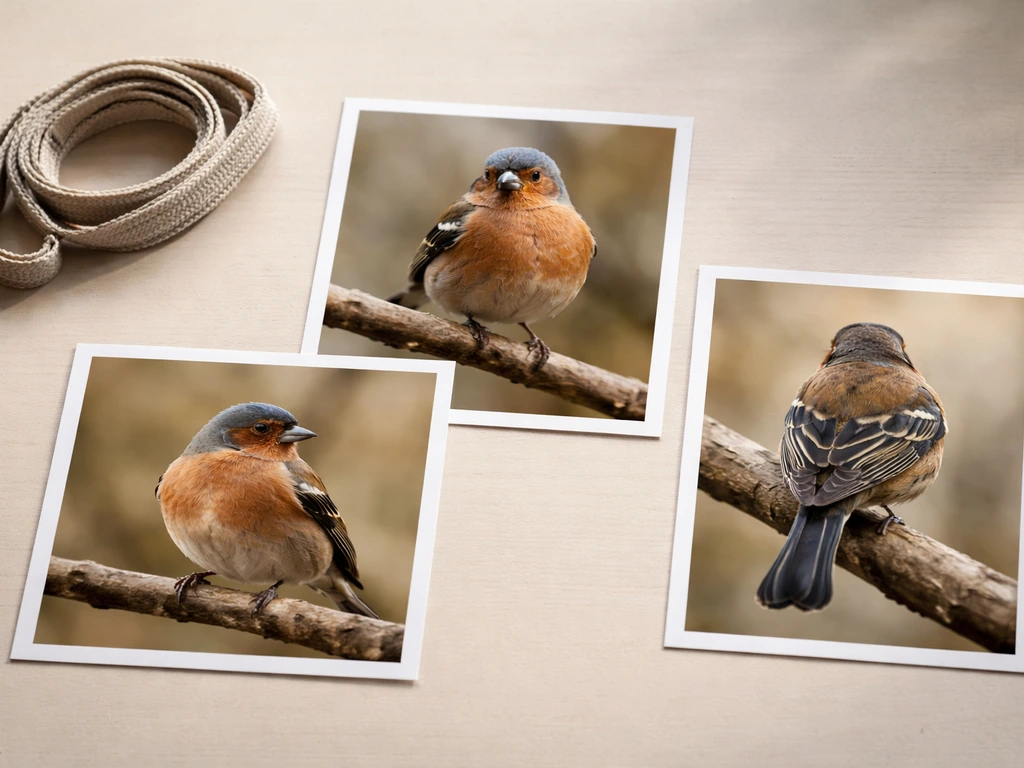
One of the best habits I've developed is treating every tricky ID like a small investigation rather than a snap judgment. Here's the process that works well for finch sexing specifically.
- Photograph the bird from multiple angles. Get the head, the face/cheek area, the breast, the back, and the tail if possible. A single front-on shot often misses the key details.
- Note the date and season. This context tells you immediately whether you should expect breeding or non-breeding plumage.
- Write down the specific field marks you actually saw, not just 'reddish' or 'streaky.' Be precise: 'red extends from forehead through eyebrow to upper throat' vs 'reddish wash on face.'
- Compare your notes against a species-specific reference (not a generic finch chart). Cornell Lab's All About Birds and FeederWatch have species pages with photos for each plumage type.
- Assign yourself a confidence level: high (multiple matching field marks), medium (one or two matching marks, some ambiguity), or low (best guess only). Don't upgrade a low-confidence ID just because you want certainty.
- If you have a pet finch, keep a simple log with photo dates so you can track plumage changes over months and seasons.
Photos are genuinely your best friend here. You can also use the bird tag details to confirm what species you have before you try to interpret sex-related traits. When you spot a bird with a tag on its leg, you can use the tag’s markings to help confirm the species and context of the sighting how to read bird tags. Using the same approach as bird ID from photos, zoom in on key features like beak shape, color, and pattern to narrow down the species first how to identify a bird from a photo. I've solved IDs I couldn't crack in the field by zooming into a photo on a screen later. Even a decent smartphone shot in good light is usually enough to check whether a red face patch extends past the eye (European goldfinch sexing) or whether there's a faint black cap forming on a goldfinch in early spring.
Myths and mistakes that will lead you wrong
- Myth: 'Brighter color always means male.' True for many finch species in breeding season, but not universal. Some females of certain species can be surprisingly colorful, and winter males can be dull enough to be mistaken for females.
- Myth: 'Singing means male.' Male finches do sing more and more elaborately as a rule, but some females sing, and not all males sing frequently outside breeding season. Song is a supporting clue, not definitive proof.
- Myth: 'If it's plain and brown, it's female.' Many juvenile males are plain and brown. So are out-of-season males of some species. And some species have plain males year-round.
- Myth: 'One field mark is enough.' Relying on a single trait (like 'it has a bit of red') is how misidentifications happen. Stack multiple field marks before committing to an ID.
- Myth: 'The rules for one finch apply to all finches.' A house finch identification guide will actively mislead you if you apply it to a purple finch or a European goldfinch.
- Mistake: Sexing a juvenile or molting bird with adult rules. Juveniles of both sexes look like adult females in most species. A bird in active molt will look like neither.
- Mistake: Treating behavior as definitive without visual confirmation. Two same-sex birds can display courtship-like behaviors toward each other. Behavior helps but doesn't replace careful visual checking.
Still can't tell? Here's what to do next
If you've gone through the field marks, checked the season, compared photos, and you still aren't confident, that's completely normal. Omlet also notes blank" rel="noopener noreferrer">male zebra finch markings that are absent in females, such as orange cheek patches, a black breast bar, chestnut flanks with white spots, and black-and-white striping on the throat and chest. Some finch IDs are genuinely hard, even for experienced birders. Here are the most practical next steps.
- Wait for breeding season. If the bird is a pet or a regular feeder visitor, give it time. Males of many species become unmistakably distinct when breeding plumage comes in. Patience beats guesswork every time.
- Post your photos to a reputable ID community. iNaturalist and the Cornell Lab's eBird community both have large groups of experienced birders who can review your photos and give a second opinion. Be honest about the date, location, and any behavior you observed.
- For pet finches, consult an avian vet. A vet can perform a physical examination or recommend DNA sexing, which is the most reliable method for species like society finches and canaries where visual sexing is not dependable.
- Talk to a reputable bird breeder. Experienced finch breeders have often handled hundreds of individuals of a single species and can spot subtle cues (posture, beak detail, vent examination) that photos don't capture.
- Use species-specific resources. Cornell Lab's All About Birds, Project FeederWatch's Tricky Bird IDs pages, and the British Trust for Ornithology (BTO) sexing guides for European species are among the most reliable free resources available.
One thing I'd caution against: don't treat a random internet forum post or a single Google Image result as a definitive reference. There's a lot of mislabeled bird photography online. Stick to resources from ornithological institutions or experienced, peer-reviewed communities when accuracy matters to you.
If you're building broader bird identification skills, learning how to identify wild birds in general, how to read subtle field marks, and how to document what you see with photos are all related skills that reinforce each other. The more you practice on species you can confirm, the sharper your eye gets for the trickier ones like finch sexing. If you also need to identify markings on a specific bird, learn how to tag a bird before you compare sex or season traits.
FAQ
How can I tell the difference between a male finch and a female if the bird is molting or looks patchy?
Treat it as an “incomplete ID.” During active molt, new feathers can mimic the opposite sex because pattern and color reset gradually. Focus on stable anchors first (beak shape, overall size and head shape, and any pattern that stays consistent like wing bars or underpart streak placement), then wait until the molt finishes before making a confident sex call.
What should I do if the bird looks different from the guide because it is a color mutation or a hybrid?
Don’t rely on the standard male/female color description alone. Color mutations and hybrids can flip or soften the usual sex cues, especially in cage species. In those cases, confirm the species using structural clues (beak and head profile, wing pattern, tail shape) and use behavior or professional testing if sex identification remains unclear.
Can I sex a finch from a photo taken through a window or at bad lighting?
You can often confirm species, but sexing becomes less reliable because glare and shadows hide the facial markings and the underpart streaks that drive many finch sex differences. Recheck with the original image at full resolution, look for crisp edges around face patches, and if the plumage looks smeared or washed out, plan to observe in better light or use a different photo angle.
What’s the most common mistake people make when trying to sex finches at feeders?
They skip species confirmation and apply a “works for my species” rule to the wrong finch. A red head can point to house finch males, but other species can show overlapping red or rufous tones. Always start by verifying the species with multiple keys (beak shape, pattern, behavior, and habitat) before attempting sexing.
If a goldfinch doesn’t have a black cap, does that mean it’s not a breeding male?
Not necessarily. Outside the breeding window, males can lose the black cap and become much closer in appearance to females. Check timing first, then look for any retained breeding cues such as lingering dark head/forehead tone, wing pattern, and year-round features that persist through molts.
How long should I observe a bird before deciding sex based on behavior?
Give it multiple opportunities across the day, not just one moment. Courtship behaviors like singing, bouncing, and displays are most informative when they are repeated, directed, and clearly tied to mating context. If you only see brief sounds or one display event, treat it as supportive evidence, not a final sex determination.
Are juvenile finches always the same sex cues as adult females?
Juveniles often resemble adult females because they are still in a muted, streaky plumage phase. The risk is assuming “female look equals female sex.” Instead, re-evaluate once you can see the first complete molt, and if the bird appears ragged or patchy, consider that it might be mid-molt rather than stably female-looking.
When visual sexing is unreliable, what’s the most reliable next step: DNA, a vet exam, or waiting?
If you need certainty soon, DNA testing is the most decisive option. A vet physical exam can help when there are anatomical differences that can be assessed, but it may not be definitive for every finch species. If you can wait, re-check at the end of molt and compare multiple photos and behaviors, because many species become much easier to sex during breeding plumage.
How do I use leg bands or tags without misidentifying the context?
Use band information to support species and sourcing, but do not treat it as automatic sex proof. Verify what the tag or band indicates (species, origin, or individual ID) and cross-check with visible structural traits and timing. If the bird is a pet or escaped individual, context can matter, and mistaken labeling on tags can still occur.
What if I’m confident about sex but later realize I misidentified the species. Should I change the sex label too?
Yes. In finch sexing, sex cues are species-specific, so a correct sex call depends on a correct species call. If the species identification changes, revisit the sex reasoning from the start using that species’ known male and female field marks, and update your record rather than “keeping” the old sex assignment.
Next Article
How to Identify a Wild Bird: A Field Guide for Beginners
Step-by-step wild bird ID workflow using field marks, habitat context, and calls, with safety ethics and verification ti