To visit a bird park successfully, book your tickets in advance if the venue uses timed entry (many do), arrive in the morning for the best bird activity, pack binoculars and a camera, wear comfortable walking shoes and weather-appropriate layers, and follow the park's feeding and enclosure rules to the letter. That's the whole formula. Everything below breaks it down step by step so your first visit actually goes well.
How to Go Bird Park: First-Time Planning Guide
Marcus Hendricks
13 May 2026
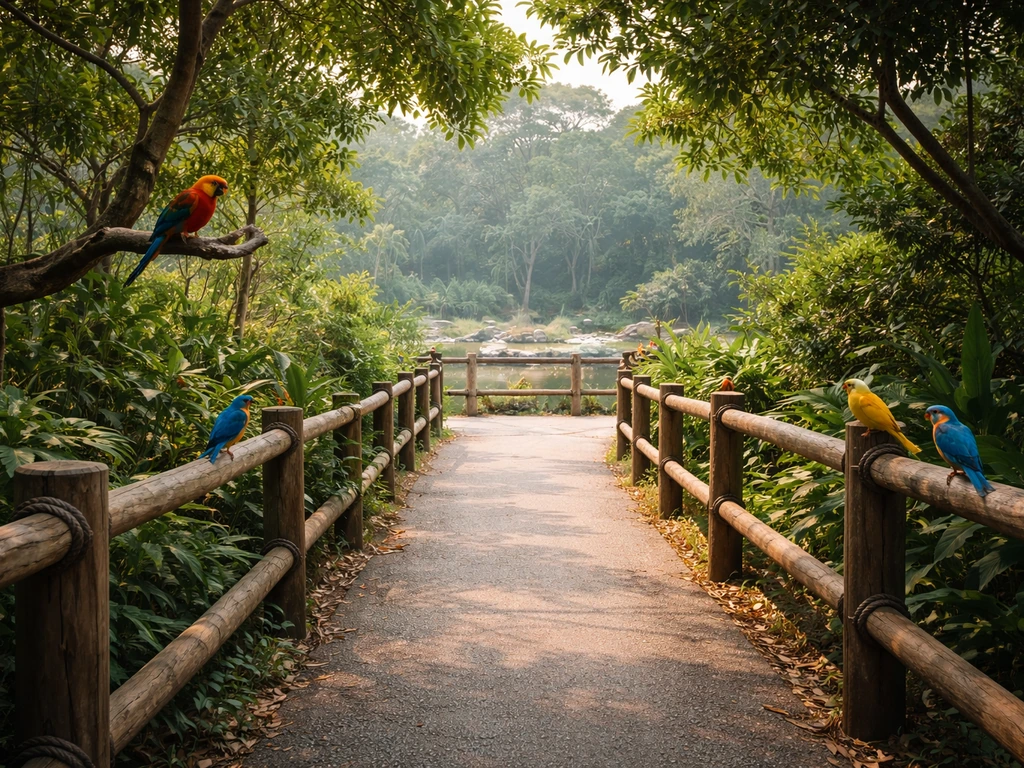
Which type of bird park are you actually visiting?
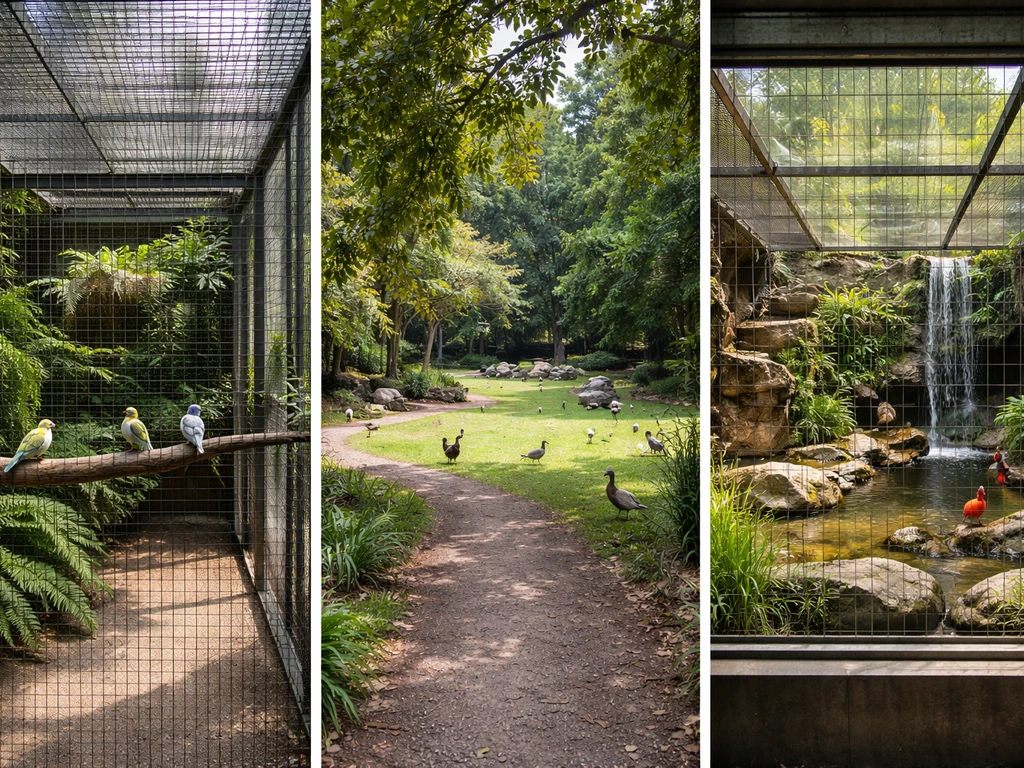
The phrase 'bird park' covers a pretty wide range of places, and knowing what you're walking into helps you plan properly. Most fall into one of three categories: a dedicated aviary (like the National Aviary in Pittsburgh or Sylvan Heights Bird Park in North Carolina), a zoo with a strong bird section, or a wildlife sanctuary where birds live in more naturalistic, open habitats. Each one works a bit differently.
- Aviaries: Birds are kept in enclosed or semi-enclosed flight spaces. You can often walk right through the enclosure among the birds. Interactive feeding zones (like Sylvan Heights Bird Park's Landing Zone, where you can buy parakeet and flamingo food) are common. Great for beginners because birds are close and easy to observe.
- Zoo bird exhibits: Usually a section of a larger zoo, with a mix of walk-through aviaries and individual enclosures. Rules are strict, sightlines are designed for viewing, and crowds can be heavier.
- Sanctuaries and wildlife refuges: More naturalistic, birds move freely, and sightings aren't guaranteed. You're doing real birdwatching here. Less curated but often the most rewarding if you're patient.
If you're taking kids or it's genuinely your first time around birds, a dedicated aviary or bird park with interactive areas is the easiest starting point. Sanctuaries are incredible, but they demand a bit more patience and preparation. If you enjoy the experience enough, you can carry that momentum into learning how to start a bird sanctuary at home or with a local partner. If you're curious about deeper involvement with birds beyond just visiting, there are related paths worth exploring, like starting a bird sanctuary of your own or learning about bird photography as a hobby.
When to go and how to plan your visit
Timing matters more than most first-timers realize. Birds are most active in the early morning and again in the late afternoon, but at managed bird parks, feeding schedules and guided programs can shift that window. As a general rule, arriving right when the park opens gives you the calmest, most active bird experience before crowds build up.
If you're planning an afternoon visit, don't cut it too close to closing. Sylvan Heights Bird Park, for example, recommends arriving no later than 3:00 p.m. (or 2:00 p.m. during winter hours) to give yourself enough time to see everything, including their Landing Zone. Showing up 45 minutes before close and expecting to do it all is one of the most common first-timer mistakes.
Check whether the park uses timed ticketing. The National Aviary uses timed entry to manage crowd flow, and you can present your ticket on your phone at the door. Buying online in advance protects you from selling out, especially on weekends and public holidays. At Sylvan Heights Bird Park, tickets can be purchased online or at the Visitor Center, and general admission includes access to aviaries, gardens, and nature trails via a self-guided walking tour plus guided tours Buying online in advance. If walk-in tickets are available, they're usually at the Visitor Center or main entrance, but don't count on availability during peak season.
- Check the park's website for hours, seasonal closures, and any timed-ticket requirements before you leave home.
- Book tickets online if the option exists. It saves time and guarantees your entry slot.
- Aim to arrive within the first hour of opening for the best bird activity and shortest lines.
- If visiting with kids or in a group, look for guided tour options. Sylvan Heights offers guided tours alongside self-guided walking tours, and Houston Audubon's High Island sanctuaries offer 1.5-hour guided group tours.
- Check the weather forecast. Light overcast is actually great for birdwatching (soft light, comfortable temperature). Heavy rain and strong wind quiet birds down significantly.
What to pack before you leave the house
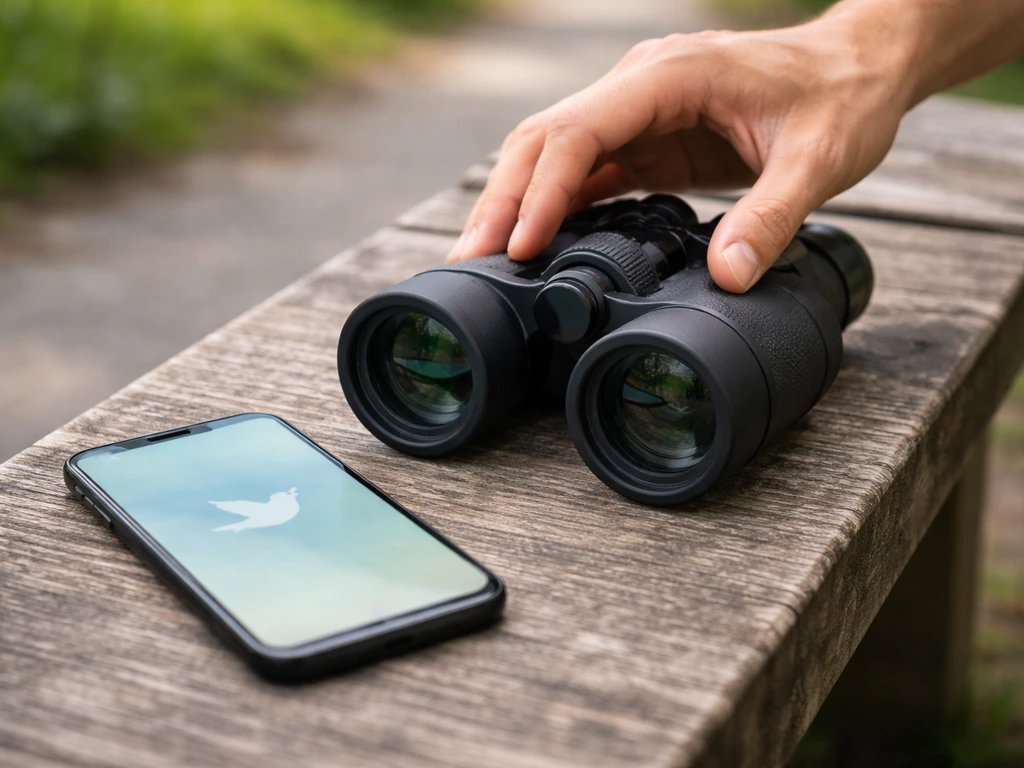
You don't need a lot of gear, but a few things make a real difference. Here's what I'd never show up without.
The non-negotiables
- Binoculars: This is the single most useful thing you can bring. Even in a bird park where birds are close, binoculars let you see plumage details, eye color, and behavior you'd completely miss otherwise. Tampa Audubon recommends them even for large birds of prey because you'll be surprised how far away some birds stay. An 8x42 or 10x42 pair covers most situations well.
- Camera or smartphone with zoom: A zoom lens or a phone with a solid optical zoom is enough for casual photography. Just know that commercial photography and videography are prohibited at many parks (National Aviary and Prospect Park Zoo, for example), so keep it personal.
- Comfortable walking shoes: Bird parks involve a lot of slow walking, stopping, and standing. Wet grass, gravel paths, and uneven terrain are common. Leave the flip-flops at home.
- Weather-appropriate layers: Even on a warm day, shaded aviaries can feel cool. Bring a light jacket. If rain is possible, a packable rain layer is worth the small extra weight.
- Sunscreen and a hat: Most birds are active in open areas with full sun exposure. Tampa Audubon specifically flags sunscreen as a field-trip essential, and it's easy to forget until you're already sunburned.
- Water and snacks: Walking a full bird park takes more time than expected. Most venues have food options, but having your own water bottle means you stay comfortable without hunting for a vending machine.
- A small notebook or your phone's notes app: Jotting down birds you see or hear is satisfying and helps you remember what you spotted.
Nice to have extras
- A field guide or bird ID app like iNaturalist or Merlin: Great for identifying unfamiliar species on the spot. The NPS recommends these tools over using bird call apps, which can disturb wildlife.
- Cash or a card for interactive feeding areas: If the park has a feeding zone (like Sylvan Heights' Landing Zone), food for parakeets, flamingos, or ducks is usually purchased separately at the Visitor Center.
- A sensory kit if needed: Sylvan Heights Bird Park offers child and adult sensory kits to check out during your visit, which is genuinely helpful for families or visitors with sensory sensitivities.
How to navigate inside for the best experience
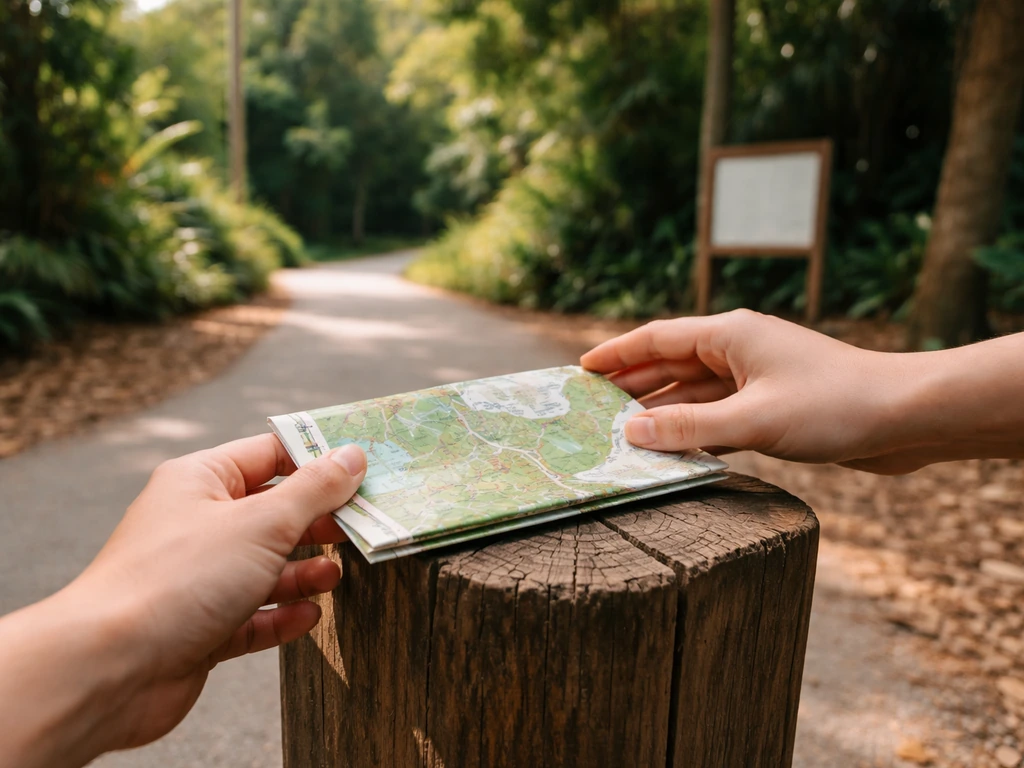
Most bird parks are self-guided, meaning you set your own pace and route. That's great, but without a rough plan you can end up doubling back, missing the best spots, or spending too long in low-activity areas. Here's how to move through a bird park smartly.
- Pick up a map at the entrance or Visitor Center immediately. Parks like Sylvan Heights are organized as a self-guided walking tour through aviaries, gardens, and nature trails. The map shows you the logical route.
- Head to the most popular or interactive areas (like a walk-through aviary or feeding zone) early, before crowds build up. These spots get congested fast.
- Slow down inside enclosures. Birds respond to fast movement by retreating. Walk slowly, speak quietly, and stop often. You'll see three times as much.
- Find shaded or sheltered spots along the route for longer observation. Birds often perch or feed in the same spots repeatedly, so if you see activity, wait a few minutes rather than moving on immediately.
- Save feeding zones or interactive exhibits for mid-visit. The novelty keeps kids (and adults) engaged when energy starts to flag.
- Check timing for any ranger talks, keeper sessions, or guided programs when you arrive. Even at parks where self-guided touring is the norm, a 30-minute guided tour of raptor enclosures (like those offered at The Raptor Center) adds a lot of context.
- Know where you can and cannot go. Not every area in a bird park is open to the public, and signs are not always posted everywhere. If you're unsure, ask staff rather than assume.
Bird-watching basics inside the park
You don't need to be an expert birder to have a great time. A few simple habits will dramatically increase what you notice and remember.
Spotting birds
Binoculars are your best friend here. Scan slowly across branches, shorelines, and ground areas rather than scanning fast. Your eye catches movement more easily than shape, so look for small flicks and rustles. Once you spot a bird, locate it with your naked eye first, then bring binoculars up to your face while keeping your gaze fixed on the same spot. It sounds obvious but most beginners do it the other way around and immediately lose the bird.
Listening
In heavily planted aviaries and sanctuary settings, you will hear birds before you see them. Stop walking periodically and just listen. A sharp chip note from a dense bush, a tapping sound from a tree trunk, or a rolling trill from the canopy all point you toward a bird you'd otherwise walk right past. If you use a bird ID app like Merlin, it has a sound ID feature that can identify birds from audio in real time, which is genuinely impressive for beginners.
Simple identification
When you spot a bird, try to note four things quickly: overall size (smaller than a robin, bigger than a crow), dominant color or pattern, beak shape (short and thick, long and curved, narrow and pointed), and what it's doing (foraging on the ground, hanging on bark, swimming). Those four details are usually enough to narrow it down with a field guide or app. Most bird parks also have interpretive signs near enclosures with photos and species names, so use them freely. There's no shame in reading the sign.
Behaviors worth watching for
- Preening: Birds grooming their feathers. A sign they're comfortable and relaxed.
- Foraging: Active searching for food on the ground or in vegetation. Great for close observation.
- Displaying: Males showing off plumage or performing calls during breeding season. Hard to miss and easy to photograph.
- Alarm calls: Sharp, repeated chips or squawks. Usually means the bird has noticed you or a perceived threat. Back off slightly and stay still.
- Bathing: If there's water, watch for it. Birds splash, shake, and preen at water sources in predictable patterns.
Etiquette and safety rules to know before you go
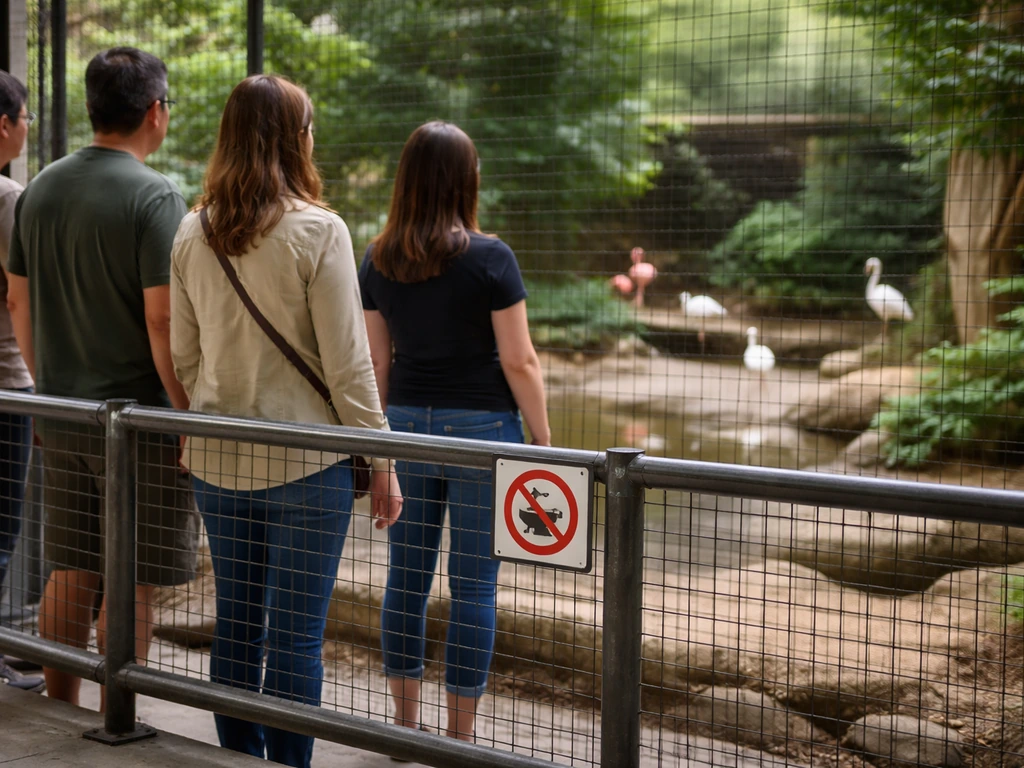
This is the section that separates a good visitor from one the staff quietly dreads. The rules exist to protect the birds first and you second. Ignoring them causes real harm. U.S. Fish & Wildlife Service refuge rules also emphasize that visitors are responsible for knowing where they can and cannot go, including when bird watching or photographing wildlife even for wildlife-viewing activities like bird watching and photography.
Feeding rules
Don't feed any animal unless you're in a designated feeding area with food purchased or provided by the park. Prospect Park Zoo explicitly prohibits feeding animals entirely. At the National Aviary, the rule extends to injured or lost birds: do not offer them food or water even if your instinct is to help. At Kellogg Bird Sanctuary, public waterfowl feeding is coordinated and time-specific, not a free-for-all. When in doubt, ask a staff member rather than making assumptions.
Enclosures and barriers
Never cross guardrails, fences, moats, or any safety barrier. The Smithsonian's National Zoo rules are explicit: no visitor may cross any barrier, full stop. Beyond the rule, it's genuinely dangerous, both for you and the animals. In walk-through aviaries where there are no barriers, stay on the marked path and give birds space. If a bird lands on you, stay calm and still; don't grab or restrain it.
Sound and disturbance
Do not use birdcall apps, pishing (making squeaky or hissing sounds to attract birds), or playback devices in bird parks or sanctuaries. Houston Audubon's sanctuary rules explicitly prohibit pishing and playback, and the NPS makes the same call. Laser pointers are also banned at many venues. These things stress birds out, can interfere with nesting behavior, and disrupt other visitors' experiences. The birds are already there. You don't need to lure them.
Distance and distress signals
Respect personal space between yourself and the animals. A good rule from NOAA's wildlife-viewing guidance: if a bird reacts by fleeing, calling out in alarm, or showing visible stress, you are too close. Back up slowly. This also applies near nesting areas, roosts, and key feeding spots. The National Aviary's guest policy puts it simply: allow personal distance between yourself and the animals.
Hygiene
Wash your hands before and after touching any rails, surfaces, or anything in bird contact areas. Most bird parks have hand-washing stations near feeding zones. This protects you from any pathogens birds can carry and protects the birds from anything you might be carrying. Don't skip it, especially if you're with kids.
Photography and equipment
Personal photography with a phone or camera is almost always fine. And if your goal is to earn money with bird photography, the same permissions and restrictions can guide you toward safe shooting and better results. Commercial photography and videography usually require permission or are outright prohibited (National Aviary, Prospect Park Zoo, and the US National Arboretum all have restrictions). Tripods may be restricted in certain exhibits. When in doubt, ask at the entrance. Also, be aware that some sanctuaries ask visitors to leave banding nets completely alone if you encounter them.
When the birds aren't cooperating (crowds, weather, and restless kids)
Even at the best bird park in ideal conditions, there are moments when the birds hide, the crowd is thick, or a 7-year-old has firmly decided they're done. Here's how to salvage those moments. Once you are ready to choose your bird park, you can also look up how to get to Bird Island in Seychelles for a memorable island birding experience how to get to bird island seychelles.
When birds are hard to spot
Stop moving and start listening. Birds that aren't visible are almost always audible. Find a bench or a quiet section of the path, sit down for five minutes, and let the park settle around you. You'll be surprised what appears once you stop creating disturbance. On genuinely quiet days, focus on water features, fruiting plants, and the edges where habitat types meet. Those are the hotspots where birds concentrate regardless of conditions.
Rainy weather
Light rain isn't a deal-breaker. Many enclosed aviaries are weather-protected, so a drizzly day can actually reduce crowd size and make the visit more peaceful. Wear waterproof footwear, bring that packable rain layer, and keep your phone and binoculars in a bag between uses. Heavy rain, however, genuinely does suppress bird activity outdoors, so if possible reschedule or focus entirely on indoor exhibits.
Navigating crowds
If you arrive and the park is already packed, reverse the typical route. Most visitors follow the map in the suggested direction, so going the other way puts you ahead of the crowd for most of the visit. Timed ticketing at venues like the National Aviary helps, but weekends and school holidays are still busy. Midweek visits in the morning remain the quietest option if you have flexibility.
Visiting with kids
Prioritize interactive areas early so kids have a tangible, memorable experience before attention spans shorten. Feeding zones (where permitted) are gold for young visitors. Keep the pace flexible, let them lead for short stretches, and use the interpretive signs as mini-games: can they find the bird in the picture? If the park offers sensory kits (as Sylvan Heights does for both children and adults), grab one at the Visitor Center, because they genuinely help kids with sensory sensitivities or high energy engage more calmly with the environment.
A good first visit to a bird park doesn't require expert knowledge or special equipment. It requires a small amount of planning, the right handful of items in your bag, and a willingness to slow down and pay attention. Once you've done it once, you'll find yourself noticing birds everywhere, not just inside the park. If you want to take the next step beyond visiting, learn how to become a registered bird breeder by following the required permits, housing standards, and breeding regulations in your area.
Once you start noticing birds everywhere, you can build on that experience by learning how to start a bird business how to start bird business. That's usually where the hobby really starts. Once your birding hobby takes off, you can also explore practical ways to make money with birds the hobby really starts. If you're interested in going further than visiting, you may also want to learn how to become a registered bird breeder.
If you are also growing bird peppers at home, the same careful planning and attention to conditions will help your plants thrive how to grow bird peppers.
FAQ
What should I do if I arrive after my timed entry window?
If the park is using timed entry, arrive with enough buffer to clear parking and check-in before your slot starts. If you are late, many venues will either shift you to the next time window or limit entry to remaining capacity, so it helps to call ahead or check the day-of policy on their website before driving over.
Are tripods or big cameras allowed at bird parks?
Yes, as long as you follow enclosure rules and use the camera from outside barriers. If you plan to use any equipment beyond a phone (like a long lens, monopod, or tripod), confirm whether tripods are allowed in specific exhibits, because some bird parks restrict them for safety and visitor flow.
Can I bring my own snacks or feed the birds myself?
Many bird parks discourage or prohibit feeding outside designated areas, even if you bring your own food. Stick to purchased feeding items or park-provided options when allowed, and if you see visitors offering snacks, check with staff before copying them.
Why are birdcall apps or pishing considered a problem?
Avoid using birdcall apps, pishing, or playback devices, even if the bird does not seem stressed. These tools can interfere with normal behavior like nesting, and they may also be blocked by venue rules that vary by sanctuary and season.
What should I wear if the weather changes during my visit?
Dress for both walking and sudden weather changes. If there is a chance of drizzle, bring waterproof footwear and a packable layer, and keep your binoculars protected in a small bag so you can still scan and focus without fumbling when it starts raining.
What do I do if I cannot spot any birds?
If you cannot find birds, do not rush through quickly. Pause in one spot for 5 minutes, listen first, then scan slowly along habitat edges (waterlines, dense vegetation, and where plant types meet), since activity often appears at those transitions rather than the open middle.
How can I avoid wasting time if one exhibit is crowded?
Plan a backup route before you go in, especially for self-guided parks. If one area is crowded or low activity, pivot toward water features and interpretive viewing spots, and expect that bird movement often shifts by time of day and guided program schedules.
What should I do if a bird lands on me?
If a bird lands on you, the safe move is to stay still and avoid grabbing or restraining. Back away only if staff instruct you to, and keep any touching limited, since many venues treat direct handling as unsafe for both the animal and visitors.
How close can I get for better photos without disturbing birds?
Keep a personal viewing distance, and treat any sign of alarm or fleeing as a cue to back off slowly. This is especially important near roosts, nests, and any time birds look preoccupied, because repeated close approach can increase stress even if you do not see aggression.
Is hand-washing really necessary if I did not touch an animal?
Bring a small pack to support hygiene and comfort, since hand-washing is usually available but not always convenient. Wash hands before and after touching rails or anything in bird contact areas, and help kids follow it every time, not just at the end.
What is the simplest way to identify birds when I am new to birding?
For first-time visitors, the best approach is to look for the bird’s basic clues in order: size relative to familiar birds, main color pattern, beak shape, and what it is doing (foraging, perching, swimming). Then use the interpretive signs nearby to confirm species and location.
How can I make a bird park visit more enjoyable for kids with sensory sensitivities?
If the park has sensory kits, prioritize those early at the Visitor Center, because they tend to help kids with short attention spans or sensory sensitivities. Pair that with kid-led pacing for a few minutes at a time, and use sign-based mini games to keep engagement steady.
Next Article
How to Start a Bird Business: Breeding and Setup Guide
Step-by-step guide to start a bird breeding business: legal permits, setup, biosecurity, costs, sourcing, and pricing.