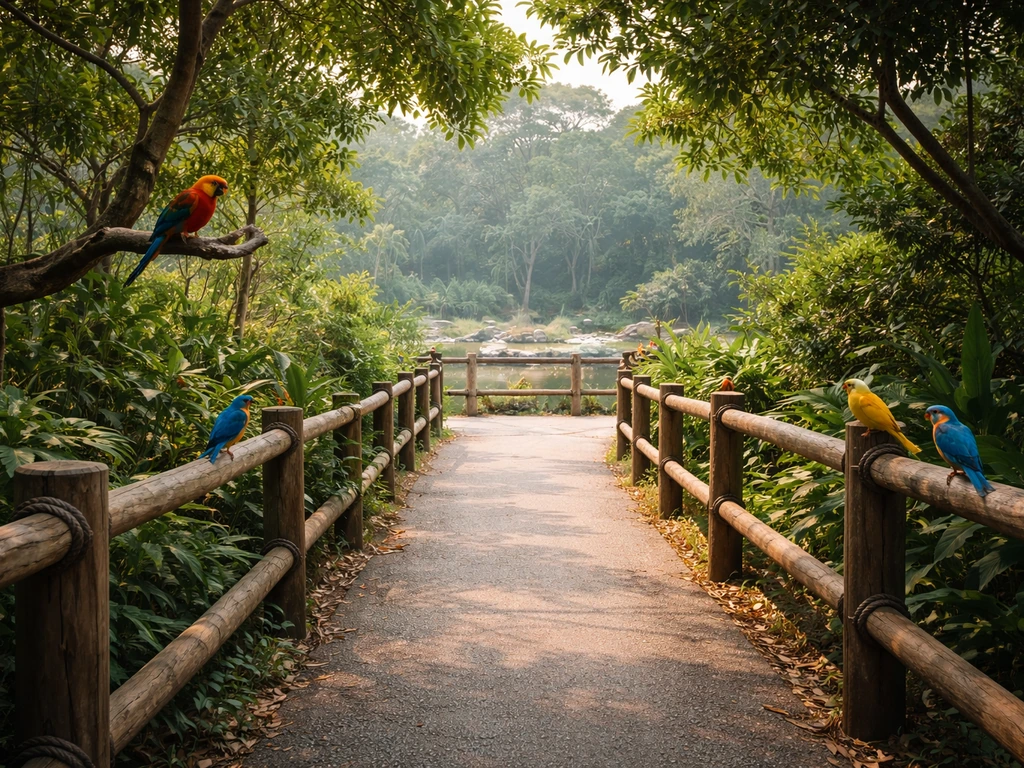
Becoming a certified bird sanctuary means meeting a specific set of legal, operational, habitat, and welfare requirements, then applying to the relevant authority in your country or region for formal recognition. It is not just a label you give yourself. There are permits, inspections, recordkeeping systems, and standards you have to demonstrate before anyone signs off. The good news is that the pathway is manageable when you break it into clear stages, and this guide walks you through every one of them.
How to Become a Certified Bird Sanctuary: Step-by-Step
Marcus Hendricks
16 May 2026
What 'bird sanctuary' actually means in practice
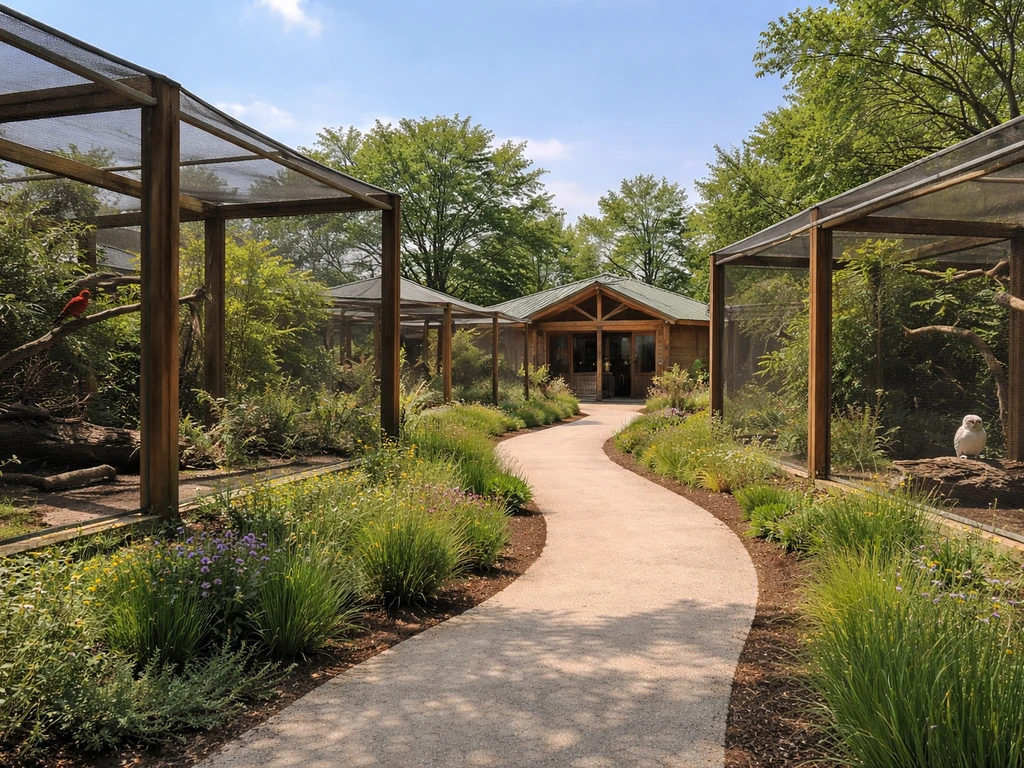
A bird sanctuary is a facility or designated space where wild birds are protected, and often cared for, under legal authorization. In practice, that can mean very different things depending on your setup. Some sanctuaries focus purely on habitat preservation, keeping land free from disturbance so wild birds can nest and feed safely. Others are active rehabilitation operations, taking in injured or orphaned birds, providing medical care, and releasing them back to the wild. Some do both.
The word 'certified' is what changes everything. Operating without the right permits, even with the best intentions, can get you into serious legal trouble because wild birds are protected species almost everywhere. Certification (or formal recognition) means a government body or accredited organization has assessed your facility, confirmed you meet their welfare and safety standards, and granted you legal authority to operate. It also tells the public, funders, and partners that you are legitimate.
Before you go any further, decide which type of sanctuary you want to run. If you are instead thinking about visiting a bird park, tell me your location and I can suggest practical steps for tickets, routes, and what to bring how to go bird park. Are you rehabilitating injured birds and releasing them? Creating protected habitat on private land? Running an educational center? The answer shapes every legal step that follows, because the permits and standards differ by purpose.
Find the right certification pathway for your country or region
There is no single global certification body for bird sanctuaries. The pathway you follow depends entirely on where you are located. Here is how the major regions work.
United States
In the US, the core framework is the federal Migratory Bird Rehabilitation permit issued by the US Fish and Wildlife Service (USFWS) under 50 CFR § 21.31. This permit allows you to take, temporarily possess, and transport migratory birds for rehabilitation purposes. However, and this is critical: if your state also requires a state-level permit to possess migratory birds for rehabilitation, you must hold that state authorization for your federal permit to be valid. So the pathway is: state permit first, then federal permit, not just one or the other. Contact your state wildlife agency to find out exactly what they require before you even apply federally.
Beyond permits, many US sanctuaries seek accreditation from the National Wildlife Rehabilitators Association (NWRA) or the International Wildlife Rehabilitation Council (IWRC). These organizations set professional standards and offer training programs. Accreditation from them signals credibility even though it is separate from your government permits.
United Kingdom
In the UK, wild birds are protected under the Wildlife and Countryside Act 1981. If you want to keep disabled Schedule 4 wild birds for rehabilitation, the General Licence GL07 permits an authorised person to hold a listed bird for up to 15 days without needing to register it, with the goal of releasing it once it is no longer disabled.
For longer-term care or for species that require registration, additional licensing applies. The British Wildlife Rehabilitation Council (BWRC) publishes its '10 Principles' framework, which includes requirements for legal compliance, written standard operating procedures (SOPs) for isolation and quarantine, disinfection protocols, and proper use of veterinary medicines. Following the BWRC framework alongside your government licences is the standard pathway for UK sanctuaries.
Australia
Australia handles wildlife licensing at the state and territory level, not federally. In Western Australia, the DBCA requires an authorised fauna rehabilitation licence to legally care for native birds. In South Australia, you need a permit even for short-term care after rescuing a native animal. In Victoria, a private wildlife licence comes with specific enclosure conditions covering shelter, escape prevention, predator protection, and restricted access to authorised persons only. Start with your state's environment or biodiversity department to identify the exact licence category you need.
Canada
In Canada, federal migratory bird protections fall under Environment and Climate Change Canada (ECCC), which issues permits for rehabilitation. ECCC guidelines are explicit that only permitted individuals, including nominees listed on the permit, should handle birds. Provincial governments also regulate wildlife rehabilitation, so you will need to check both levels. Canada's National Wildlife Emergency Response Framework further emphasizes documentation and record management throughout the entire treatment and rehabilitation lifecycle, so your paperwork systems need to be solid from day one.
Other regions
If you are outside the US, UK, Australia, or Canada, the starting point is always the same: contact your national environment or wildlife ministry and ask specifically about permits for wildlife rehabilitation and for designating land as a protected or sanctuary area. Many countries have their own formal designation programs, and your local ornithological society is often a great resource for pointing you to the right government contacts.
Legal setup: permits, licensing, and regulations to sort out first
Before you build a single enclosure or take in a single bird, get your legal house in order. This is the part people rush past, and it is the part that can shut you down. Here is what to verify.
- Wildlife rehabilitation permit at the federal or national level (required before handling protected birds)
- State, provincial, or territorial permit (often required separately, and sometimes must come first)
- Zoning or land-use approval from your local council or municipality (your land must be legally permitted for this use)
- Veterinary oversight arrangement (many jurisdictions require a written agreement with a licensed wildlife vet)
- Business or nonprofit registration if you plan to fundraise, employ staff, or receive grants
- Planning permission for any enclosures, aviaries, or buildings you intend to construct
- Biosecurity registration if required by your agriculture or environment department
Do not assume that because you are not charging money or selling birds, the rules do not apply to you. They absolutely do. Call your regional wildlife authority early, explain exactly what you want to do, and ask them to list every permit or licence you need. Get that list in writing if you can. This phone call saves you months of confusion later.
Building safe, suitable habitat and welfare-focused operations
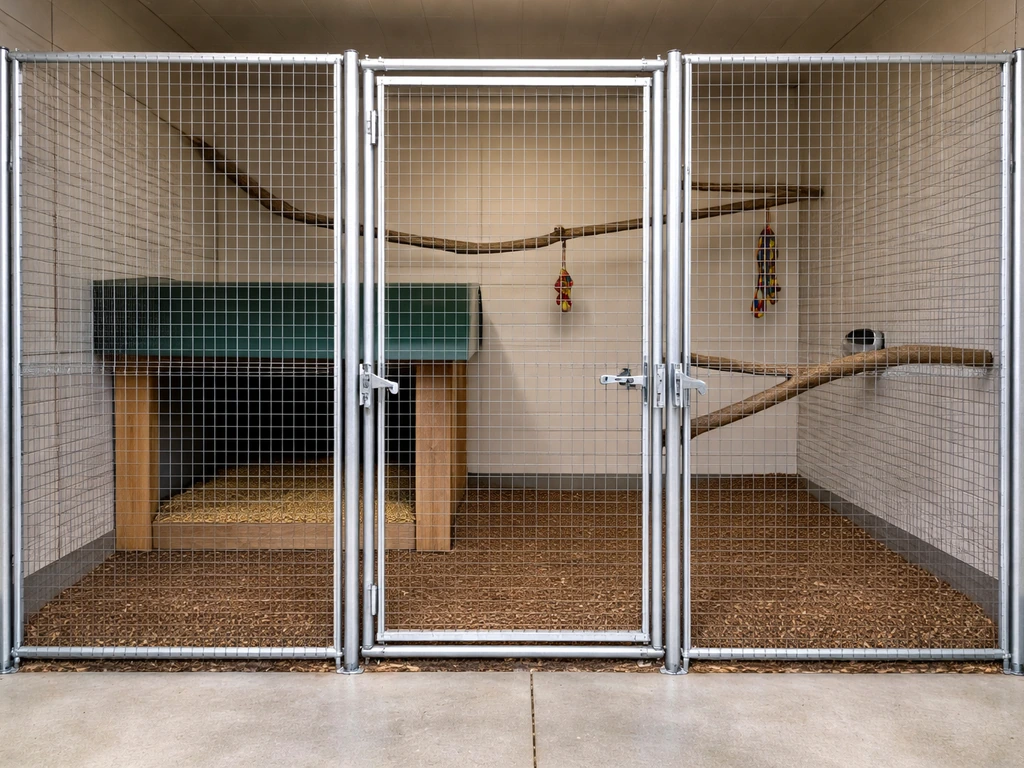
Your physical space is where inspectors will spend most of their time, so it has to meet welfare standards, not just look nice. The core principle is that every part of your facility should serve the bird's wellbeing and eventual release, not human convenience.
Enclosures and flight cages
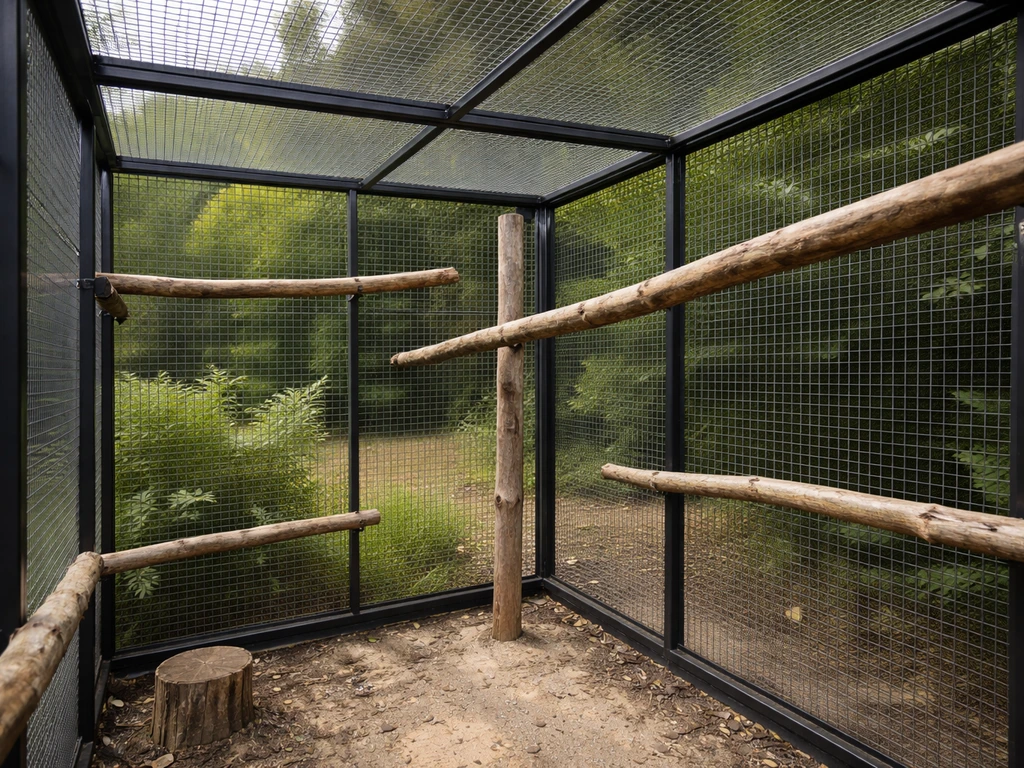
Enclosures need to be large enough for the species you are housing, with enough vertical and horizontal space for natural movement. Victoria's wildlife licence conditions, for example, specifically require adequate shelter, prevention of escape or injury, predator protection, and restriction of access to authorised persons only. Those four requirements are a useful checklist for any jurisdiction. Use materials that cannot injure birds (no sharp wire edges, no toxic paints), and design entry points with double-door systems to prevent accidental escape.
Habitat enrichment and nesting
Provide natural perching material (real branches are better than wooden dowels for foot health), appropriate nesting structures for the species in your care, and hide areas where birds can retreat from human view. Minimizing human imprinting is critical for birds destined for release. Keep bird-to-handler contact to necessary care interactions only, and use visual barriers between enclosures and high-traffic areas.
Water and feeding stations

Fresh water must be available at all times, changed daily at minimum. Feeding should match the species' natural diet as closely as possible. To grow bird peppers successfully, you’ll want to start with the right soil, provide consistent warmth, and water carefully as seedlings establish how to grow bird peppers. Supplemental or incorrect feeding is one of the most common welfare failures inspectors flag. Work with your veterinary contact to develop species-specific diet protocols and write them down as SOPs.
Feeding rules, rescue and handling, biosecurity, and emergency plans
This section covers the daily operational systems that inspectors will want to see documented, not just practiced.
Handling and rescue protocols
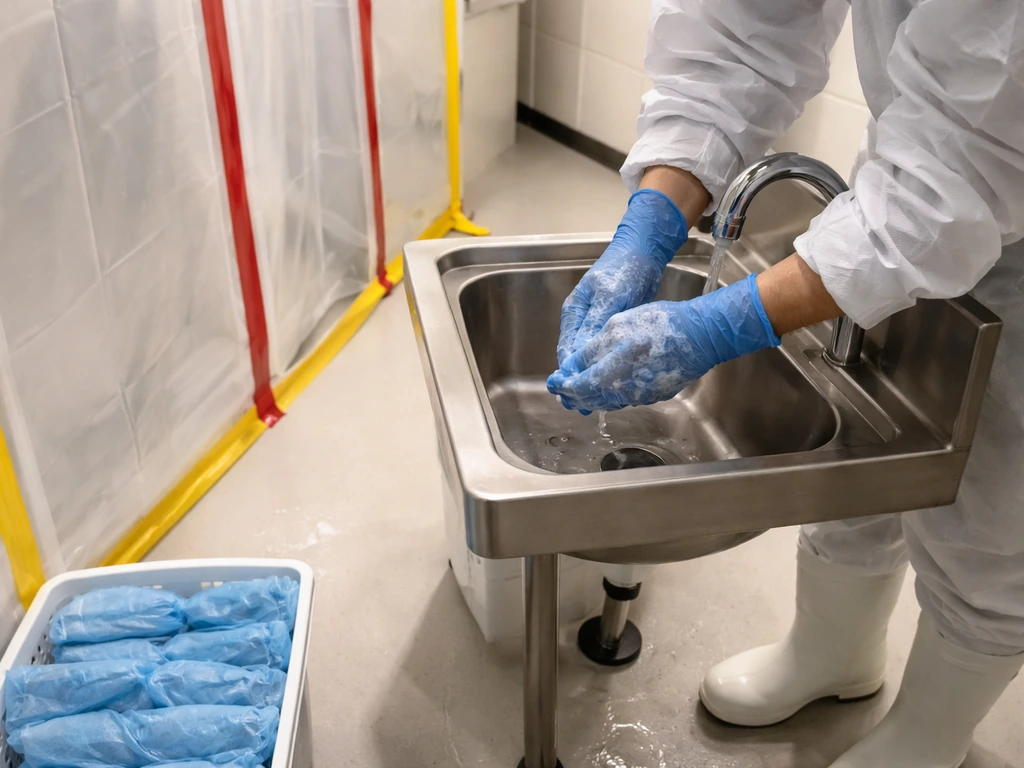
Only permit holders and their authorized nominees should handle birds. In Canada, ECCC guidelines are explicit about this. In practice, that means every volunteer who touches a bird must be listed on your permit or covered by formal supervised-training documentation. Write a handling SOP that covers: how to assess an incoming bird, initial containment, stress reduction techniques, when to call the vet, and how to transport safely.
Biosecurity routines
Biosecurity is not optional, it is a legal and welfare requirement in most jurisdictions. The Canadian guidelines for oiled wildlife treatment facilities specifically mandate isolation protocols, separate equipment for different bird groups, and footbaths at facility entry points. Apply these principles broadly. New arrivals should be isolated from existing residents for a minimum quarantine period (typically 14 to 30 days). Cleaning and disinfection schedules must be written down as SOPs, which the BWRC's 10 Principles also require explicitly. Use separate tools for different enclosures, disinfect between uses, and log every cleaning session.
Emergency procedures
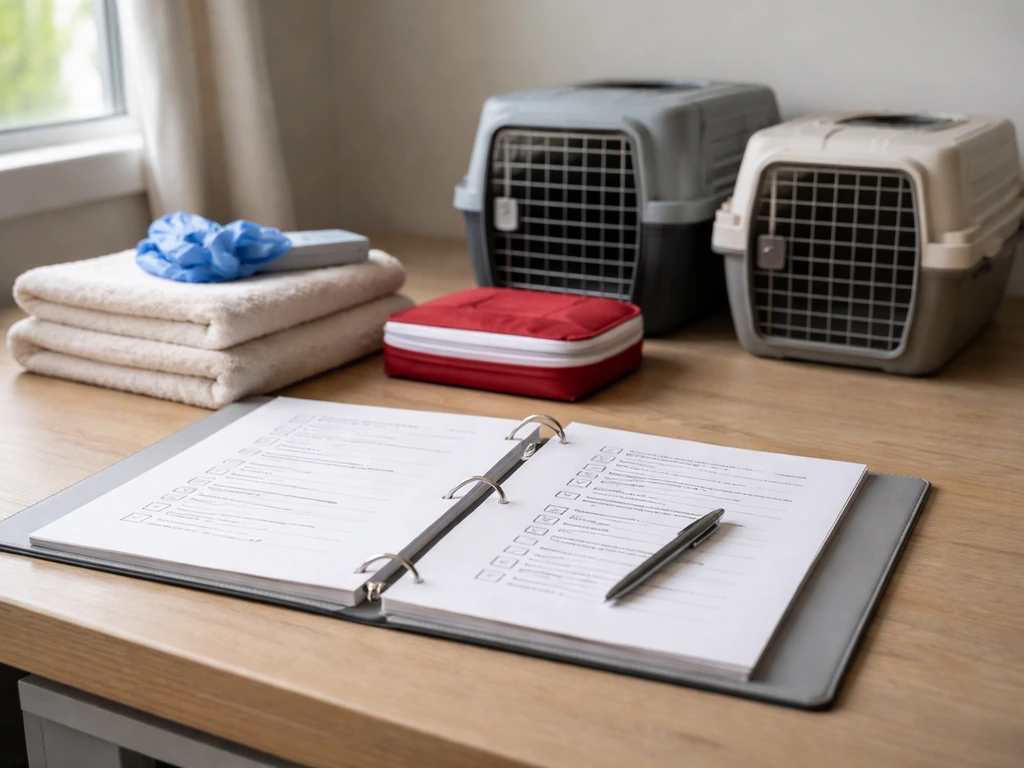
Write a formal emergency plan before you open. It should cover: wildlife disease outbreak response, natural disaster or power failure, mass casualty events, escape of a bird, and fire evacuation. Post emergency vet contact numbers in every area of the facility. Run a drill with your volunteers at least once a year and document it. Inspectors ask about emergency planning, and 'we would figure it out' is not an acceptable answer.
Documenting everything and preparing your application
This is where a lot of well-meaning sanctuaries fall short. The documentation is not bureaucratic busywork. It is proof that your operation is safe, legal, and sustainable. Get your systems set up before you start operating, not after.
Records you must keep
Washington State's wildlife rehabilitation rules require a daily ledger of patient records and written verification of volunteer training, with all records retained at the facility for five years. That is a solid minimum standard to aim for everywhere. Your recordkeeping system should capture:
- Individual bird intake records (species, condition on arrival, date, location found, who brought it in)
- Daily patient logs (feeding, behavior, medical treatments, weight)
- Release records (date, location, condition at release)
- Mortality records (cause of death, disposal method)
- Transfer records (if a bird is moved to another facility)
- Volunteer training logs and competency records
- Cleaning and disinfection schedules
- Veterinary visit notes and treatment records
In the US, the USFWS requires annual reporting from migratory bird rehabilitation permittees using Form 3-202-4, which records transfers of live birds during the report year. Build your daily records so that completing that annual form is straightforward, not a scramble at year's end.
Your application package checklist

When you are ready to apply, assemble everything into a single organized package. Here is what most certification or permit applications will require:
- Completed application form from the relevant government authority or certifying body
- Proof of facility address and land ownership or lease agreement
- Site plan or map showing enclosures, isolation areas, food storage, and water sources
- Written SOPs for intake, handling, feeding, cleaning, biosecurity, and emergency response
- Veterinary agreement letter (signed by a licensed wildlife or avian vet)
- Training certificates or records for all handlers and volunteers listed on the permit
- Evidence of legal entity registration (if applying as an organization)
- Zoning approval or land-use confirmation from your local authority
- Previous permits held (if applicable) and any prior inspection reports
- Financial summary showing ability to fund ongoing operations (some bodies require this)
What to expect during an inspection
Most jurisdictions will conduct a physical inspection before granting certification. The inspector will walk your facility, check enclosure conditions, review your written records, and possibly interview your staff or volunteers. They are looking for evidence that what you have written in your SOPs is actually what happens on the ground. Make sure your daily logs are current and your physical setup matches your site plan. A tidy, organized facility with complete documentation passes inspections. An immaculate facility with no records fails.
Realistic timeline from start to certified
| Stage | Typical Timeframe | Key Actions |
|---|---|---|
| Research and legal scoping | 1 to 2 months | Identify all required permits, contact wildlife authority, confirm zoning |
| Permit applications | 2 to 6 months | Submit state/provincial and federal/national applications, arrange vet agreement |
| Facility setup | 2 to 4 months | Build or adapt enclosures, install biosecurity systems, write SOPs |
| Trial operations | 1 to 3 months | Begin operating under permits, build documentation records, train volunteers |
| Certification/accreditation application | 1 to 2 months | Assemble full application package, request inspection |
| Inspection and review | 1 to 3 months | Respond to any conditions or required improvements, receive formal decision |
In total, expect 9 to 18 months from your first phone call to formal certification, depending on your jurisdiction and how quickly permits move through the system. Starting the legal and permit research today is the single most valuable thing you can do right now. Once you know your legal path, you can move on to the practical steps for how to start a bird sanctuary, from safe habitat setup to daily welfare routines.
Funding, staffing, and keeping the sanctuary running long-term
A certified bird sanctuary that runs out of money or burns out its volunteers is not a sanctuary for long. Sustainability has to be designed in from the beginning. If you want to make money with bird-related work, the same certification and compliance steps help you build a sustainable, legal operation.
Funding sources to explore
- Government wildlife rehabilitation grants (many state, provincial, and national programs exist specifically for this)
- Charitable foundations focused on conservation or animal welfare
- Community fundraising and membership programs
- Corporate sponsorships from pet supply, outdoor, or conservation-aligned brands
- Educational program fees (school visits, guided tours, speaker events)
- Crowdfunding campaigns for specific capital projects like new enclosures
Building your team
You cannot run a sanctuary alone. Even a small operation needs a reliable core of trained volunteers and ideally at least one paid coordinator once intake volume grows. Recruit through local birdwatching clubs, university biology or veterinary programs, and conservation organizations. Every volunteer who will handle birds must be trained, documented, and listed on your permit where required. Keep training records current because they are a primary inspection target.
Community engagement and outreach
Your sanctuary becomes more sustainable when the local community knows it exists and cares about it. Run educational sessions for schools, partner with local birdwatching groups, and build relationships with wildlife vets and neighboring landowners. If you plan a trip to Bird Island Seychelles, you can also look up how to get there in advance so your visit and logistics are smooth how to get to Bird Island Seychelles.
A sanctuary that the community has a stake in gets more volunteers, more donations, and more political goodwill when permit renewals come around. If you are interested in expanding into related areas like bird photography or guided nature experiences as revenue streams, those can naturally grow from your educational outreach program.
Annual reviews and permit renewals
Certification is not a one-time event. Most permits require annual renewal and annual reporting (like the USFWS Form 3-202-4 in the US). Build reporting deadlines into your calendar from day one and keep your documentation current year-round. An inspection or renewal application is much less stressful when your records are already in order rather than assembled at the last minute.
The practical steps to take right now: call your regional wildlife authority today, ask specifically what permits you need to operate a bird rehabilitation sanctuary, get the list in writing, and start your application file. If your goal is specifically to become a registered bird breeder, the permit and recordkeeping expectations will be similarly strict, so plan those steps alongside your sanctuary application. Start by choosing your sanctuary type, then research the exact licenses, inspections, and welfare requirements for your area, so you know what to do first how to start bird business. While permits are processing, write your first SOPs and start building your volunteer contact list. Everything else follows from those two actions.
FAQ
Can I start caring for wild birds before I get certified or permitted?
In most places, no. Even temporary intake can be illegal without the right authorization, especially for protected species. If you are unsure, ask your wildlife authority what the legal “holding” process is (who may receive calls, where birds may be placed, and for how long) until your permits are issued. Keep that guidance in writing.
Do I need certification if I only protect habitat on my land and do not take birds in?
Usually the requirements are different, and you may not need the same wildlife rehabilitation permits. However, land designation, disturbance limits, fencing or access rules, and species-specific protections can still apply. Ask whether your planned activities count as harassment or interference, and whether any environmental review or protected-species surveys are required.
What if I accidentally take in a bird or keep one overnight before authorization?
Treat that as an incident, not a normal workflow. Notify the relevant wildlife authority as soon as possible, follow their instructions for transfer or surrender, and document the date, location, species (if known), and where the bird was kept. Inspectors often look for transparency and a clear chain of custody.
How do I handle volunteers if they help only with cleaning or feeding but not “handling”?
In many jurisdictions, any person who participates in bird care may need to be covered by the permit framework, training records, or supervised authorization. Clarify with your authority whether “handling” includes feeding, moving birds between enclosures, changing bedding, or transporting. If in doubt, list the person as an authorized nominee or create a supervised-training log that matches the permitted activities.
What should my SOPs include beyond animal care, to avoid failing an inspection?
Add operational details that show control of risk, for example intake acceptance criteria, quarantine start and end dates, how you label and segregate cages, criteria for vet escalation, and who has authority to approve release or euthanasia decisions. Inspectors often fail paperwork when SOPs exist but do not explain who does what, and when.
How long should quarantine be for new arrivals?
Common guidance ranges around 14 to 30 days depending on disease risk and jurisdiction. The best approach is to set quarantine duration in your SOP based on the species, local disease prevalence, and your veterinary plan, then apply it consistently. If you vary quarantine length, document the reason and the vet approval.
Can I use a home facility or small space if I have good cages and records?
Small size is not automatically disqualifying, but enclosure conditions, escape prevention, predator protection, access control, and biosecurity must still meet standards. Authorities also consider whether the site layout supports quarantine separation and safe entry procedures. Expect a site inspection that focuses on how the space functions during intake, cleaning, and emergencies, not just aesthetics.
Do I need a veterinarian, or can I rely on a “bird expert”?
Many programs require a veterinary relationship, and species medication and treatment usually must be prescribed or directed under veterinary oversight. Set up a signed relationship or documented protocol that covers examination triggers, medication handling, withdrawal periods, and when to call for emergencies. Train volunteers on what they can and cannot do without vet authorization.
How do I plan for annual renewal and reporting so I do not scramble at the last minute?
Create a simple compliance calendar that includes permit renewal dates, required forms, inspection windows, volunteer training refresh schedules, and record retention end dates. Keep records organized by intake date and maintain a “report-ready” dataset (transfers, outcomes, and totals) updated monthly so the final reporting cycle is mostly verification.
What records do I need to keep if birds die, escape, or are transferred?
Your records should cover the full outcome chain: date of arrival, disposition (release, transfer, death), date and method of death disposition if applicable, and who was notified for escape or injury events. Use consistent identifiers for each bird, log the corrective action taken, and store any vet notes. Authorities frequently check documentation completeness for negative outcomes.
What happens if I cannot release birds back to the wild?
Your plan should address non-release situations before intake, because many sanctuaries are evaluated on release readiness and welfare standards. Clarify with your authority whether long-term residence is allowed, and if so, under what category, enclosure requirements, and reporting obligations. If non-release is expected, align your legal designation and welfare SOPs accordingly.
How do I choose between rehabilitation, habitat protection, and education as my primary model?
Pick the model that matches your actual operations, staffing, and facilities. Running multiple models can be allowed, but it changes your licensing scope, recordkeeping categories, and inspection priorities (for example quarantine and patient logs for rehab, visitor access control for education, and disturbance rules for habitat). If you are uncertain, ask the authority to confirm which permit pathway best fits your planned activities.
Next Article
How to Go Bird Park: First-Time Planning Guide
Step-by-step beginner guide to your first bird park visit: tickets, what to bring, routes, bird-watching tips, and safet